
Antique Kitchen Base
An antique kitchen base anchors a traditional interior with utilitarian honesty, offering robust workspace and storage built from honest woods.
Antique Kitchen Base
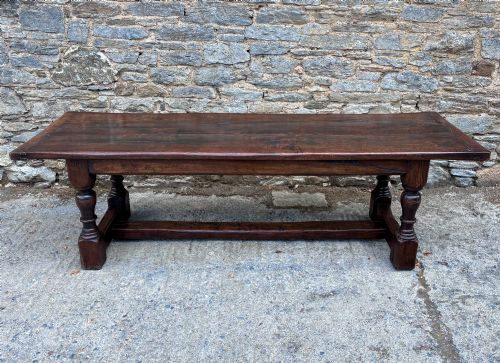
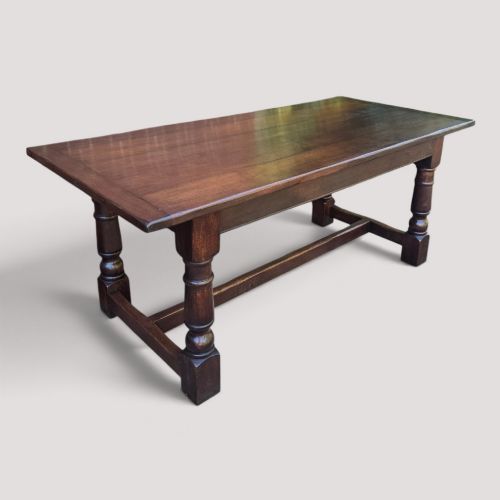
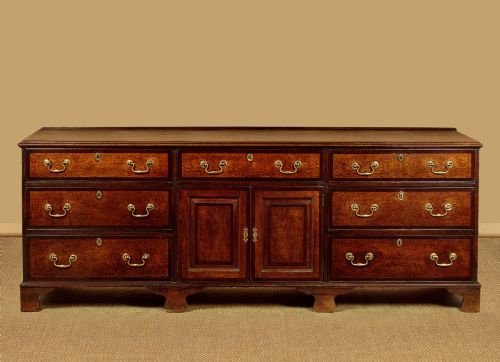
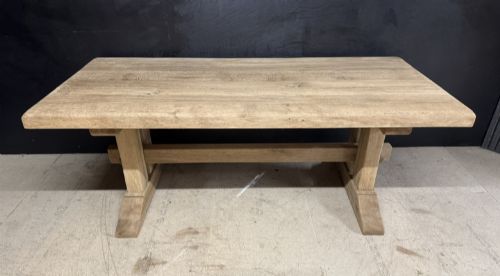
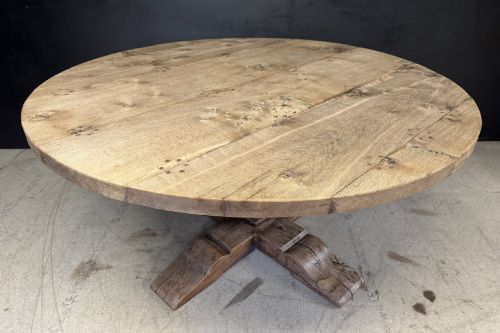
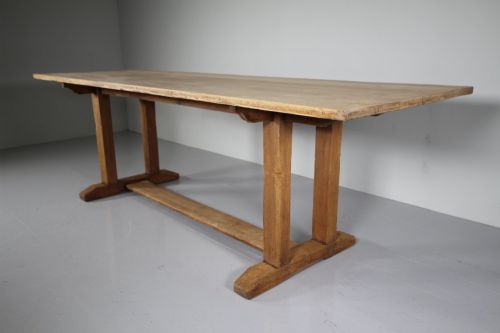
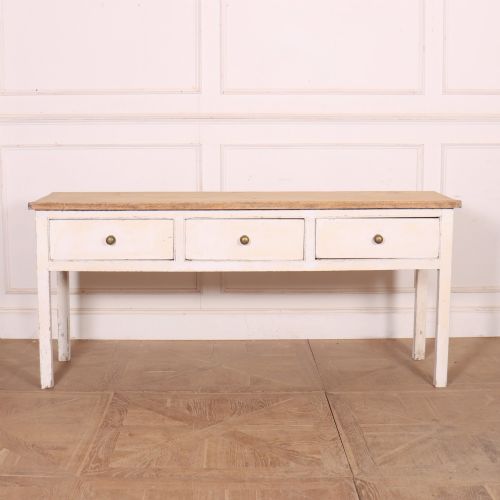
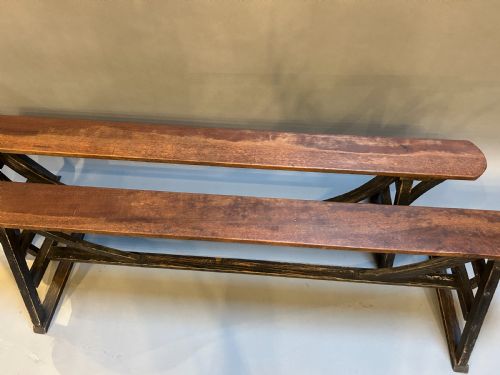
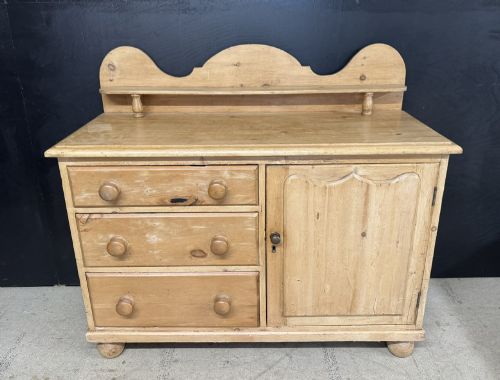
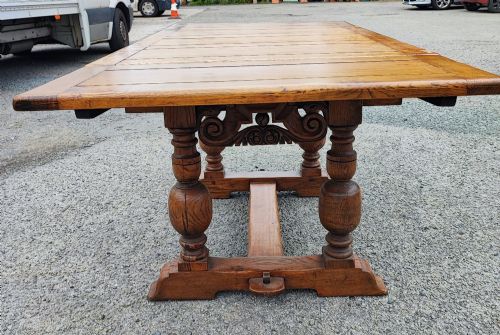
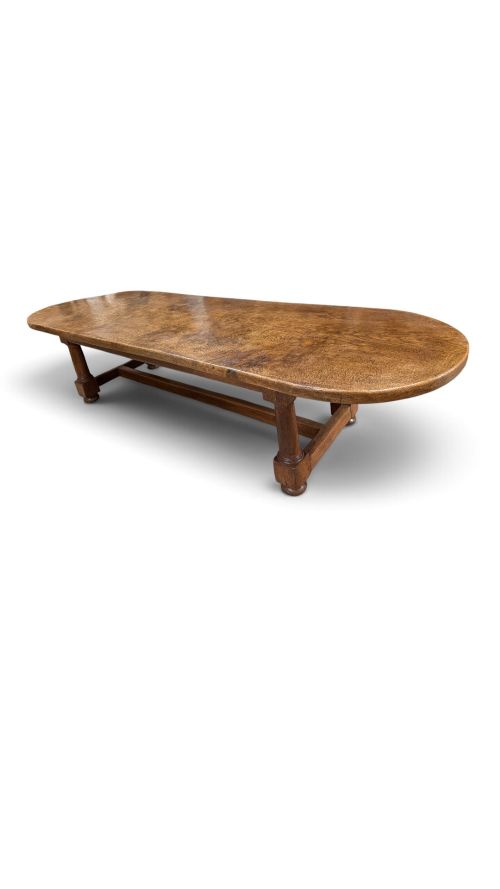
When searching for an antique kitchen base, buyers encounter heavy furniture designed for food preparation and storage in domestic domestic spaces. The selection on this page consists predominantly of dresser bases, sideboards, and refectory tables spanning the eighteenth, nineteenth, and early twentieth centuries.
These pieces emerge from Georgian, Victorian, and rustic farmhouse traditions, originating from English, Scottish, Welsh, and French workshops. Forms range from simple three-drawer pine examples to substantial oak potboard bases and draw-leaf tables.
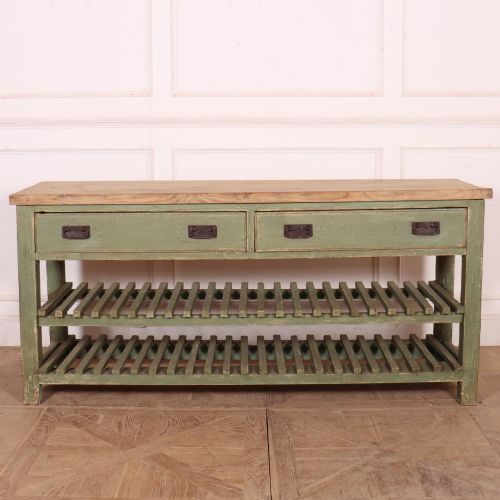
The most common formats utilise lower storage cupboards, open potboards, or banks of drawers paired with thick timber tops. They serve as functional kitchen furniture or central dining surfaces within country-style interiors.
Materials and construction methods
Construction relies heavily on sturdy native timbers such as oak, pine, elm, and chestnut, selected for durability and daily wear. Solid planks form heavy table surfaces and drawer fronts, frequently joined with traditional pegging and dovetailing techniques.
Secondary materials include brass and iron hardware, alongside applied paint finishes reflecting original domestic decoration. Surfaces show the marks of hand planes, saw marks, and decades of waxing or scrubbing.
Listings feature oak, pine, and elm pieces spanning from the eighteenth century through the Arts and Crafts movement.
Distinguishing quality in execution
Quality rests in the selection of timber and the integrity of the original construction, such as thick single-plank tops versus joined boards. Superior examples retain original surface treatments, whether old wax patination or untouched period paint.
Proportion and structural balance separate utilitarian output from finer regional craftsmanship, particularly in Georgian and Victorian dresser bases. The handling of drawer linings, backboards, and iron or brass fixings indicates the level of original workshop care.
Blackstone and Co·Heals of London
The Antique Kitchen Base Glossary
- Dresser base
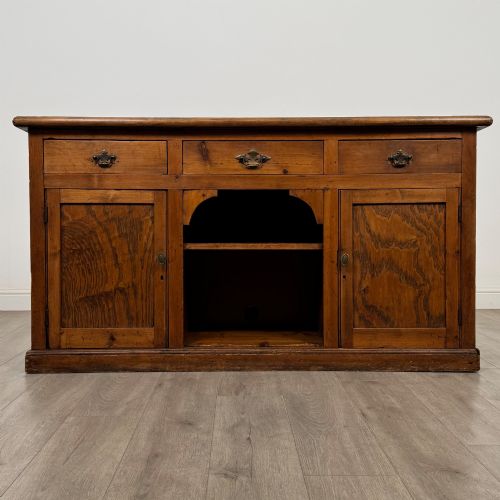
- A low cabinet featuring drawers, cupboards, or a combination of both, traditionally used for food preparation and storage without an upper plate rack.
- Potboard
- An open slatted lower shelf built into a dresser base to store pots and heavy kitchen utensils.
- Refectory table
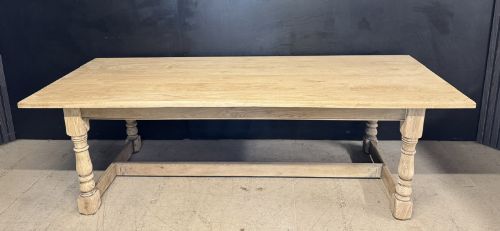
- A long, narrow dining table traditionally built with substantial timber legs and a central stretcher for stability.
- Draw-leaf
- A table mechanism featuring pull-out leaves stored beneath the main top to extend the surface length.
- Plank top
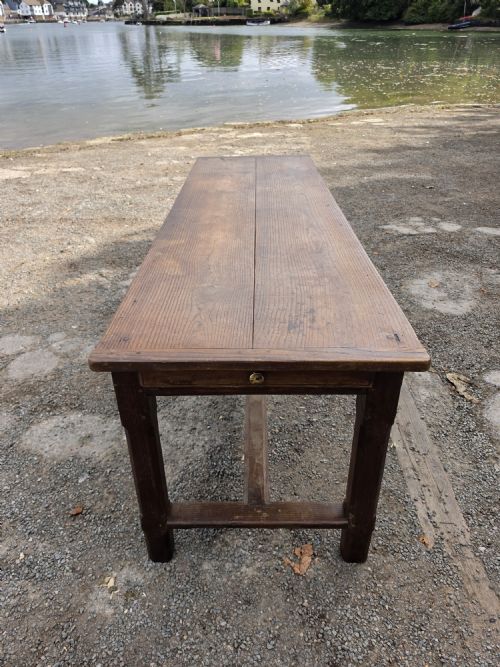
- A table or counter top constructed from wide boards of solid timber joined edge to edge.
Antique Kitchen Base: Frequently Asked Questions
What is an antique kitchen base used for?
These pieces function as sturdy workspace islands, sideboards, or dining tables in traditional kitchens. Their heavy timber construction provides durable surfaces for food preparation and ample storage.
Historically, they organised domestic utensils and food stores before fitted cabinetry became standard. Today, they bring historic character and practical workspace to modern homes.
How do I date an antique dresser base?
Dating relies on examining construction methods, timber choice, and hardware styles across the piece. Hand-cut dovetails, timber shrinkage, and original tool marks indicate eighteenth or nineteenth-century origin.
Georgian pieces often display refined oak proportions and potboards, while Victorian examples frequently utilise pine with multiple drawers. Comparing secondary woods and fixings helps confirm the period of manufacture.
Are pine kitchen bases durable enough for daily use?
Pine furniture built in the nineteenth century withstands everyday household demands through solid timber construction. Waxed and treated surfaces repel minor spills and develop a resilient patina over generations of use.
Routine maintenance involves applying natural wax to nourish the grain and protect against moisture. Their robust build ensures they function reliably as working kitchen furniture.
What is the difference between a dresser base and a sideboard?
A dresser base typically originates from a country kitchen context, featuring deep drawers, cupboards, or an open potboard shelf below. They are designed for heavy utilitarian tasks and food preparation.
Sideboards generally emerged from formal dining rooms, displaying more refined decorative veneers and formal styling. Dresser bases lean towards rustic utility, whereas sideboards prioritize formal serving utility.