




Antique Iron Pot Stand
An antique iron pot stand is a sturdy hearth or garden holder designed to elevate vessels, combining practical utility with period character.
Antique Iron Pot Stand
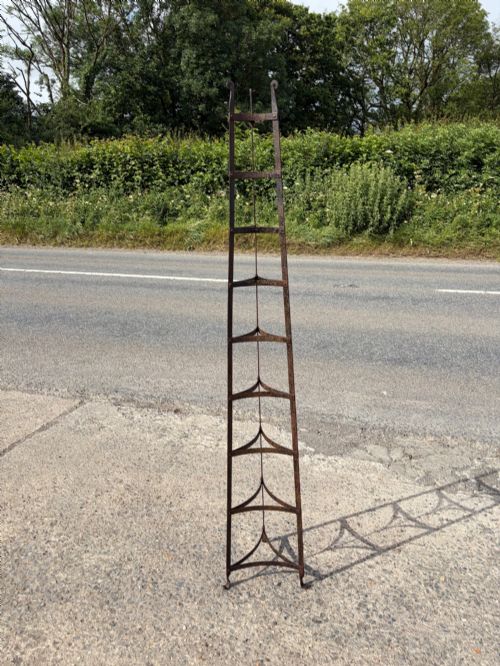
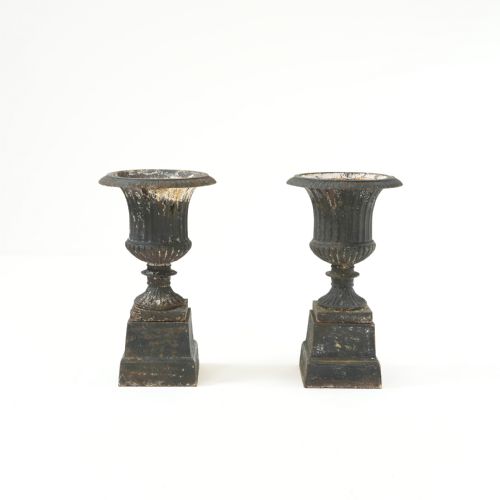
When you search for an antique iron pot stand, you encounter utilitarian and decorative metalwork spanning the Victorian era, the nineteenth century, and around nineteen hundred. These pieces encompass multi-tiered pan stands, saucepan racks with hooks, and heavy planters or jardinières designed to hold heavy vessels.
The selections on this page demonstrate functional kitchen and garden designs, including tall tiered structures for pans, campana urns on plinths, and plant holders featuring copper elements. Makers from these periods combined robust metal frameworks with vessels made from terracotta or copper.
Victorian examples dominate the selection, ranging from industrial five-height pan stands to white painted wrought iron pieces and novelty shrimp-shaped cast iron planters. Arts and Crafts influences also appear through copper and wrought iron combinations dating towards the end of the nineteenth century.
How they were made
Blacksmiths and foundries utilised wrought iron and cast iron to build the skeletal frames and heavy urns, shaping the metal through forging and casting techniques. Wrought iron provided flexible strength for multi-tiered stands and racks, while cast iron allowed for intricate moulding seen in campana urns and novelty animal forms.
Makers integrated contrasting materials such as copper bowls and terracotta jars into the iron frameworks, securing pots and plant holders within metal stands. Surface treatments like white paint were also applied to protect the metal and provide a decorative finish against weathering or kitchen soot.
Antique Iron Pot Stand Retail Price Guide 2026
Typical asking prices for iron pot stand among the pieces listed under this phrase on Sellingantiques today, from the lower quarter to the upper quarter. They describe what is for sale here now, not the wider market.
Shrimp-shaped cast iron planters from the turn of the century prove that Victorian gardeners possessed a wonderfully eccentric sense of humour.
What varies in quality
The sophistication of the ironwork and the integrity of the multi-tiered construction separate standard utility pieces from finer examples. Elaborate nineteenth-century saucepan racks with numerous tiers and original hooks display greater ambition in design than simpler single-pot holders.
The choice and combination of secondary materials, such as heavy hand-thrown terracotta olive jars paired with iron bases or the integration of hammered copper vessels, influence the overall character and visual weight of the stand.
The Antique Iron Pot Stand Glossary
- Wrought iron
- Tough, malleable iron beaten into shape by a blacksmith. It is typically used for the slender, load-bearing tiers and scrollwork of pan stands.
- Cast iron
- Iron poured into a mould to create rigid, highly detailed objects. This method produced heavy garden urns and novelty planters.
- Campana urn
- A bell-shaped garden vessel originating from classical antiquity. These are frequently mounted on dedicated stone plinths or iron bases.
- Jardiniere
- An ornamental pot or stand for holding plants and flowers. They appear here combined with copper bodies and wrought iron frames.
Antique Iron Pot Stand: Frequently Asked Questions
What is an antique iron pot stand used for?
These stands served practical functions in nineteenth-century kitchens and gardens by elevating heavy cooking pots, saucepans, or large plant pots off the ground. Multi-tiered versions maximised storage space for cookware, while garden variants supported urns and jardinières.
Over time, their robust construction made them enduring decorative accessories for both interior spaces and outdoor courtyards. Today, they continue to function as plant stands or distinctive display furniture.
How do I date an iron pot stand?
Dating relies on identifying period styles, manufacturing marks, and construction techniques associated with the nineteenth century and the Victorian era. Pieces from around nineteen hundred often exhibit Arts and Crafts influences, combining copper with wrought iron.
Examination of the metal reveals whether components were individually forged by hand or mass-produced in a Victorian foundry using cast iron moulds.
Are these stands suitable for outdoor use?
Most of these pieces were constructed from durable metals like cast and wrought iron, frequently paired with terracotta or copper, making them resilient in garden environments. Protective finishes, such as historic white paint, help shield the iron from weathering.
However, delicate finishes or mixed-material items benefit from sheltered placement to preserve their original surface patination and structural integrity.
What is the difference between wrought iron and cast iron?
Wrought iron is worked by hand while hot, resulting in a fibrous material that bends without breaking and suits slender, multi-tiered frames. Cast iron is brittle and poured into moulds, allowing foundries to create rigid shapes with complex surface details like campana urns.
Recognising these textures helps determine how a specific pan stand or planter was fabricated during the nineteenth century.