
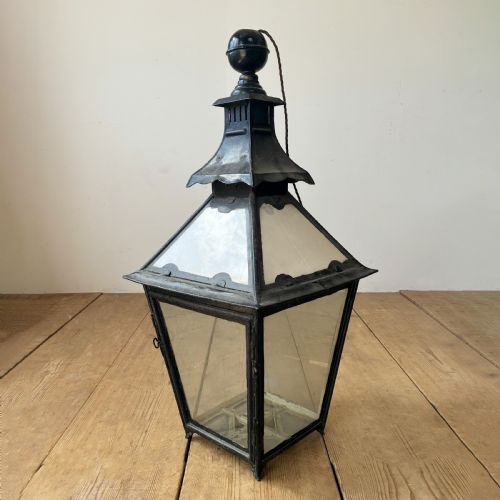

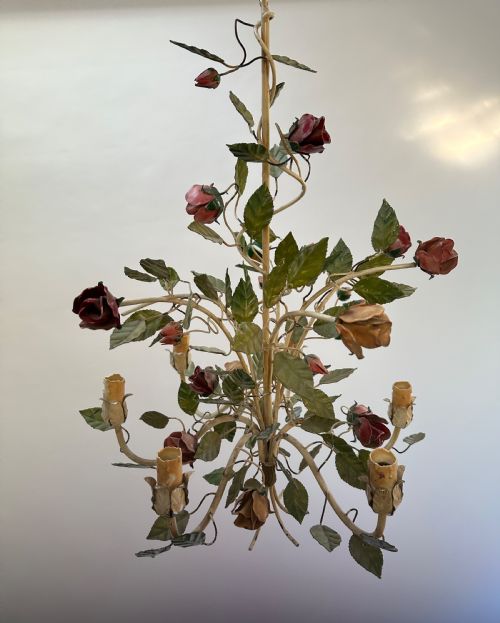


Antique Iron Pendant
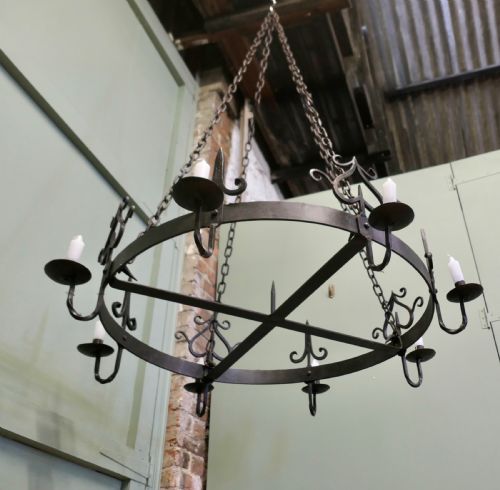
An antique iron pendant brings heavy metalwork and industrial character into a room.
Antique Iron Pendant
When you search for an antique iron pendant, you enter a category defined primarily by heavy metal frames designed to hang from ceilings. These fixtures span from Victorian and 19th-century designs up to pieces from the 1930s.
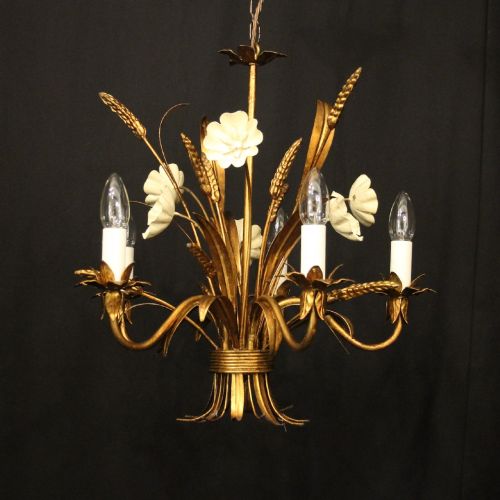
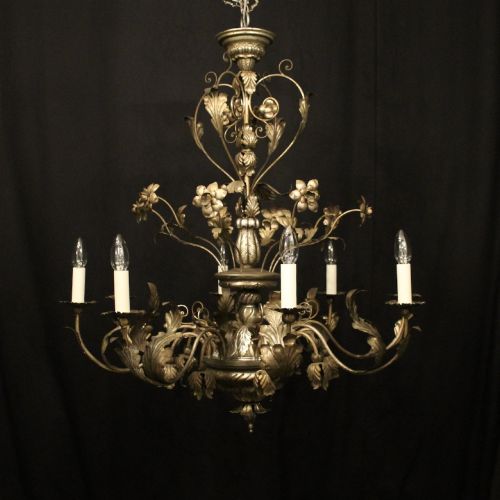
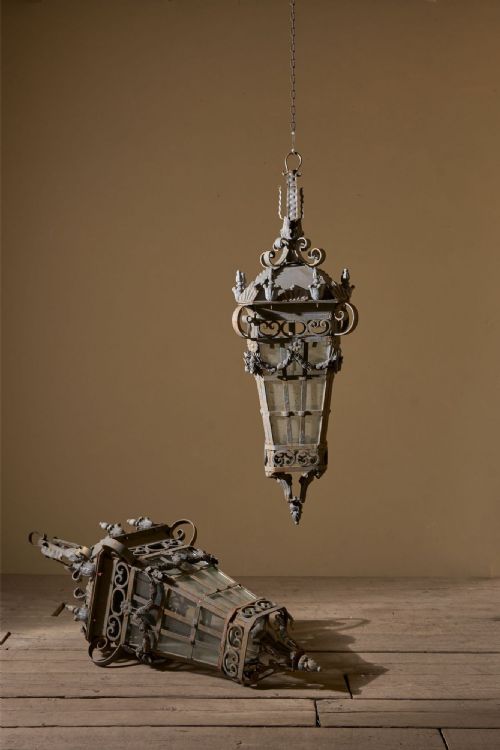
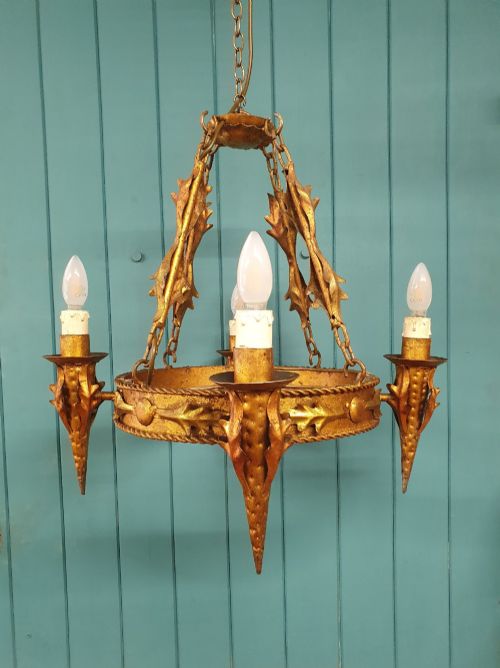
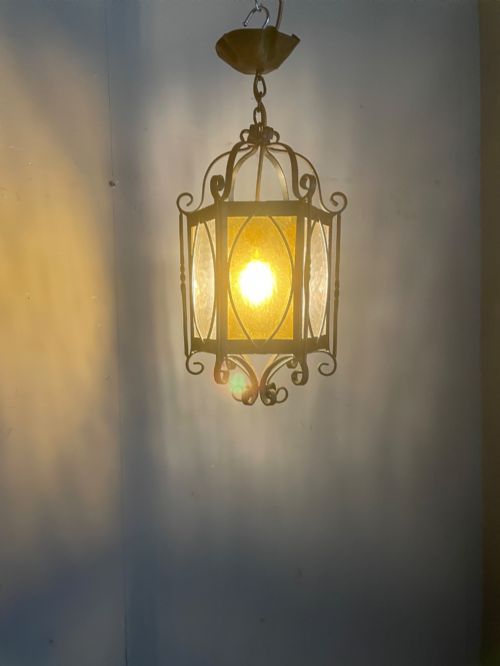
The selections here lean heavily toward French and Italian aesthetic traditions, covering styles from Gothic Revival and Arts and Crafts to Art Nouveau and French Chateau. Forms range from hall lanterns and hexagonal hanging lanterns to multi-light chandeliers and porch lights.
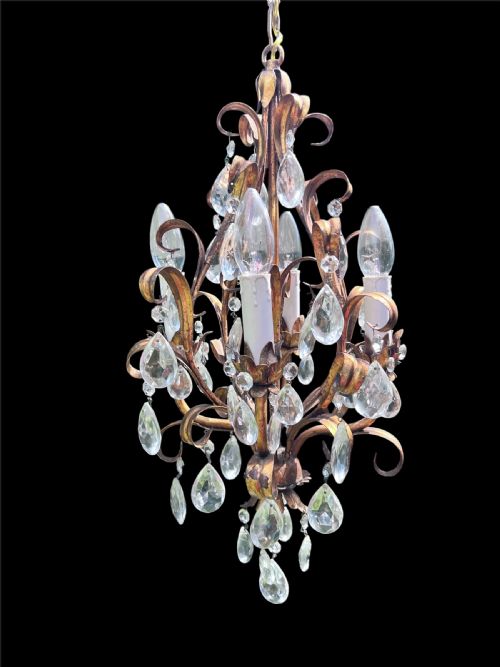
You are most likely to encounter wrought iron and cast iron frames paired with glass panels, crystal drops, or gilt metal accents. Many examples incorporate steel, brass, and coloured glass components that reflect early twentieth-century manufacturing methods.
How they were made
The construction of these hanging fixtures relies heavily on forged metals, with blacksmiths utilising wrought iron and cast iron to build rigid structural frames. Artisans shaped metal bars by hand, welding or riveting sections together to form lanterns, cages, and chandelier branches.
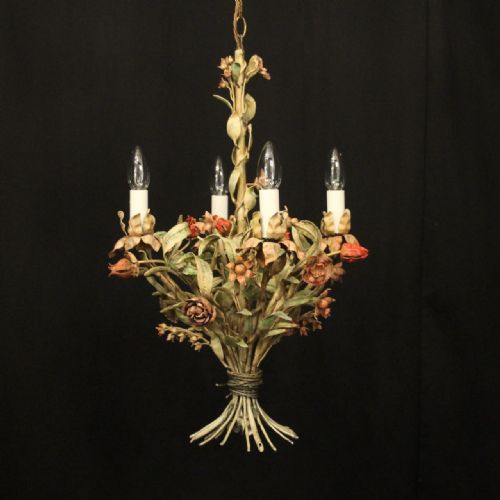
Makers integrated decorative elements such as gilt leaf, polychrome paint, and applied brass or zinc details onto the iron skeletons. Glazed panels, leaded glass, and cut crystals were then fitted into the metal frameworks to diffuse light from internal candles or early electrical bulbs.
Listings feature items from the 1880s through to the 1930s, utilising wrought iron, cast iron, steel, brass, and glass.
What varies in quality
The standard of a piece rests heavily on the dexterity of the metalwork and the integration of decorative components. Blacksmith-made frames show individual hammer marks and deliberate shaping that distinguish them from mass-produced foundry castings.
Subtleties in finish also separate examples, such as the application of genuine gilding, polychrome detailing, and the quality of associated glass panels or crystal fruits. The coherence between the iron structure and secondary materials like brass, zinc, or gilt metal determines the visual depth of the fixture.
Verrerie Des Vosges·Schneider
The Antique Iron Pendant Glossary
- Wrought iron
- A tough, malleable form of iron containing silicate inclusions, traditionally worked by hand on an anvil. It allows for the creation of slender, decorative scrolls and strong structural frames.
- Hall lantern
- An enclosed ceiling fixture designed specifically for entranceways and corridors. These typically feature glazed sides to protect the light source from draughts.
- Polychrome
- Painted or decorated in several colours. This finish appears frequently on iron and toleware light fittings to add decorative contrast.
- Toleware
- Painted or enamelled sheet metal items produced to mimic more expensive materials. In lighting, it brings colourful, opaque finishes to shades and body components.
- Cast iron
- Iron melted and poured into a mould to take on complex shapes. It offers less malleability than wrought iron but allows for uniform production of heavy decorative elements.
Antique Iron Pendant: Frequently Asked Questions
How do I hang a heavy iron pendant?
These fixtures require secure fixing directly into ceiling joists or structural timber using appropriate fixings rated for the combined weight of metal and glass.
Professional electrical installation is recommended to safely handle the wiring of older frames and ensure the suspension chain or rod bears the load correctly.
Can I use modern light bulbs?
Most antique fixtures accept modern LED bulbs provided the Edison screw or bayonet fitting matches the existing lamp holders. It is advisable to check the internal wiring and socket condition before fitting modern lamps.
Lower wattage LED bulbs prevent excessive heat buildup inside enclosed lanterns and glass shades.
How do I clean an iron and glass pendant?
Dust the iron framework regularly with a soft, dry cloth to prevent grime accumulation on textured or painted surfaces. Glass panels and crystal drops can be removed carefully and washed with mild soapy water.
Avoid harsh chemical cleaners on gilt or polychrome surfaces to preserve the original finishes.
Were these originally for gas or electricity?
Many of the 19th-century and early 20th-century pieces began as candle-lit lanterns or gas fixtures before being converted to electricity later in their operational lives. Evidence of early burners or candle pans often remains visible within the design.
Conversion work was standard practice as domestic properties adopted electrical lighting.