

Antique Inlaid Stand
These antique inlaid stand options bring surface detail and period timber into a room without dominating the floor space.
Antique Inlaid Stand
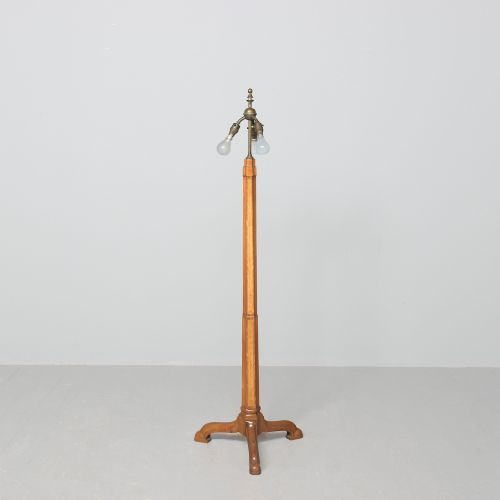
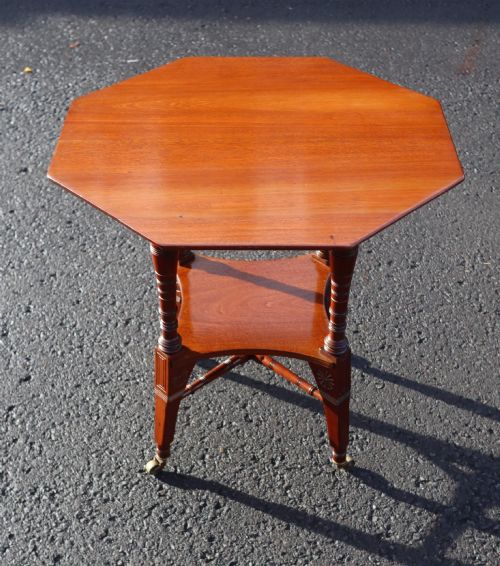
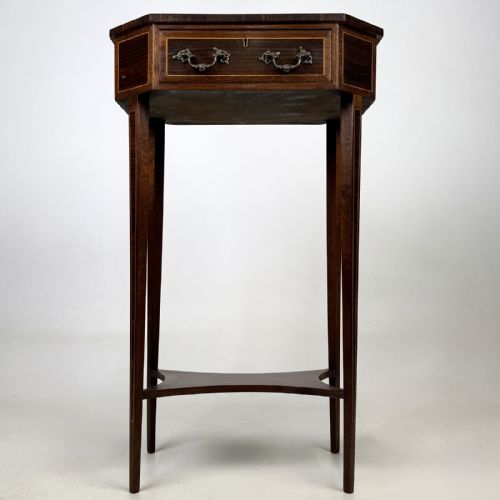
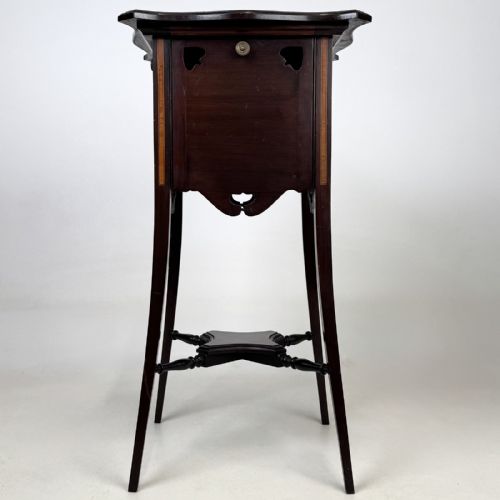
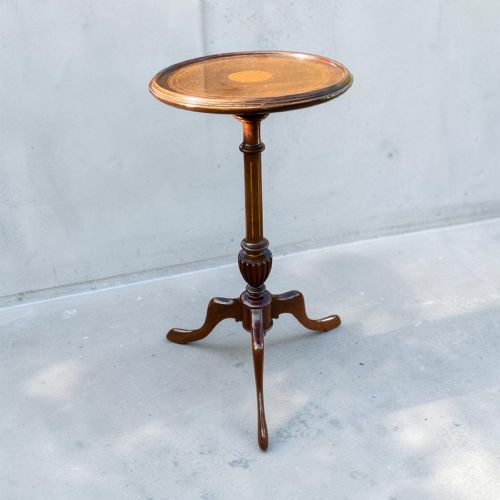
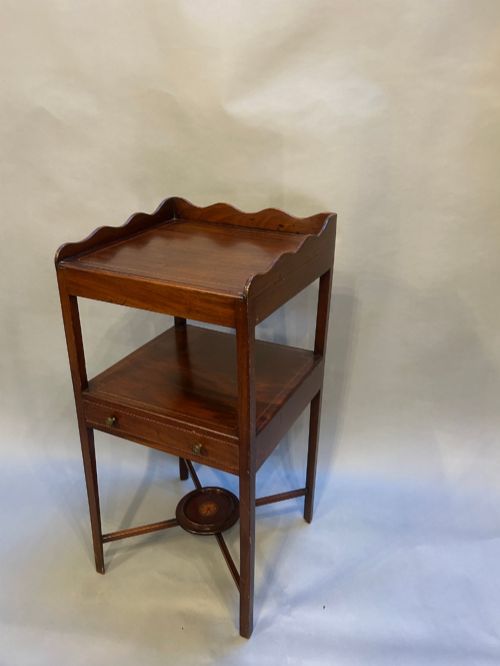
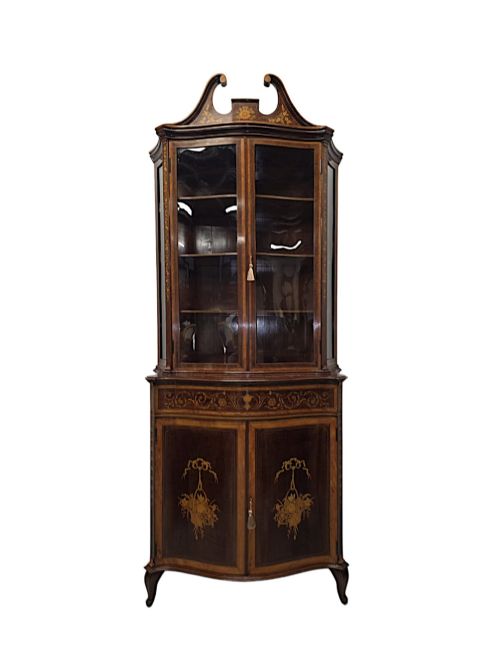
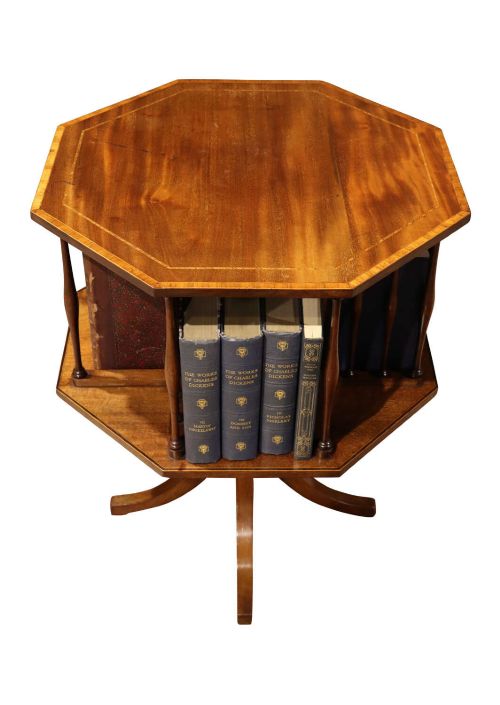
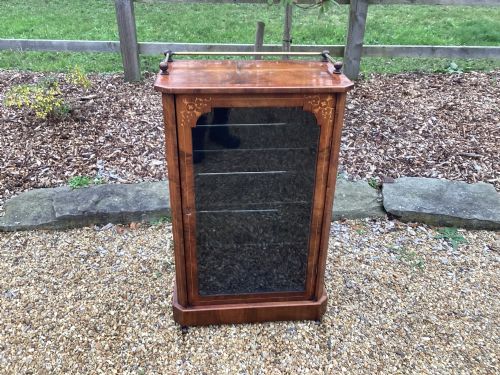
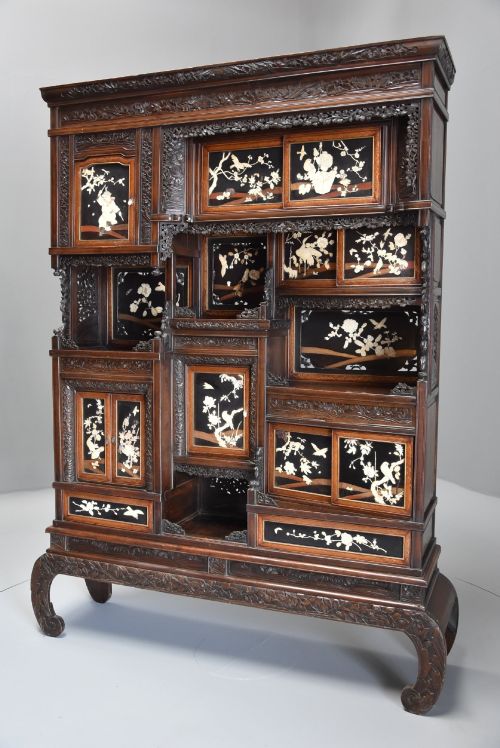
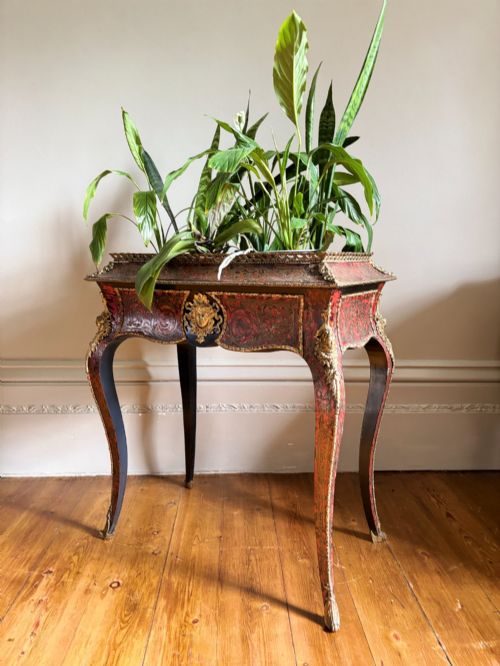
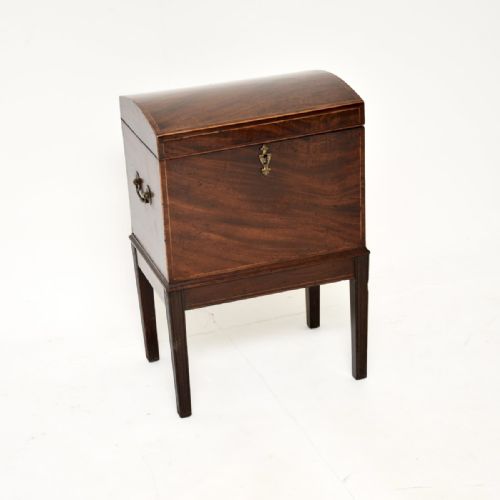
An antique inlaid stand encompasses a variety of compact furnishings designed to elevate objects or fill smaller spaces within a room. You will frequently encounter Edwardian and nineteenth-century examples taking the form of plant stands, lamp tables, or corner units.
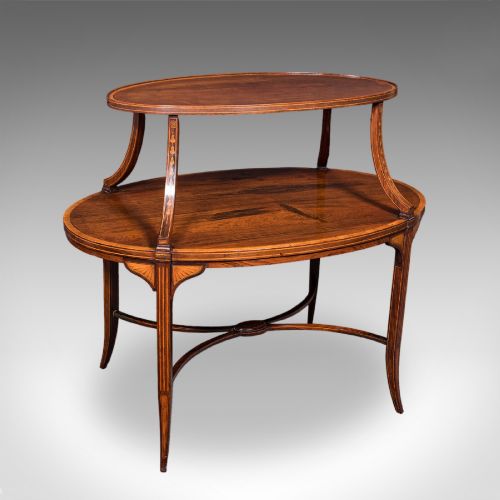
The selection ranges from occasional wine tables and two-tier étagères to dressing stands and display pedestals. Makers often utilised structural forms with cabriole legs, raised galleries, or spade feet to support the timber tops.
While some pieces serve a purely functional role for lamps or bedside storage, others function as decorative display surfaces. The forms draw upon Georgian, Victorian, and Sheraton Revival design traditions.
How they were made
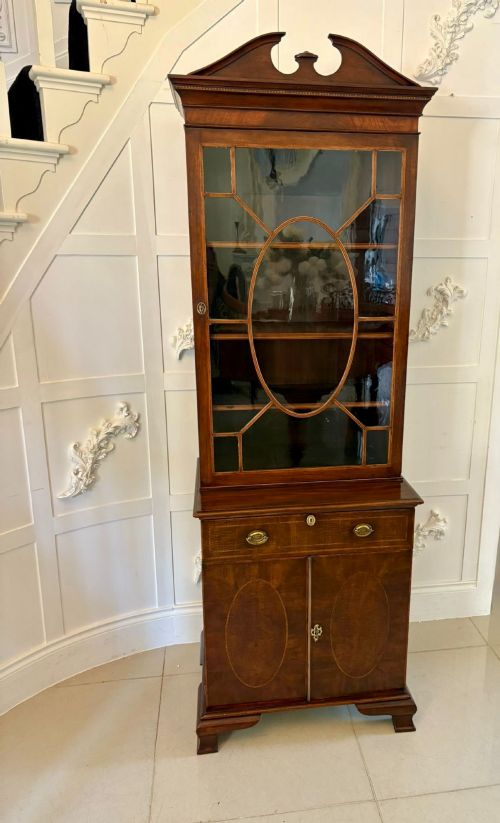
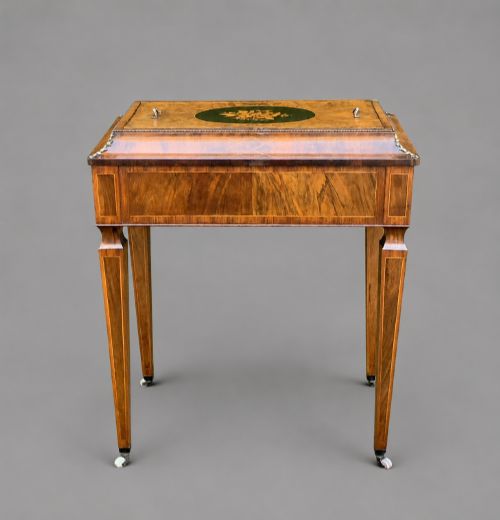
Construction relies heavily on dense hardwoods such as mahogany, walnut, and satinwood, frequently chosen for their stable grain and rich natural tone. Cabinet makers applied contrasting wood inlay and marquetry to create geometric patterns, foliage, or floral motifs across the surfaces.
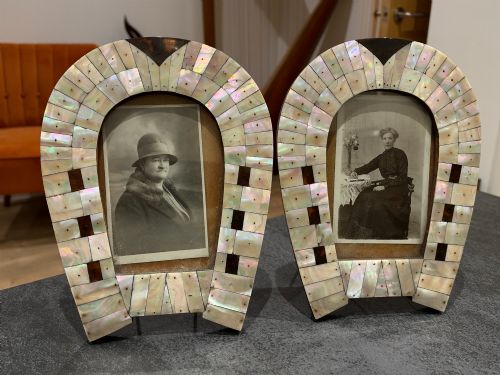
Additional decorative elements include brass fittings, mother of pearl accents, and porcelain plaques set into the timber framework. French polishing or traditional oil finishes sealed the wood while highlighting the depth of the grain and the precision of the inlay work.
Antique Inlaid Stand Retail Price Guide 2026
Typical asking prices for inlaid stand among the pieces listed under this phrase on Sellingantiques today, from the lower quarter to the upper quarter. They describe what is for sale here now, not the wider market.
Listings feature mahogany, satinwood, walnut, and burr walnut alongside decorative brass and mother of pearl elements.
What varies in quality
The distinction between standard domestic production and superior workshop output lies in the crispness of the timber inlay and the selection of figured veneers. Burr walnut, satinwood, and rosewood require skilled hand-cutting to ensure flush joints and harmonious grain patterns.
Structural integrity also separates the grades, visible in the stability of leg joints, the retention of original brass or wooden hardware, and the neatness of crossbanding. Pieces retaining their original surface patination demonstrate careful historical maintenance.
Flashman & Co·Waring and Gillow·Trevor Page & Co·JS Henry
The Antique Inlaid Stand Glossary
- Inlay
- A technique where pieces of contrasting wood, metal, or shell are fitted into a recess flush with the surrounding surface. This creates decorative patterns across tabletops and cabinet doors.
- Marquetry
- Elaborate pictorial or geometric veneered work applied to a wooden ground. Unlike simple inlay, it covers the entire surface with assembled wood veneers.
- Étagère
- A set of open shelves for displaying small objects or ornaments. These pieces typically feature multiple tiers supported by slender uprights.
- Gallery
- A raised decorative border surrounding the edge of a tabletop or shelf. It prevents small items from rolling off the surface.
- Satinwood
- A lustrous, hard timber with a yellowish golden colour. It was frequently used for fine crossbanding and decorative detailing in late eighteenth and nineteenth-century furniture.
Antique Inlaid Stand: Frequently Asked Questions
What rooms suit an antique inlaid stand?
These compact pieces fit comfortably beside seating in a drawing room, in a hallway for a lamp, or as a corner display surface in a study.
Their restrained footprint allows them to occupy awkward alcoves without crowding the surrounding furniture.
How do I care for antique wood finishes?
Keep wooden surfaces away from direct sunlight and heat sources to prevent the timber and veneer from drying out or splitting.
Apply a traditional beeswax polish occasionally and buff gently with a soft cloth to maintain the natural sheen.
How do I distinguish Edwardian from Victorian pieces?
Victorian examples tend to display heavier proportions, darker walnut or mahogany timbers, and dense carved or inlaid decoration.
Edwardian pieces often favour lighter satinwood, slender cabriole legs, and more restrained Sheraton Revival influences.