





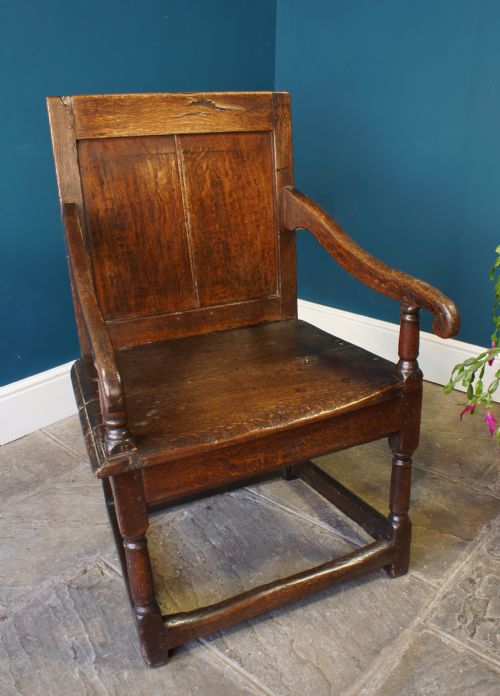


Antique Heavy Armchair
An antique heavy armchair demands space and commands a room through solid timber construction and imposing scale.
Antique Heavy Armchair
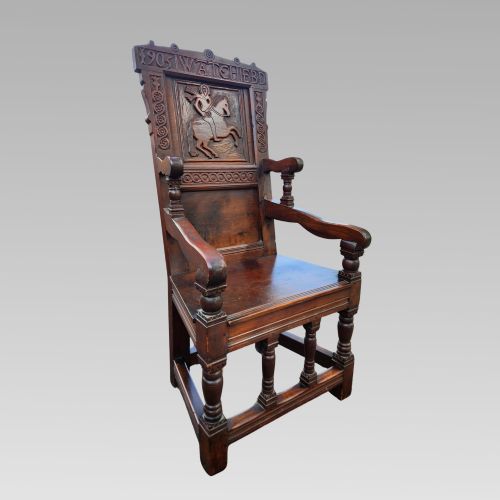
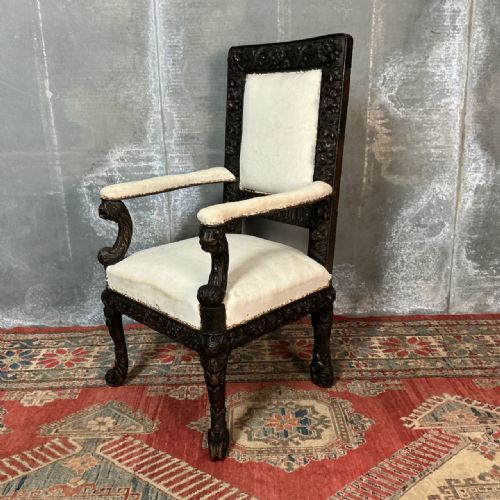
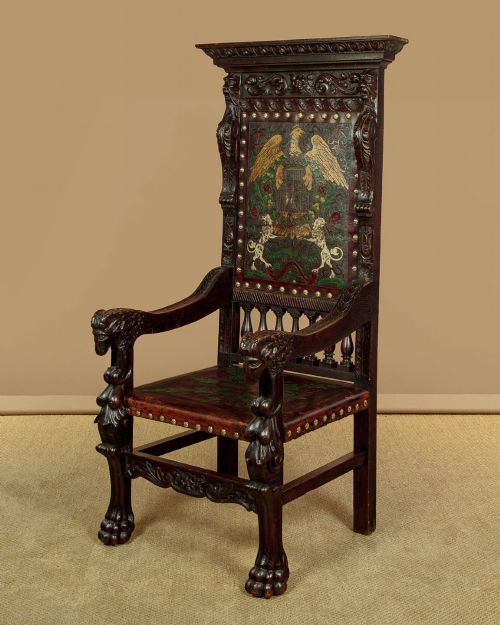
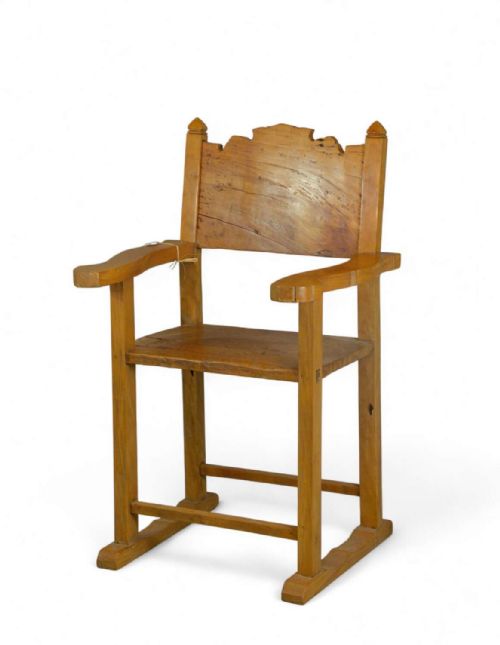
An antique heavy armchair encompasses substantial seating forms designed to dominate an interior through sheer physical mass and presence. The search phrase covers robust seating types ranging from early panel-backed wainscot chairs to towering Victorian throne and hall chairs.
Buyers meet sturdy examples fashioned predominantly from oak, often exhibiting historical revival styles such as Jacobean, Gothic, and Renaissance. These pieces serve as functional seats of authority or decorative focal points within libraries, halls, and studies.
Materials and Construction
Makers relied heavily on solid oak and dense hardwoods joined with traditional methods to support the substantial weight and deep carvings of these chairs. Leather, velvet, and textile upholstery frequently add a tactile element to the timber frames.
Brass studs and decorative metalwork appear alongside intricate hand-carved motifs like hound figures and heraldic designs. Structural integrity comes from heavy framing, high backs, and robust arm supports built to endure centuries.
Antique Heavy Armchair Retail Price Guide 2026
Typical asking prices for heavy armchair among the pieces listed under this phrase on Sellingantiques today, from the lower quarter to the upper quarter. They describe what is for sale here now, not the wider market.
Current listings feature oak as the dominant timber across periods from the seventeenth century through the twentieth century.
Distinctions in Quality
Depth and crispness of hand-carved detail separate ordinary production from exceptional pieces. Superior examples display spirited carving on panels and armrests, executed with confidence and anatomical correctness where figures appear.
Proportion and architectural balance dictate the visual success of massive seating. Finer chairs maintain harmonious scale despite their heavy timber construction, whereas lesser items can appear clumsy or disproportionate.
S&H Jewell
The Antique Heavy Armchair Glossary
- Wainscot chair
- An early English wooden armchair constructed primarily from oak with panelled backs and solid timber seats. These pieces date back to the seventeenth century and earlier.
- Throne chair
- An imposing armchair featuring an elevated back, often richly carved and upholstered, designed to impart authority and status to the sitter.
- Gothic Revival
- A nineteenth-century design movement that drew inspiration from medieval architecture, introducing pointed arches, tracery, and solemn motifs to furniture.
- Baroque Revival
- A style characterised by ornate ornamentation, heavy proportions, and dramatic sculptural elements inspired by seventeenth-century continental design.
- Turned chair
- An early form of seating constructed chiefly from turned wooden spindles and members, sometimes associated with traditional vernacular makers.
Antique Heavy Armchair: Frequently Asked Questions
What is a wainscot chair?
A wainscot chair is an early form of wooden armchair constructed from solid oak with panelled backs and substantial wooden seats. These pieces date back to the seventeenth century and represent some of the earliest vernacular seating.
They derive their name from wainscot oak, a fine grade of timber imported from the Low Countries for panelling and furniture making. Their sturdy construction allowed them to survive centuries of domestic use.
How do I style a heavy armchair?
A heavy antique armchair requires a room with adequate proportions and physical space to balance its imposing scale. Placing one in a study, library, or hallway allows the solid timber and carving to function as a focal point.
Pairing the chair with plain walls and simpler furnishings lets the architectural details and historical character stand out without visual competition. Avoid crowding smaller spaces with massive seating forms.
Are these chairs comfortable?
Early wooden armchairs and heavy hall chairs were built primarily for posture, authority, and durability rather than deep lounging comfort. Many feature rigid wooden seats and high upright backs designed to keep the sitter alert.
Later Victorian and revival examples often incorporate upholstered leather or velvet pads on the seat and back to soften the firm wooden frame. Adding a loose cushion can improve comfort for modern daily sitting.
How do I identify Gothic revival features?
Gothic revival heavy armchairs display architectural motifs borrowed from medieval churches and cathedrals. Look for pointed arches, trefoils, blind tracery, and elaborate linenfold panelling carved into the oak.
Nineteenth-century makers often embellished these chairs with spirited figural carvings such as hounds, gargoyles, or heraldic shields. The overall silhouette emphasises verticality and solemn grandeur.