




Antique Heart Trinket
An antique heart trinket is a small receptacle fashioned for keepsakes, offering a charming touch of sentiment that collectors prize for personal display.
Antique Heart Trinket
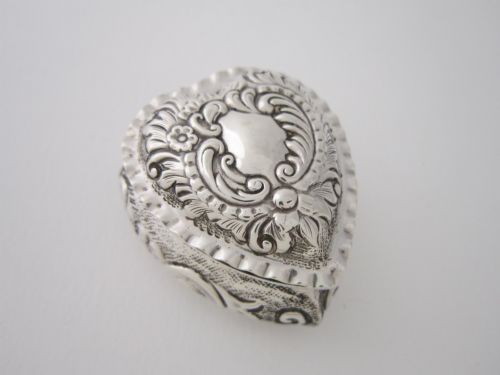
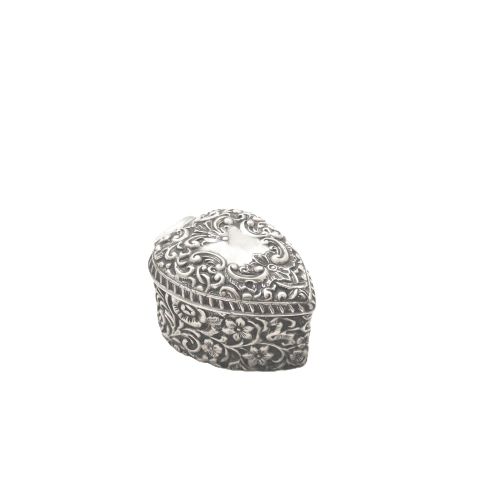
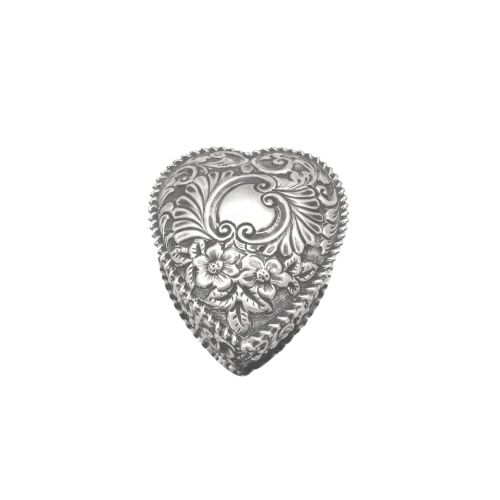
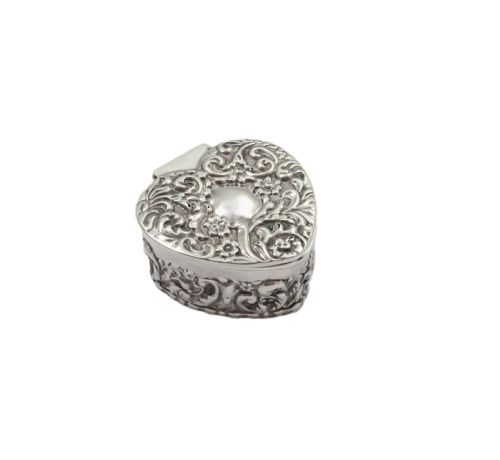
When you search for an antique heart trinket, you encounter a selection spanning the Georgian, Victorian, and Edwardian eras. These pieces take the form of small receptacles, pill boxes, snuff boxes, pot pourri containers, and small dishes designed for intimate keepsakes.
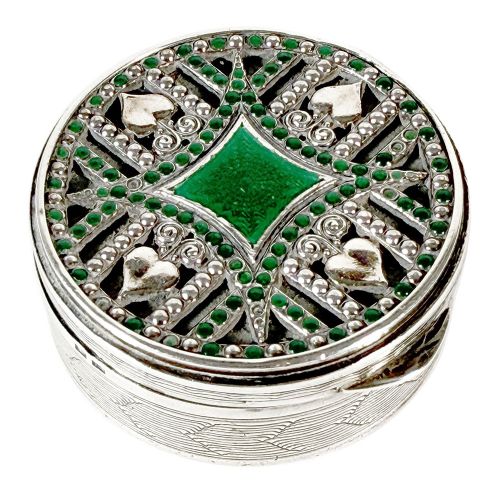
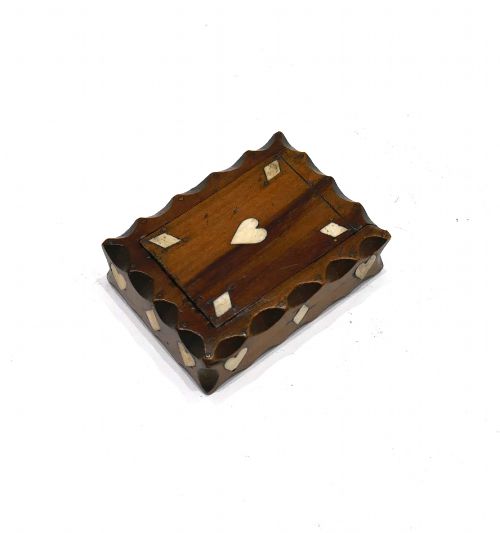
You are most likely to meet silver boxes bearing assay marks from Birmingham or London alongside treen woodwork and cut glass vessels. The heart motif appears across diverse styles, including Victorian folk art, Welsh chip carving, and Art Nouveau enamel work.
How they were made
Silversmiths constructed metal pieces using sterling silver, frequently employing piercing, repoussé, or smooth polishing, whilst enamellers added vibrant colour accents to the surface. Makers of wooden items shaped fruitwood and hardwood, frequently incorporating bone and fruitwood inlay or chip carving to delineate the heart motifs.
Glassmakers utilised cut glass and crystal, pairing their moulded vessels with fitted sterling silver lids or rims. Potters shaped ceramic wares, exemplified by glazed earthenware originating from German factories.
Some nineteenth-century gentlemen kept their snuff securely tucked inside a hand-carved wooden heart.
What varies in quality
The distinction between standard examples and finer pieces lies in the crispness of the chasing on silver or the intricacy of the chip carving on treen. Superior items exhibit clean assay marks, well-fitted hinges that close flush, and undamaged enamel or glass components.
Artisanal skill defines the hierarchy, where named makers and deliberate decorative programmes command greater attention than mass-produced utilitarian containers. The integration of contrasting materials, such as bone inlay within dark fruitwood, elevates the distinction of the work.
William Comyns·George Adam Scheid
The Antique Heart Trinket Glossary
- Treen
- Small handmade wooden domestic objects produced from timber. This term covers items ranging from snuff boxes to small carved containers.
- Assay mark
- A stamp or series of stamps applied to precious metals indicating the standard of silver, the assay office, and the date letter.
- Repoussé
- A metalworking technique where the metal is hammered from the reverse side to form a raised design on the front.
- Chip carving
- A style of relief carving where small triangles or chips are removed from a flat wooden surface to create geometric patterns.
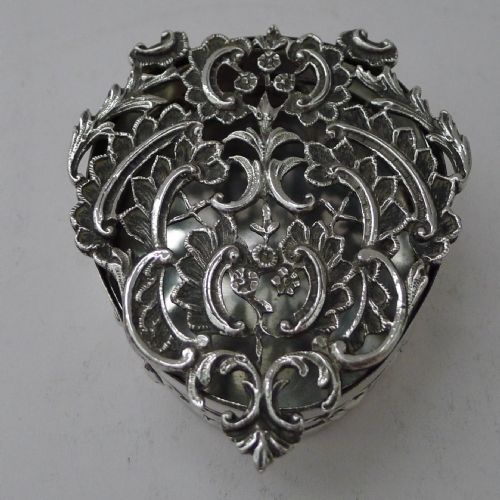
- Pot pourri box
- A small container featuring a pierced or perforated lid designed to diffuse scent from dried flower petals and spices.
Antique Heart Trinket: Frequently Asked Questions
What were antique heart trinkets used for?
These receptacles served practical daily functions as pocket and tabletop containers for snuff, pills, rings, and small mementos. Their intimate scale made them personal accessories carried on the person or kept on dressing tables.
Over time, their utility shifted from utilitarian containers to decorative display pieces, prized as tokens of affection or sentimental keepsakes.
How do I care for silver heart trinkets?
Silver pieces benefit from gentle cleaning with a soft cloth to maintain the metal without removing the character built over decades. Avoid harsh chemical dips that strip away the natural patina accumulated on older surfaces.
Wooden treen examples require stable humidity and occasional light conditioning to preserve the fruitwood and prevent the bone inlay from drying out.
How can I tell Victorian from Edwardian boxes?
Victorian silver boxes often display heavier, ornate repoussé work, floral motifs, or dark, rich patination. Assay marks provide the precise year of manufacture for pieces produced in Birmingham or London.
Edwardian and Art Nouveau examples frequently introduce cleaner lines, enamelled details, or flowing organic shapes characteristic of the early twentieth century.
Are wooden and glass boxes genuine antiques?
The materials and construction methods, such as hand-cut crystal and traditional chip carving on fruitwood, point to nineteenth-century and earlier craftsmanship. Examining the hinges, wear patterns, and internal construction confirms their age.
Documented examples often include specific regional characteristics, like Welsh folk art carving or English treen work from the Victorian period.