

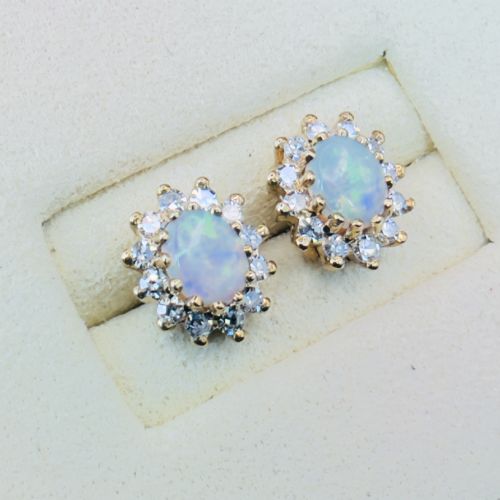
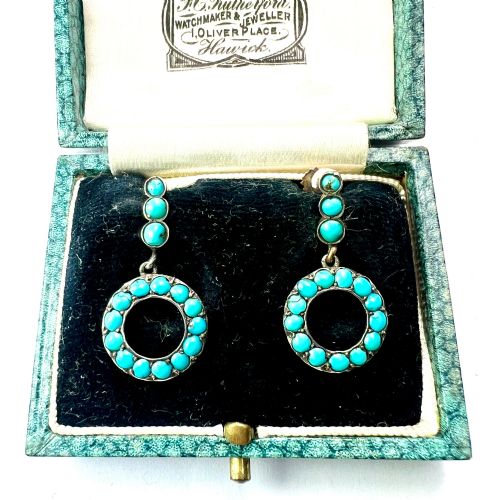


Antique Halo Earrings
Antique halo earrings bring together a central gemstone encircled by smaller stones, offering timeless elegance across periods from the Victorian era to the mid-century.
Antique Halo Earrings
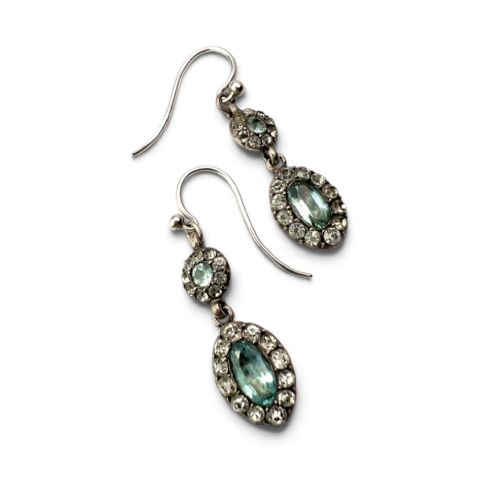
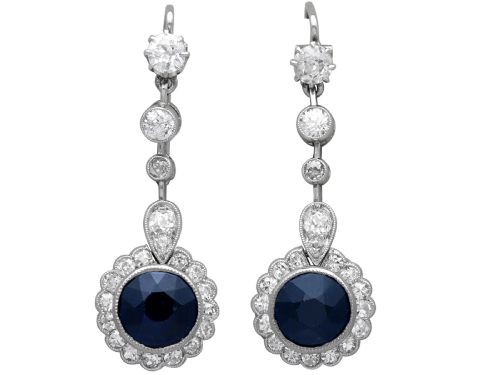
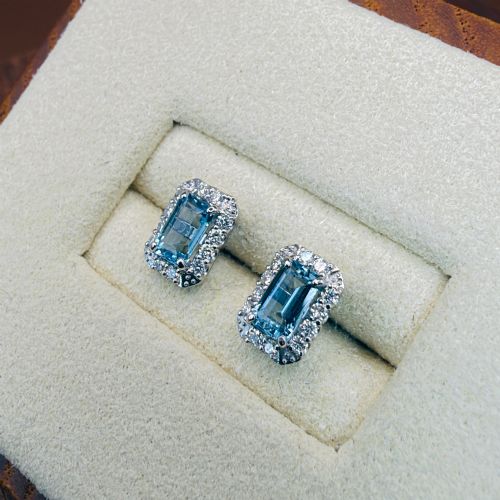
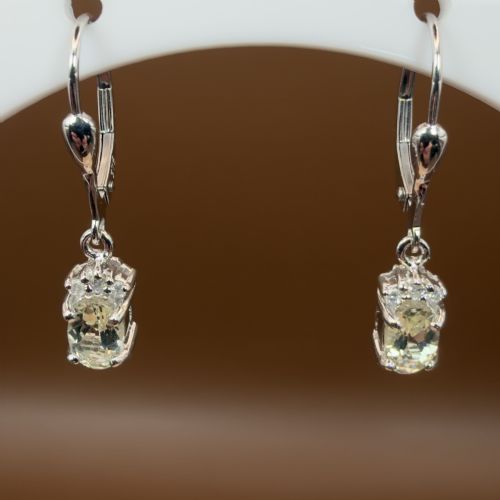
Antique halo earrings feature a distinct design where a central stone is ringed by a border of smaller accent stones, creating a brilliant frame that catches the light from every angle. When searching for antique halo earrings, buyers encounter a rich variety of forms including clustered studs, dangling drops, and hinged hoops.
The pieces appearing on this page span several distinct eras, with Victorian, Edwardian, and 1930s Art Deco examples forming the backbone of the selection. Alongside diamond centerpieces, buyers find colourful variations showcasing sapphire, garnet, aquamarine, emerald, turquoise, and pearl.
Earring formats range from delicate screwback and clip designs for non-pierced ears to traditional post studs and secure drop fixtures. These configurations reflect the changing fashions of the nineteenth and twentieth centuries, adapting to the social habits and hairstyles of each decade.
Materials and construction methods
Craftsmen utilised precious metals such as platinum, silver, and various karats of yellow, white, and rose gold to set the stones securely. Platinum gained favour in the Edwardian and Art Deco periods for its strength and delicate appearance, whilst earlier Victorian pieces often paired silver settings with gold shanks.
Stones were typically hand-cut, employing old mine cuts, rose cuts, or early brilliant cuts that display softer facets than modern machine-cut gems. Metalwork frequently incorporated intricate detailing like millegrain edges, silver gilt, and finely cast cluster mounts to enhance the visual impact of the central gem.
Antique Halo Earrings Retail Price Guide 2026
Typical asking prices for halo earrings among the pieces listed under this phrase on Sellingantiques today, from the lower quarter to the upper quarter. They describe what is for sale here now, not the wider market.
Some Victorian makers hid tiny seed pearls within green tourmaline clusters, ensuring the wearer carried a miniature garden wherever they went.
Distinguishing quality in the range
The distinction between standard examples and finer pieces often lies in the calibre of the central gemstone and the precision of the surrounding stone arrangement. Superior items display well-matched accent stones with consistent colour and clarity, set evenly to form a harmonious border.
Execution of the metalwork also separates the tiers, with high-end pieces showing crisp hand-finished details, secure prong settings, and robust mechanisms on screws, clips, or drops. The integrity of the original mounts and the presence of verified gemstone types further elevate the standing of a piece.
The Antique Halo Earrings Glossary
- Halo
- A circular or geometric arrangement of smaller gemstones surrounding a larger focal stone. This setting style maximises the perceived size and brilliance of the centre gem.
- Millegrain
- A decorative technique featuring a line of tiny raised metal beads along the edges of a setting. It was especially popular during the Edwardian and Art Deco periods to soften metal outlines.
- Old cut
- A diamond facet style cut by hand before modern optical precision standards were established in the twentieth century. These stones typically exhibit smaller tables and higher crowns.
- Paste
- A heavy, highly refractive lead glass used as a substitute for gemstones in historic jewellery. Antique paste pieces possess their own distinct historical charm and fine hand-set quality.
- Screwback
- A mechanical earring finding utilising a threaded post and a small nut to secure the piece on unpierced lobes. This closure was common throughout the Victorian and mid-century eras.
Antique Halo Earrings: Frequently Asked Questions
How do I care for antique halo earrings?
Clean these delicate pieces gently using a soft brush and warm soapy water, avoiding harsh ultrasonic cleaners that can loosen old settings or damage softer gems like pearls and turquoise.
Store them individually in lined boxes to prevent the metal and stones from scratching one another when not being worn.
Were all antique halo earrings for pierced ears?
Many examples from the Victorian period onwards were constructed with screwback or clip mechanisms designed specifically for unpierced lobes. Piercing conventions fluctuated throughout history, leading makers to adapt their fastenings accordingly.
Conversion from screwbacks to posts is sometimes performed, though retaining original mechanisms preserves the historical integrity of the piece.
How can I tell an Edwardian halo from an Art Deco one?
Edwardian halo earrings often utilise platinum and yellow gold with flowing, lace-like motifs inspired by garlands and nature, frequently featuring softer rose cut diamonds. Art Deco pieces embrace geometric symmetry, stark platinum settings, and bolder coloured gemstones like sapphires and emeralds.
Examining the underlying metalwork and fastening style usually clarifies the transition between these two design movements.
What does basaltic sapphire mean in a listing?
Basaltic sapphires originate from alkali basalt geological sources, typically displaying deep, saturated blue hues with distinct undertones. These stones were frequently utilised in early twentieth-century cluster designs to provide a strong contrast against surrounding diamonds.
Their characteristic depth of colour anchors the visual weight of the halo arrangement.