
Antique Gold Studs
These antique gold studs span multiple eras from the Georgian period through to the mid-century, offering enduring style and wearable craftsmanship.
Antique Gold Studs
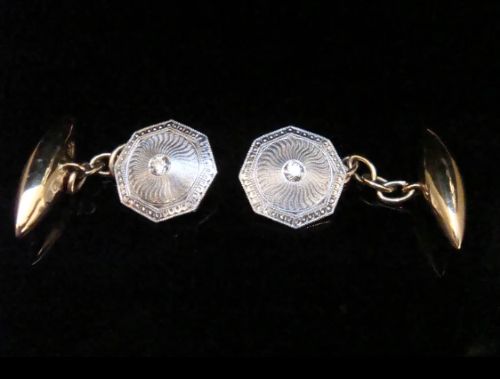
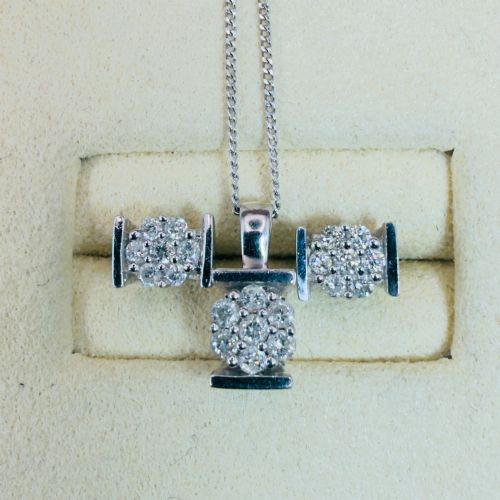
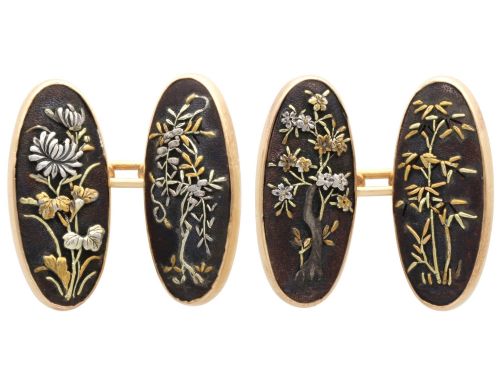
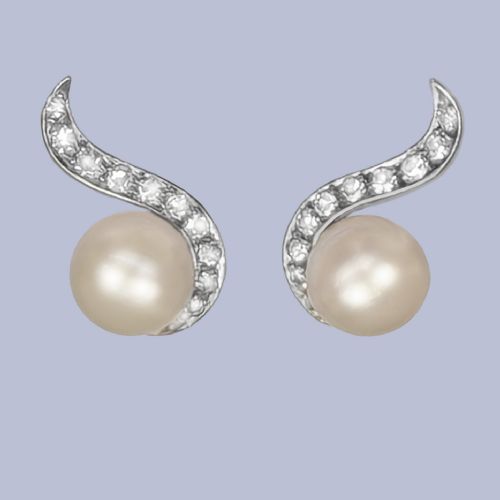
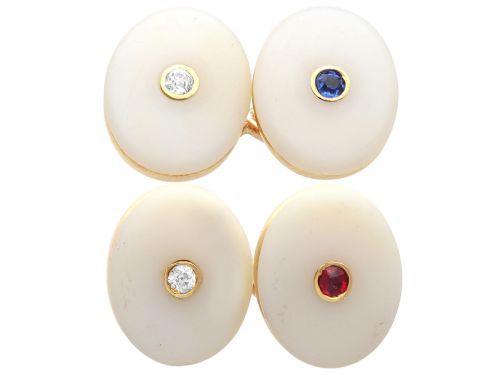
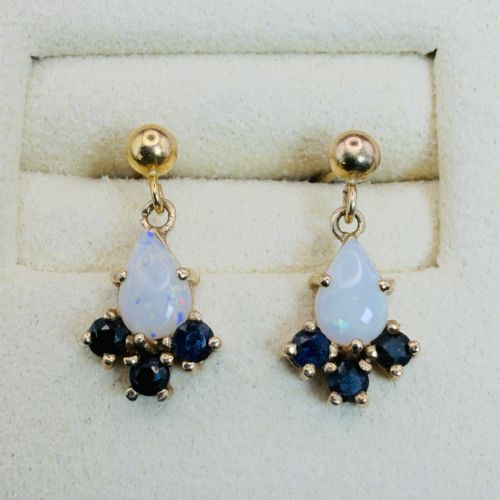
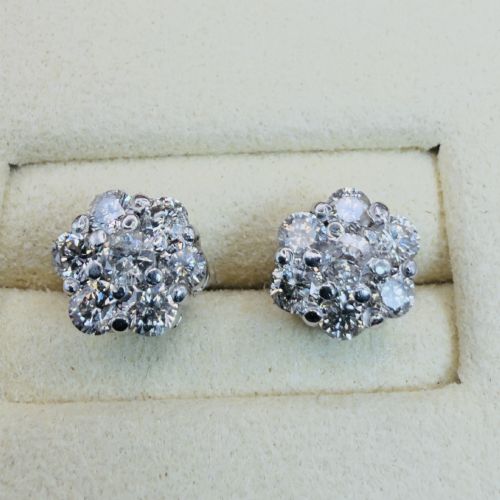
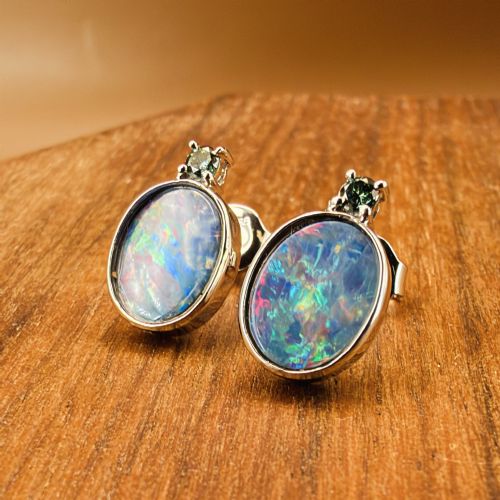
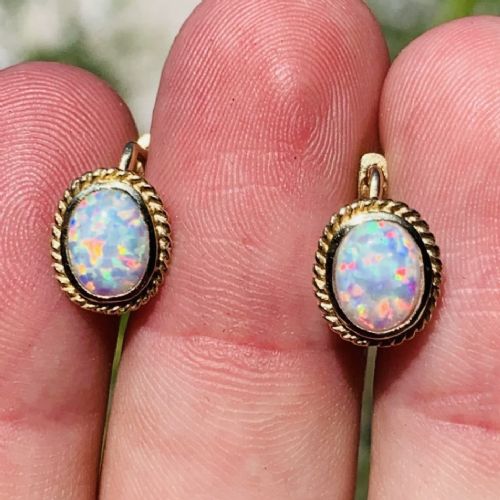
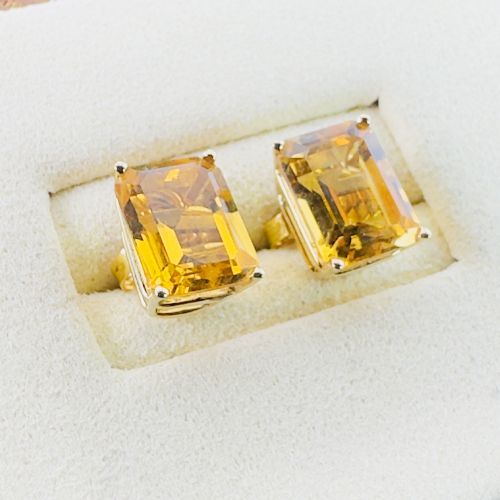
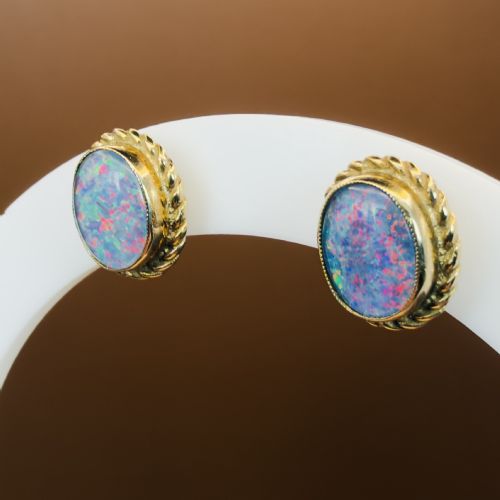
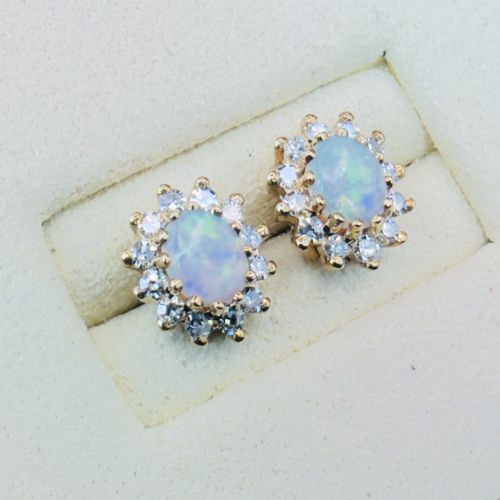
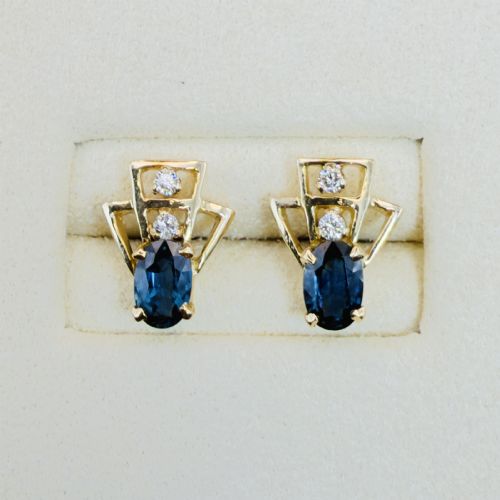
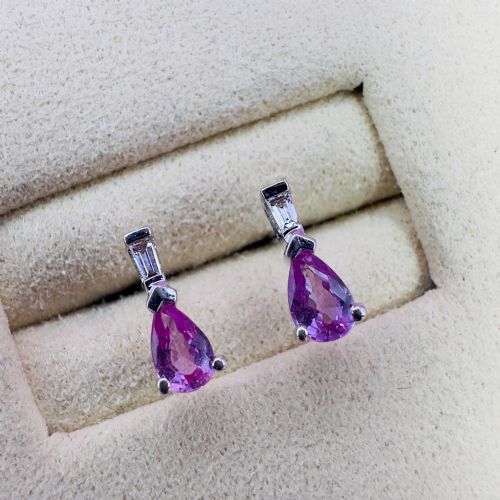
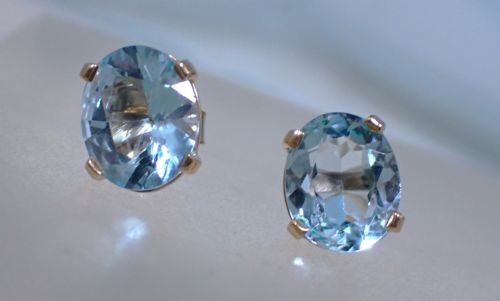
When you search for antique gold studs, you are looking at a diverse selection of fastened adornments including traditional dress studs, shirt studs, and close-fitting stud earrings. The forms here range from simple gem-set clusters to intricate cufflinks and convertible dress sets.
You are most likely to meet Victorian and Art Deco pieces on this page, alongside Edwardian and mid-century examples. The selection draws on various gold purities from 9ct to 18ct yellow and white gold, often paired with silver or platinum accents.
The inventory extends across small wearable items and occasional larger decorative pieces that share naming conventions or materials. Buyers typically seek these items for their distinct period character and the quality of their small-scale metalwork.
Materials and technique
The pieces are constructed predominantly from yellow and white gold in 9ct and 18ct standards, frequently combined with platinum or silver settings to enhance gemstone security. Metals are often worked into filigree, engraved patterns, or cast mountings typical of their respective decades.
Gemstones such as diamonds, garnets, amethysts, pearls, and sapphires are flush, bezel, or cluster-set into the metalwork. Techniques range from hand-engraving and enamel work to specialised screw-back and screw-on fastenings found on earrings and cufflinks.
Mistletoe leaves, glass serpents, and birds provide a delightfully botanical and zoological menagerie across the smallest accessories.
Assessing quality
Quality in these items rests upon the crispness of the metal fabrication and the secure setting of stones like rose-cut diamonds, garnets, or pearls. Finer pieces demonstrate superior hand-finishing, well-preserved hallmarks, and intact original mechanisms for screws and closures.
The distinction between ordinary and exceptional work lies in the delicacy of the filigree, the matching and cut of the gemstones, and the absence of clumsy repairs. Maker marks from established workshops further elevate the standing of individual pieces.
Solomon Blanckensee Son·R Lalique·Deakin Francis·Abraham Meyer Blanckensee
The Antique Gold Studs Glossary
- Dress stud
- A small removable fastener historically used for men's formal shirts. They often match a pair of cufflinks.
- Screw-back
- An earring fastening utilising a threaded post and a small nut to secure the piece without pierced ears.
- Guilloche
- An intricate mechanical engraving technique producing precise, repetitive patterns beneath translucent enamel.
- Filigree
- Delicate ornamental work of fine wire, usually gold or silver, formed into open tracery patterns.
- Rose-cut
- An antique gemstone cut featuring a flat base and a domed crown composed of triangular facets.
Antique Gold Studs: Frequently Asked Questions
How do I wear antique studs?
Antique stud earrings and dress studs integrate easily into modern wardrobes as subtle daily accents or formal accessories. Ensure that screw-back or push-back mechanisms are handled gently when fastening.
For shirt or collar studs, check the stem thickness against your buttonholes to prevent straining the antique fabric or metal.
Are these pieces suitable for daily use?
Many of these gold pieces were built for regular wear, particularly sturdy Victorian and Edwardian designs. However, delicate items featuring pearls or soft gemstones require careful handling and should be kept away from harsh chemicals.
Regularly checking settings with a jeweller helps maintain the security of older stones over time.
How can I tell the period?
Dating relies on a combination of gemstone cuts, metal alloys, hallmark stamps, and overall stylistic motifs. For instance, geometric lines point toward Art Deco work, while floral clusters and specific box settings often indicate Victorian or Edwardian origins.
Maker marks and registration numbers provide further documentary clues to a piece's exact decade of manufacture.
What is the difference between studs and drop earrings?
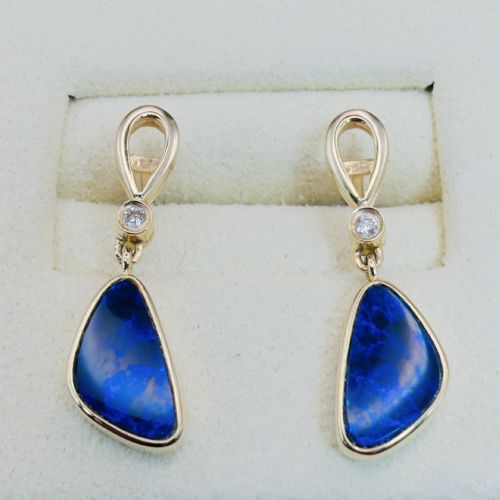
Studs sit directly and snugly against the earlobe without hanging lower, fixed by a post or screw mechanism. Drop earrings incorporate a dangling element that suspends gemstones or metalwork below the earlobe.
Both styles appear frequently across the Victorian, Edwardian, and mid-century selections on this page.