

Antique Gold Cluster
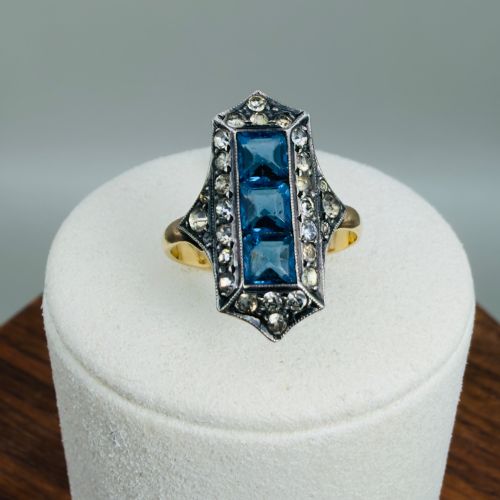
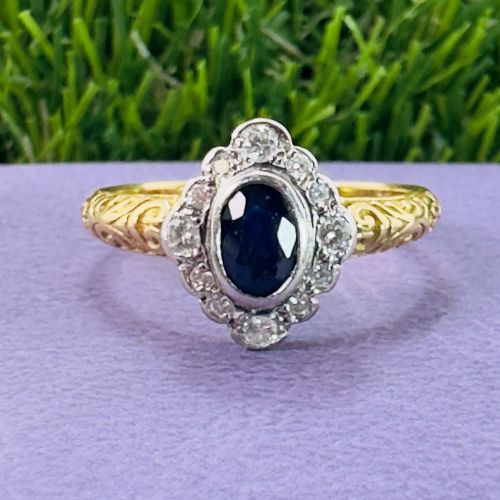
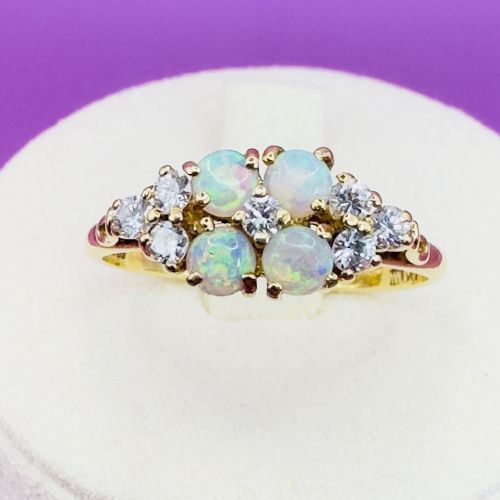
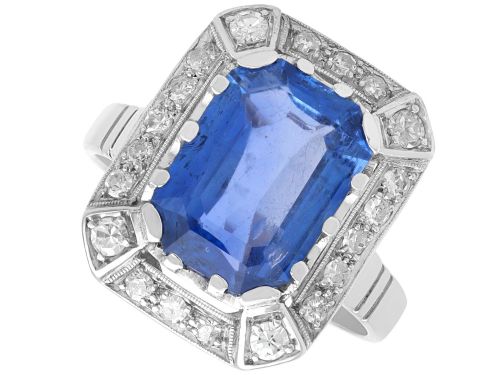
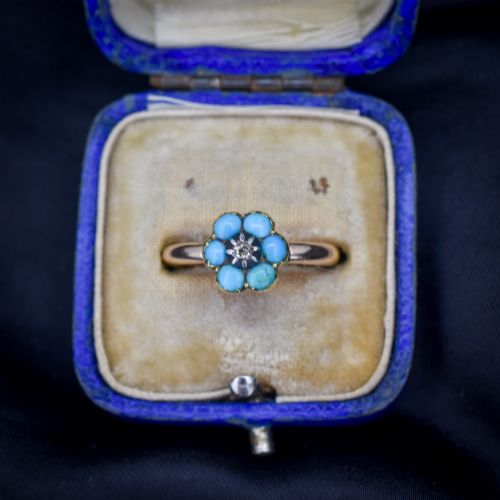
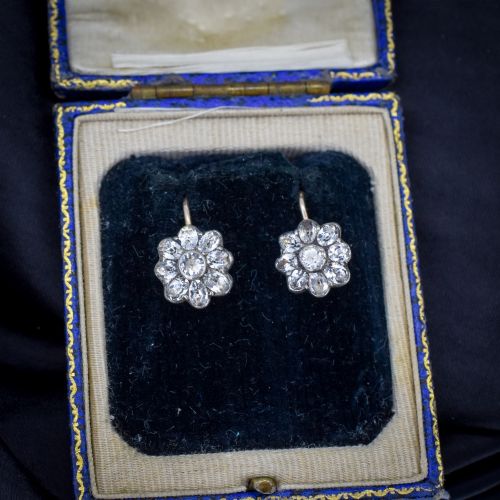
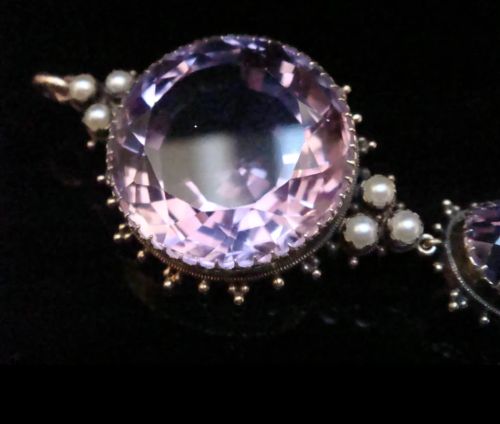
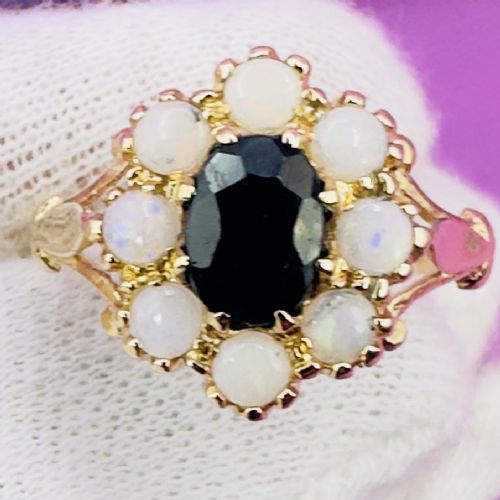
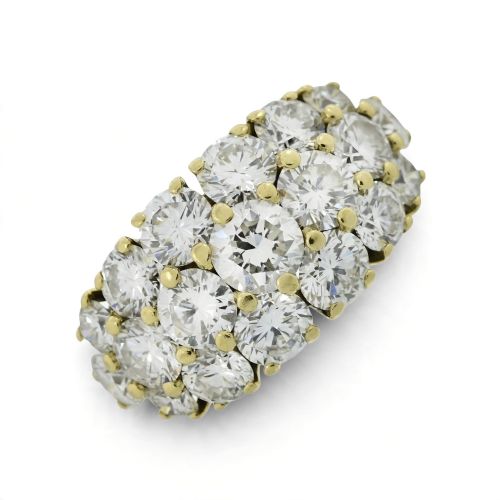
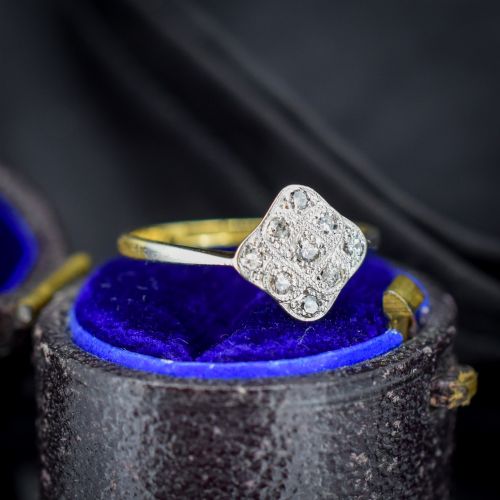
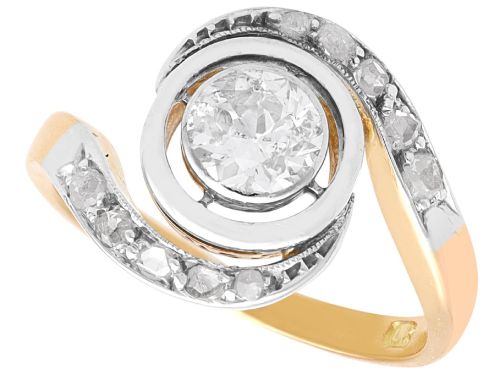
Antique gold cluster jewellery brings together central gemstones surrounded by smaller stones, creating striking floral and geometric configurations from Victorian, Edwardian and Art Deco eras.
Antique Gold Cluster
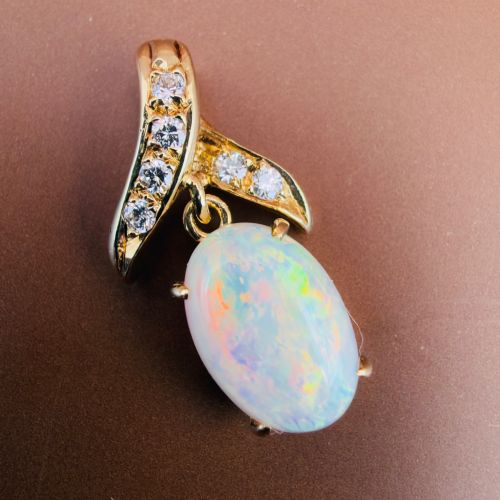
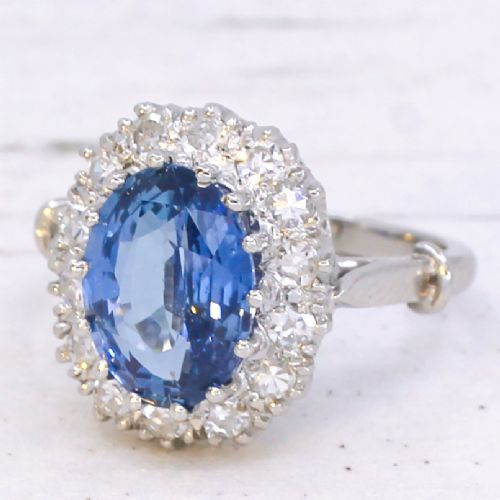
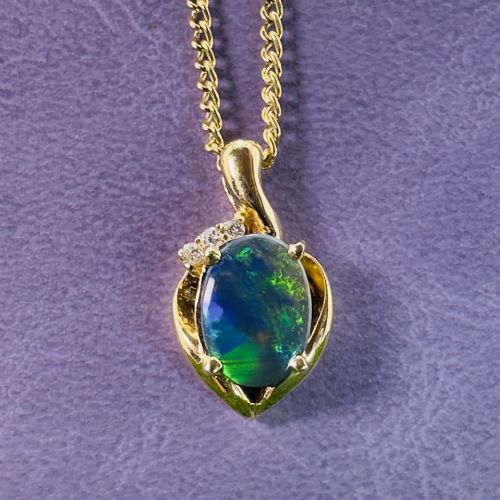
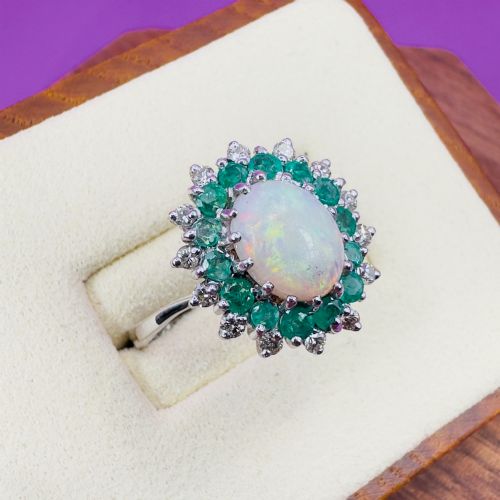
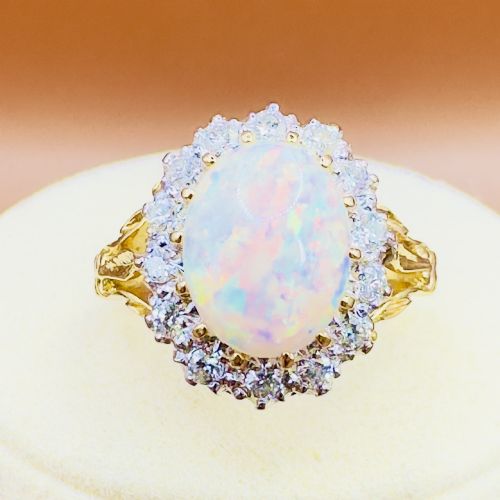
When searching for antique gold cluster pieces, buyers encounter an array of finger rings, brooches, earrings and pendants originating from the Georgian period through to the mid-twentieth century. Rings form the majority of available examples, frequently featuring floral motifs, daisy designs or geometric platforms.
The aesthetic evolves across periods, moving from heavy Victorian garnets and early diamond halos to sleek Art Deco platinum and diamond creations, alongside mid-century sapphire and opal iterations.
Materials and construction
Goldsmiths utilise various alloys including yellow gold, rose gold, white gold, and platinum, often pairing them with silver in earlier Georgian and Victorian settings to enhance the brightness of old-cut diamonds.
Gemstones such as rubies, sapphires, emeralds, pearls, amethysts and spinels are secured around central stones using claw settings, collets or delicate grain settings tailored to the geometry of each cluster.
Antique Gold Cluster Retail Price Guide 2026
Typical asking prices for gold cluster among the pieces listed under this phrase on Sellingantiques today, from the lower quarter to the upper quarter. They describe what is for sale here now, not the wider market.
Current listings span from Georgian and Victorian times through Edwardian, Art Deco, and mid-century periods, utilising gold, platinum, diamonds, sapphires, and rubies.
Factors influencing quality
Quality rests upon the natural provenance and matching of the central and surrounding stones, where unheated rubies, Ceylon sapphires, and well-matched old-cut diamonds elevate a piece significantly.
The delicacy and integrity of the metalwork, whether hand-carved yellow gold shoulders or intricate platinum openwork framing, determine the overall execution of the design.
The Antique Gold Cluster Glossary
- Cluster
- A jewellery design featuring a central gemstone encircled by a ring of smaller accent stones. This arrangement maximises visual impact and light reflection.
- Old Cut
- A precursor to modern brilliant-cut diamonds, characterised by a smaller table, higher crown and open culet. These stones display distinctive broad facets under candle or natural light.
- Boat Ring
- A piece featuring a horizontally elongated navette or boat-shaped setting that sits flat across the finger. This form was particularly favoured during the Georgian and Victorian eras.
Antique Gold Cluster: Frequently Asked Questions
How do I care for antique cluster rings?
Clean these delicate settings gently using warm soapy water and a soft brush, avoiding harsh chemical ultrasonic cleaners that can loosen fragile stones in historic mounts.
Store pieces individually in lined boxes to prevent softer gems like opals and pearls from scratching against harder diamonds.
Can I wear an antique cluster ring daily?
Many sturdy Victorian and Edwardian examples withstand regular wear if checked periodically by a jeweller for loose claws.
Pieces containing softer materials or delicate openwork benefit from being reserved for occasional wear to preserve their structural integrity.
What is an old-cut diamond?
Old-cut diamonds are historic stones cut by hand before modern symmetrical machinery was established. They feature softer, chunkier facet patterns designed to catch ambient light.
These stones provide a distinct, romantic sparkle compared to contemporary brilliant cuts.
How can I tell the period of a cluster ring?
Examine the metal combination, shank shape and gemstone cuts to identify stylistic clues. Yellow and rose gold settings often indicate Victorian or Edwardian origins, while platinum and white gold point towards Art Deco designs.
Hallmarks, when present, offer precise assay office and year markers.