


Antique Glass Scent Flacon
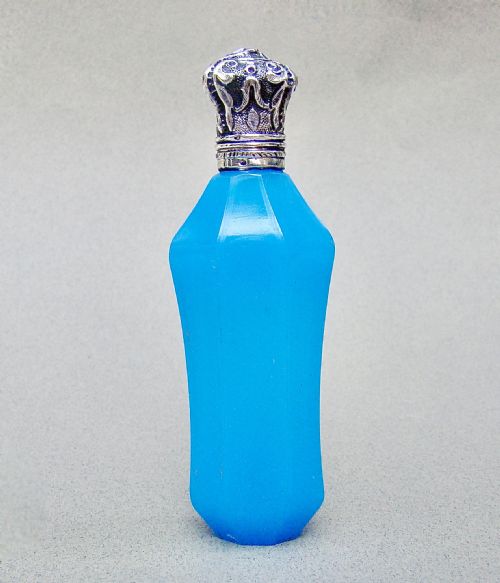
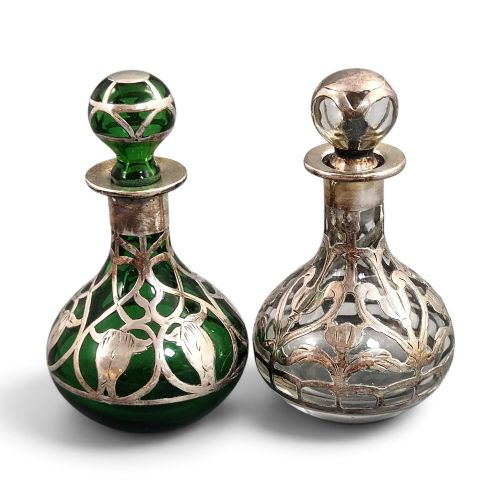
An antique glass scent flacon brings pocket-sized luxury to a dressing table, combining brilliant coloured glass with precious metal mounts.
Antique Glass Scent Flacon
An antique glass scent flacon is a small vessel designed to hold perfume, cologne, or smelling salts, typically fitted with a secure stopper or cap. When you search for this phrase, you encounter portable containers that range from pocket-sized travelling bottles to substantial dresser jars.
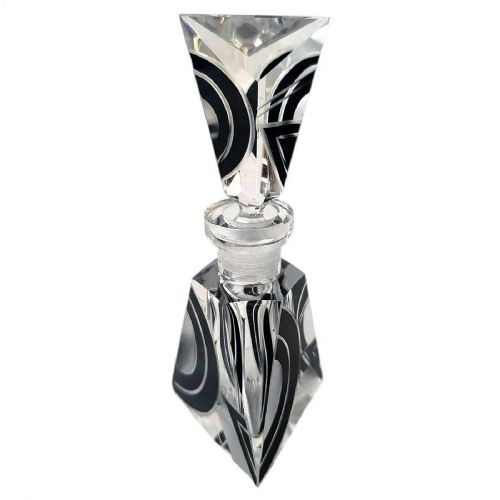
The pieces appearing on this page span the Victorian, Edwardian, and Art Deco periods, with distinct stylistic shifts from ornate 19th-century metalwork to geometric 1930s designs. French workshops, English silversmiths, and Czech glassmakers produced the majority of these vessels.
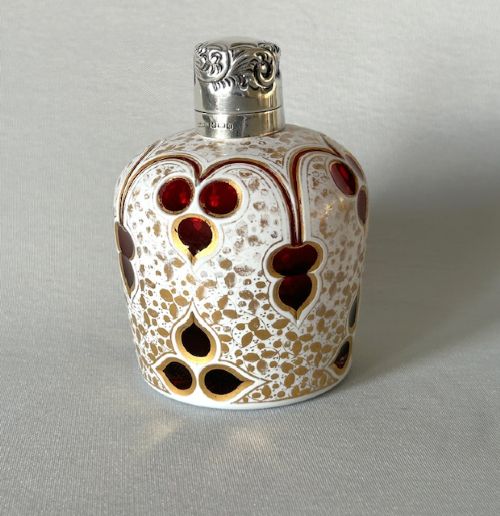
Forms vary from simple cut crystal cylinders to opaline glass eggs, overlay glass flasks, and moulded opalescent creations. Many retain their original silver collars, hinged lids, or fitted presentation cases intended for carriage.
Materials and construction
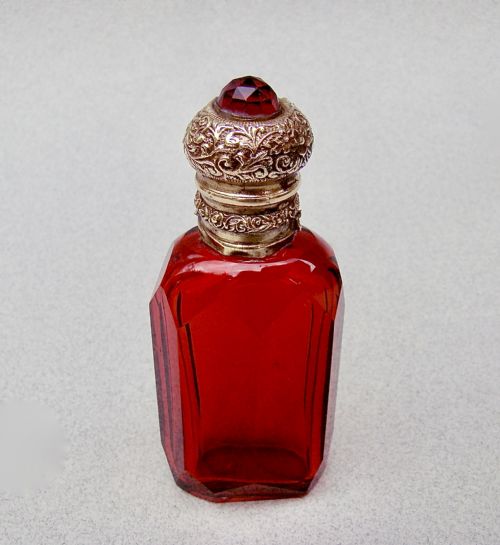
Makers shaped the vessels using lead crystal, coloured glass, opaline glass, or layered overlay glass, often cutting facets into the surface or moulding patterns directly into the molten material. Cranberry, ruby, blue, and turquoise hues appeared through the addition of metallic oxides during manufacture.
Silversmiths and metalworkers added structural integrity and decoration by mounting sterling silver collars, hinged caps, or pierced metal overlays around the glass necks and bodies. Enamel work, tortoiseshell inlays, and gilded highlights further enriched the exteriors of pieces from the Victorian era onward.
The listings span the Victorian, Edwardian, and Art Deco periods, incorporating sterling silver, enamel, and cut glass.
Assessing quality in flacons
Quality rests upon the crispness of the glass cutting, the weight of the crystal, and the integration of the metal mounts. Heavy lead crystal and precise geometric cutting separate standard production bottles from finer examples.
The artistry of the metalwork also defines the tier of the piece, where hand-applied guilloche enamel, detailed silver overlay, and fully matching glass stoppers indicate superior workshop production.
Rene Lalique·Karl Palda·Mappin And Webb·Gorham
The Antique Glass Scent Flacon Glossary
- Flacon
- A small stoppered bottle or flask used for perfume or scent. These vessels often double as decorative dressing table accessories.
- Opaline glass
- An opaque or translucent glass produced in various pale or vibrant colours during the nineteenth century. It frequently formed the base for gilded or silver-mounted scent bottles.
- Guilloche enamel
- Decorative engine-turned metalwork covered with translucent enamel layers. This technique appeared widely on the caps of Art Deco dressing table items.
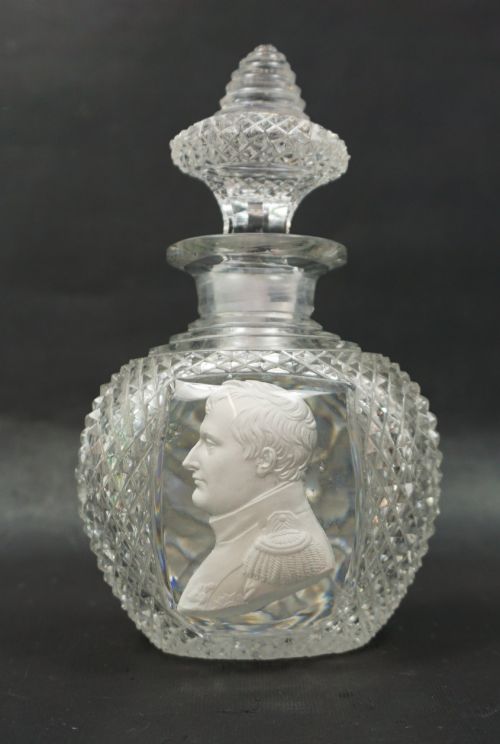
- Sulphide
- A small cameo made of white ceramic or porcelain embedded within clear crystal glass. They usually depict historical figures or portraits.
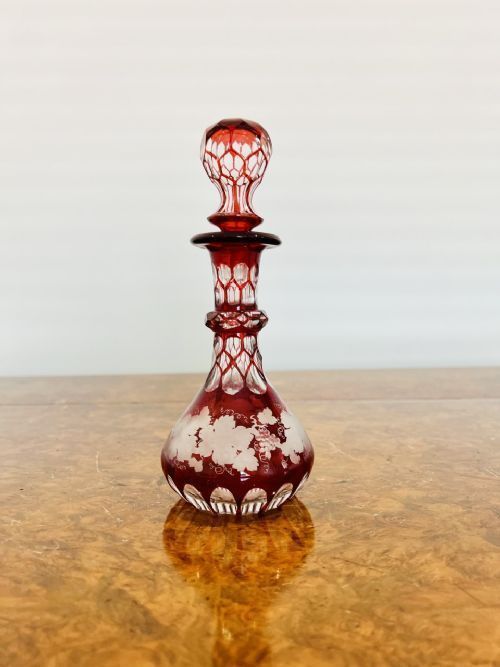
- Overlay glass
- Glass composed of two or more distinct layers of contrasting colours, where portions of the outer layer are cut away to reveal the base colour beneath.
Antique Glass Scent Flacon: Frequently Asked Questions
How do I clean an old scent bottle?
Residue inside antique glass scent flacons is common due to evaporated perfumes left for decades. Gentle warm water and bottle brushes usually clear the interior without harming the glass.
Harsh chemical solvents and ultrasonic cleaners should be avoided because they can damage delicate enamel work, gilt highlights, and sterling silver mounts.
Are the stoppers usually original?
Many surviving bottles retain their matched ground-glass stoppers or hinged metal caps. Ground stoppers were individually fitted to each neck during production.
Replacements do occur because stoppers easily separate from the main body over generations of use, so matching numbers or tight fits indicate originality.
How can I date a scent flacon?
Dating relies on hallmarks stamped on silver collars, the manufacturing style of the glass, and prevailing artistic movements. Victorian pieces often feature ornate floral chasing, while Edwardian examples lean toward lighter silver filigree.
Art Deco items from the 1930s display sharp geometric cutting, moulded motifs, and bold enamel colours typical of Czech and French production.
Were these bottles meant for travel?
Portable cologne bottles and travelling trios featured secure screw caps or locking silver collars to prevent leakage inside luggage. Leather cases often accompanied these pieces.
Larger dresser bottles remained stationary on vanity tables and relied on simple glass stoppers rather than locking mechanisms.