



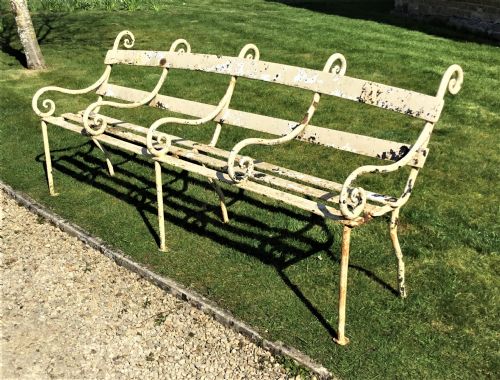


Antique Garden Settee
An antique garden settee brings architectural presence to a lawn or terrace, offering substantial metal and wood seating designed to endure the seasons.
Antique Garden Settee
When you search for an antique garden settee, you are looking at substantial outdoor seating designed to anchor a lawn, terrace, or conservatory. The pieces available range from robust nineteenth-century iron designs to lighter twentieth-century metal frames and conservatory suites.
You are most likely to meet Victorian and early twentieth-century iron examples on this page, often rendered in gothic or revival styles. These benches and suites provide deep seats and decorative backs intended to withstand outdoor exposure while remaining decorative.
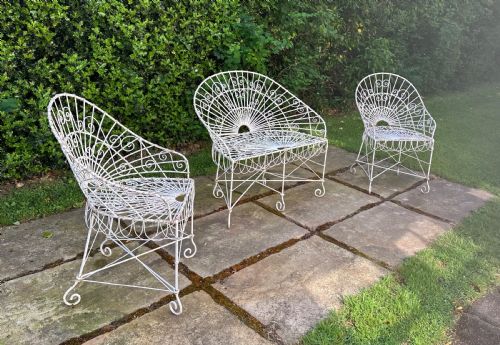
The selection encompasses multi-piece conservatory suites alongside single garden benches and larger four-seater seats. Each object reflects the outdoor seating traditions of its period, utilising durable metals and timbers suited for garden architecture.
How they were made
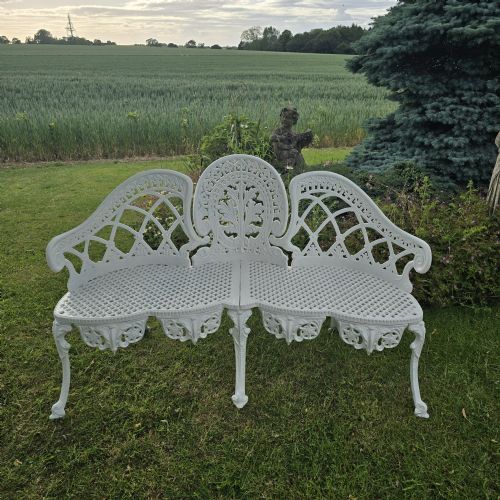
Maker construction relies heavily on cast iron, wrought iron, and steel, shaped into rigid frames and ornate scrollwork. Founders poured molten metal into intricate moulds to produce gothic tracery and patterned bench backs.
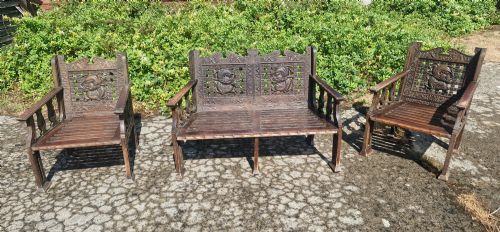
Teak and other timber elements appear alongside painted metal surfaces, joined to withstand weather and frequent use. Artisans combined cast metal components with fitted wooden slats to create balanced, heavy-duty seating.
Antique Garden Settee Retail Price Guide 2026
Typical asking prices for garden settee among the pieces listed under this phrase on Sellingantiques today, from the lower quarter to the upper quarter. They describe what is for sale here now, not the wider market.
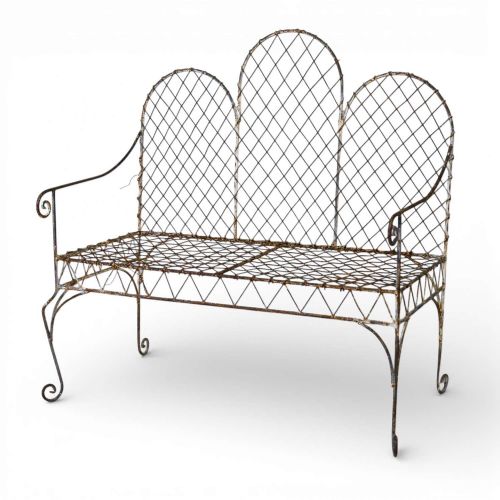
The listings on this site span periods from the Regency era through the 1940s, featuring materials such as cast iron, teak, wire, and wrought iron.
What varies in quality
Quality rests in the crispness of the casting detail and the architectural ambition of the design, distinguishing standard utility seating from finer ornamental works. Pieces exhibiting deep relief moulding and integrated matching suites show superior workshop execution.
The integrity of the original metal framework and the subtlety of the proportions separate the better examples from simpler utilitarian benches. Surviving decorative integrity across structural joints indicates a higher grade of original manufacture.
Val D Osne
The Antique Garden Settee Glossary
- Gothic Revival
- An architectural and decorative style drawing inspiration from medieval forms, frequently seen in pointed arches and tracery on bench backs.
- Wrought Iron
- Iron that has been heated and worked with tools by a smith, producing strong, fibrous metal components for garden frames.
- Cast Iron
- Molten iron poured into a mould to create rigid decorative panels and structural bench ends with complex repeating patterns.
- Conservatory Suite
- A matched group of seating designed for semi-indoor glasshouse spaces, often utilising lighter woods or painted finishes.
Antique Garden Settee: Frequently Asked Questions
What is an antique garden settee?
An antique garden settee is a historic outdoor bench or seat built from durable materials like cast iron, wrought iron, or teak, designed to accommodate multiple people in a garden or conservatory setting.
These pieces combine structural metalwork with decorative backs, serving both a functional seating purpose and an architectural role in landscape design.
How do I date a garden bench?
Dating relies on identifying the manufacturing materials, construction techniques, and stylistic influences present in the ironwork or woodwork. Victorian and nineteenth-century pieces often feature heavier cast components with gothic or revival ornamentation.
Twentieth-century examples tend toward simpler steel or painted wire construction, reflecting changing industrial capabilities and aesthetic preferences of later decades.
Where should I place my garden settee?
Garden settees work best positioned on a stable, level surface such as a stone patio, gravel path, or paved terrace where their weight is supported evenly. Placing them against a hedge or wall provides a sheltered backdrop that highlights the decorative backrest.
Heavier iron pieces benefit from remaining in one considered spot to minimise the need for frequent repositioning across soft lawns.
How do I care for an antique metal bench?
Care involves monitoring the painted or weathered metal surface for signs of wear and applying appropriate protective coatings when necessary. Keeping the feet elevated slightly off damp ground during winter months helps prevent moisture accumulation.
Regular gentle cleaning removes debris from intricate cast details without disturbing the aged patina of the metal.