
Antique Furniture with Drawer
Antique furniture with drawer ranges from walnut lowboys to mahogany chests, offering period storage and fitted writing spaces.
Antique Furniture with Drawer
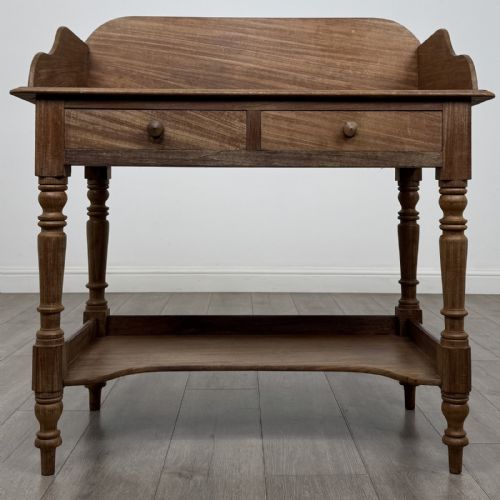
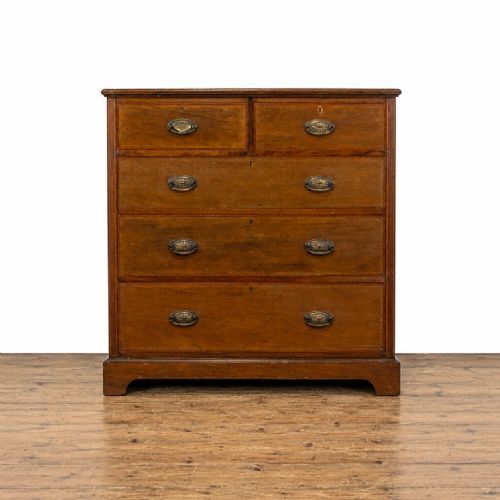
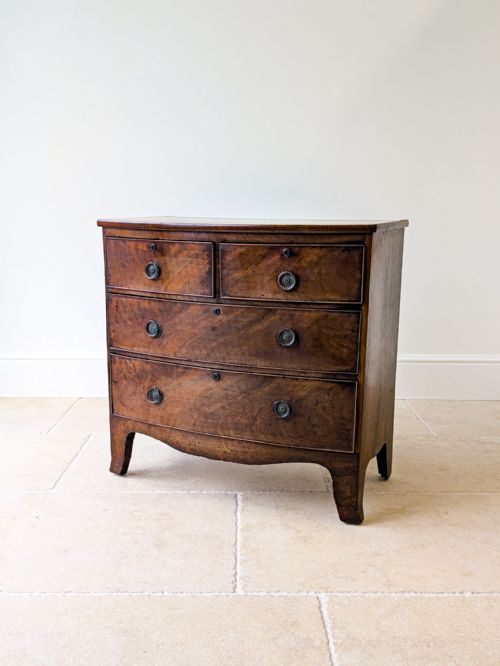
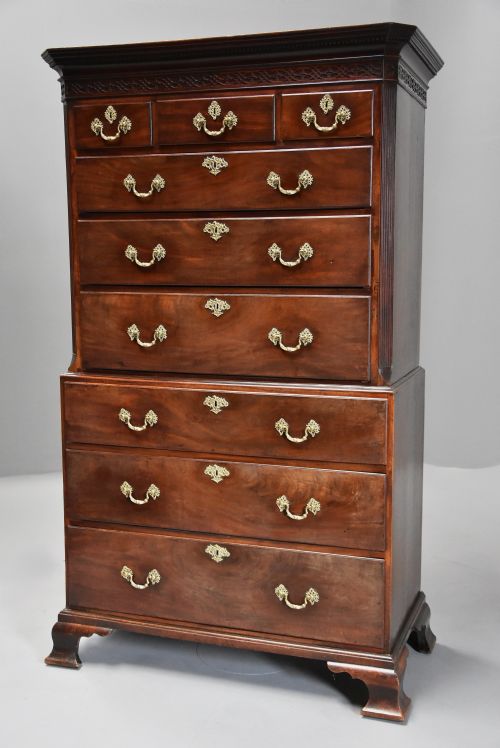
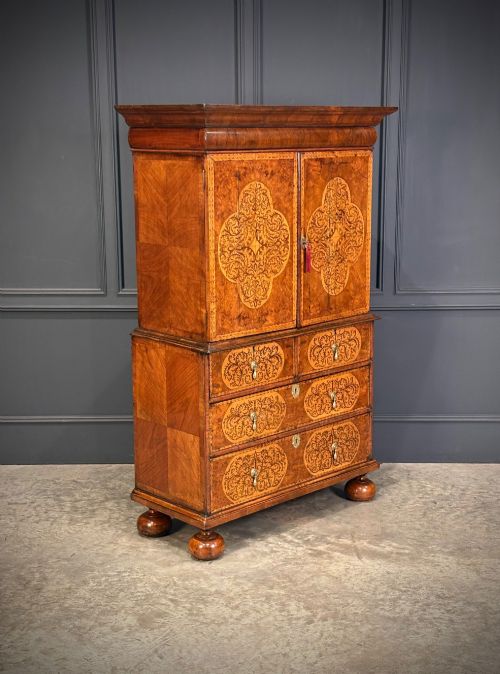
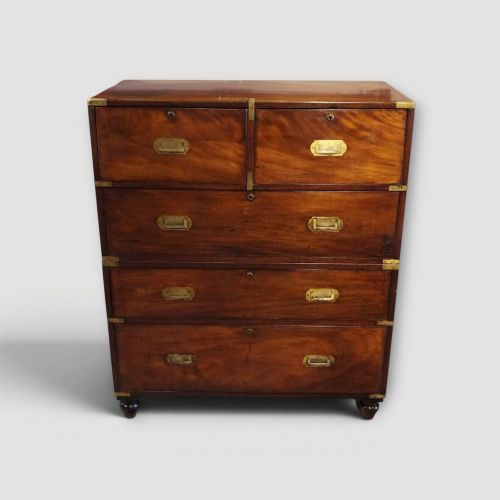
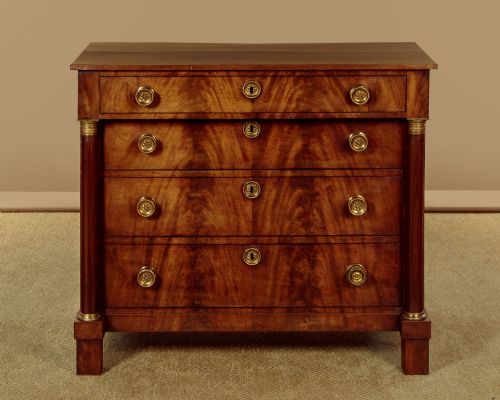
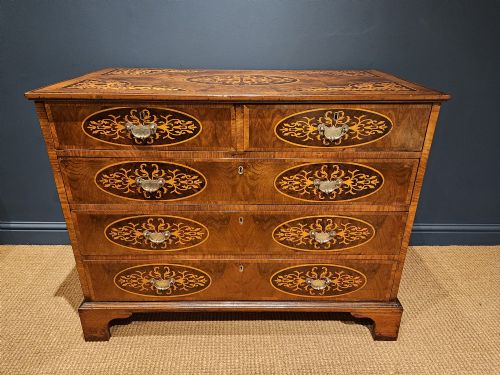
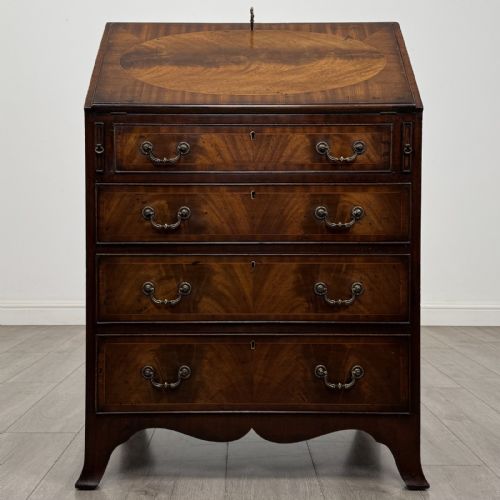
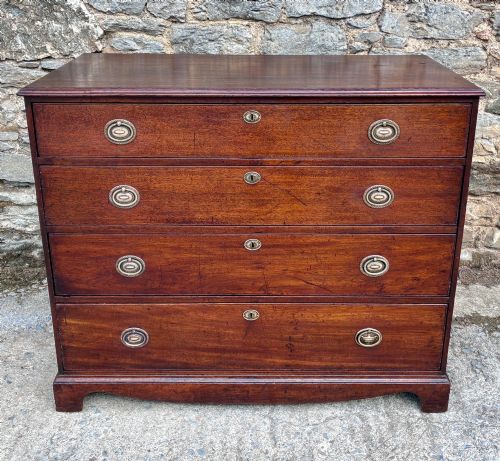
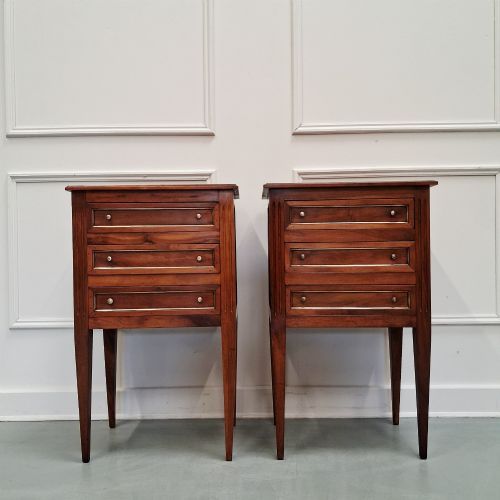
Antique furniture with drawer takes many forms across this selection, spanning chests of drawers, side tables, desks, bureaux, dressing tables, linen presses, and writing desks. These pieces originate from various periods including the eighteenth century, nineteenth century, Victorian era, Georgian period, Regency, and early twentieth century. Buyers seeking storage or functional writing spaces encounter practical household items designed for daily use in past centuries.
The most common variants met on this page are chests of drawers and side tables built from timbers such as mahogany, oak, and walnut. Smaller formats like miniature chests, lowboys, and work tables appear alongside larger pieces such as chest on chests and linen presses. Each item incorporates at least one functional compartment, ranging from simple frieze drawers to elaborate fitted interiors and secret compartments.
How They Were Made
Cabinet makers utilised solid timbers such as mahogany, oak, walnut, teak, and rosewood, often pairing structural hardwoods with decorative veneers like burr walnut or parquetry. Carpenters constructed drawer boxes using traditional joints and fitted backboards or linings of secondary woods. Surface finishing involved polishing to reveal the natural grain and colour of the timber.
Metal hardware played an essential role in construction and operation, with brass handles, drop pulls, and pierced brasses affixed to drawer fronts. Specialised items incorporated marble tops, glass elements, or carved pillars, whilst desks and bureaux utilised internal pigeonholes and drop fronts for writing.
Form categories range from chests of drawers and lowboys to secretaires, linen presses, work tables, and Canterbury stands.
What Varies in Quality
The distinction between standard and superior pieces rests upon the selection of timber, the precision of cabinet work, and the survival of original components. Furniture utilising figured timbers like burr walnut or dense mahogany commands attention for its visual depth and refined surface grain. Superior examples retain their original brass handles, locks, and fitted interior compartments rather than replacement elements.
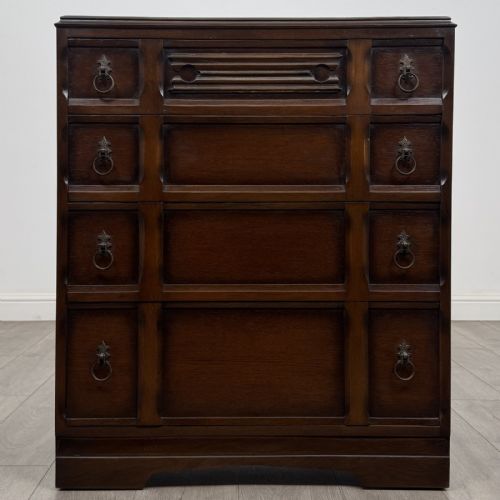
Shapland & Petter·Heals
The Antique Furniture with Drawer Glossary
- Lowboy
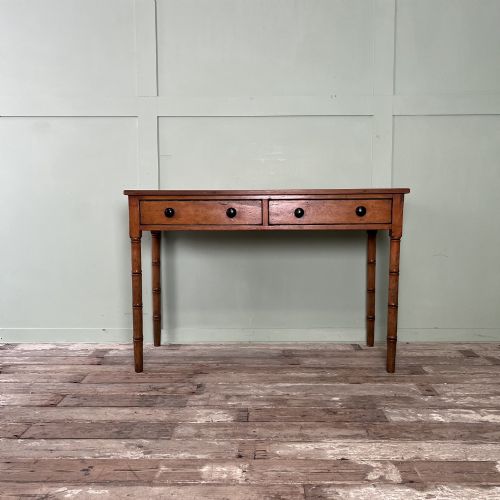
- A small oak or mahogany table with one or more drawers, standing on legs, typically used as a dressing table or side table in eighteenth-century rooms.
- Brushing slide
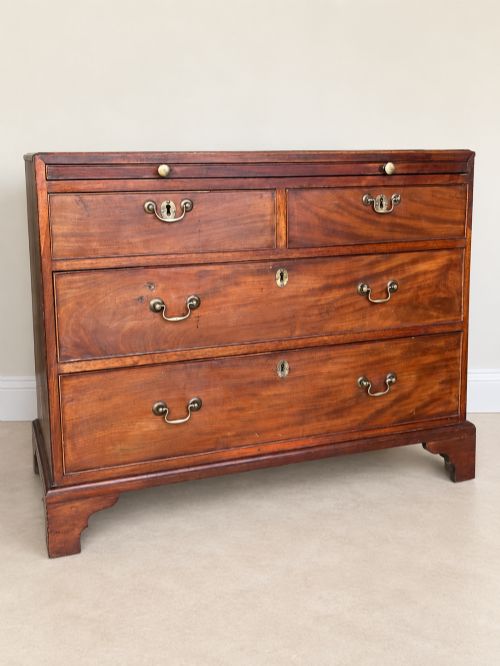
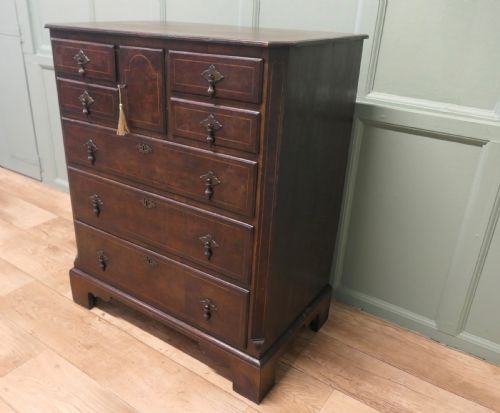
- A pull-out shelf integrated above the top drawer of a chest or bureau, used historically for folding clothes or writing brief notes.
- Bureau
- A desk featuring a hinged sloping front that drops down to reveal a fitted interior of small drawers and pigeonholes above lower storage drawers.
- Whatnot
- An open set of tiered shelves supported by pillars, used for displaying ornaments and small objects in Regency and Victorian interiors.
- Linen press
- A tall storage cabinet combining upper doors enclosing sliding trays with lower drawers for textiles and clothing.
- Parquetry
- A geometric mosaic of wood pieces used for decorative veneer on tabletops, drawer fronts, and bureau falls.
Antique Furniture with Drawer: Frequently Asked Questions
How do I identify a Georgian chest?
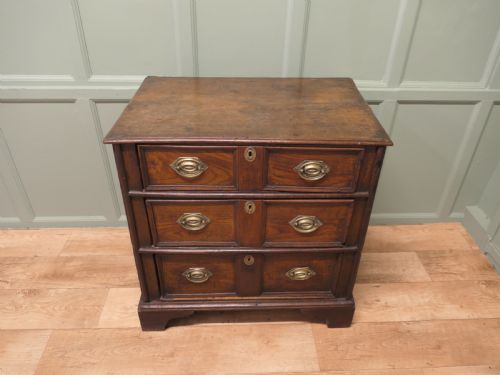
Georgian chests typically feature dense mahogany or oak construction, clean proportions, and proportioned drawer arrangements such as two small drawers over three long ones. They often rest on bracket feet and utilise cast brass drop handles.
Closer inspection reveals hand-cut dovetails on the drawer boxes and timber linings appropriate to eighteenth-century workshop practices.
Where were lowboys placed in rooms?
Lowboys served as versatile side tables or dressing tables in eighteenth-century domestic interiors, frequently positioned against bedroom or parlour walls. Their compact footprint allowed them to fit into tight spaces while providing surface area and drawer storage.
In modern rooms, these tables function well as hallway furniture or compact writing desks.
What distinguishes a bureau from a desk?
A bureau specifically incorporates a hinged fall-front writing flap that opens outward at an angle to reveal an internal arrangement of small pigeonholes and compartments. Below this writing surface sit multiple graduated storage drawers.
Standard writing desks typically offer a flat top surface with drawers arranged around a central kneehole rather than a sloping drop-front compartment.