

Antique Furniture Tiers
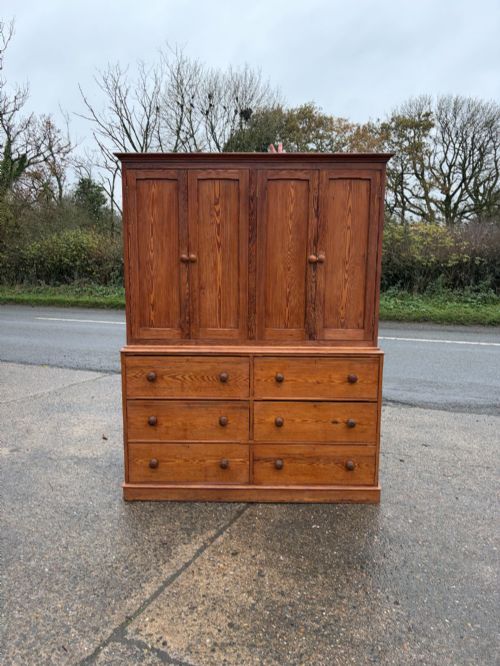
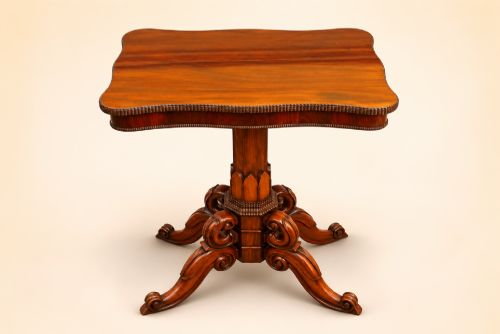
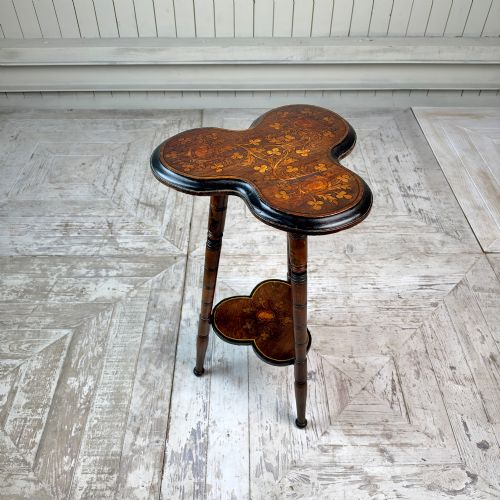
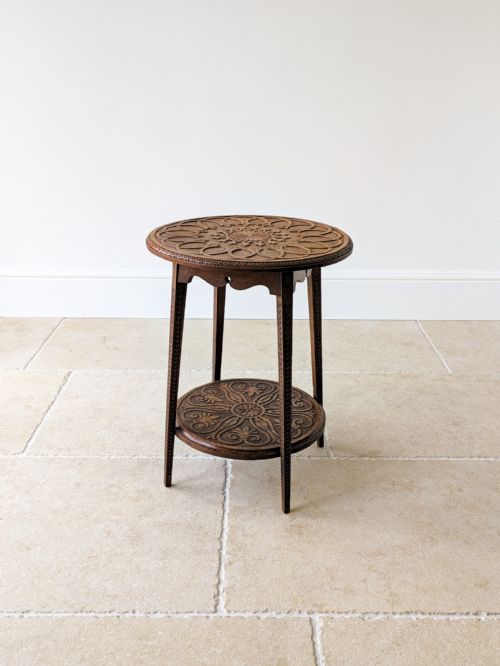
Antique furniture tiers encompass multi-level pieces like whatnots, etageres and tiered tables that add vertical display space to rooms.
Antique Furniture Tiers
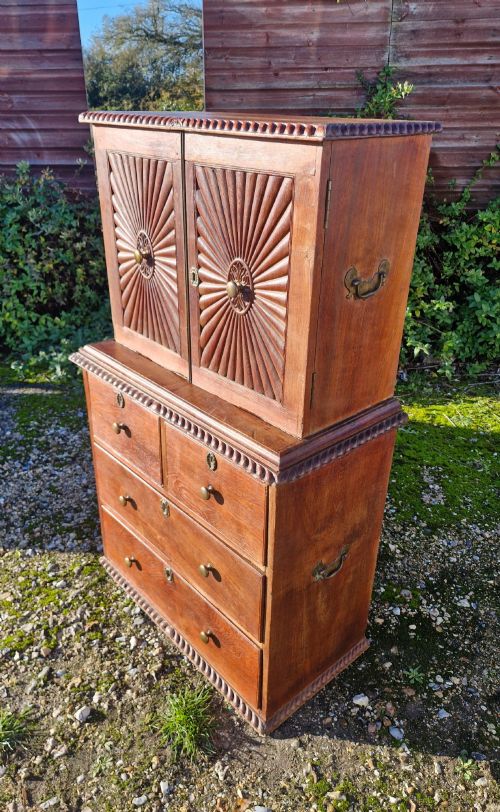
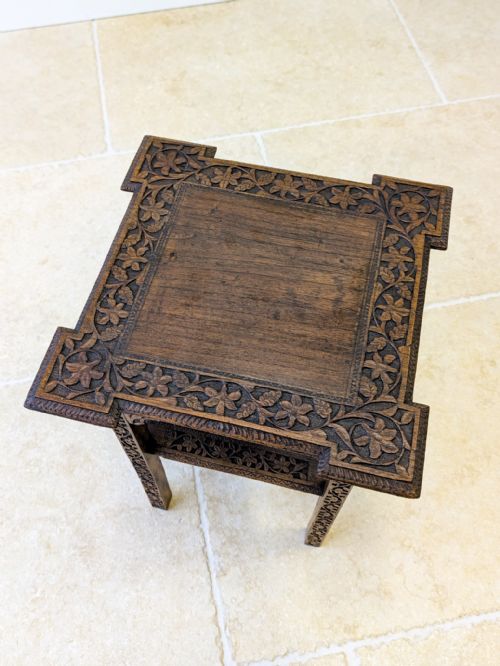
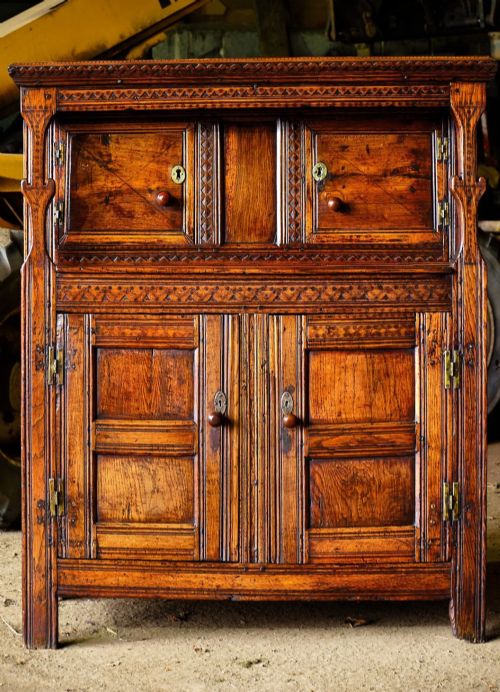
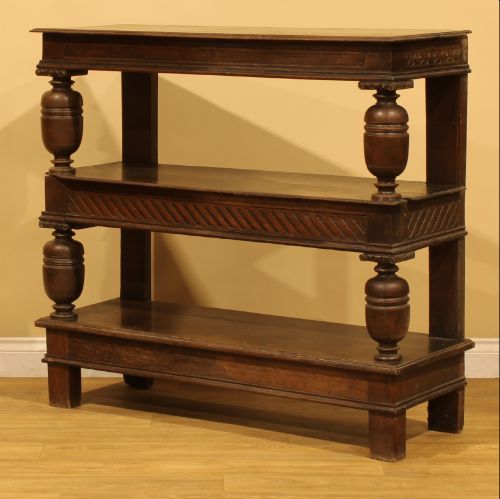
When you search for antique furniture tiers, you encounter multi-level display and storage items designed to hold books, ornaments and daily objects across stacked horizontal surfaces. These items range from delicate bedside tables and lamp tables to substantial freestanding bookcases and whatnots.
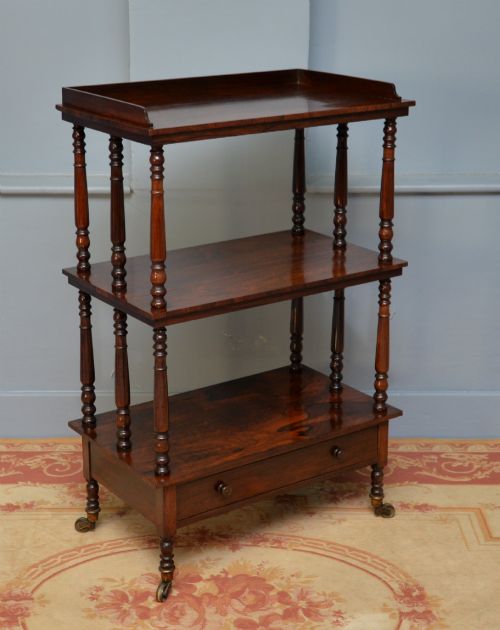
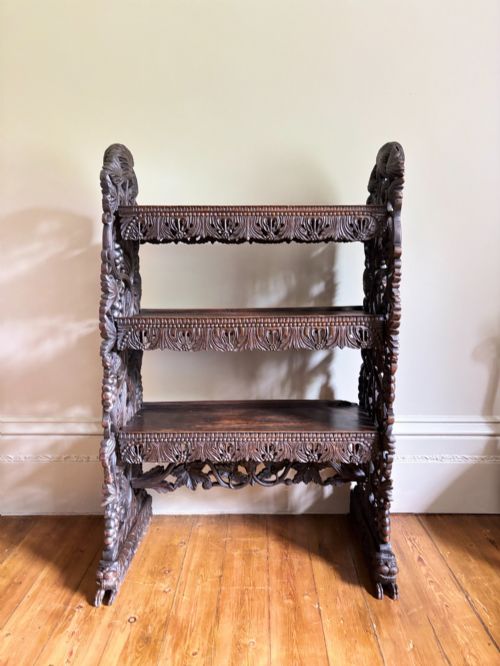
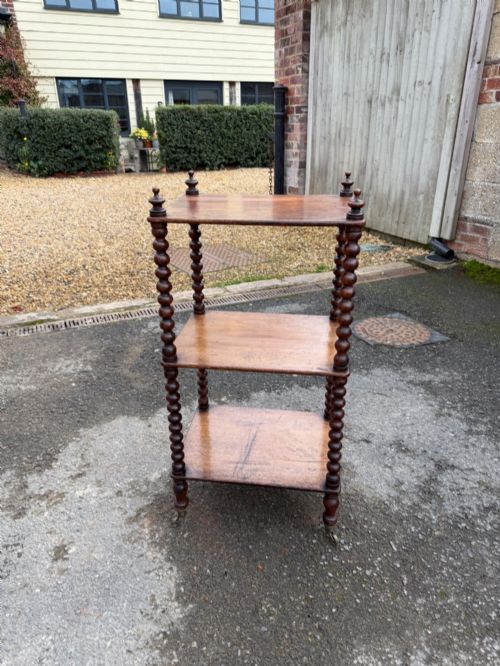
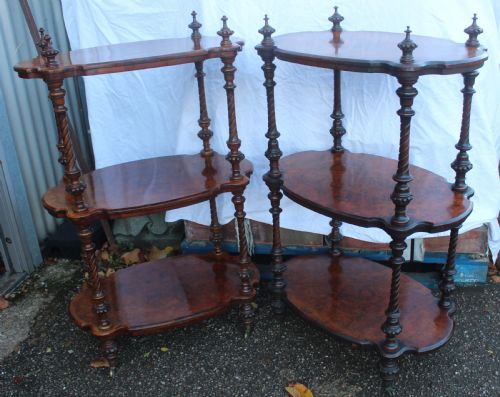
The pieces appearing on this page span several distinct eras, notably the Victorian, Edwardian and Regency periods. You will frequently find whatnots and etageres constructed with multiple graduated shelves supported by turned or carved upright columns.
Makers utilised various forms to solve space issues in historic interiors, resulting in corner stands, wall hanging shelves and revolving bookcases. Each format provides distinct tiered levels that separate objects visually while keeping them close to hand.
How they were made
Cabinet makers relied heavily on dense hardwoods such as mahogany, walnut and rosewood to construct sturdy upright supports and thin yet resilient shelves. Finer examples incorporated burr walnut, satinwood and exotic hardwoods like Indian hardwood and teak, often finished with detailed stringing or marquetry inlay.
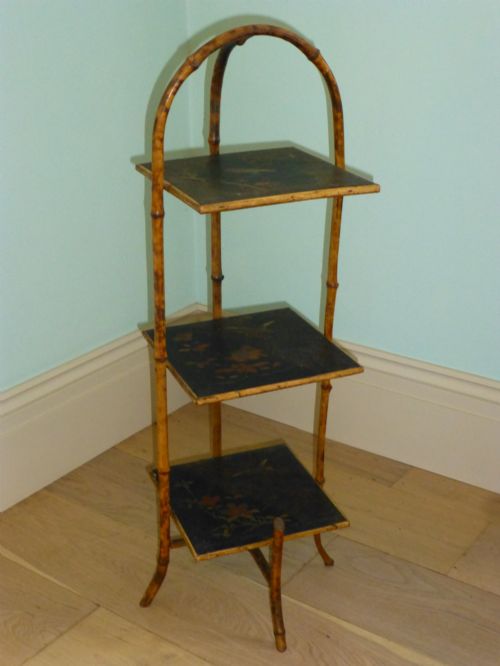
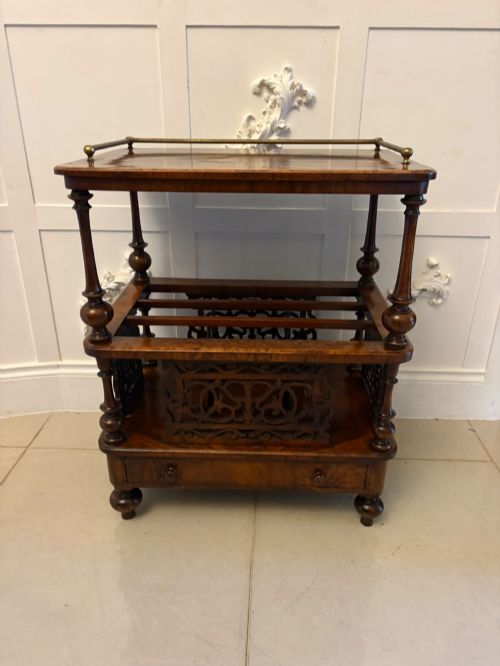
Metal components played a structural and decorative role, featuring brass galleries to secure items on upper tiers and occasional brass castors for mobility. Bamboo and glass also appeared in specific stylistic movements like the Anglo-Japanese taste, offering lighter alternatives to solid timber.
Antique Furniture Tiers Retail Price Guide 2026
Typical asking prices for furniture tiers among the pieces listed under this phrase on Sellingantiques today, from the lower quarter to the upper quarter. They describe what is for sale here now, not the wider market.
Listings feature items spanning the Georgian, Regency, Victorian and Edwardian periods, constructed in mahogany, walnut, oak and satinwood.
What varies in quality
Quality in tiered furniture rests upon the selection of timber veneers and the precision of the joinery connecting the shelves to the uprights. Superior items exhibit figured grain patterns, such as burr walnut or matched mahogany, carried consistently across every tier.
The refinement of secondary details distinguishes workshop standards, visible in the crispness of turned wooden spindle supports, the weight of cast brass galleries and the integration of hand-painted or inlaid motifs. Structural rigidity across multiple stacked levels indicates superior original construction.
Gillows·James Shoolbred·Gunn Furniture·Lebus
The Antique Furniture Tiers Glossary
- Whatnot
- An open set of freestanding shelves designed for displaying ornaments or books, typically featuring three or more tiers.
- Étagère
- A piece of furniture consisting of a series of open shelves for holding small objects, originating in France during the eighteenth century.
- Gallery
- A raised ornamental border surrounding the edge of a shelf or tabletop to prevent items from sliding off.
- Dumb Waiter
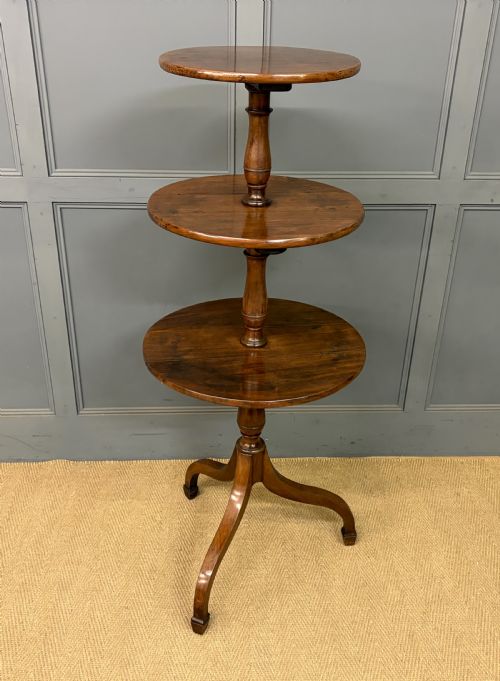
- A multi-tiered freestanding piece of furniture used for serving food or holding tableware without the aid of servants.
- Tridarn
- A large traditional Welsh oak cabinet featuring multiple recessed upper stages and tiers, often dated to the early eighteenth century.
Antique Furniture Tiers: Frequently Asked Questions
What is an antique whatnot?
An antique whatnot is a multi-tiered set of open shelves created to display ornaments, silver and books in nineteenth-century drawing rooms. The design allows objects of varying heights to sit on stacked platforms.
These pieces typically feature three to six levels supported by slender turned columns. They served as both decorative furniture and practical storage in compact spaces.
How do I style a tiered table?
Tiered tables benefit from balancing heavier items on the bottom shelf with lighter decorative objects on the upper tiers. This distribution maintains visual stability and prevents the piece from looking top-heavy.
Consider the function of the room when placing objects on each level. Books, ceramics and small lamps integrate naturally onto the separate platforms of occasional and lamp tables.
What timber was used for whatnots?
Cabinet makers commonly utilised mahogany, walnut and rosewood for building whatnots due to their strength and rich grain. Finer examples incorporated satinwood, burr walnut or imported hardwoods.
Specific stylistic periods favoured lighter materials, leading to the introduction of bamboo and japanned finishes in late nineteenth-century interiors. These diverse timbers defined the regional and temporal origins of each piece.
How do I date an etagere?
Dating an etagere involves examining the secondary woods, assembly methods and decorative styles characteristic of periods like the Regency or Edwardian era. Inlaid satinwood and painted motifs often point toward Sheraton Revival revivals around nineteen hundred.
Earlier nineteenth-century models tend to feature solid rosewood or mahogany with heavy brass galleries and fine turning. Comparing the joinery underneath the shelves provides further clues regarding the manufacturing date.