




Antique Furniture C1910
These pieces of antique furniture c1910 bring Edwardian practicality and Arts and Crafts integrity directly into your home.
Antique Furniture C1910
When you search for antique furniture c1910, you are looking at items produced during the Edwardian era and the twilight of the Arts and Crafts movement. These pieces balance the solid utility demanded by households of the period with a refined decorative sensibility.
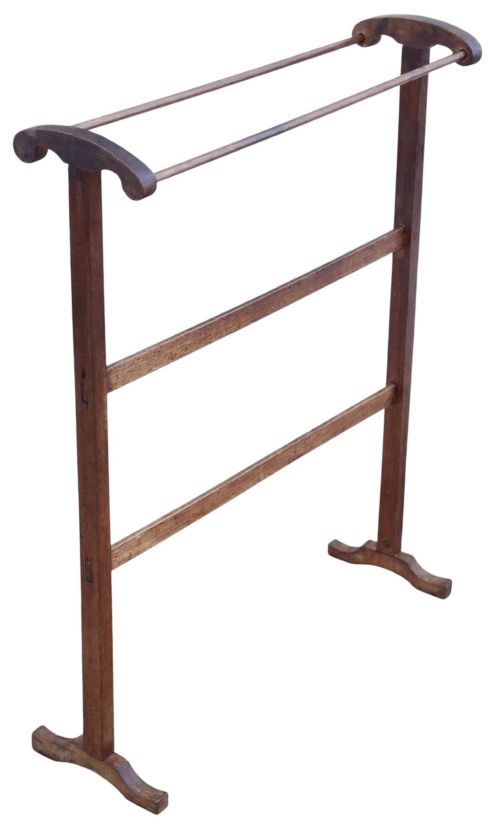
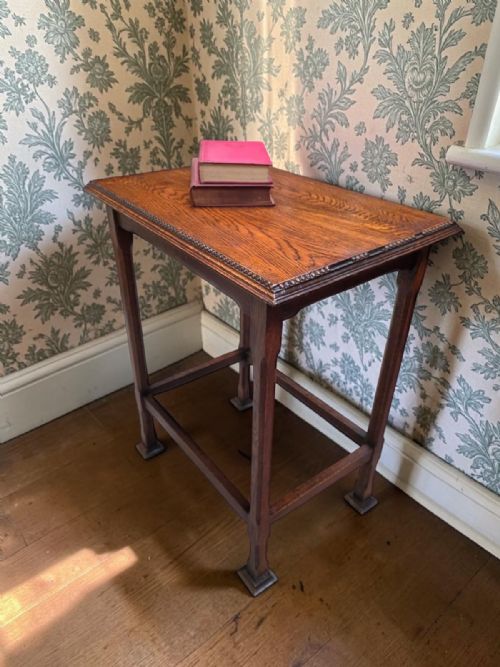
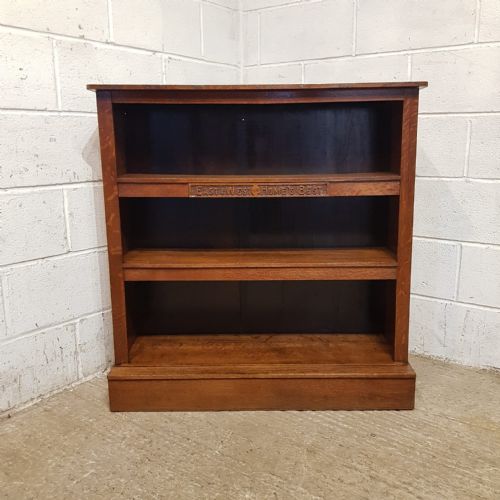
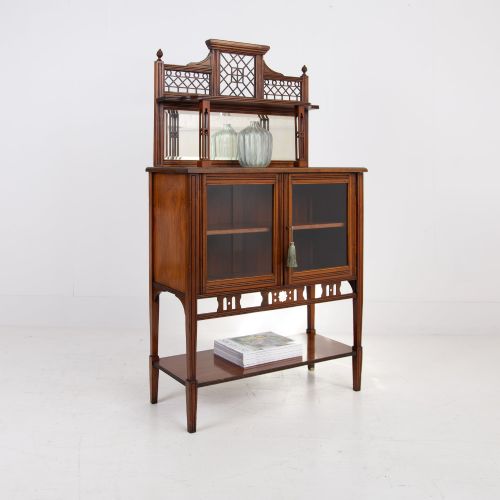
You are most likely to meet practical oak bookcases, side tables, and bedroom suites on this page, alongside occasional mahogany display cabinets and seating. The forms reflect a society transitioning from ornate Victorian tastes toward cleaner lines and greater functional honesty.
Originating largely from British workshops of the early twentieth century, these items range from robust oak utility pieces to elegant inlaid mahogany furniture designed for formal reception rooms.
Materials and construction methods
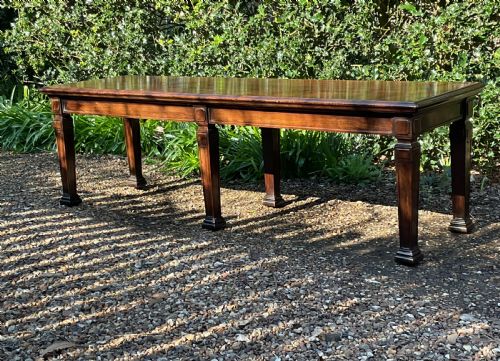
Makers relied heavily on solid oak and mahogany as the primary structural timbers, frequently selecting oak for robust Arts and Crafts items and rich mahogany for more formal Edwardian tables and seating. Timber was chosen for durability and grain pattern, often left unadorned in craft pieces or polished to a deep lustre in mahogany examples.
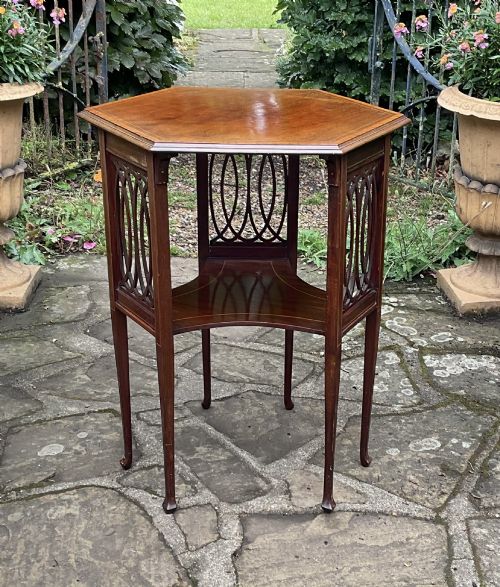
Construction techniques combine traditional joinery with period machinery, utilising brass hardware, bevelled glass, and ceramic inserts as functional and decorative accents. Upholstered seating employs traditional stuffing and durable fabric coverings, while cabinets integrate mirror glass and delicate inlay work.
Antique Furniture C1910 Retail Price Guide 2026
Typical asking prices for furniture c1910 among the pieces listed under this phrase on Sellingantiques today, from the lower quarter to the upper quarter. They describe what is for sale here now, not the wider market.
Listings feature oak and mahogany predominantly, supported by brass hardware, glass, and fabric.
Distinguishing quality in these pieces
The distinction between standard utility items and finer examples rests on the selection of timber, the precision of joinery, and the restraint of decoration. Superior pieces display carefully figured mahogany veneers, subtle inlay, or hand-carved details that elevate a utilitarian form into a considered design.
Proportion and integrity of materials also separate ordinary production from exceptional work. Items retaining original brass fittings, unblemished glass, and sound structural framing demonstrate the care applied during manufacture.
The Antique Furniture C1910 Glossary
- Arts and Crafts
- A design movement advocating for traditional craftsmanship, simple forms, and the use of local materials. It emerged as a reaction against machine production.
- Edwardian
- Pertaining to the reign of King Edward VII, characterised by lighter furniture styles and a preference for inlaid mahogany and revival designs.
- Etagere
- A piece of furniture consisting of a set of open shelves for displaying small objects or ornaments. These usually feature slender supports and multiple tiers.
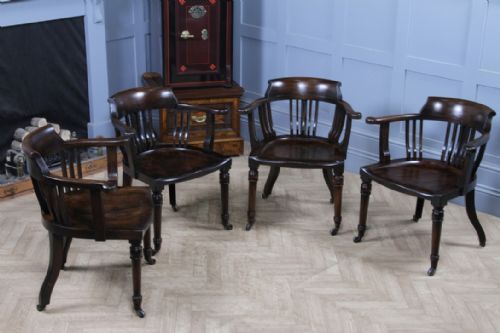
- Smoker's Bow
- A sturdy type of wooden armchair with a low back and turned spindles, commonly found in domestic and commercial settings of the period.
- Serpentine
- Describing a front edge that curves outward in the centre and inward at the sides, creating a gentle wave shape on cabinets and tables.
Antique Furniture C1910: Frequently Asked Questions
How do I identify a c1910 piece?
Look for the characteristic blend of late Victorian heaviness and the emerging simplicity of the Edwardian and Arts and Crafts movements.
Construction details, timber choices, and specific hardware styles typical of the early twentieth century help confirm the period.
Where were these items used?
These pieces served practical roles throughout Edwardian homes, from bedrooms and libraries to hallways and formal sitting rooms.
Items ranged from multi-piece bedroom suites to occasional tables designed for specific domestic routines.
How should I care for oak furniture?
Keep wooden surfaces away from direct heat sources and strong sunlight to prevent the timber from drying out or splitting.
Apply a traditional beeswax polish occasionally to nourish the grain and maintain a natural protective sheen.
Can I mix these styles together?
These pieces naturally complement one another because Edwardian and Arts and Crafts designs share a harmonious palette of honest materials.
Combining oak utility items with polished mahogany occasional furniture creates a layered, historically grounded interior.