
Antique Furniture Bookcase
An antique furniture bookcase brings solid timber and proportion to a room, holding centuries of paper and bindings behind glass or within open shelves.
Antique Furniture Bookcase
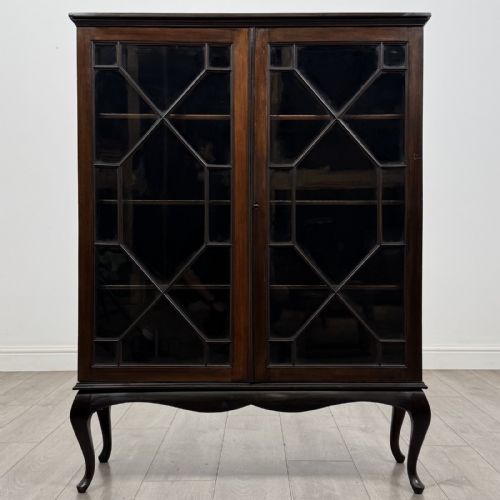
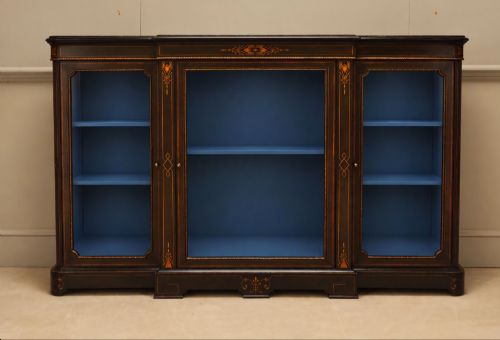
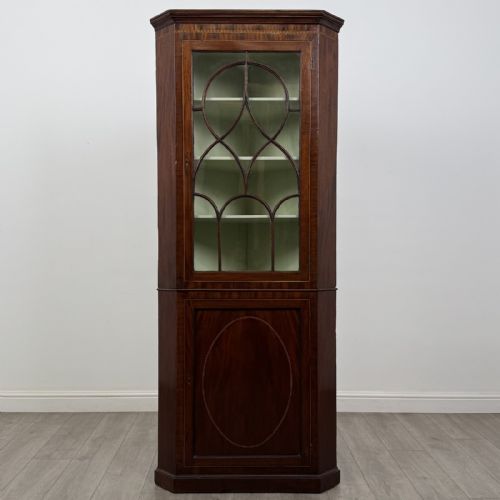
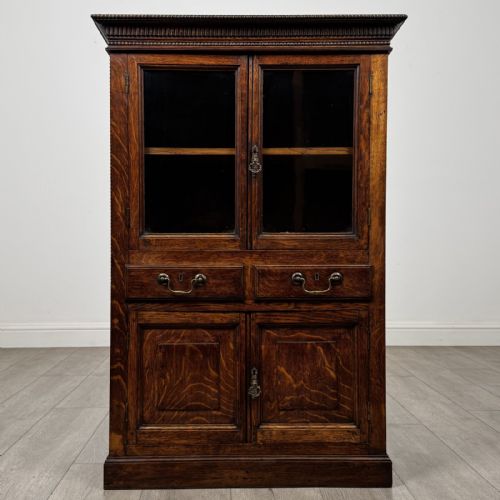
When buyers search for an antique furniture bookcase, they encounter a range of forms spanning from Georgian bureau bookcases to Edwardian revolving models and Victorian glazed cabinets. The pieces on this page originate primarily from the eighteenth, nineteenth, and early twentieth centuries, reflecting changing domestic habits in storing and displaying volumes.
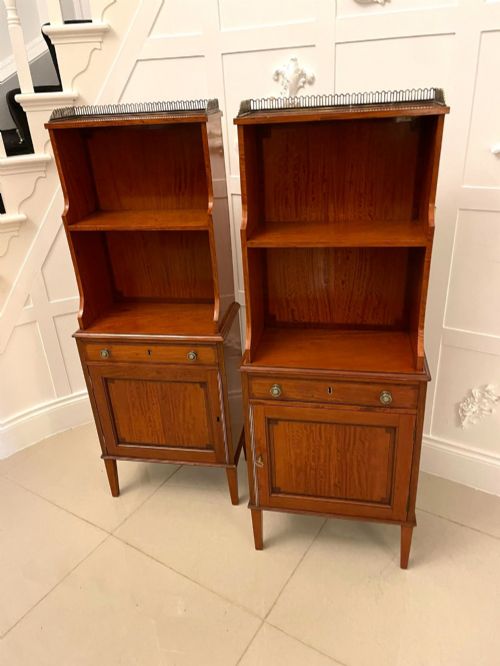
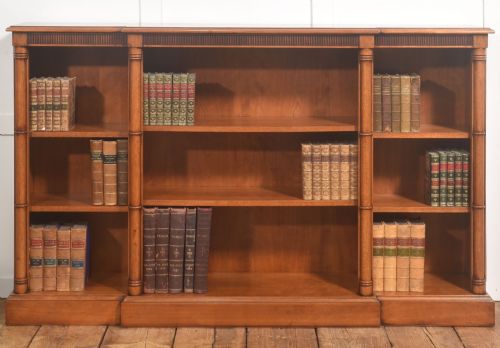
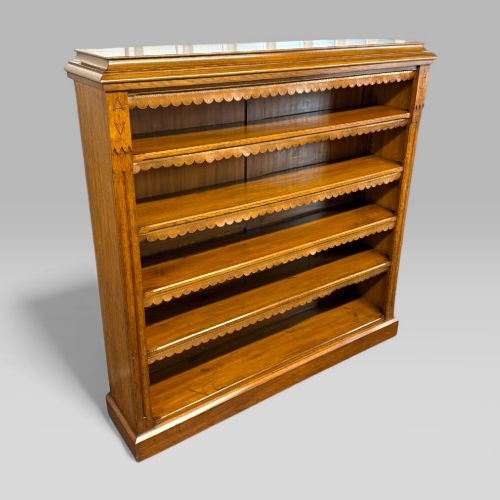
Tall breakfront bookcases, bureau bookcases with fall fronts, open oak shelving, and sectional units dominate the selection. Makers from different decades adapted these forms for specific rooms, employing mahogany, oak, and walnut to suit libraries, studies, and drawing rooms.
Materials and construction
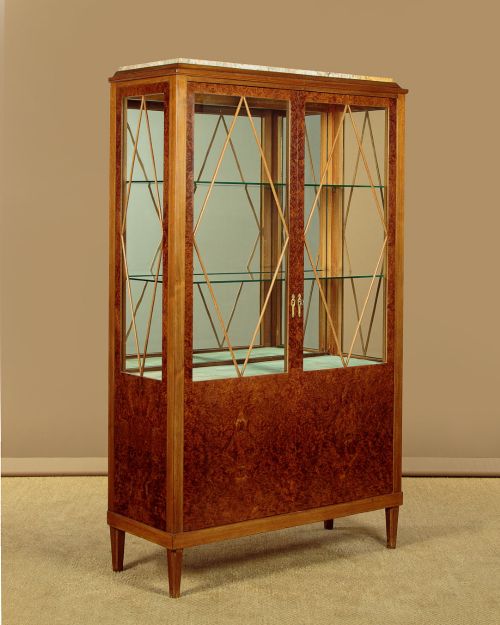
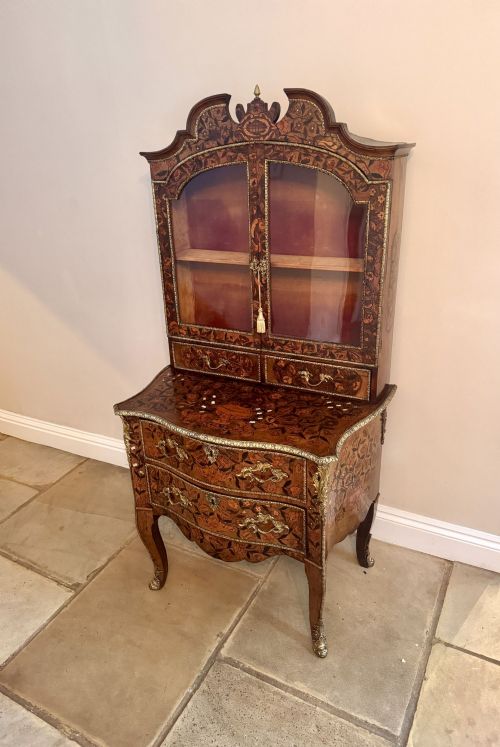
Cabinet makers relied principally on solid mahogany, oak, and walnut, often applying veneers of burr walnut, satinwood, or amboyna to primary display surfaces. Marquetry inlay, dentil cornices, and carved details appeared across various Victorian and Dutch pieces, executed with hand tools and traditional joinery.
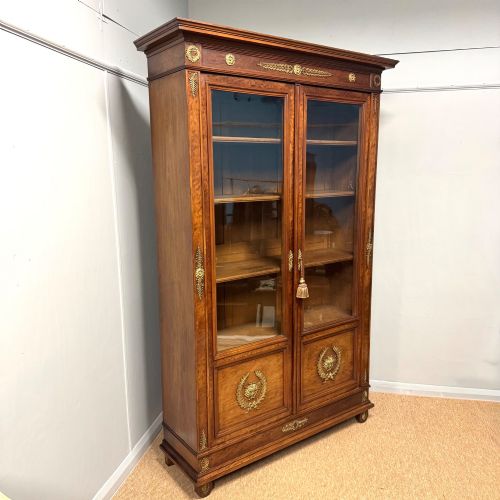
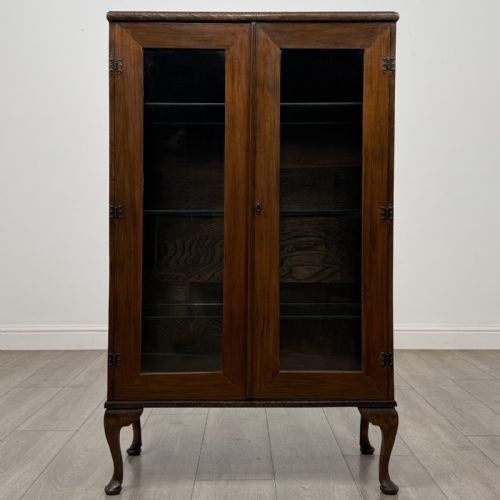
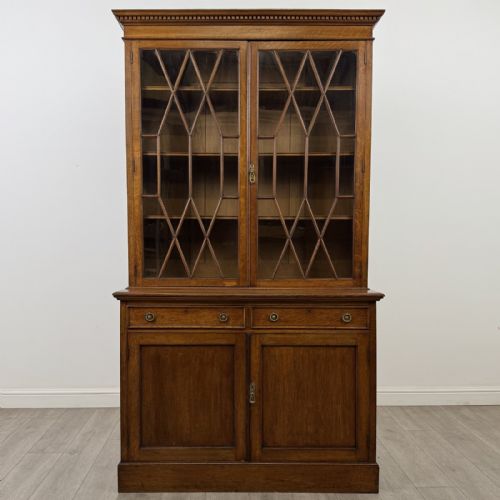
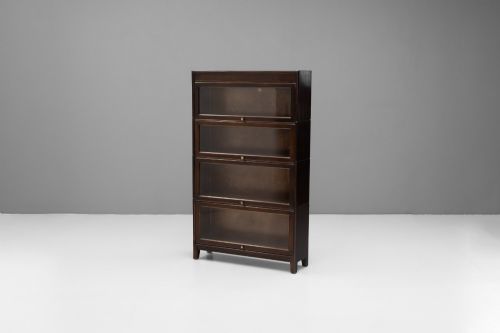
Glazing involved individual glass panes set into timber lattice work doors, while specialised hardware utilised brass handles, hinges, and adjustable shelf rack systems. Sectional stacking designs introduced iron mechanisms to permit modular configuration for growing collections of texts.
Listings feature eighteenth-century Dutch marquetry cabinets, Victorian walnut bookcases, and modular oak sectional units from nineteen hundred.
Quality differences
The standard of an antique furniture bookcase rests in the selection of timber figures, such as matched burr walnut or figured mahogany, and the precision of the marquetry or carving. Superior examples demonstrate continuous grain alignment across doors and drawers, alongside robust internal construction that prevents timber distortion.
Hardware integrity, original glass panels, and the refinement of internal fittings like pigeonholes or secret drawers separate standard workshop production from works signed by prominent cabinet makers.
Gillows·John Moyr Smith·Gunn Furniture·Lebus·Edwards & Roberts·Bowman Brothers
The Antique Furniture Bookcase Glossary
- Breakfront
- A piece of furniture where the central section projects forward from the flanking wings. This architectural layout creates depth and shadow on larger library bookcases.
- Bureau bookcase
- A combination desk and bookcase featuring a sloping fall front that opens to reveal a writing surface and pigeonholes. Upper shelving is typically enclosed behind glazed doors.
- Dentil cornice
- A decorative moulding composed of small, evenly spaced rectangular blocks resembling teeth. It appears along the upper crown of formal cabinets and bookcases.
- Marquetry
- The art of applying decorative veneer pieces in wood, ivory, or shell to form pictorial patterns. Dutch walnut examples frequently employ this technique with floral motifs.
- Secretaire
- A cabinet incorporating a fitted writing drawer with a drop-down front. It provides a concealed writing surface beneath upper shelving.
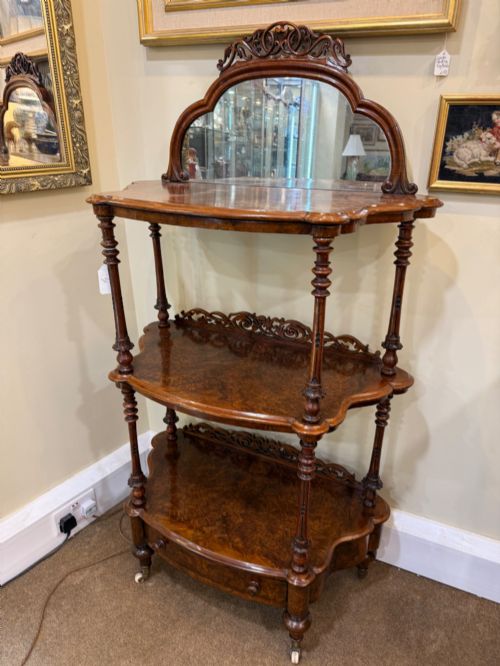
- Whatnot
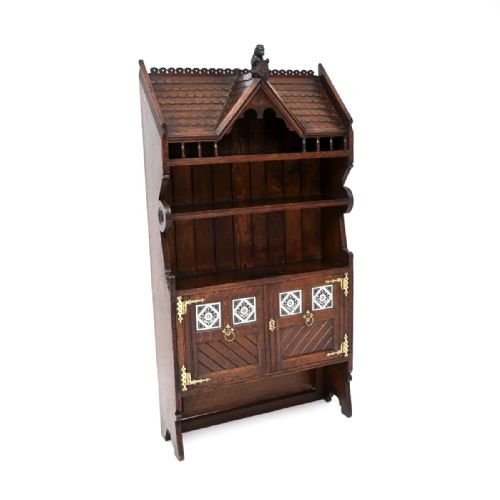
- A set of open display shelves supported on slender pillars, designed for ornaments and small volumes. These items appear in both freestanding and wall-hanging formats.
Antique Furniture Bookcase: Frequently Asked Questions
What is a bureau bookcase?
A bureau bookcase combines a sloping fall-front desk compartment with upper shelving enclosed by doors. It provides a compact writing surface alongside vertical storage for volumes.
Cabinet makers produced these forms in walnut, mahogany, and oak across the eighteenth and nineteenth centuries. The interior usually contains small drawers and pigeonholes hidden behind the lowered writing flap.
How do I care for timber shelves?
Maintain timber bookcases by avoiding direct sunlight and maintaining stable room humidity to prevent veneer splitting. Dust surfaces regularly with a soft, dry cloth.
Apply traditional beeswax occasionally to nourish open grain woods like oak and mahogany. Avoid silicone-based sprays that degrade antique polishes over time.
Are sectional bookcases modular?
Sectional bookcases consist of stacked independent glazed tiers that separate for transport and rearrangement. Makers designed them for flexible expansion as libraries grew.
Iron pins and brass tracks secure the modular levels together safely. This innovation gained popularity around nineteen hundred for office and domestic studies.