

Antique French Brass
Antique French brass brings heavy gilt warmth, crystal tiers and structural cast metal into a room.
Antique French Brass
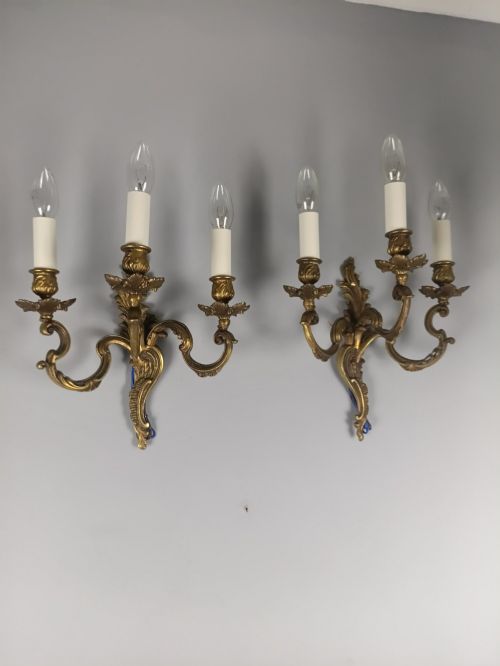
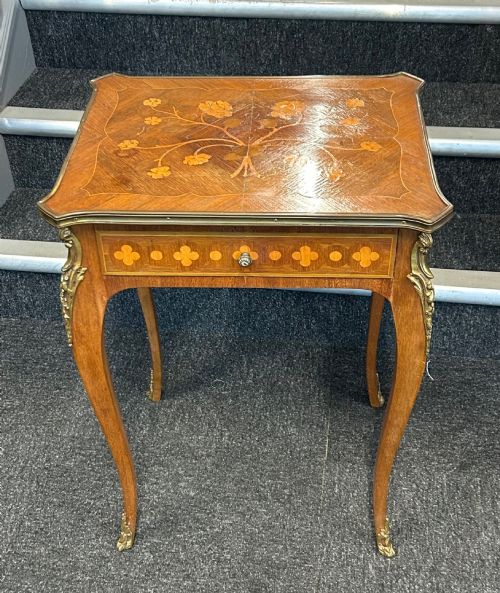
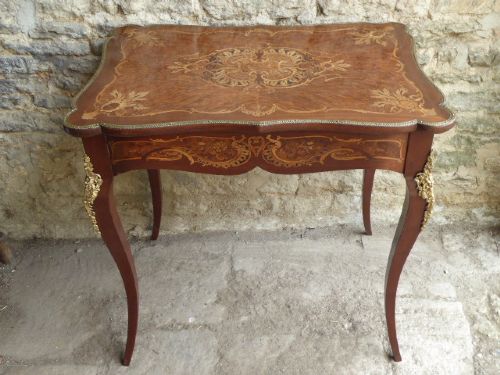
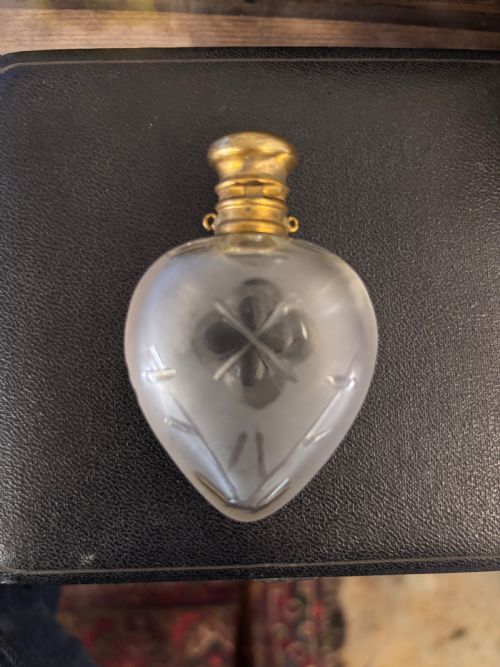
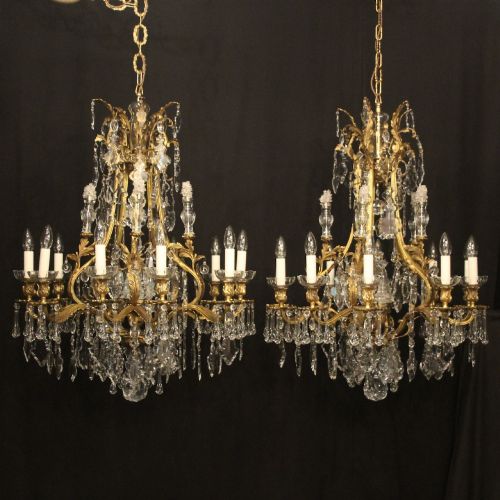
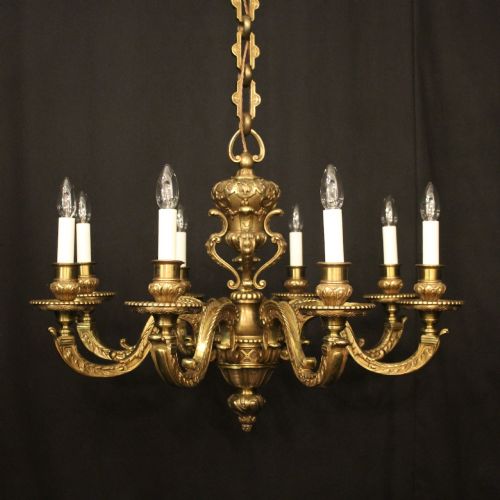
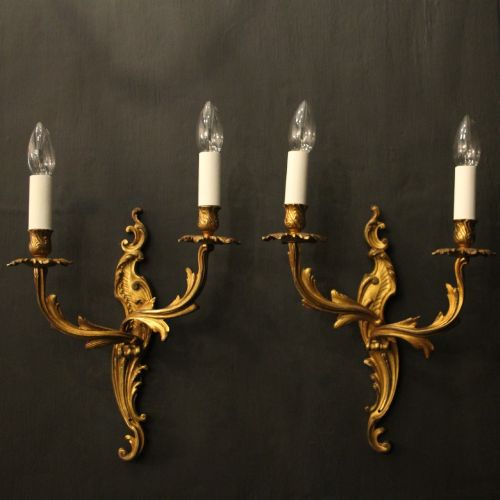
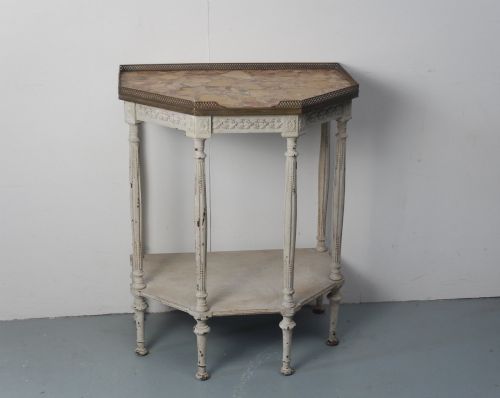
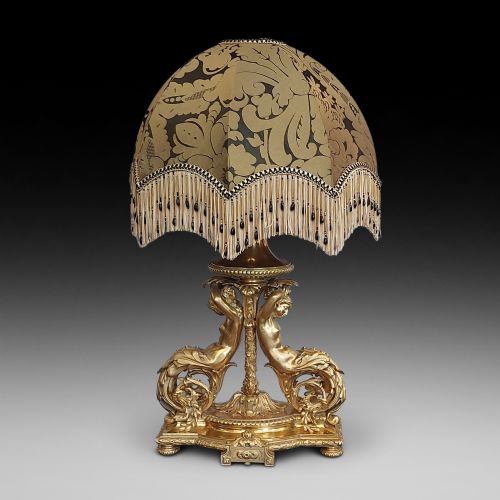
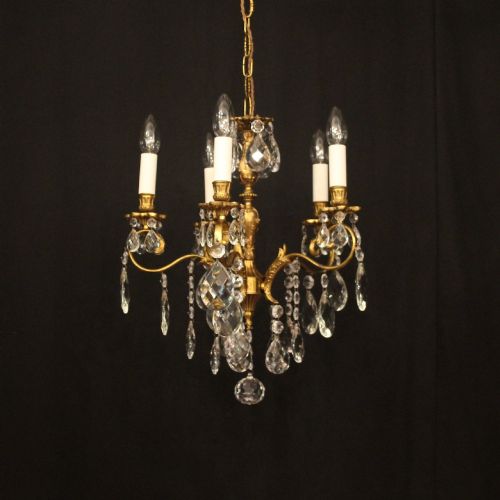
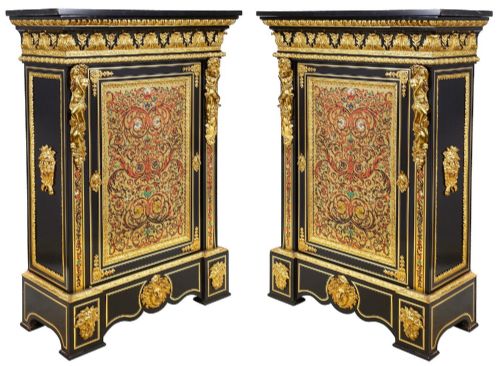
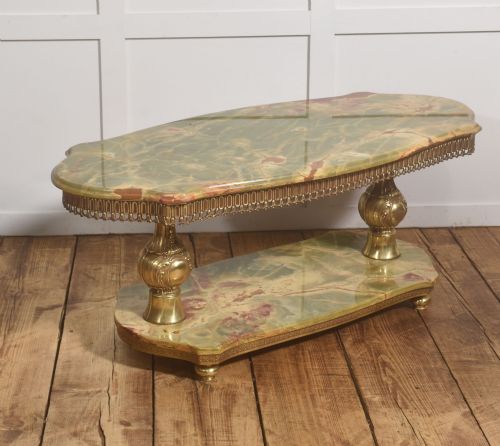
When you search for antique french brass, you encounter a range of items spanning the eighteenth century through the art deco era, where cast metal meets timber, glass and marble. The selection on this page centres heavily on lighting, particularly multi-armed chandeliers adorned with cut glass crystal and gilt bronze, alongside occasional furniture such as coffee tables, side tables and commodes mounted in metal.
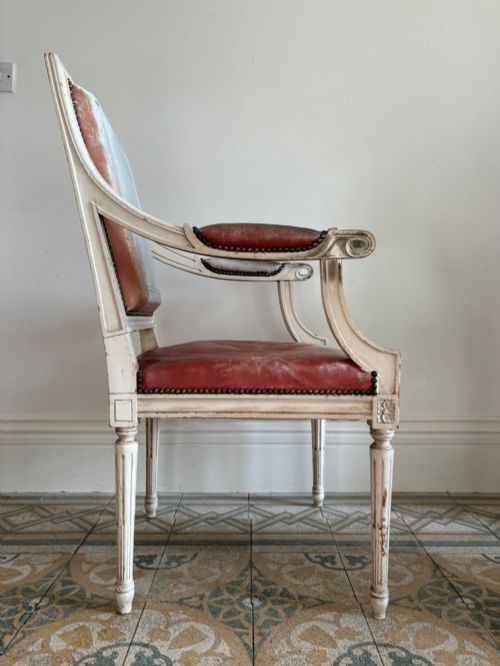
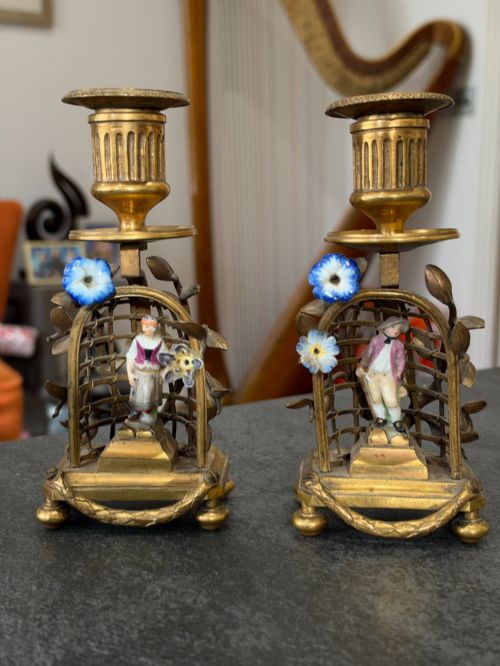
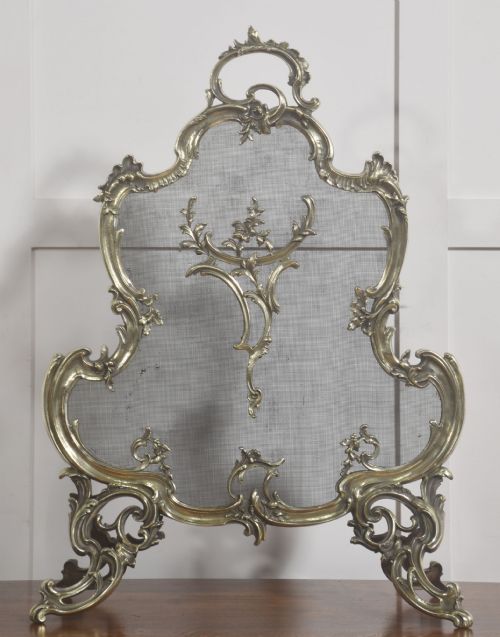
Beyond illumination and seating, the listings encompass decorative objects and timepieces, including carriage clocks, mantel clocks, fire screens and display tables. These items draw on styles such as rococo revival, empire and provincial designs, reflecting continental tastes from distinct past centuries.
How they were made
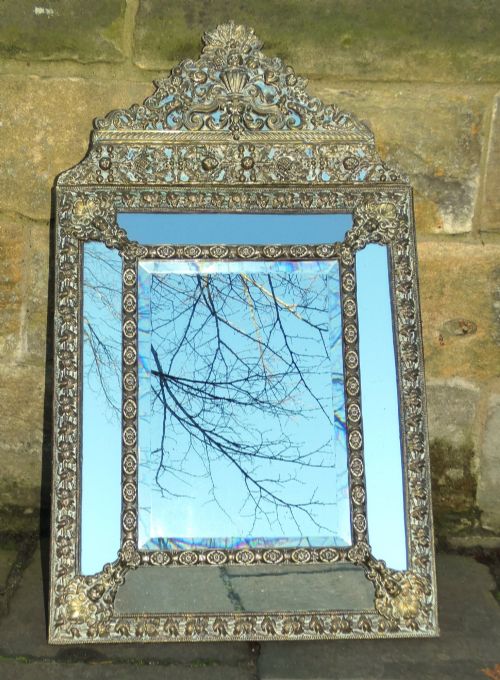
Maker workshops utilised foundational metalworking techniques, casting brass and bronze into intricate scrollwork, mounts and frames that were frequently gilded to achieve a bright finish. Cabinet makers combined these metal elements with dense timbers including walnut, mahogany, kingwood and fruitwood, often incorporating marquetry, parquetry or marble inlays.
Lighting pieces integrated glass and crystal components, securing cut drops and pendeloques to metal armatures using wire or pins. Clockmakers housed eight-day striking movements within heavy bronze and marble cases, ensuring functional precision alongside decorative impact.
Antique French Brass Retail Price Guide 2026
Typical asking prices for french brass among the pieces listed under this phrase on Sellingantiques today, from the lower quarter to the upper quarter. They describe what is for sale here now, not the wider market.
Listings span several centuries, incorporating eighteenth century brass processional crosses alongside nineteenth century timepieces and twentieth century lighting.
What varies in quality
Quality rests in the crispness of the metal casting and the depth of the original gilding, where sharp relief and hand-chased details separate superior ornamental mounts from softer, simpler factory output. The integration of materials also defines standard, with tight joints in furniture and genuine fire-gilding showing greater mastery than later plated substitutes.
The complexity of the form influences the standing of a piece, observable in multi-tiered crystal chandeliers with numerous lights versus simpler single-light fixtures. Maker attribution further elevates an object, as signed works from established Parisian makers display superior mechanical and artistic execution.
Henri Jacot·Bouhon Frères·Henry-Lepaute
The Antique French Brass Glossary
- Ormolu
- Gilded bronze or brass applied to furniture and decorative objects. This technique creates a rich, metallic surface finish popular in eighteenth and nineteenth century French design.
- Commode
- A low chest of drawers, often featuring decorative wood veneers and metal mounts. These storage pieces sat prominently in French interiors.
- Boulle
- A style of marquetry using brass and tortoiseshell inlaid into dark wood. It appears on cabinets and tables from continental workshops.
- Vitrine
- A glass-fronted display cabinet or table designed for precious objects. These glazed pieces protected delicate porcelain and small curiosities.
- Pendeloque
- A hanging crystal drop used on chandeliers and wall lights. They catch and refract candlelight or electric illumination.
Antique French Brass: Frequently Asked Questions
How do I clean antique brass and ormolu?
Dust surfaces gently with a soft brush and avoid harsh chemical dips that strip historical gilding. Preservation of the original surface patina maintains the integrity of the piece.
For glass and crystal components attached to the metal, use a damp cloth with mild soap while keeping moisture away from the surrounding structure.
Are these chandeliers wired for modern ceilings?
Many antique fixtures arrive with varying states of electrical wiring reflecting past installations. Expect to have lighting inspected and adapted by a qualified electrician before installation.
Rewiring allows these older fixtures to meet contemporary safety standards while retaining their original frames and crystal drops.
How do I date an antique French clock?
Examine the movement backplate for maker signatures, serial numbers and past service marks. Stylistic cues in the bronze casting and dial design offer further chronological markers.
French makers often stamped their movements with medals won at international exhibitions, providing a clear window of manufacture.
What timber is common in these pieces?
French cabinet makers favoured dense hardwoods such as walnut, mahogany and kingwood for structural carcases and decorative veneers. These timbers provided stable bases for heavy metal mounts and intricate parquetry.
Fruitwood also appears in smaller decorative objects, offering a tighter grain that suited precise turning and carving.