





Antique Flemish Chandelier
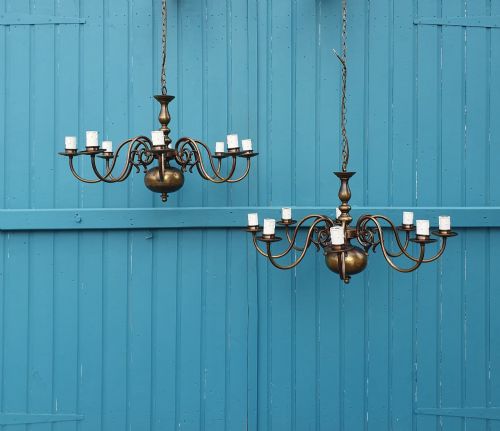
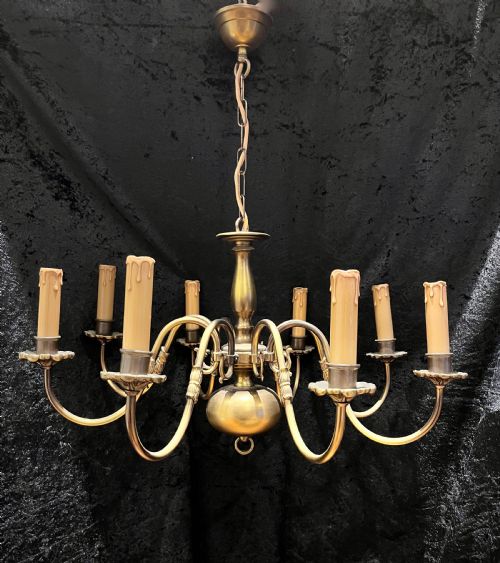
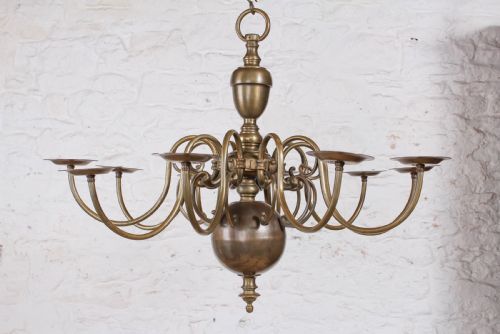
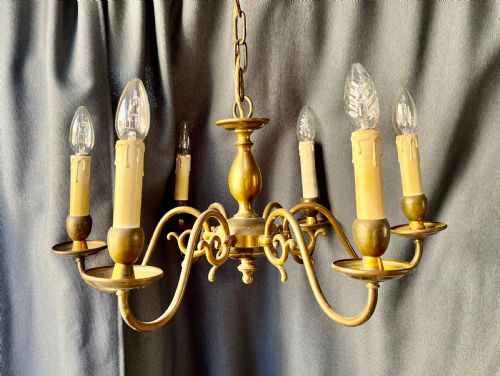
An antique flemish chandelier brings monumental brass or bronze work and multi-tiered branch candle forms straight into a grand interior.
Antique Flemish Chandelier
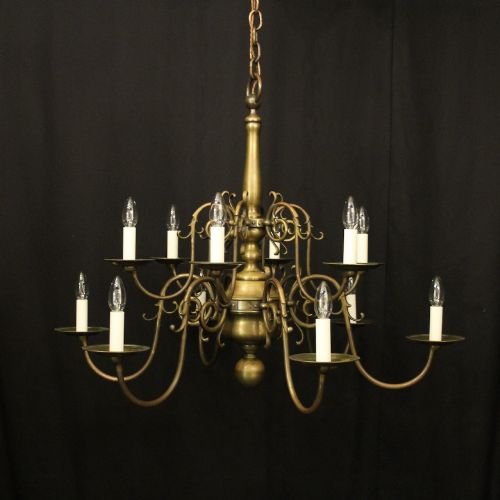
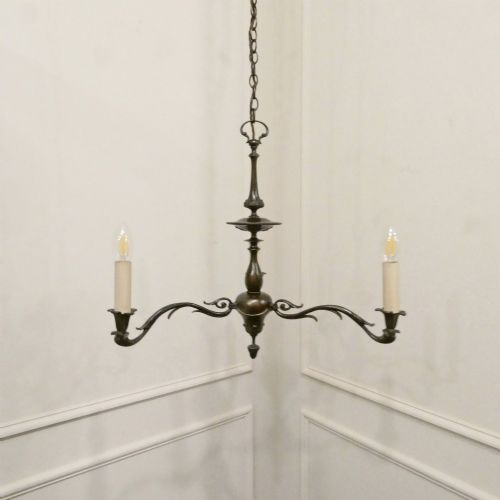
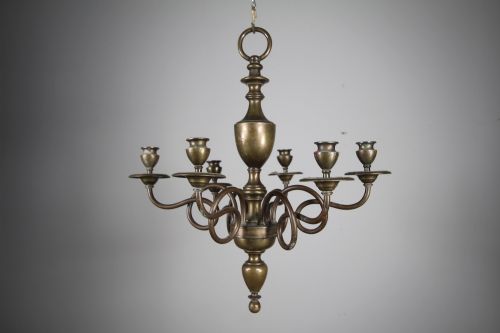
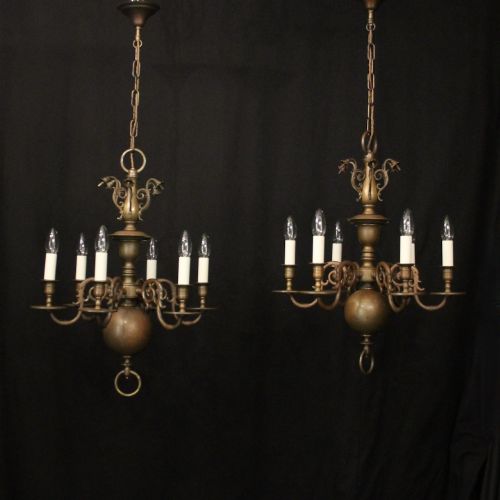
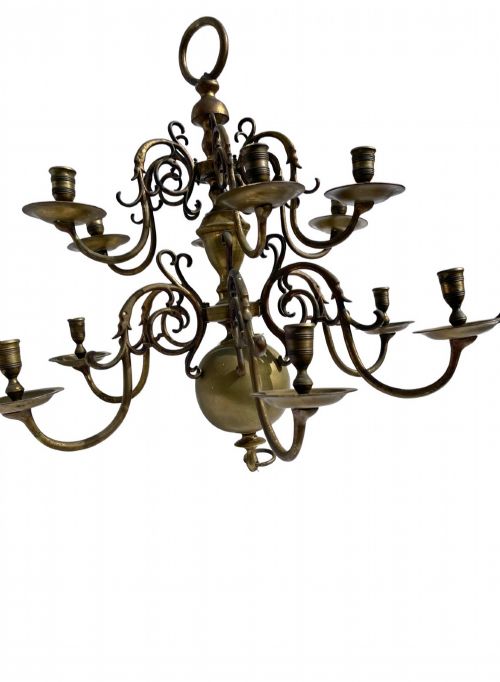
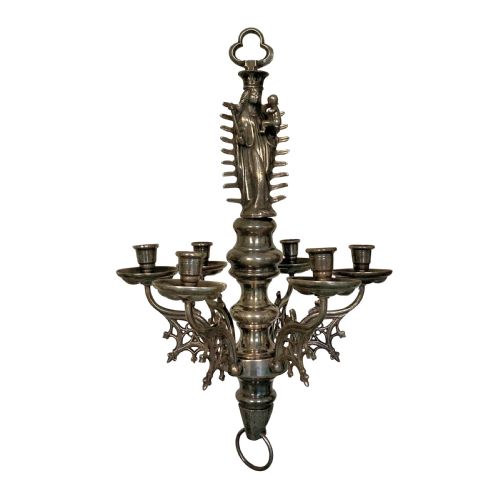
When you search for an antique flemish chandelier, you encounter multi-branched hanging light fixtures originating from periods spanning the eighteenth century through to the early twentieth century. These pieces draw heavily on Dutch Baroque, Flemish Renaissance, and Gothic design vocabularies, featuring substantial metalwork arranged in symmetrical tiers of arms.
The most common examples you meet on this page date from the nineteenth and early twentieth centuries, particularly the Edwardian era and the nineteen-twenties. These later interpretations capture the robust proportions and detailed casting of earlier eras while adapting to interior lighting requirements of their own time.
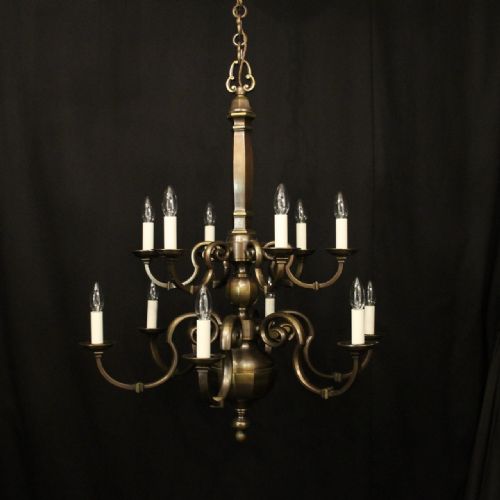
Forms vary from modest single-tier models with six or eight arms up to large two-tier configurations carrying twelve lights. Materials centre firmly on cast brass and bronze, occasionally accompanied by silver plating, creating a heavy and commanding presence overhead.
Materials and construction
The construction of these chandeliers relies upon heavy casting of brass and bronze, producing solid metal components that support multiple branching arms. Smiths and foundry workers shaped the central stems and scrollwork by hand, ensuring each branch aligned precisely around the main axis.
Surface finishing involves polishing or patinating the exposed metal to achieve deep tonal warmth, whilst rarer variants utilise silver plating over a brass base. Components are threaded or pinned together securely to bear the considerable weight of the multi-light structure.
Antique Flemish Chandelier Retail Price Guide 2026
Typical asking prices for flemish chandelier among the pieces listed under this phrase on Sellingantiques today, from the lower quarter to the upper quarter. They describe what is for sale here now, not the wider market.
Listings span periods from the eighteenth century through to the nineteen-thirties, with a strong concentration of early twentieth-century examples.
Markers of distinction
Quality in these chandeliers rests upon the crispness of the metal casting and the complexity of the arm configuration. Heavier gauge brass and deeply chased bronze details separate superior examples from simpler production pieces.
The harmony of the proportions dictates the overall visual success of the fixture, particularly in large two-tier layouts where balance is essential. Fine examples exhibit meticulous attention to the junction points where arms meet the central baluster.
The Antique Flemish Chandelier Glossary
- Baluster
- The central turned or cast column of the chandelier from which the arms radiate. It often incorporates decorative knops and urn shapes.
- Tier
- A distinct horizontal level of branching arms on a multi-layered chandelier. Large configurations commonly feature two distinct tiers.
- Arm
- The projecting metal branch that carries the light source at its extremity. These are frequently cast with scroll or S-curve profiles.
- Pendant
- A light fixture designed to hang downwards from the ceiling by a chain, rod, or cord. Most examples in this category function as hanging chandeliers.
- Chasing
- The hand-tooling of cast metal surfaces to refine details and remove casting flaws. This process enhances the depth of ornamental motifs.
Antique Flemish Chandelier: Frequently Asked Questions
How do I clean an antique brass chandelier?
Dust the metal surfaces regularly using a soft, dry cloth to prevent the accumulation of grime within the cast details. Avoid harsh commercial polishes that strip away the aged patination accumulated over decades.
For deeper cleaning, use a damp cloth with mild soap and dry thoroughly immediately afterwards. Ensure the power is completely disconnected before undertaking any maintenance.
Can these chandeliers be wired for modern electricity?
Most antique flemish chandeliers have been adapted for electricity during their lifespan or can be rewired by a qualified professional. Internal wiring must be carefully threaded through the hollow arms and central stem without damaging the historic structure.
Consult an electrician to ensure the heavy brass or bronze fixture is anchored securely to ceiling joists. Proper installation is critical given the substantial weight of these metal chandeliers.
What is the difference between Flemish and Dutch styles?
Flemish styles often incorporate heavier Gothic or Renaissance architectural motifs and robust proportions. Dutch Baroque designs typically emphasise scrolling brass arms radiating from a central baluster with polished reflective surfaces.
In practice, lighting makers frequently blended these regional characteristics, resulting in overlapping design terms across the nineteenth and twentieth centuries.
How do I determine the age of the chandelier?
Examine the casting quality, assembly methods, and metal composition to establish the likely period of manufacture. Eighteenth-century examples feature distinct hand-finished brass components and specific candle-cup formations compared to later twentieth-century reproductions.
Documentation, patination wear, and construction fasteners also provide reliable clues regarding whether a piece originates from the Edwardian era or earlier.