
Antique Embroidery
These pieces of antique embroidery span centuries of needlework, bringing textured panels, samplers, and practical furnishings into modern rooms.
Antique Embroidery
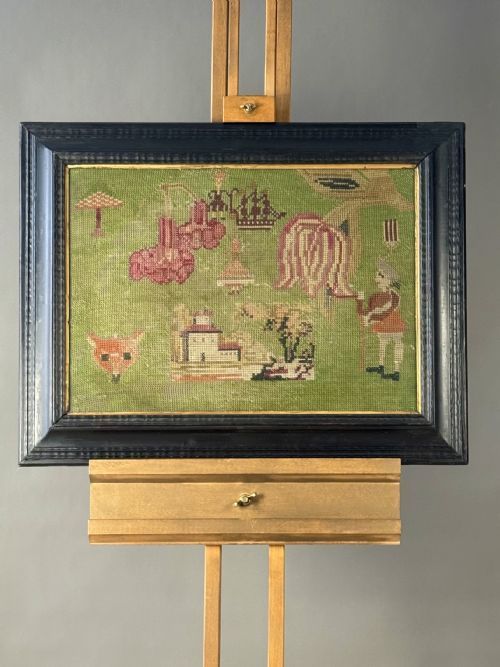
When buyers search for antique embroidery, they encounter a diverse range of textiles, from framed samplers and wall hangings to upholstered furnishings and ceremonial horse blankets. The most common examples on this page are Victorian wool work samplers, ornate needlepoint panels, and Central Asian dowry embroideries.
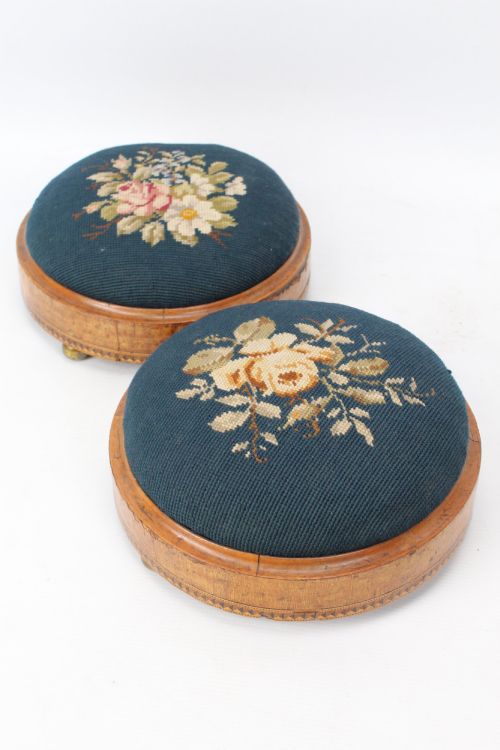
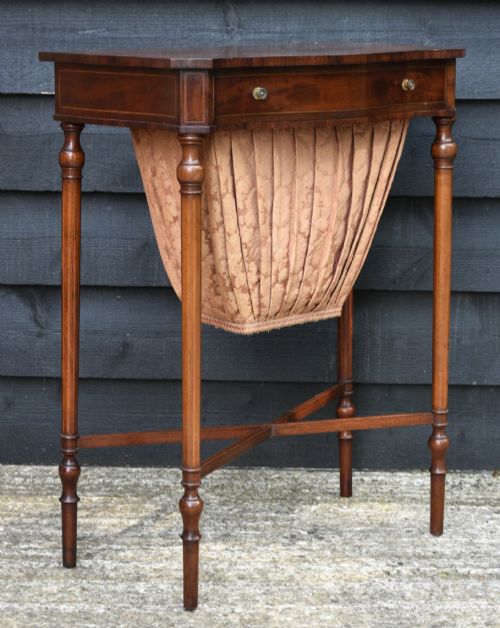
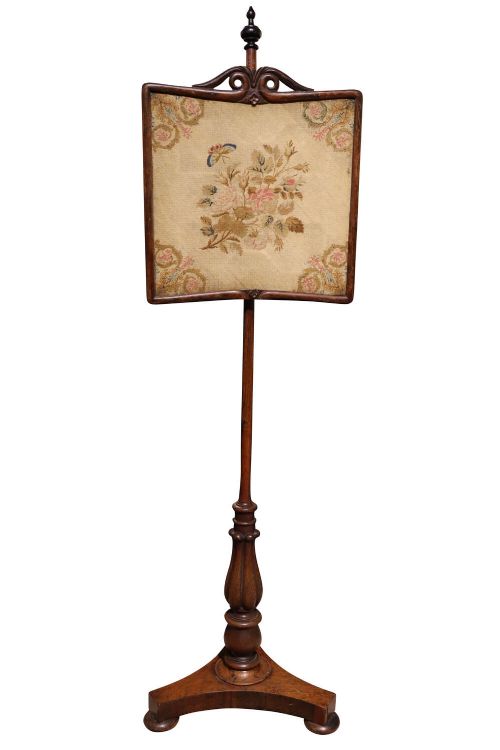
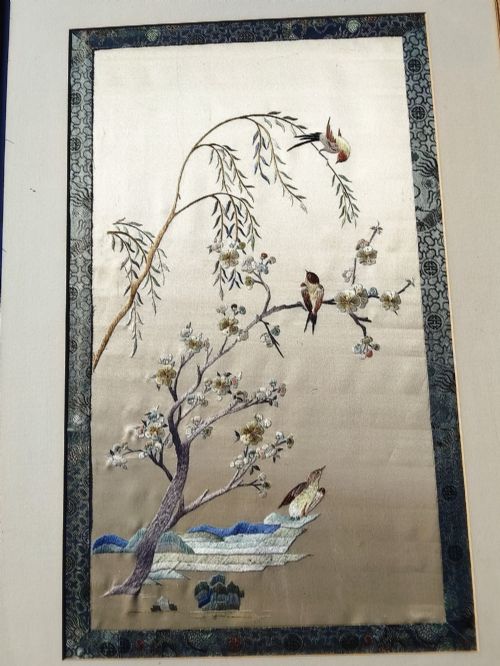
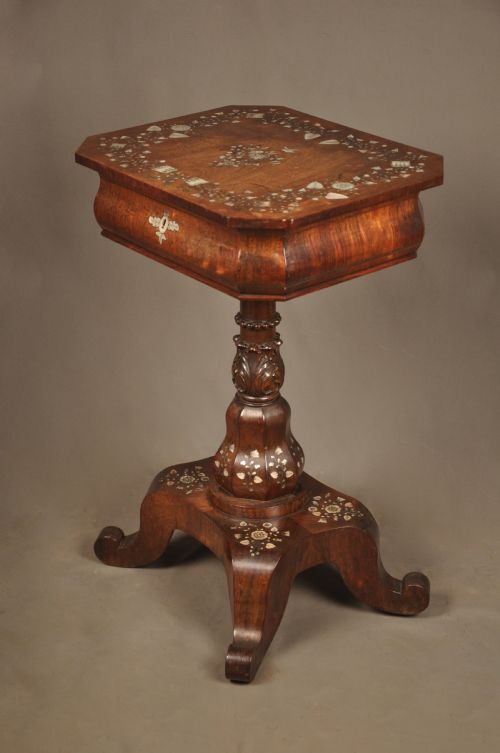
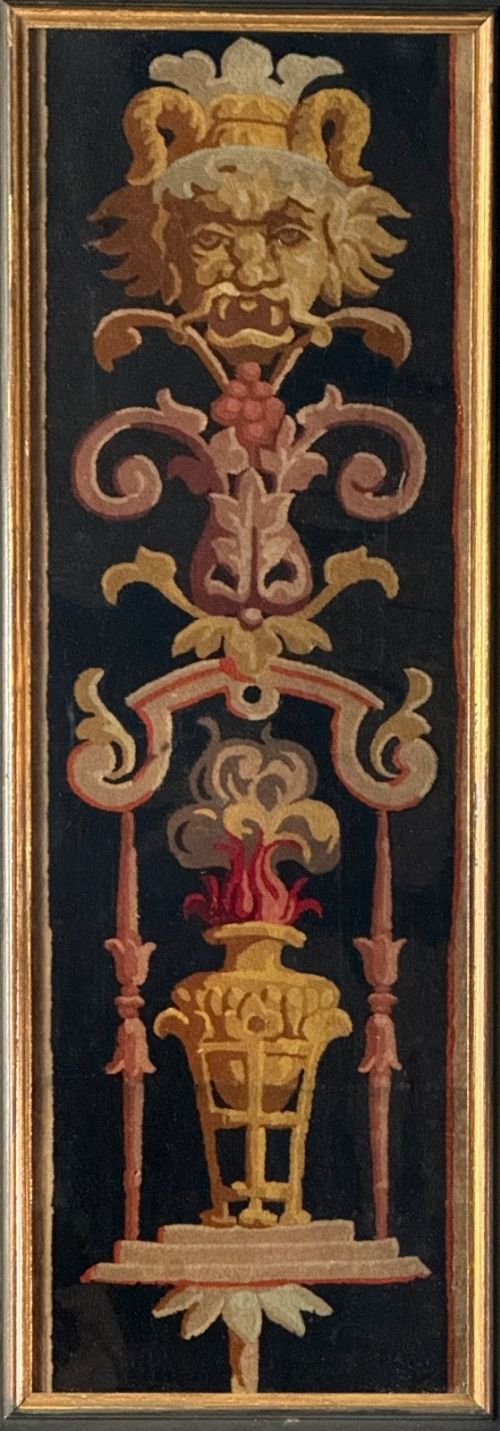
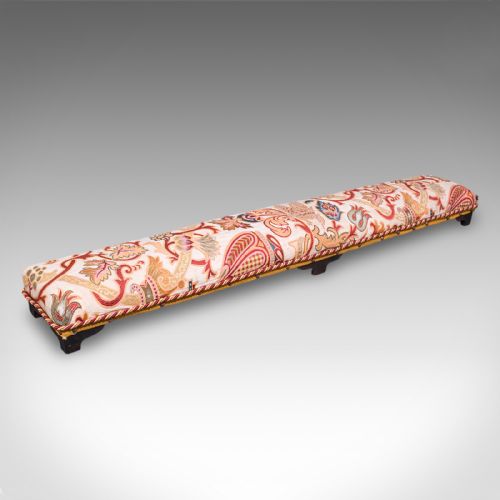
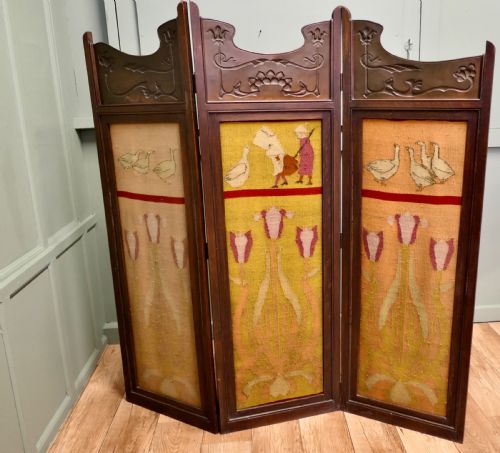
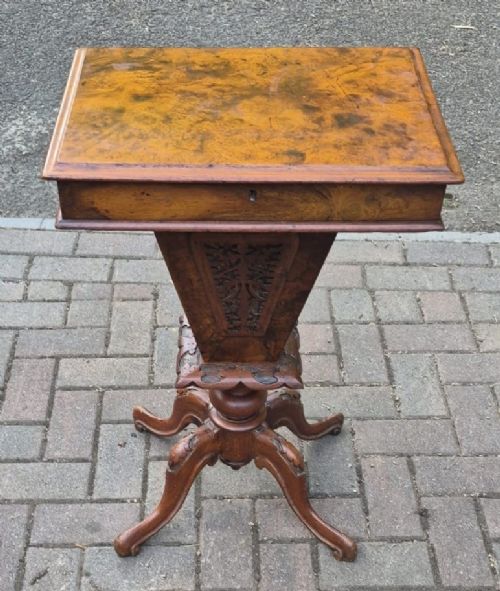
The selection includes functional household items such as fire screens, pole screens, footstools, and work tables integrated with needlework faces. European panels sit alongside Central Asian tribal wall hangings and Indian silk depictions.
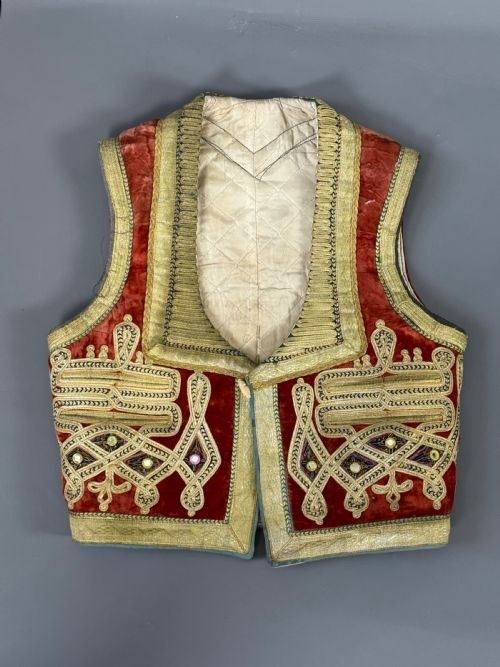
Origins stretch from seventeenth-century English crewelwork to twentieth-century tribal pieces from Uzbekistan. Buyers find both domestic samplers worked by children and elaborate court textiles produced with metallic thread.
How they were made
Needleworkers utilised grounds of linen, cotton, wool, and silk, applying threads of silk, wool, and metallic cord to build up the surface. Many pieces incorporate Berlin work or crewelwork techniques, executed on stretched canvases or woven fabrics.
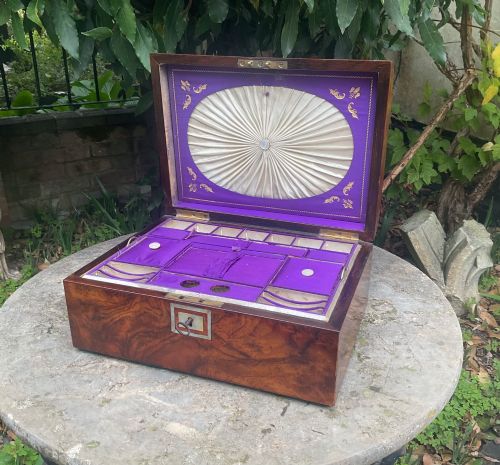
Wooden frames of mahogany, walnut, rosewood, and oak often house these textiles, sometimes joined by brass, glass, copper, and sterling silver elements in sewing kits and mounted screens.
Listings feature textiles spanning the seventeenth century to the twentieth century, employing silk, wool, cotton, and metallic thread on various grounds.
What varies in quality
Execution and material choice dictate the standing of a piece, separating domestic exercises from professional output. Dense stitching, precise colour blending, and the survival of original frames or mountings elevate the work.
The complexity of the design and the condition of the delicate fibres determine the overall standard, particularly in textiles exposed to light and handling over generations.
ASPREY
The Antique Embroidery Glossary
- Crewelwork
- Embroidery executed with wool yarn on a linen or cotton ground. This technique creates textured, flowing designs often seen on large wall hangings and curtains.
- Berlin work
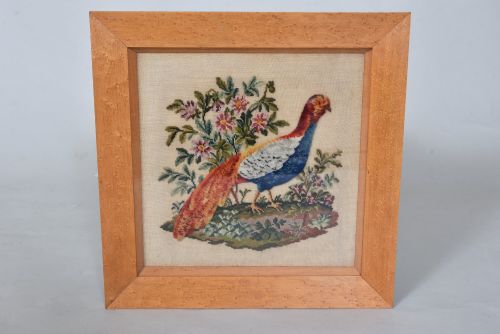
- A style of needlepoint popular in the nineteenth century that used charted patterns and brightly coloured wool. Stitchers worked these designs onto canvas grids to create cushions, footstools, and firescreens.
- Sampler
- A piece of embroidery produced by a maker to demonstrate proficiency in various stitches and alphabets. These often include dates and the maker's age.
- Suzani
- Large, embroidered tribal wall hangings from Central Asia, traditionally made as part of a bride's dowry. They typically feature silk chain stitch embroidery on a cotton or linen foundation.
- Pole screen
- A freestanding fireplace screen with an adjustable vertical panel that shielded the face from radiant heat. The panel usually displays needlework or tapestry.
- Etui
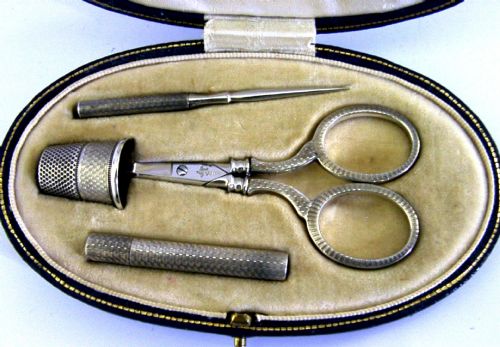
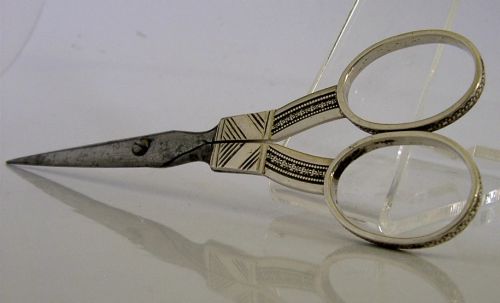
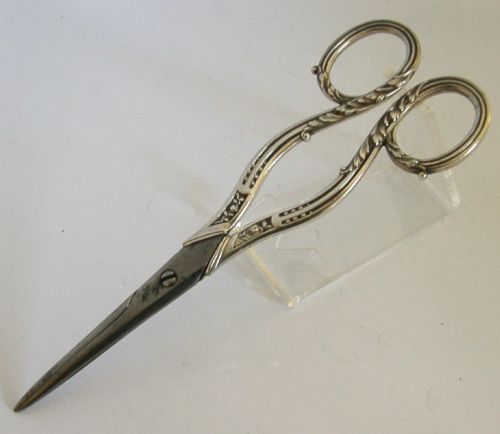
- A small decorative case used for holding sewing implements like needles, scissors, and thread. These containers often employ sterling silver, wood, or tortoiseshell.
Antique Embroidery: Frequently Asked Questions
How are antique embroidered panels displayed?
Many framed textile panels and samplers hang directly on walls using standard picture fixings, while larger crewelwork pieces suit open wall spaces without glass.
Fire screens and pole screens stand independently on the floor, functioning in their original capacities near hearths or in reception rooms.
How do I date a needlework sampler?
Makers frequently stitched their names, ages, and specific years directly into samplers, providing a direct record of creation. Stylistic clues such as alphabet fonts, motifs, and framing materials also help narrow down the decade.
Victorian examples often display tighter wool stitches and floral borders, whereas eighteenth-century pieces tend to feature refined linen grounds and simpler lettering.
Can I use antique footstools daily?
Footstools and work tables featuring needlework upholstery remain sturdy enough for light daily use if the underlying wooden frame is sound. Gentle placement ensures the fragile antique wool or silk stitching avoids excessive friction.
Heavily degraded needlepoint panels benefit from preservation behind glass or minimal physical contact.