

Antique Dresser with Cupboards
An antique dresser with cupboards brings solid timber storage and display to a room, offering practical shelves above and enclosed cabinet space below.
Antique Dresser with Cupboards
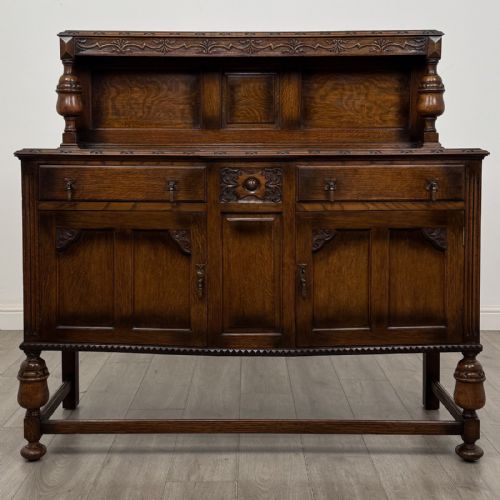
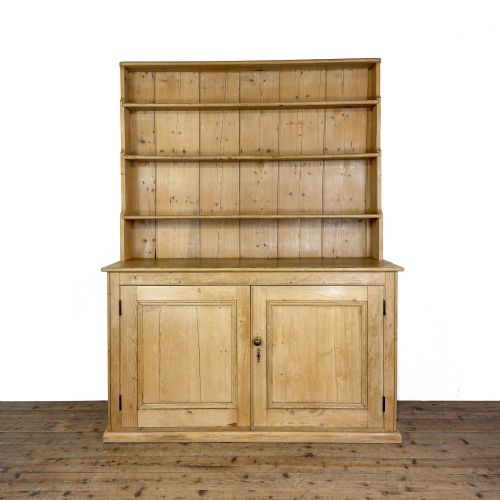
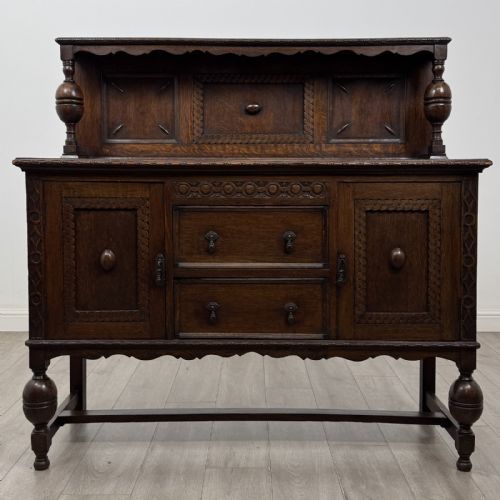
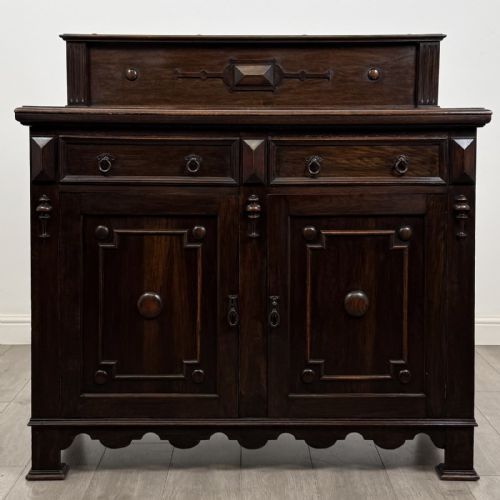
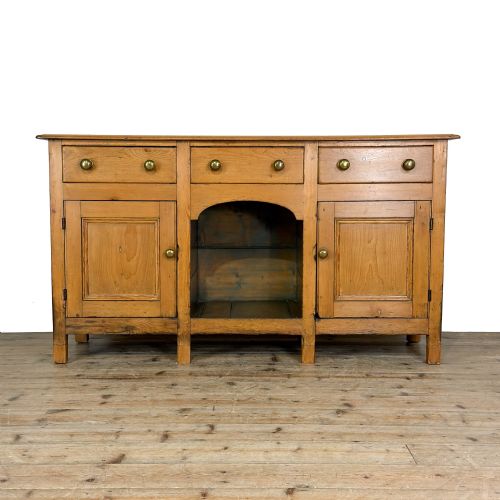
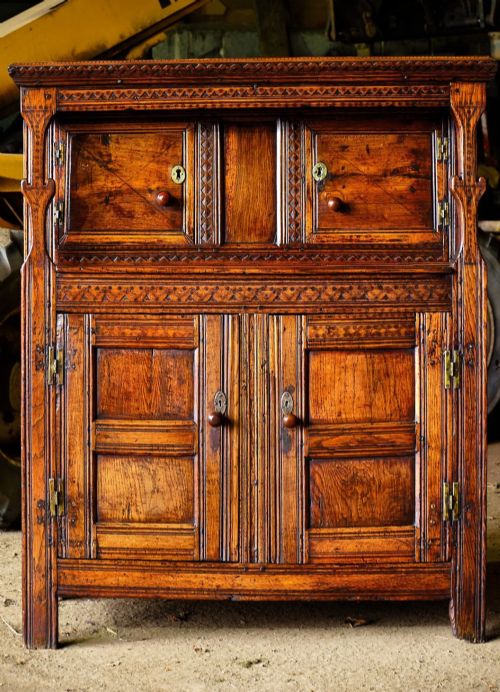
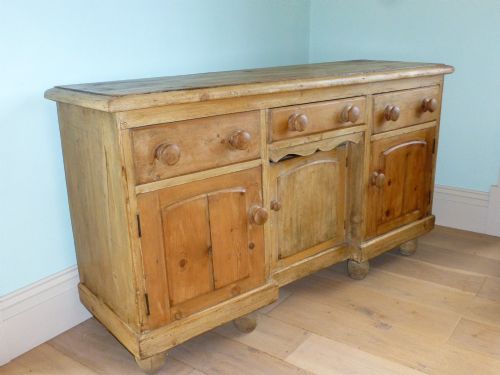
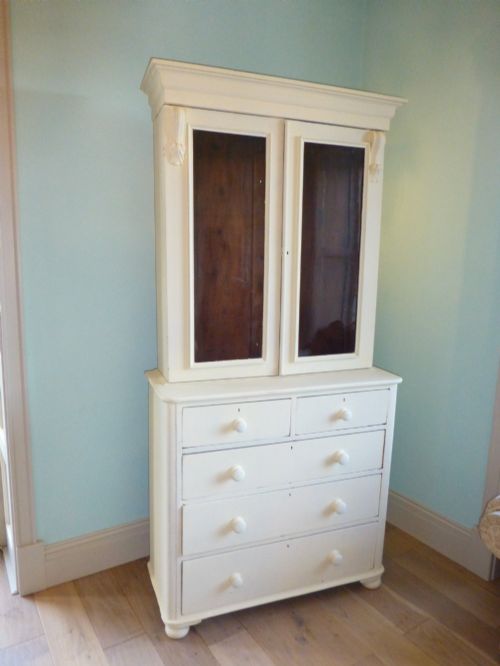
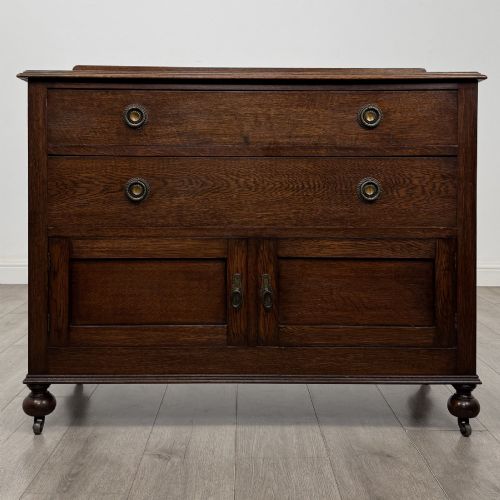
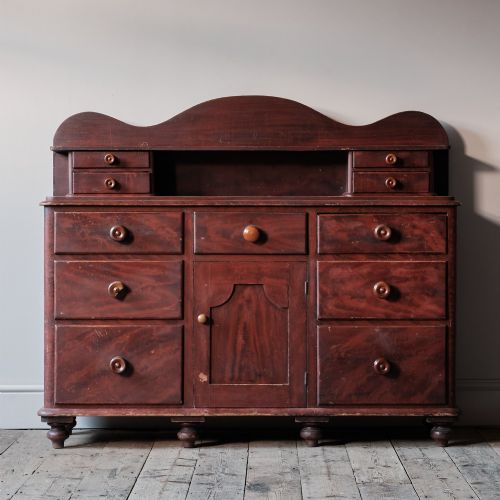
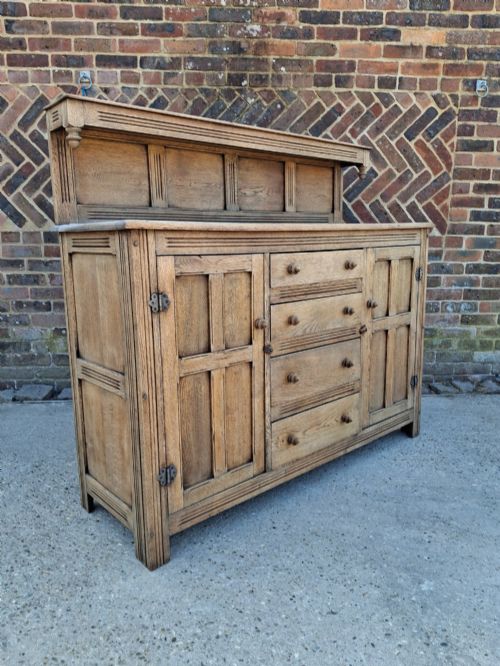
An antique dresser with cupboards combines open shelving or a glazed rack for display with enclosed base cabinets or side drawers for storage. The pieces listed span Georgian, Victorian, Edwardian and 1920s periods, drawing on English, Welsh, Scottish, French and West Country traditions.
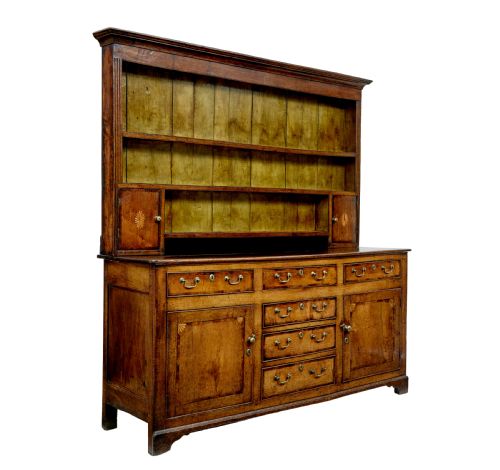
Buyers will most frequently encounter sturdy oak and pine examples from the eighteenth and nineteenth centuries. These range from substantial Welsh dressers with plate racks to simpler dresser bases and corner cupboards intended for domestic kitchens and dining spaces.
Regional variations appear across the selection, including North Wales dressers, Lancashire dresser bases, and French Provincial walnut designs. Each regional type reflects local vernacular cabinetry, timber availability and domestic storage habits.
Materials and construction
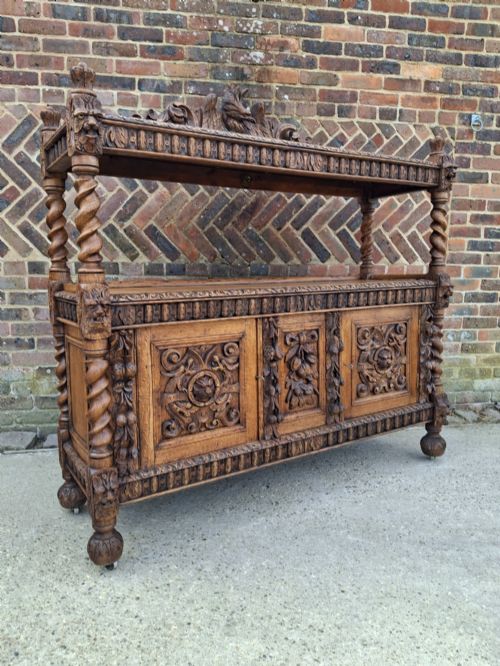
Makers relied primarily on native hardwoods such as oak, mahogany and walnut alongside softer timbers like pine. Crossbanding, brass hardware and carved detailing, including green man motifs, were applied to enhance the timber surfaces.
Construction methods involve traditional joinery, housing open plate racks above planked dresser bases or housing glass doors within glazed upper display sections. Surfaces are often finished with traditional wax or left in their original painted state.
Antique Dresser with Cupboards Retail Price Guide 2026
Typical asking prices for dresser with cupboards among the pieces listed under this phrase on Sellingantiques today, from the lower quarter to the upper quarter. They describe what is for sale here now, not the wider market.
Regional forms include North Wales dressers, Lancashire bases and French Provincial commodes.
Judging the work
Quality rests upon the choice of timber and the integrity of the original construction. Dense native oak and well-figured mahogany demonstrate superior material selection compared to standard utility pine.
The sophistication of the joinery and carving distinguishes finer examples. Hand-cut dovetails in the drawers, well-proportioned raised galleries, and integrated plate racks reflect the skill of the original workshop.
The Antique Dresser with Cupboards Glossary
- Plate rack
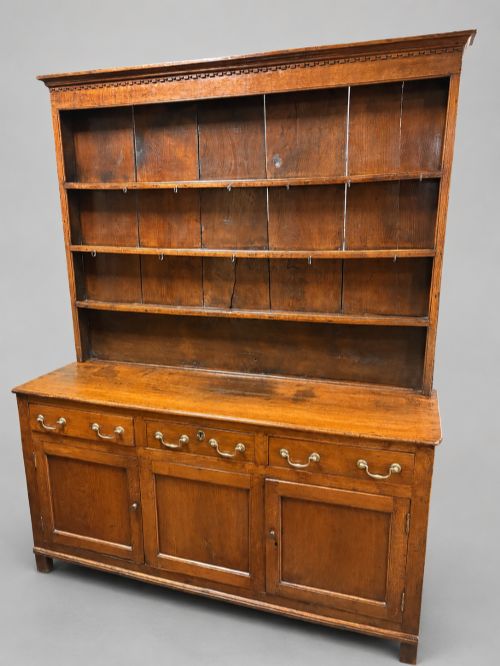
- A set of open shelves mounted above a dresser base specifically designed to display ceramic plates and platters.
- Dresser base
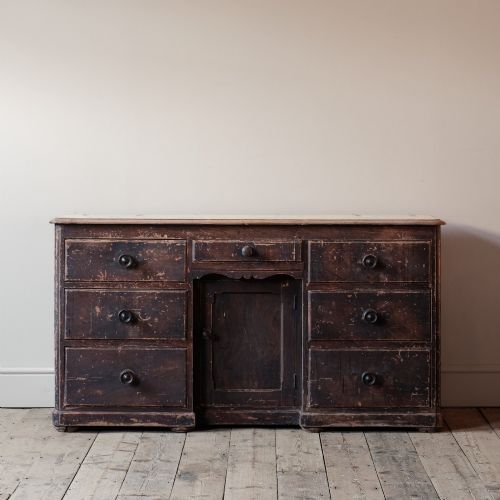
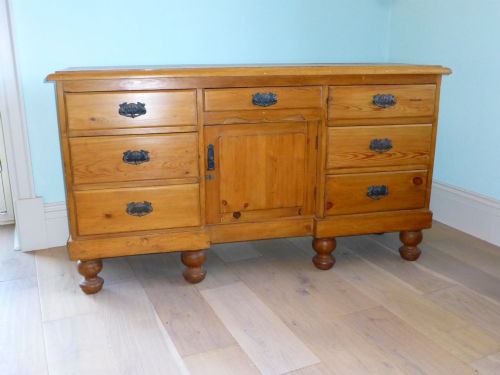
- The lower section of a dresser featuring cupboards or drawers without the upper shelving superstructure.
- Welsh dresser
- A traditional form featuring an open rack for plates positioned directly above a base fitted with drawers and cupboards.
- Crossbanding
- A decorative border technique where thin strips of veneer are laid across the grain of the primary wood.
- Glazed top
- An upper cabinet section fitted with glass panes in wooden framing to protect books or display items from dust.
Antique Dresser with Cupboards: Frequently Asked Questions
What is a dresser base?
A dresser base is the lower part of a traditional kitchen or dining room dresser, equipped with storage drawers and cupboards.
Unlike a complete dresser, it lacks the upper plate rack, offering a flat top surface similar to a sideboard.
How do I care for waxed pine?
Waxed pine surfaces require periodic application of traditional beeswax to nourish the timber and maintain a soft sheen.
Keep these pieces away from direct heat sources and moisture to prevent the wood from drying out or warping.
What is a Welsh dresser?
A Welsh dresser is a traditional piece featuring an open shelving rack positioned above a base of drawers and cupboards.
These pieces were originally used in farmhouse kitchens for storing and displaying everyday tableware.
How do I distinguish oak from pine?
Oak is a heavy hardwood featuring prominent growth rings and medullary rays that create a distinct grain figure.
Pine is a softer, lighter timber that is often painted or finished with a warm wax to highlight its knots.