




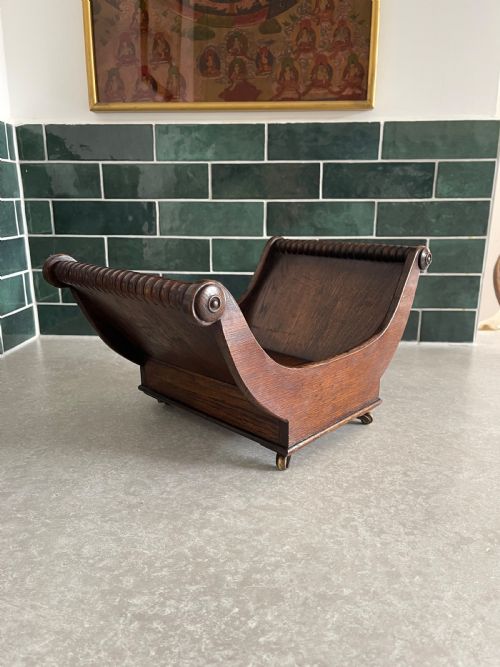


Antique Dining Trolley
An antique dining trolley brings practical nineteenth-century serving solutions to the modern room through tiered wooden shelves and original castors.
Antique Dining Trolley
When you search for an antique dining trolley, you encounter practical serving furniture designed to move food and drink across the room during meals. The selections here span the Georgian, Victorian, and Edwardian periods, alongside William IV and Aesthetic Movement examples.
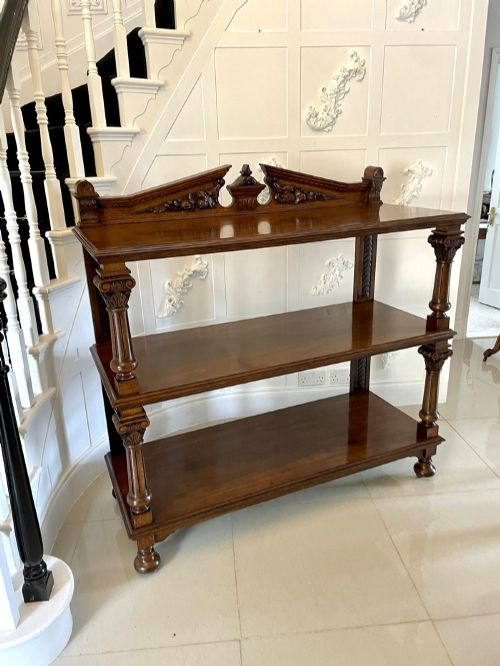
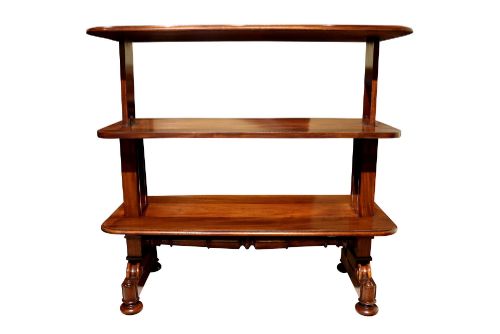
The most common form met on this page is the multi-tiered dumb waiter or buffet, frequently constructed in mahogany, oak, or walnut. Pieces range from simple three-tier stands to substantial cupboard bases and rise and fall mechanisms.
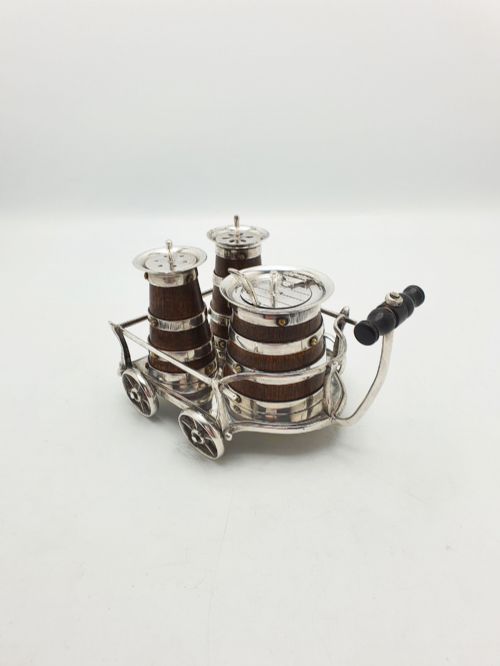
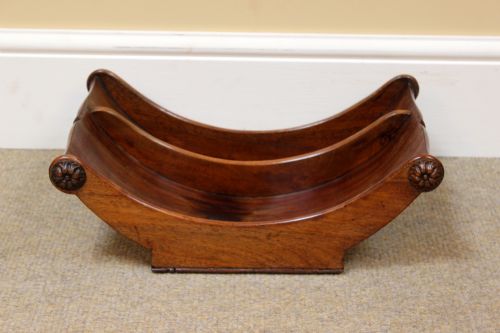
Alongside large sideboards and buffets, the category includes smaller tabletop items such as mahogany cheese coasters and silver-plated condiment sets. These items share the primary function of assisting hospitality and service in a dining setting.
Materials and construction
Cabinet makers relied heavily on timber solids and veneers, primarily selecting dense hardwoods such as mahogany, oak, walnut, and pollard oak. These woods provided the structural integrity required for multi-tiered shelves and heavy cupboard bases.
Functional hardware defines these pieces, with brass castors fitted to legs and bases to ensure smooth movement across dining room floors. Silver plate appears on smaller tableware accessories like condiment sets and bottle coasters.
Antique Dining Trolley Retail Price Guide 2026
Typical asking prices for dining trolley among the pieces listed under this phrase on Sellingantiques today, from the lower quarter to the upper quarter. They describe what is for sale here now, not the wider market.
Georgian hosts utilised rolling cheese coasters on the dining table so guests could wheel Stilton back and forth without stretching.
Separating top examples from the rest
Quality rests in the crispness of the timber carving and the sophistication of the mechanical elements, such as rise and fall tier mechanisms. Superior examples display carefully chosen wood grains and solid proportions that balance weight distribution across multiple levels.
Originality of components marks the finer pieces, particularly retaining authentic castors and uncompromised structural joints. The integration of functional cabinetry, such as fitted cupboards or drop leaves, elevates the ambition of the design.
The Antique Dining Trolley Glossary
- Dumbwaiter
- A multi-tiered stand used for holding dishes and serving food without the need for an attendant servant. These tiered wooden pieces form the backbone of the dining trolley category.
- Cheese coaster
- A small trolley or tray on castors designed to hold a wheel of cheese and move along the dining table surface. They are typically formed from mahogany or oak with turned wooden bases.
- Rise and fall
- A mechanical function allowing shelves or tiers to be adjusted to different heights. This movement relies on central columns and threaded or notched supports.
- Castor
- A small wheel mounted on a swivel attached to the legs of furniture for ease of movement. Original brass castors help establish the period authenticity of a dining trolley.
- Buffet
- A sideboard or serving table used for displaying food and storing dining accessories. In nineteenth-century examples, these often incorporate lower cupboards and tiered upper shelving.
Antique Dining Trolley: Frequently Asked Questions
What is an antique dining trolley?
An antique dining trolley is a piece of movable serving furniture, most commonly seen as a multi-tiered dumb waiter or buffet from the Georgian or Victorian eras.
These pieces were designed to hold dishes, bottles, and tableware close to the dining table during meals.
How were dumb waiters used?
Dumb waiters served as auxiliary tables during dinner parties to reduce the need for servants in the room.
Guests or hosts could reach for extra plates, wine bottles, and courses directly from the rotating or tiered shelves.
What woods were used?
Cabinet makers predominantly used rich hardwoods such as mahogany, walnut, and oak for structural durability and visual warmth.
More decorative items occasionally utilised pollard oak veneer or incorporated brass and silver-plated metalwork.
How do I identify a Victorian trolley?
Victorian examples often feature heavier proportions, three-tier shelving, and robust mahogany or walnut construction.
Details such as carved wooden ornamentation and original brass castors help point toward nineteenth-century workshop origins.
Can I use these for serving today?
These pieces integrate easily into modern rooms as drinks trolleys, side tables, or display shelving for dining accessories.
Their original castors and sturdy wooden tiers continue to offer practical mobility and storage.