



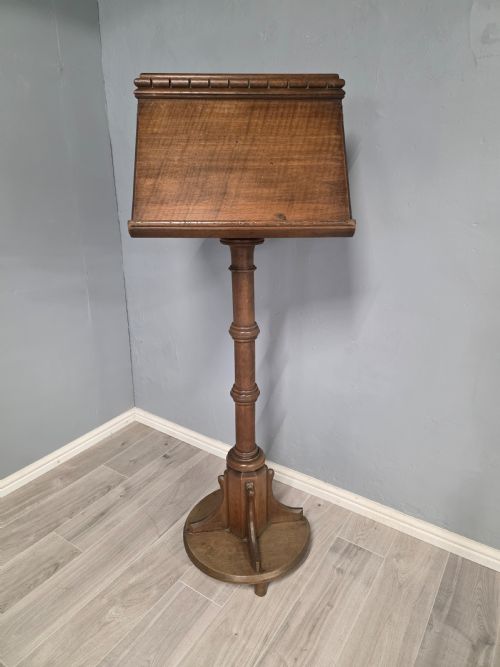


Antique Dictionary
These antique dictionary stands and reading furniture pieces offer practical elegance for libraries and studies.
Antique Dictionary
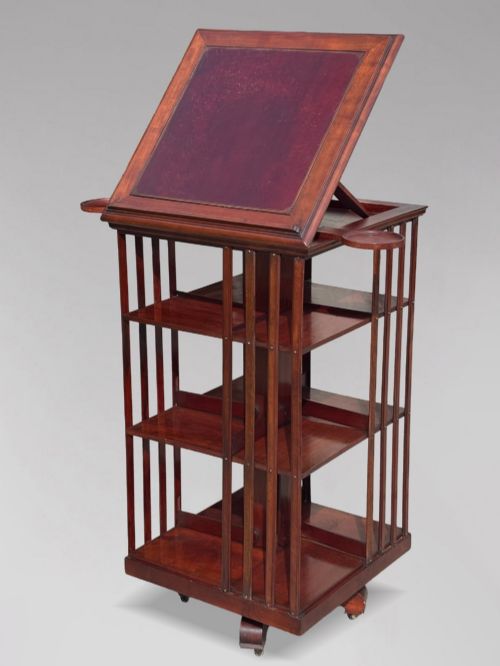
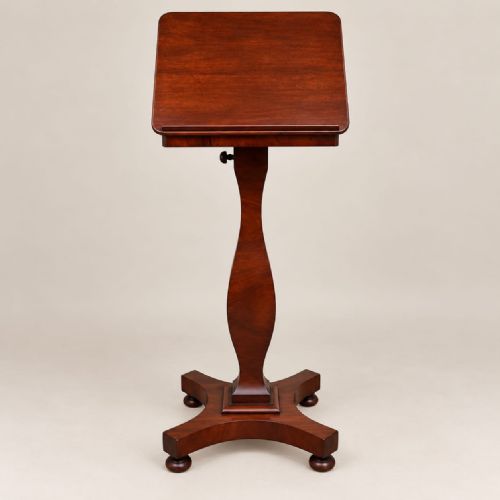
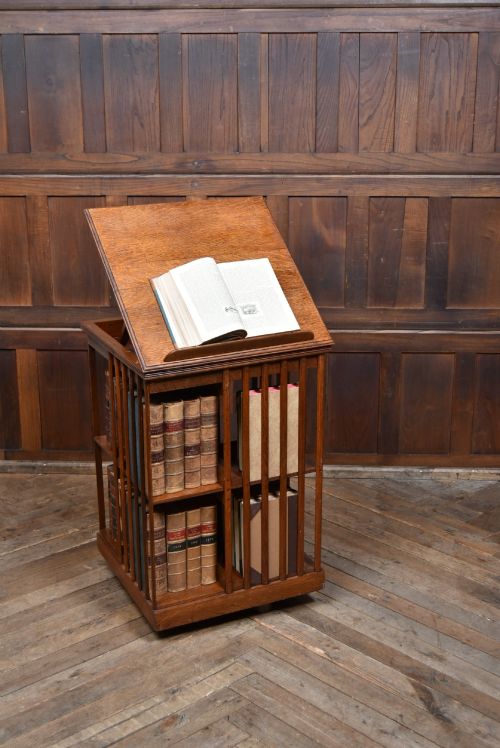
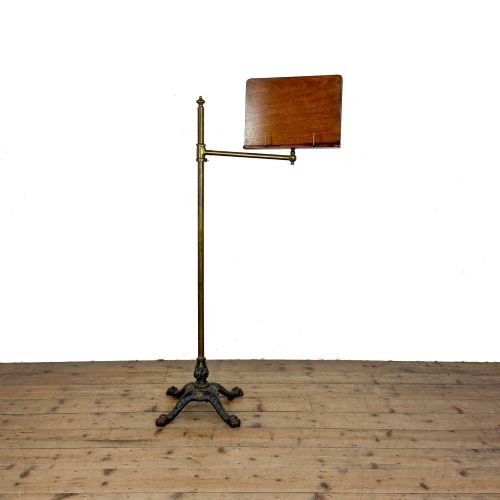
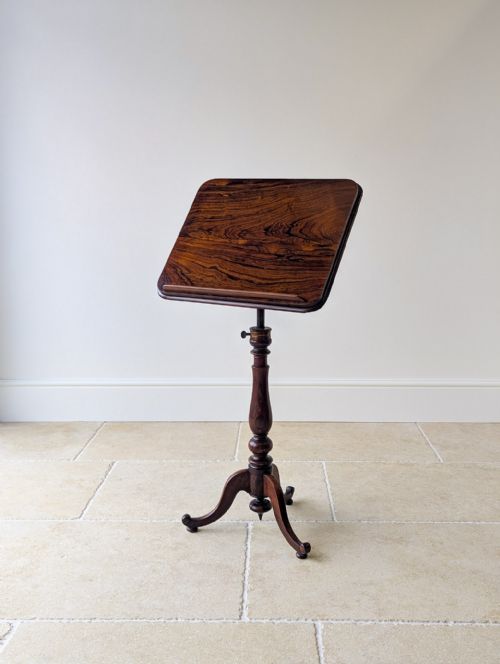
When you search for an antique dictionary stand, you encounter pieces designed to hold large volumes, reading stands, lecterns, and revolving bookcases. The selection spans 18th Century, Regency, William IV, Victorian, and Edwardian periods, reflecting varied uses for study and display.
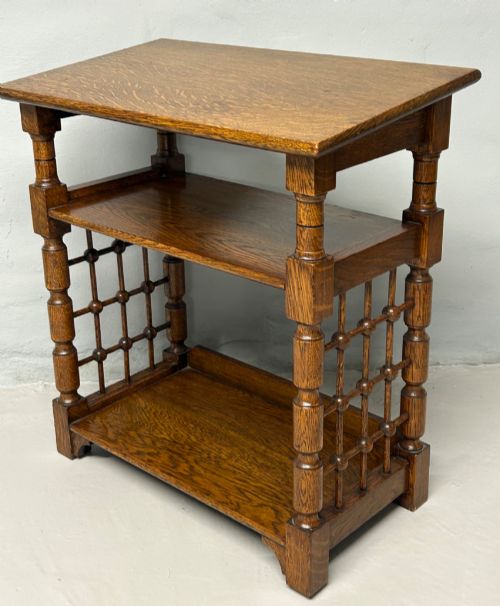
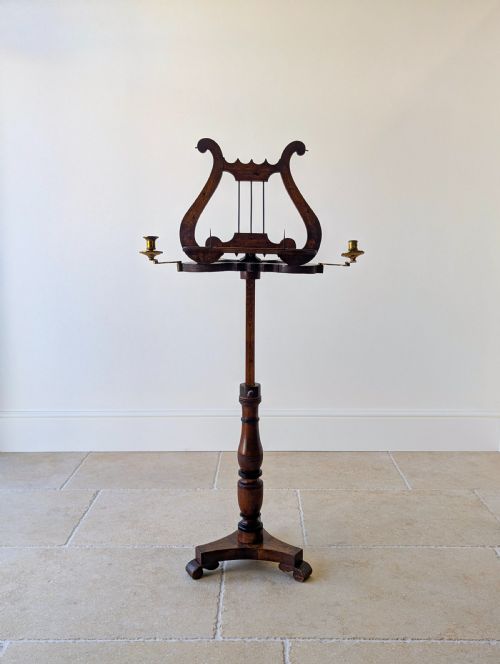
Most items you meet on this page take the form of reading stands, music stands, and revolving bookcases. Mahogany, oak, and rosewood feature heavily, alongside occasional brass work and leather components.
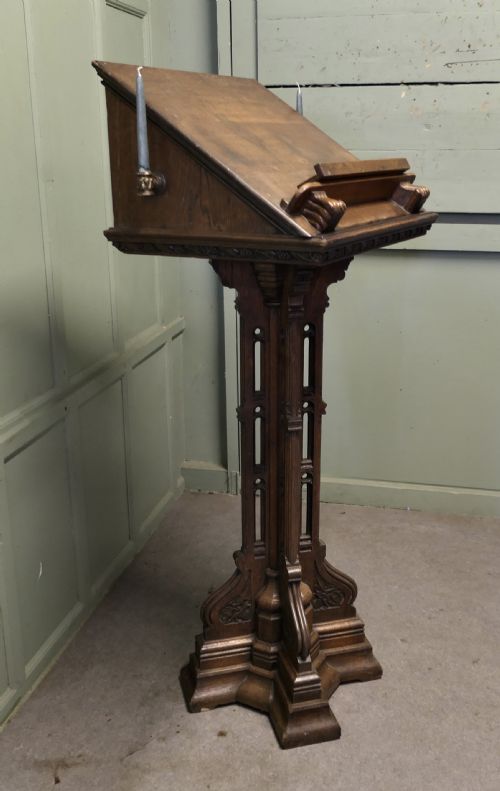
Origins range from English workshops to 19th Century French cabinets and ecclesiastical settings. Church lecterns and restaurant reception stations also appear among the domestic reading tables.
How they were made
Cabinetmakers utilised dense timbers like mahogany, oak, rosewood, walnut, and gonçalo alves to build sturdy reading furniture and revolving bookcases. Brass work provides the mechanism for adjustable stands, book rests, and revolving frames.
Carving, ebonising, and glass elements appear across specific pieces, while cast iron supports heavier church lecterns and industrial-influenced designs. Construction methods vary from tripod bases to heavy table stands and multi-tiered revolving structures.
Antique Dictionary Retail Price Guide 2026
Typical asking prices for dictionary among the pieces listed under this phrase on Sellingantiques today, from the lower quarter to the upper quarter. They describe what is for sale here now, not the wider market.
A solitary restaurant greeter station stands ready to seat diners, complete with its own light and a lingering sense of 1890s hospitality.
What varies in quality
The sophistication of the adjusting mechanisms and brass fittings largely determines the quality of a reading stand or music lectern. Smooth movement in adjustable heights and tilting book rests shows superior workshop execution.
Timber selection and carving detail set pieces apart, from plain oak and pine constructions to finely figured mahogany, rosewood, and gonçalo alves with detailed carving. The integration of revolving mechanisms or specialised lyre-forms reflects higher craftsmanship.
Harrods
The Antique Dictionary Glossary
- Lectern
- A tall stand with a slanted top designed to hold a book for reading aloud. They frequently appear in church and institutional contexts.
- Revolving bookcase
- A freestanding tiered bookcase built on a rotating base to allow access to volumes from every angle. These often utilise mahogany or oak.
- Gonçalo alves
- A dense exotic timber with distinctive figuring, utilised in fine 19th Century tripod stands. It provides rich colour variations.
- Lyre-form
- A decorative motif shaped like an ancient musical instrument, often seen supporting the surfaces of music stands and reading tables.
- Metamorphic
- Furniture designed to transform from one form into another, such as an occasional table adapting into a reading stand.
Antique Dictionary: Frequently Asked Questions
What is an antique dictionary stand used for?
These pieces were originally built to hold heavy reference volumes, folios, and church service books at a comfortable reading angle. Many incorporate adjustable ledges or revolving tiers for easy consultation in libraries and studies.
Today, they serve equally well as prominent display surfaces in modern homes or as functional reading desks for contemporary books and tablets.
How do I identify a Victorian reading stand?
Victorian examples frequently employ dense timbers like mahogany and oak, often featuring brass adjustment mechanisms and carved details. Stylistic markers range from Gothic Revival church lecterns to heavy domestic revolving bookcases.
Examining the construction methods and the wear on the brass fittings helps distinguish mid to late 19th Century production from later reproductions.
What is the difference between a lectern and a reading table?
A lectern typically stands tall with a steeply slanted top designed for a speaker or reader standing up. They often appear in oak or pine as church furniture or heavy institutional pieces.
By contrast, a reading table offers a lower surface, sometimes with an adjustable or tilting book rest, intended for seated use in a library or drawing room.
How do I care for antique mahogany reading furniture?
Keep wooden reading stands away from direct heat sources and strong sunlight to prevent the timber and any leather components from drying out. Dust regularly with a soft cloth and avoid chemical polishes that can build up over time.
Gentle application of bees-wax helps maintain the natural lustre of mahogany, rosewood, and walnut surfaces without harming the original finish.