





Antique Desk Sign
These pieces sold as an antique desk sign bring metalwork and woodcarving to a workspace, offering a solid period utility that buyers seek.
Antique Desk Sign
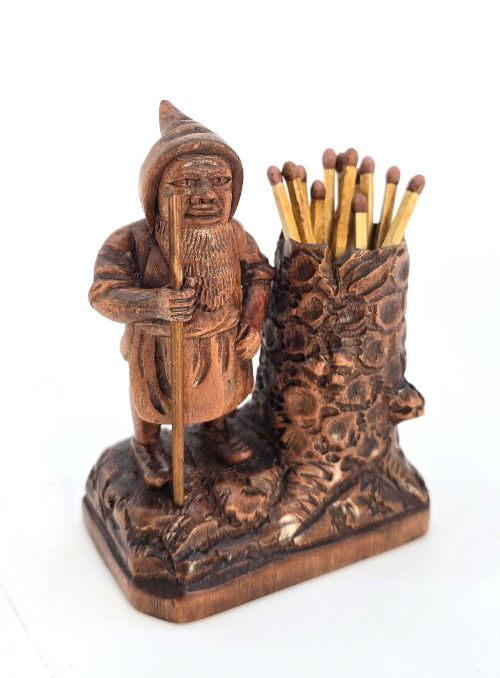
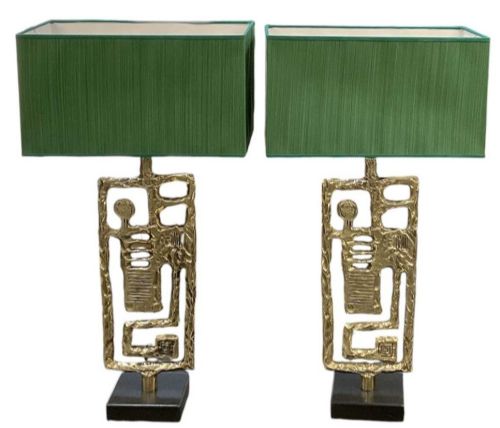
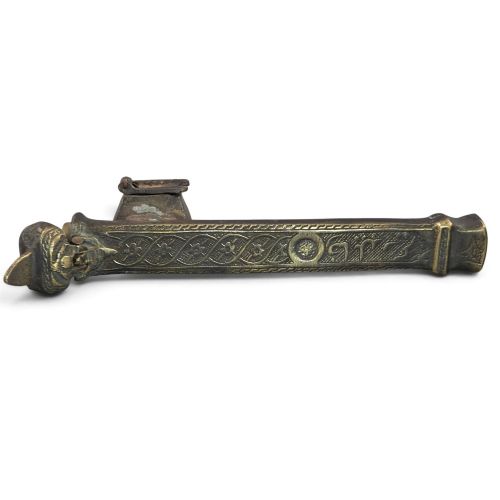
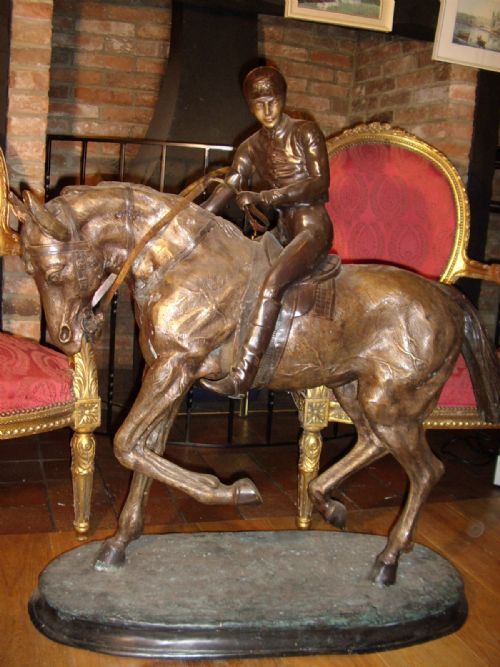
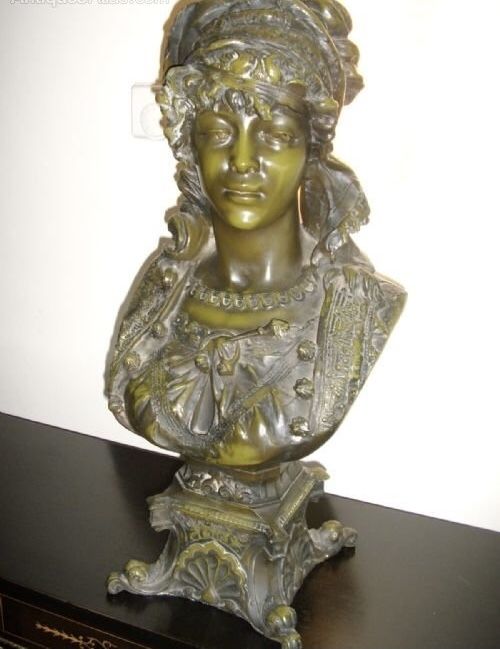
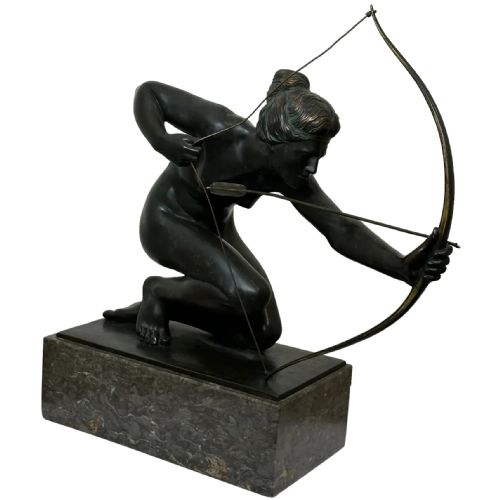
When searching for an antique desk sign, buyers encounter varied items from the eighteenth century to the mid-twentieth century, including bronze, brass, limewood, and ebonised wood. The inventory covers diverse styles such as Regency, Art Deco, and French nineteenth-century objects.
The assortment on this page spans desk accessories, sculptures, and mantel clocks, reflecting the broad interpretation of workspace items across periods like 1880, 1910, and 1930.
Materials and construction methods
Objects use bronze and brass cast through traditional foundry methods, alongside carved limewood and mahogany structures.
Finishes incorporate gilding and ebonisation on wood surfaces, demonstrating period craftsmanship across diverse forms.
Antique Desk Sign Retail Price Guide 2026
Typical asking prices for desk sign among the pieces listed under this phrase on Sellingantiques today, from the lower quarter to the upper quarter. They describe what is for sale here now, not the wider market.
Listings feature bronze, brass, limewood, and mahogany across periods from the 18th century to 1950.
Distinctions in quality
Fineness of chisel work in carved limewood and precision in bronze casting separate standard examples from superior pieces.
Clarity of signatures and integrity of original patination indicate the level of craftsmanship in each work.
The Antique Desk Sign Glossary
- Limewood
- A pale timber favoured for intricate carving due to its fine grain and lack of prominent growth rings. Carvers utilised its uniform texture for detailed figures.
- Bronze
- An alloy of copper and tin utilised for sculptural casts. It takes a fine patina and holds sharp details from the mould.
- Regency
- A British stylistic period spanning the early nineteenth century. It is defined by classical restraint and refined proportions.
- Ebonised wood
- Timber treated with a dark stain or finish to imitate ebony. This technique provided a stark, formal contrast in period interiors.
Antique Desk Sign: Frequently Asked Questions
What periods do these desk items cover?
The listings span from the eighteenth century through the Regency era and into the twentieth century, including Art Deco and 1950 pieces.
Materials range from cast bronze and brass to carved limewood and mahogany.
How are bronze pieces constructed?
Makers utilised traditional metal-casting techniques to shape bronze and brass into sculptures, inkwells, and desk accessories.
Surfaces often display patination developed through age and handling.
Are these objects signed by makers?
Many items feature signatures or marks from period makers, sculptors, and workshops.
These inscriptions help identify the origin and period of the work.
What woods appear in these listings?
Makers utilised limewood for detailed carving work and mahogany for structural pieces.
Ebonised finishes also appear on timber objects to create a dark, uniform surface.