




Antique Deer Art
Antique deer art captures the grace of stags and fawns across centuries through oil paintings, carved wood sculptures, and bronze figures.
Antique Deer Art
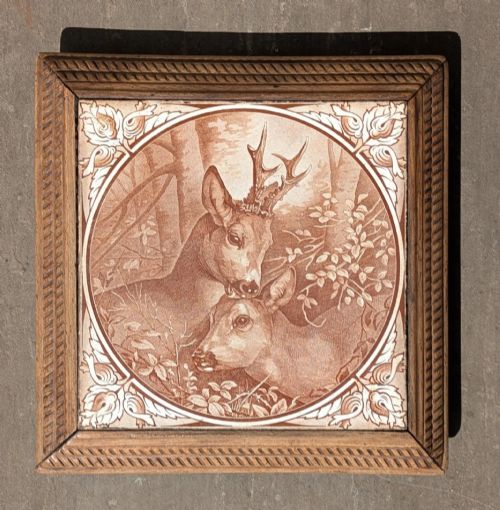
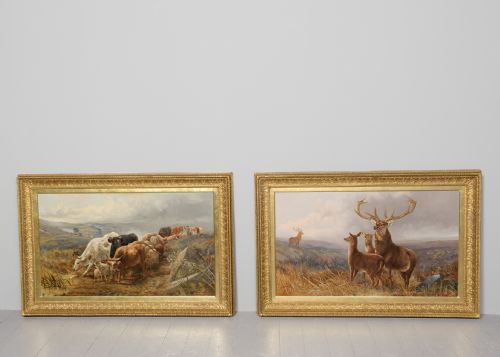
Antique deer art encompasses a diverse range of depictions featuring stags, fawns, and antelopes across various creative mediums. When exploring this category, buyers encounter everything from large oil paintings and pastels to carved wooden trophies and bronze sculptures. The forms span domestic decorative objects, jewellery pendants, and substantial wall art.
The pieces on this page emerge from distinct historical periods, stretching from the eighteenth century through the Victorian era and into the Art Deco epoch. Highland romanticism and Victorian realism sit alongside folk art carvings and French country objects. This variety reflects how different eras translated the natural majesty of deer into decorative and fine art.
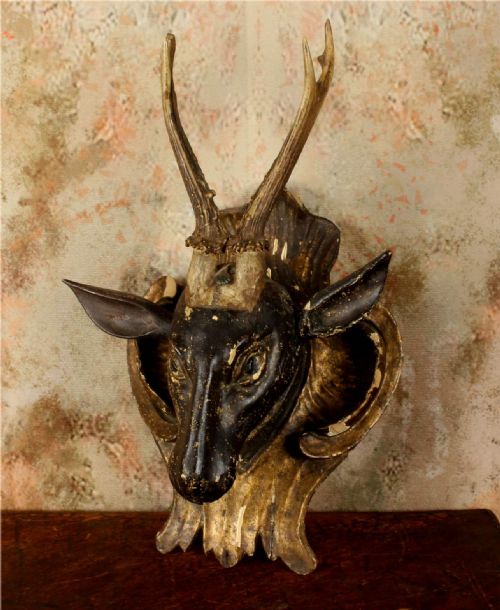
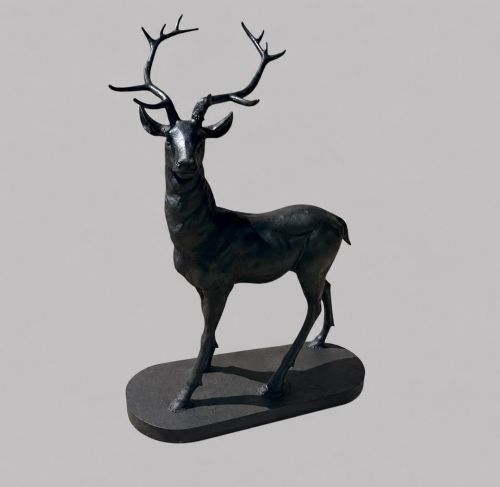
Sculptures and figurines appear frequently, often combining metals like spelter or bronze with marble bases, or utilising carved limewood and antler. Paintings utilise canvas, paint, and pastel to portray woodland scenes and pastoral landscapes. Buyers are most likely to meet nineteenth-century works and early twentieth-century interpretations in these listings.
How they were made
Makers utilised traditional artistic techniques appropriate to each medium, whether applying oil paint to canvas or gouache to paper. Woodcarvers shaped limewood and other timbers using hand tools to create detailed animal forms and folk art trophies. Metalworkers employed casting methods for bronze and spelter sculptures, mounting figures securely onto marble and onyx bases.
Giltwood and gesso found application in framing and ornamental supports, while skilled artisans shaped natural antler into decorative elements. Ceramics received lustre glazes, and jewellers worked with eighteen-carat yellow gold to craft small charms and pendants. Each material required specific handling, from the careful brushwork of landscape painters to the precise carving of Swiss black forest fawns.
Antique Deer Art Retail Price Guide 2026
Typical asking prices for deer art among the pieces listed under this phrase on Sellingantiques today, from the lower quarter to the upper quarter. They describe what is for sale here now, not the wider market.
Even a resolute art collector may find it difficult to negotiate living room space with a lifesize carved wood antelope.
What varies in quality
Quality in these pieces depends on the anatomical precision and expressive character captured by the artist or carver. Superior sculptures display realistic musculature and posture in the stag, whereas simpler folk art versions rely on charm and stylised form. The integration of materials, such as a bronze figure properly anchored to a solid marble base, distinguishes finer works.
In paintings and prints, the finesse of the brushwork and the depth of the landscape composition separate standard decorative items from exceptional works of art. The handling of light within a woodland scene or the clarity of pastel and oil application dictates the visual impact. Works by recognised artists command attention through superior composition and technical execution.
Robert Cleminson·Joseph Knight·Richard Joyce·I. Rochard·William Crampton·Robert Thomas Buttery·Thomas Gibson
The Antique Deer Art Glossary
- Spelter
- An alloy based on zinc, frequently utilised in the manufacture of decorative sculptures and figures during the Art Deco period. It was often given a bronze-like finish to imitate more expensive metalwork.
- Giltwood
- Wood that has been coated with a thin layer of gold leaf or gold paint. This technique enhanced decorative frames and wooden stands.
- Gesso
- A plaster-like mixture applied to surfaces as a base for paint or gilding. It allowed artisans to create smooth or relief-moulded details before finishing.
- Limewood
- A soft, pale timber favoured by carvers for its fine grain and ease of cutting. It is particularly associated with detailed animal figures from the Black Forest region.
- Collograph
- A printmaking process based on the collage technique, where textured materials are applied to a plate. Early twentieth-century examples produced rich tonal gradations suitable for woodland imagery.
- Lustre
- A type of ceramic pottery glaze that yields an iridescent, metallic sheen. It was applied to earthenware and stoneware vessels to catch the light.
Antique Deer Art: Frequently Asked Questions
What periods do these pieces come from?
The listings span multiple centuries, beginning with eighteenth-century portraits and moving through nineteenth-century Victorian realism and folk art. Early twentieth-century pieces, including Art Deco bronzes and lustre pottery, also appear frequently.
This broad chronological range allows collectors to find items representing distinct historical aesthetics, from rustic wooden carvings to refined landscape paintings.
How were bronze and spelter sculptures displayed?
Many metal sculptures of stags and does were manufactured to sit upon fitted stone bases, typically composed of marble or onyx. These heavy plinths provided stability and added a contrasting textural element to the metallic figures.
Such presentation was particularly common during the Art Deco period, where geometric stone bases complemented the stylised forms of the animals.
Where were carved wooden deer made?
Carved wooden deer and fawns originate from various European traditions, including Swiss workshops known for Black Forest carvings. Folk art pieces also emerged from Scandinavian regions, such as Sweden, utilising local timber and traditional painting techniques.
These regional styles display distinct methods of shaping limewood and applying decorative paint finishes to animal subjects.
How do I care for antique painted wood?
Painted wooden items require stable indoor humidity levels and protection from direct sunlight to preserve the original pigments and timber. Dusting should be performed gently with a dry, soft cloth without applying liquid cleaners or polishes.
Maintaining a consistent environment prevents the wood from warping and protects historical painted surfaces from fading or flaking over time.