

Antique Decorative Glass
Antique decorative glass brings colour, texture and light into a room through centuries of skilled craftsmanship.
Antique Decorative Glass
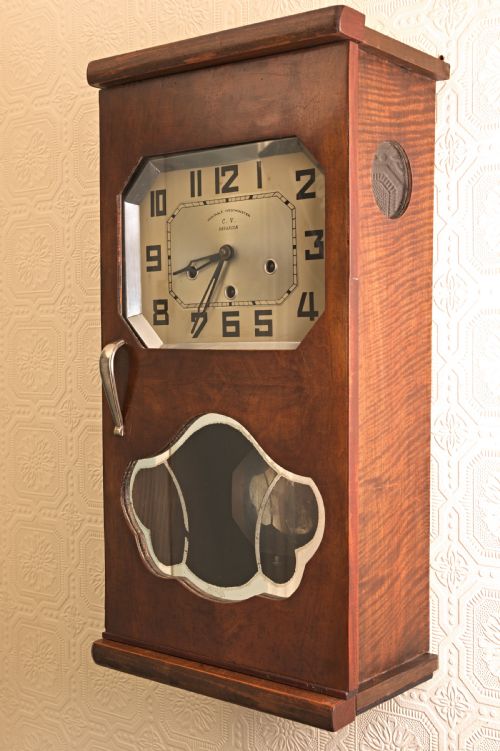
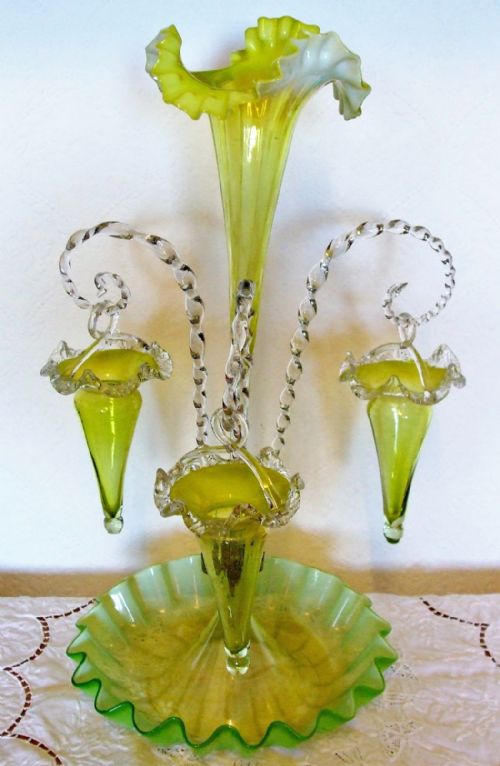
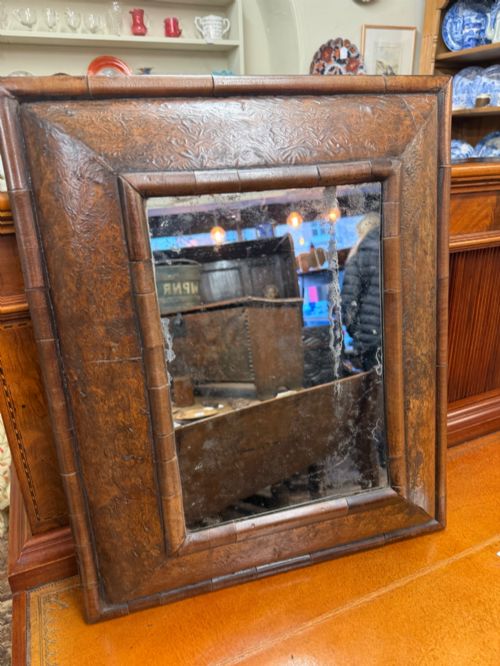
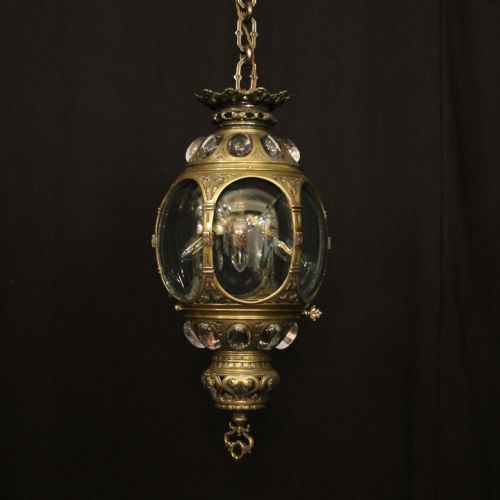
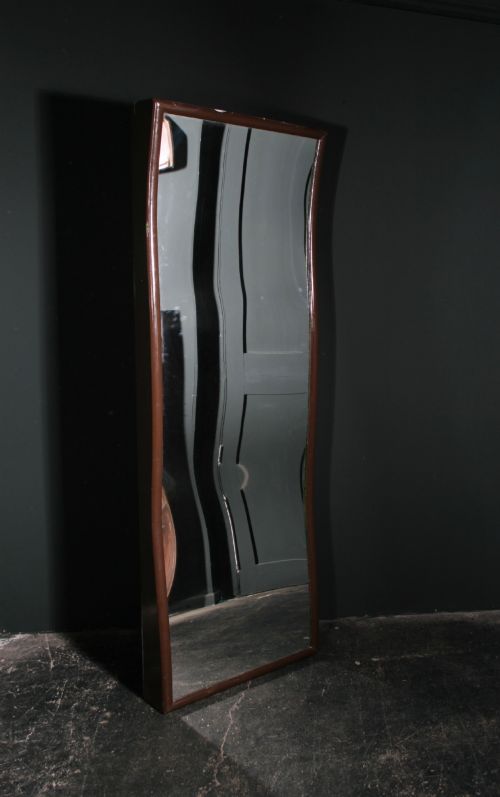
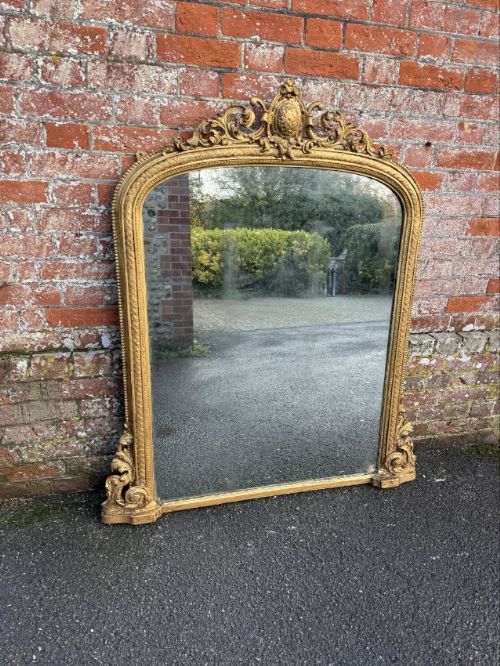
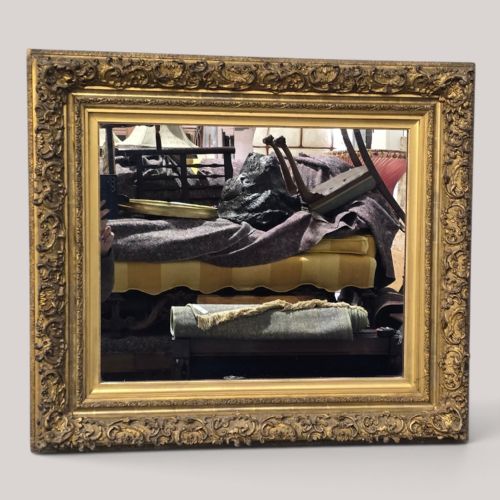
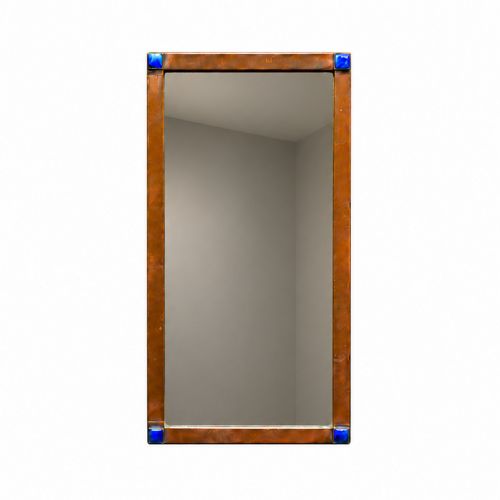
When you search for antique decorative glass, you encounter items designed to catch the eye and illuminate interiors across several historical periods. The selection spans vessels, lighting fixtures, mirrors with glass components, and display pieces from the eighteenth century onwards.
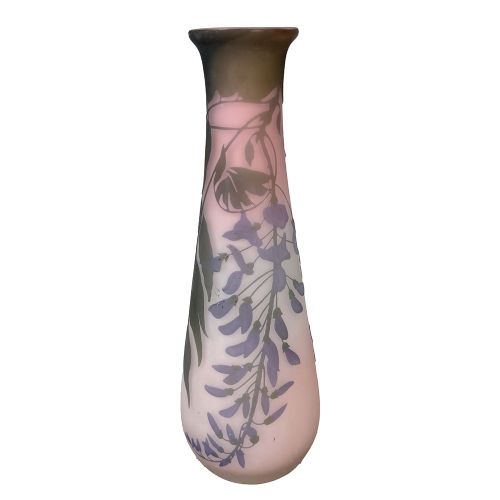
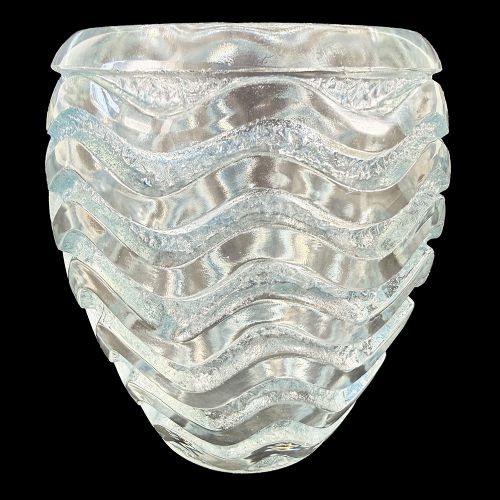
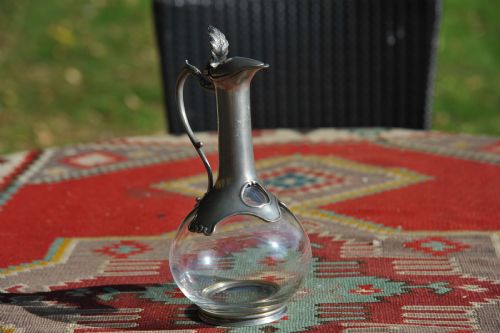
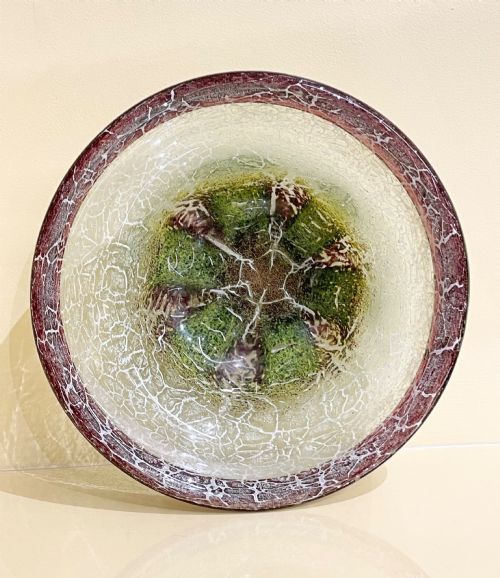
You are most likely to meet nineteenth-century and early twentieth-century examples on this page. These include moulded vases, oil lamp shades, water jugs, and pedestal bowls produced in various European workshops.
How they were made
The objects combine glass-working techniques with mounts and fittings of brass, gilt bronze, and wood. Makers shaped vessels by hand-blowing or moulding molten material, sometimes adding enamel decoration or overshot threads.
Secondary materials such as giltwood, gesso, and enamel frequently support or frame the glass elements. These components demonstrate period joinery, carving, and metal-casting methods appropriate to each style.
Antique Decorative Glass Retail Price Guide 2026
Typical asking prices for decorative glass among the pieces listed under this phrase on Sellingantiques today, from the lower quarter to the upper quarter. They describe what is for sale here now, not the wider market.
Several items incorporate mother-of-pearl and bone details alongside traditional glass components.
What varies in quality
Quality rests in the clarity of the material and the crispness of any applied decoration or moulded relief. Superior pieces display harmonious proportions between the glass body and its mounts.
The refinement of the hand-finishing, whether in the cutting of crystal facets or the detail of enamelling, separates standard items from exceptional examples.
Rene Lalique
The Antique Decorative Glass Glossary
- Overshot glass
- A technique involving the application of fine glass threads trailed across the surface of a vessel. This creates a textured, web-like finish that catches the light.
- Cranberry glass
- A transparent red glass coloured by the addition of gold chloride during manufacture. It appears frequently in nineteenth-century tableware and decorative bells.
- Carboy
- A large, bulbous glass bottle traditionally used for holding liquids. Pharmacy examples often feature heavy hand-blown walls and subtle surface irregularities.
- Lustre
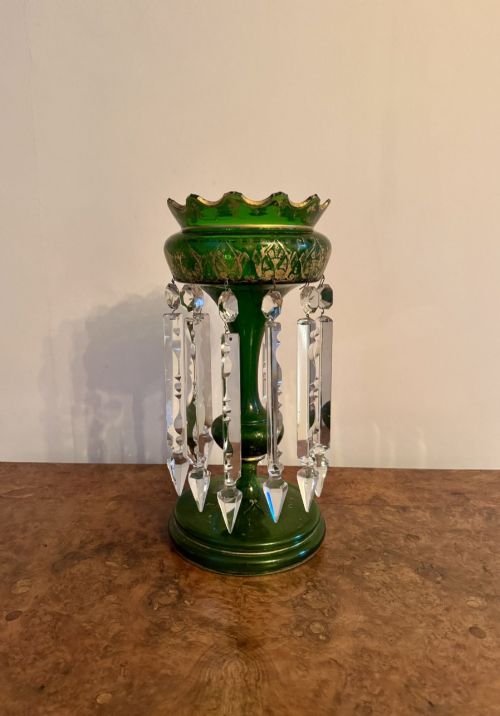
- A mantle ornament hung with glass prisms designed to reflect candlelight. They often feature painted decoration or coloured glass bodies.
- Enamel
- Opaque glass paste fused to the surface of a vessel through firing. It allows for colourful painted motifs on vases and decorative bowls.
Antique Decorative Glass: Frequently Asked Questions
What is antique decorative glass?
Antique decorative glass encompasses functional and ornamental objects produced from glass materials before the mid-twentieth century. The category includes vases, bowls, lamps, and mirrors that served both practical and aesthetic purposes in historic interiors.
These pieces reflect the shifting design movements of their respective eras, moving from Georgian and Regency styles through Victorian ornamentation to Art Nouveau and Art Deco aesthetics.
How were glass oil lamps used?
Glass oil lamps provided interior illumination before the widespread adoption of electric lighting. They utilised a reservoir for oil and a wick housed beneath a decorative glass shade.
Victorian and Edwardian homes placed these lamps on tables and mantels as both light sources and decorative centrepieces, often pairing them with contrasting chimneys and coloured shades.
How do I date decorative glass?
Dating relies on stylistic markers, manufacturing techniques, and the presence of supporting materials like brass, gilt bronze, or wood frames. Methods such as hand-blowing leave distinct pontil marks on the base of older vessels.
Design motifs also offer clear indicators, as geometric Art Deco patterns differ significantly from floral Victorian enamelling or Georgian symmetry.
How do I style antique glass at home?
Antique glass pieces work effectively when placed near light sources to highlight their colour and transparency. Vases and bowls function well on mantelpieces, sideboards, or dining tables as focal points.
Mixing different periods, such as pairing a Victorian cranberry glass bell with a later Art Deco vase, adds depth to a room without overwhelming the space.