

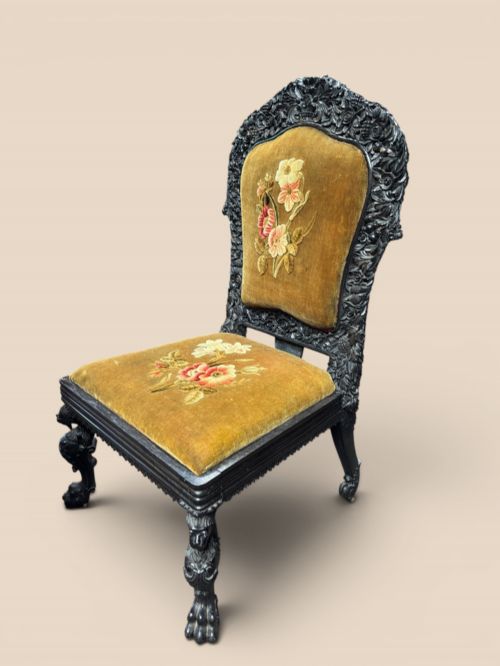


Antique Decorated Chair
An antique decorated chair brings hand-painted motifs, gilding and distinctive timber finishes straight into a room.
Antique Decorated Chair
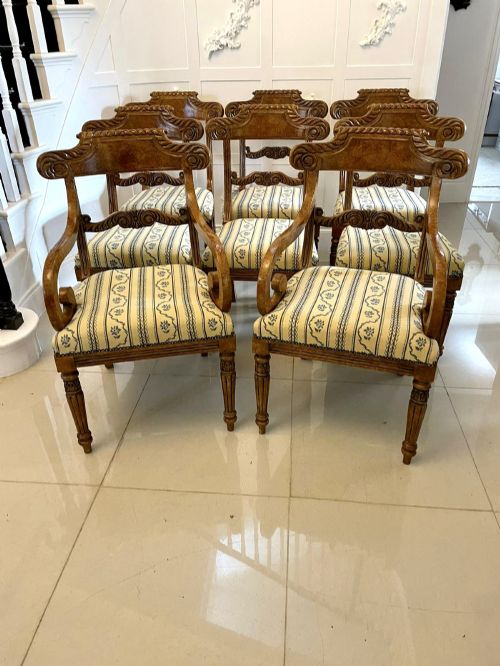
When you search for an antique decorated chair, you encounter seating finished with paint, gilt, lacquer or intricate carving rather than plain polished timber. These pieces span dining chairs, armchairs, desk chairs and day beds from periods including the eighteenth century, the Regency era and the Victorian epoch.
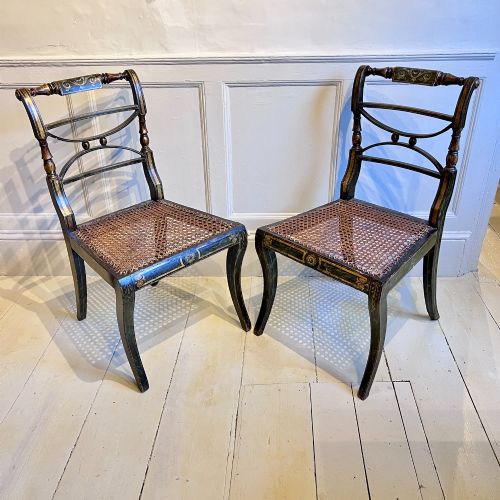
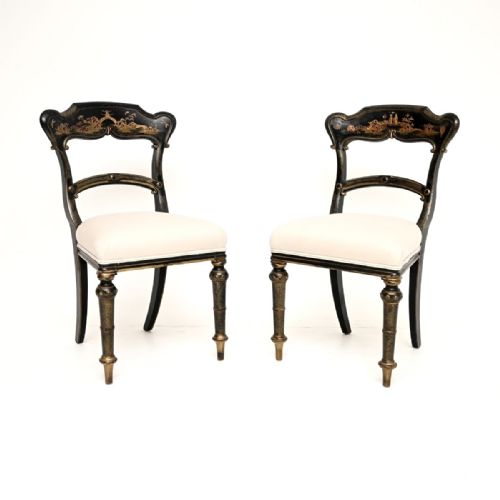
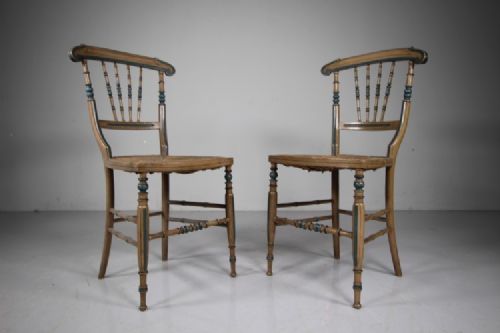
The most common examples on this page are Regency and nineteenth-century side chairs and dining chairs finished with painted surfaces, ebonised wood or gilt details. You also find larger elbow chairs, library chairs and bedroom chairs featuring stylistic influences such as Chinoiserie, Anglo-Indian carving and Louis XVI revival forms.
How they were made
Wood forms the structural core of these pieces, utilising timbers such as mahogany, maple, ebony and satinwood, frequently shaped into shield backs or open arms. Makers applied paint, gold leaf, parcel gilt and ebonised finishes directly onto the timber frames to create contrasting surfaces.
Decorative techniques rely on hand-applied pigments, lacquer work and fine carving. Seats incorporate woven cane, leather or drop-in upholstered pads covered in fabric to complete the construction.
Antique Decorated Chair Retail Price Guide 2026
Typical asking prices for decorated chair among the pieces listed under this phrase on Sellingantiques today, from the lower quarter to the upper quarter. They describe what is for sale here now, not the wider market.
What varies in quality
The fineness of the hand-painted details and the preservation of original gilding or polychrome surfaces dictate the standing of a piece. Crisp carving in elements like ebony or mahogany separates standard production from superior examples.
The integrity of the underlying timber frame and the retention of original finishes, such as simulated satinwood or early paint, define the upper tier of the range.
The Antique Decorated Chair Glossary
- Ebonised wood
- Timber treated with a dark stain or finish to imitate expensive ebony. This technique was popular in nineteenth-century seating and Regency revival designs.
- Parcel gilt
- A surface treatment where specific carved details or highlights are selectively gilded with gold leaf while the rest of the timber remains painted or polished.
- Chinoiserie
- European artistic style reflecting Chinese motifs and decorative scenes. It appears on Victorian lacquerwork and painted chair backs.
- Simulated satinwood
- Painted or treated timber finished to mimic the golden hue and grain of genuine satinwood. This allowed makers to achieve a luxurious look with alternative woods.
- Cane-seat
- A seating surface woven from rattan strips. It provides a lightweight and breathable panel within a wooden frame.
Antique Decorated Chair: Frequently Asked Questions
Are decorated chairs sturdy enough for daily dining use?
Most antique dining chairs and elbow chairs are structurally sound for regular sitting if the frame joints remain tight and secure.
However, delicate painted surfaces and gilded details require careful handling to avoid scratching or wearing away the historic finish over time.
How do I identify a Regency decorated chair?
Regency pieces typically feature classical proportions, sabre legs and contrasting ebonised or painted finishes with gilt highlights.
They often draw inspiration from Greek, Roman or French designs prevalent during the early nineteenth century.
Can I reupholster a drop-in seat?
Drop-in upholstered seats can be recovered in new fabric to match your interior scheme without altering the antique wooden frame.
Keep the original padding if it holds historic value, or replace modern webbing and stuffing for greater comfort.
Where should I place an armchair with painted decoration?
Position these armchairs away from direct sunlight and moisture to protect fragile paintwork, gold leaf and fabric upholstery.
They work well as reading chairs in studies, occasional seats in bedrooms or accent pieces in drawing rooms.