
Antique Cutlery
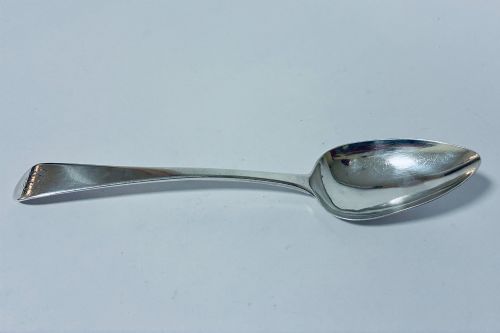
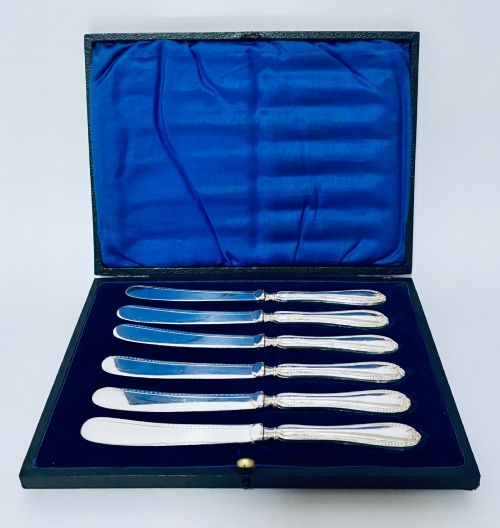
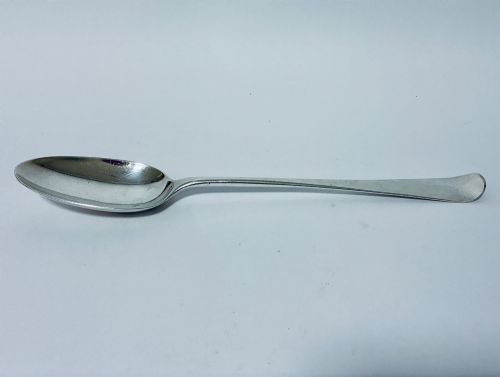
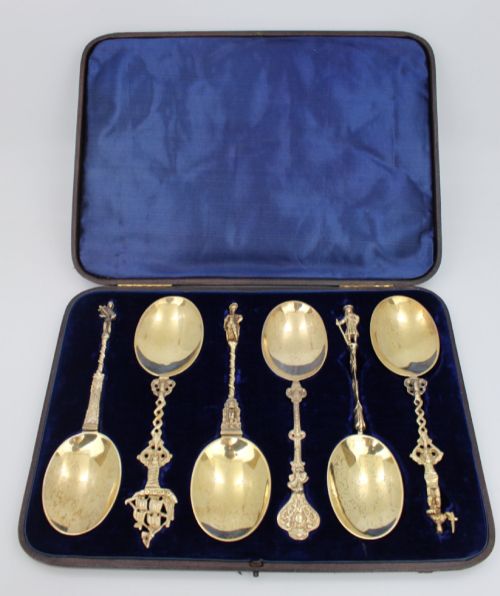
These antique cutlery pieces encompass Georgian silver spoons, cased sets and fitted boxes spanning multiple centuries.
Antique Cutlery
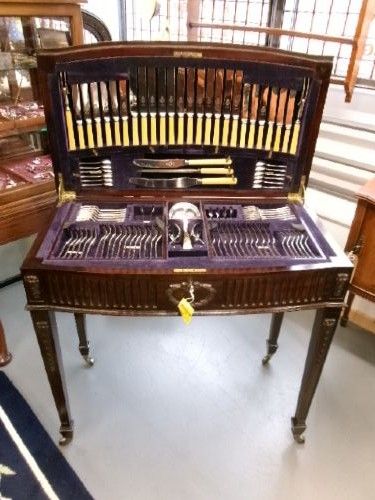
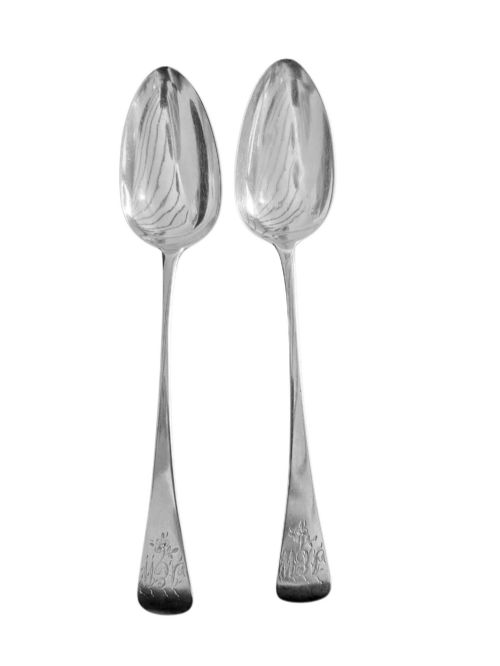
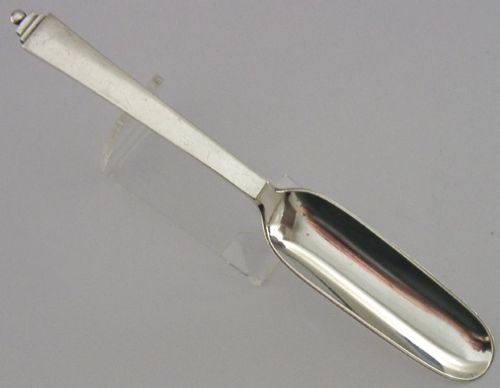
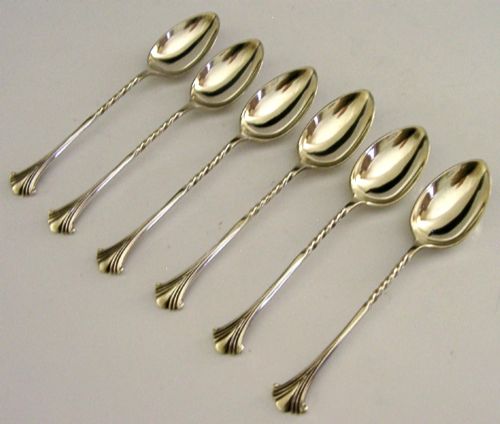
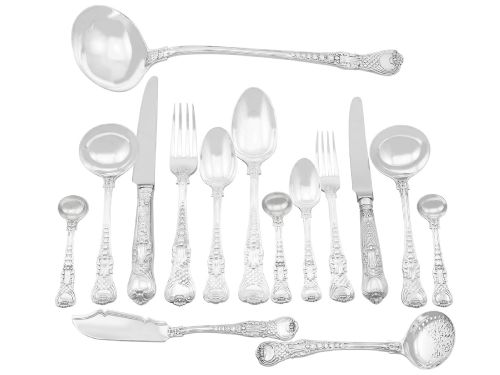
When searching for antique cutlery, collectors encounter everything from individual Georgian serving spoons to extensive cased canteens and fitted mahogany boxes. The pieces on this page originate from periods such as the eighteenth century, the Victorian era, and the Art Deco years of the twentieth century. Forms range from specialised utensils like grape shears and cheese scoops to standard flatware sets.
Silver and sterling silver dominate the selection, alongside steel, silver plate, and brass elements mounted in mahogany, walnut, or velvet-lined cases. Scottish provincial pieces, Dutch examples, and Chinese Qing travelling sets appear among the broader English and European offerings. Buyers routinely find specific regional hallmarks and distinct stylistic revivals represented across the available inventory.
Materials and Methods
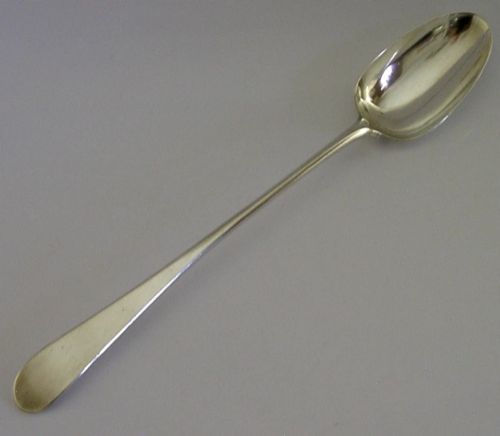
Sterling silver and standard silver form the primary medium for spoons, ladles, and forks, often shaped through traditional hammering and casting techniques. Makers utilised steel for cutting edges in specialised knives and fruit implements, pairing them with handles in mother-of-pearl, boxwood, and ebony.
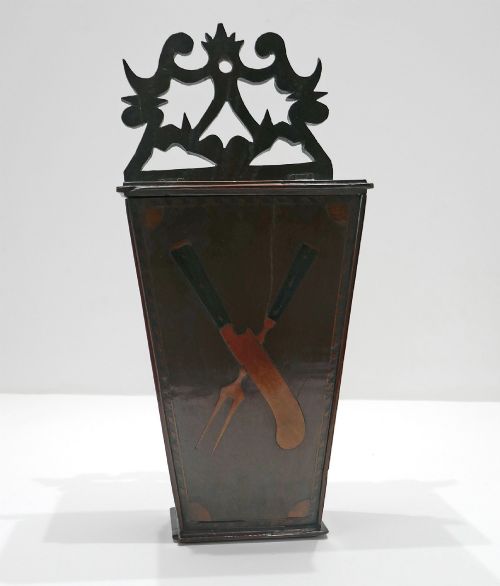
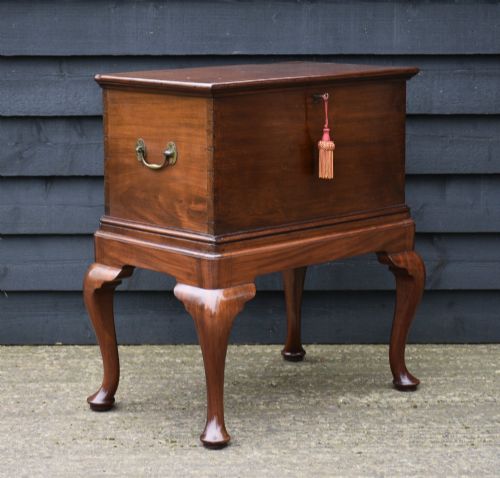
Cabinetry for fitted canteens and storage boxes relied on solid mahogany and burr walnut, frequently enhanced with boxwood and ebony inlay. Silver-gilt treatments and enamel work added surface decoration to specialised coffee and apostle spoons during the later nineteenth and early twentieth centuries.
Listings feature items spanning from the seventeenth century through the Art Deco period, utilising sterling silver, mahogany, brass, and velvet.
Distinctions in Standard
Quality rests significantly upon the crispness of hallmarks, the clarity of engraved crests, and the integrity of original fitted cases. Well-preserved maker marks from provincial assay offices or notable silversmiths elevate an item above standard production pieces.
The weight of the silver, the balanced proportion of handles to bowls, and the survival of matching sets without later replacements dictate the standing of individual cutlery items. Superior cabinet work in the associated mahogany boxes and canteens similarly separates comprehensive sets from pieced-together collections.
John Lambe·Georg Jensen·Deakin & Francis·Peter & Jonathan Bateman·Henry Wilkinson·Garrard
The Antique Cutlery Glossary
- Hallmark
- Official marks stamped on precious metals to indicate the standard of purity, the assay office, the maker, and the year of production.
- Canteen
- A fitted box, chest, or cabinet designed specifically to hold a complete, organised set of cutlery.
- Trefid spoon
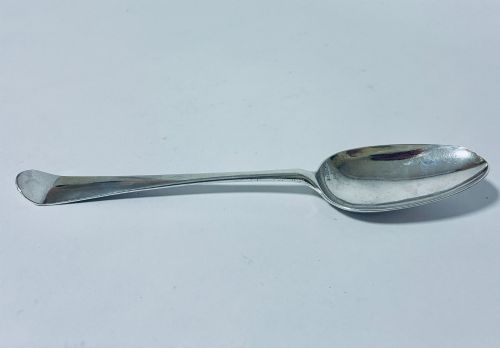
- An early form of spoon featuring a flat, three-lobed terminal on the handle, prevalent during the late seventeenth century.
- Fiddle pattern
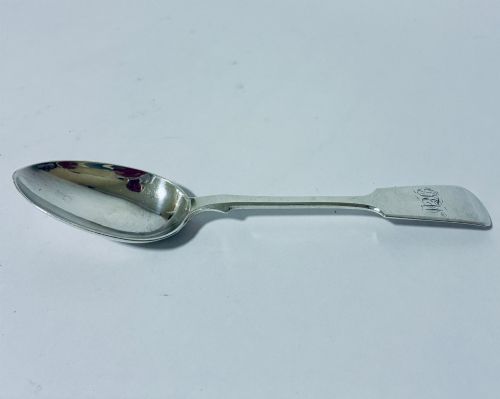
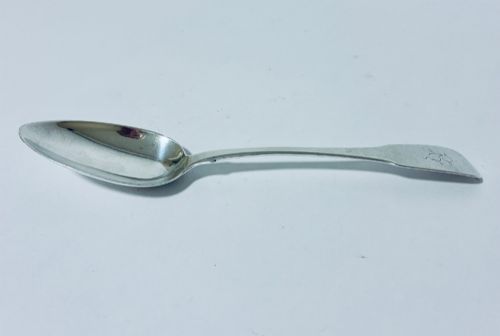
- A nineteenth-century flatware style characterised by a stem that widens towards the end in the contour of a fiddle.
- Silver-gilt
- Silver objects that have been coated with a thin layer of gold on the surface, commonly seen on decorative spoons.
Antique Cutlery: Frequently Asked Questions
What is a canteens of cutlery?
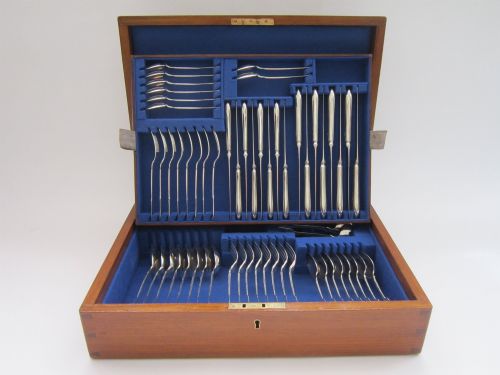
A canteen is a dedicated wooden box or cabinet, often made of mahogany or walnut, fitted with specific slots and trays to house a matched set of forks, spoons, and knives.
These cabinets kept large households organised and protected the silver surfaces from tarnishing and physical damage when not in use on the dining table.
How do I date antique spoons?
Dating relies primarily on the stamped hallmarks, which record the assay office city, the monarch's duty mark, and a specific date letter corresponding to the year of manufacture.
Stylistic elements like the shape of the terminal, such as a trefid end or a fiddle pattern stem, provide secondary confirmation of the period.
Are silver plated items antique?
Silver plate refers to base metals coated with a layer of silver rather than being solid sterling throughout, and production spans both the nineteenth and twentieth centuries.
Many functional dining items and specialty serving pieces were manufactured using plating techniques to offer decorative appeal at a different price point.
How should I store silver cutlery?
Silver cutlery benefits from being kept in specialised lined boxes, chests, or rolls designed to restrict airflow and reduce atmospheric tarnishing.
Storing pieces away from direct humidity and avoiding rubber bands or non-archival materials helps preserve the metal surface over generations of use.