

Antique Cupboard Table
An antique cupboard table combines domestic storage with a compact surface, spanning Georgian through to Art Deco periods.
Antique Cupboard Table
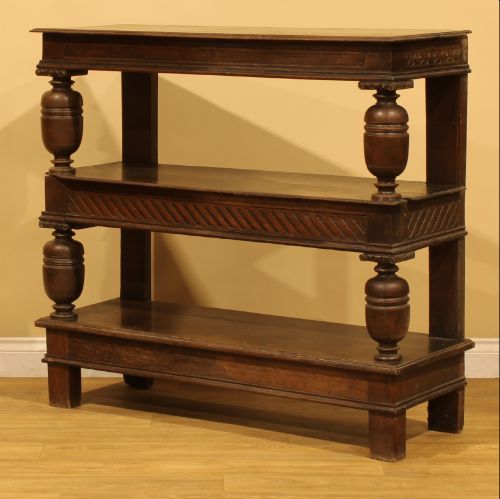
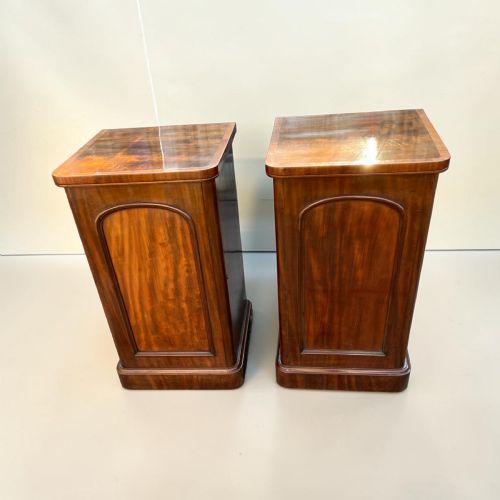
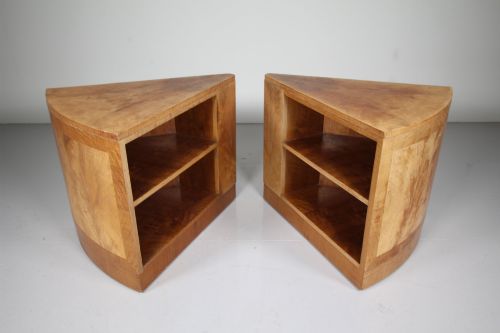
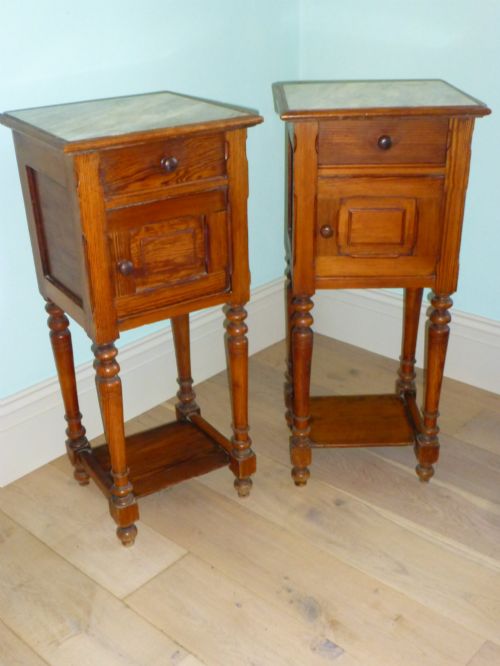
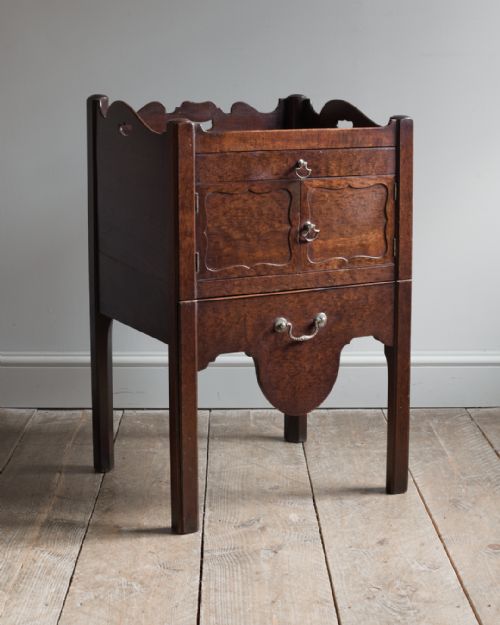
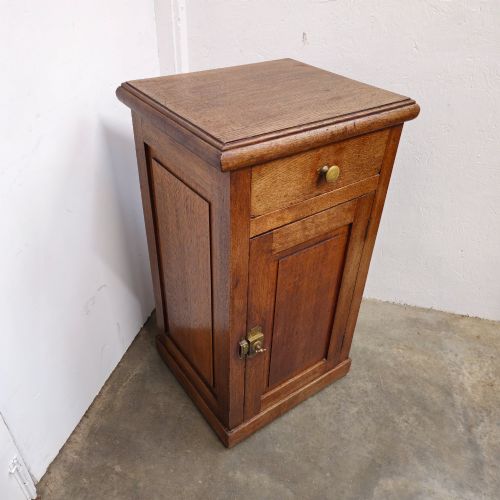
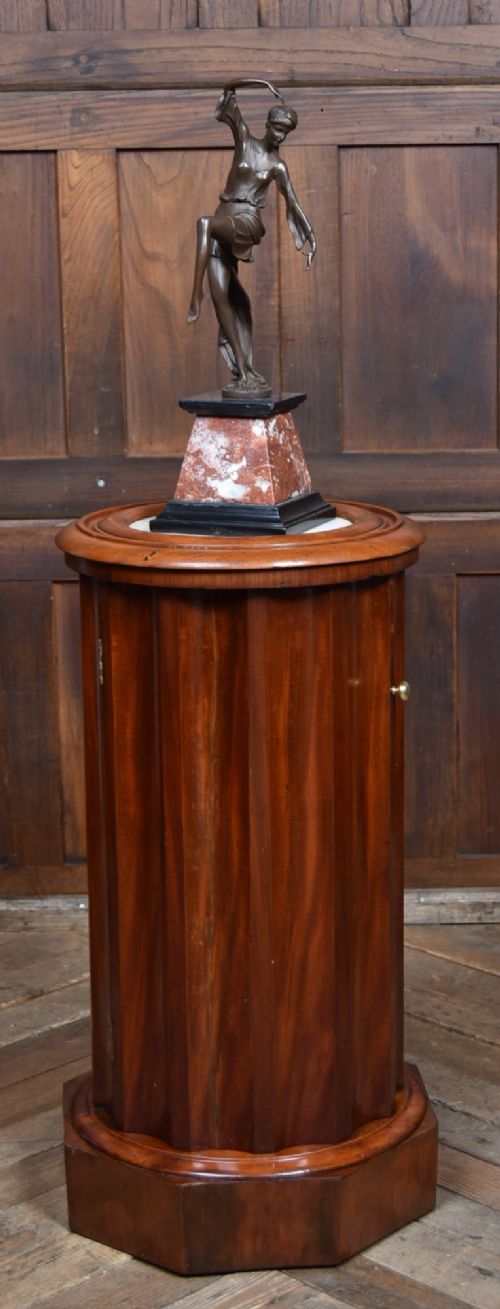
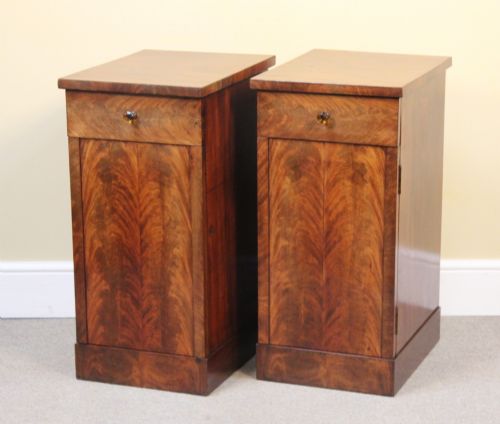
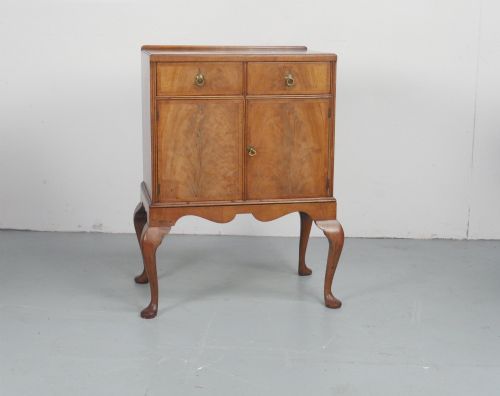
When buyers search for an antique cupboard table, they encounter a practical category of domestic furniture designed to conceal storage beneath a functional top surface. These pieces range from Georgian tray top night commodes and bedside cabinets to Edwardian and Art Deco variations.
The versions most frequently met on this page include bedside cabinets, nightstands, and small cupboards produced in mahogany, oak, and walnut. Their forms bridge the gap between open tables and enclosed storage units, reflecting the domestic habits of the eighteenth, nineteenth, and early twentieth centuries.
Materials and Construction
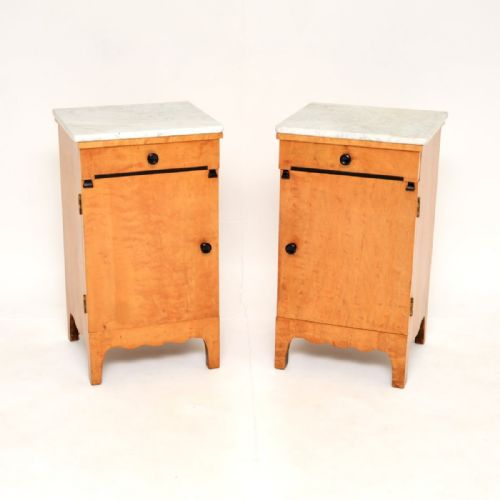
Cabinet makers utilised dense hardwoods such as mahogany, oak, and walnut, frequently applying flame mahogany veneer, kingwood, or satin birch to visible surfaces. Structural integrity relied on traditional joinery, panelled doors, and fielded panels.
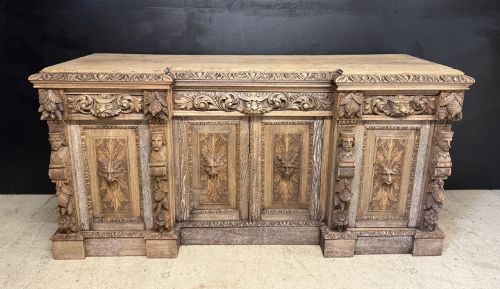
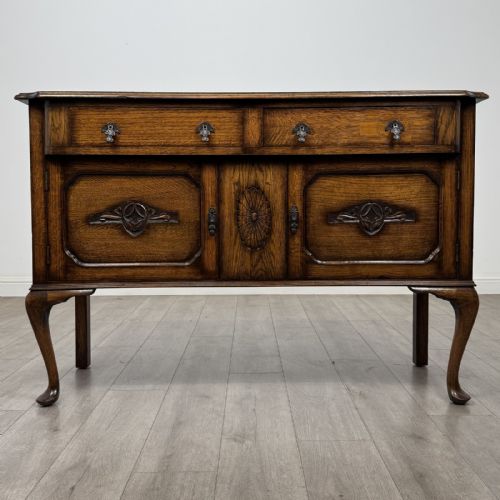
Surface details incorporate brass fittings, marble tops on specific continental and Edwardian iterations, and marquetry inlay. Carved elements like barley twist legs and stretcher bases appear on oak pieces from the early twentieth century.
Antique Cupboard Table Retail Price Guide 2026
Typical asking prices for cupboard table among the pieces listed under this phrase on Sellingantiques today, from the lower quarter to the upper quarter. They describe what is for sale here now, not the wider market.
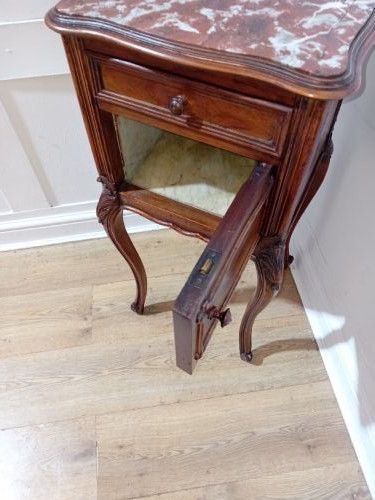
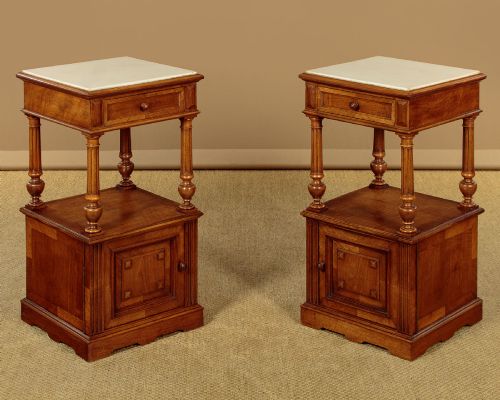
Several bedside cabinets arrive complete with marble tops originally chosen to survive the splash of a morning wash.
Distinctions in Quality
The hierarchy of quality rests on the selection of timber, the precision of cabinet work, and the integrity of the design. Superior pieces display carefully matched veneers, finely cut marquetry, and original brass hardware rather than later replacements.
Proportion and execution separate standard utility items from distinguished examples attributed to workshops like Gillows or produced in specific regional styles. The handling of secondary timbers and the crispness of carved details further indicate the standard of manufacture.
Gillows
The Antique Cupboard Table Glossary
- Pot cupboard
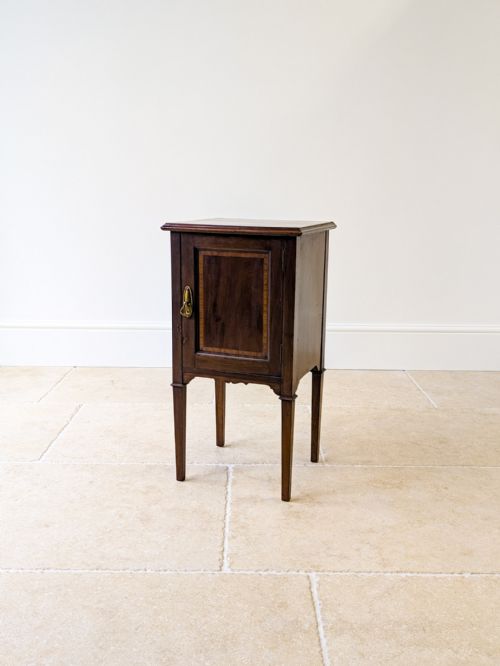
- A small enclosed bedside cabinet historically designed to house a chamber pot. These compact units typically feature a single door above a small enclosed space.
- Tray top
- A raised rim encircling the upper surface of a table or commode to prevent items from rolling off. This feature is particularly common on Georgian mahogany nightstands.
- Nightstand
- A small bedside table incorporating a cupboard or drawer space. They emerged in various forms throughout the eighteenth and nineteenth centuries.
- Marquetry
- The art of applying decorative veneer pieces of different woods to a structure to form geometric or pictorial designs. It appears on finer Edwardian and Georgian specimens.
- Fielded panel
- A wooden panel with bevelled or recessed edges set within a heavier frame. This technique adds depth and structural stability to cupboard doors.
Antique Cupboard Table: Frequently Asked Questions
What is an antique cupboard table used for?
These pieces served practical storage and surface functions in bedrooms and living spaces, functioning as bedside commodes or small cabinets.
Today, they adapt easily to modern rooms as compact bedside tables or occasional storage units.
How do I identify a Georgian cupboard table?
Georgian examples typically feature solid mahogany or oak construction, tray tops, and restrained proportions suitable for eighteenth-century domestic spaces.
Look for traditional joinery methods and subtle design elements like panelled doors without excessive ornamentation.
Are marble tops original on these tables?
Marble tops frequently appear on continental European and Edwardian bedside cabinets to provide a durable, water-resistant surface.
They are typically set directly into the wooden frame of the cabinet top.
What woods were commonly used?
Mahogany and oak dominate the earlier periods, while walnut, satin birch, and painted pine appear in nineteenth and twentieth-century examples.
Veneers such as flame mahogany or kingwood were also applied to enhance the visual grain.