



Antique Crimson Velvet
Antique crimson velvet describes rich textile furnishings and seating across centuries, bringing tactile depth and historic colour to an interior.
Antique Crimson Velvet
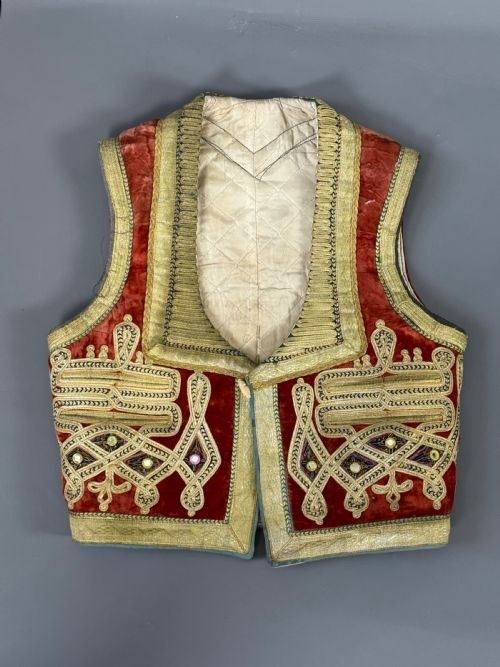
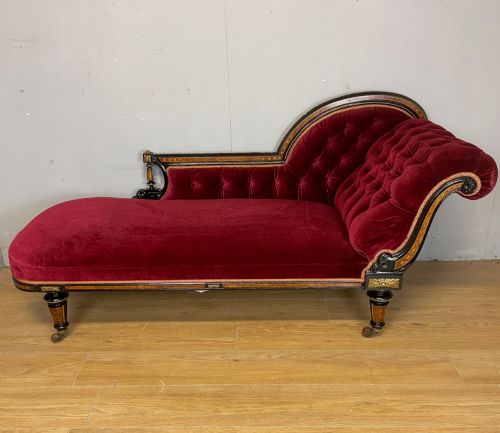
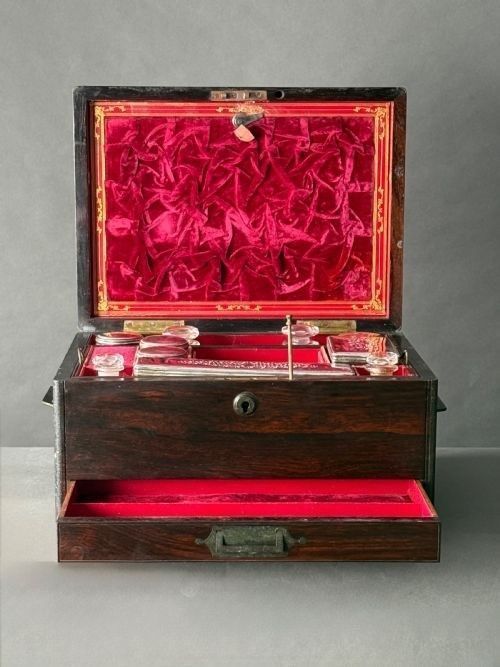
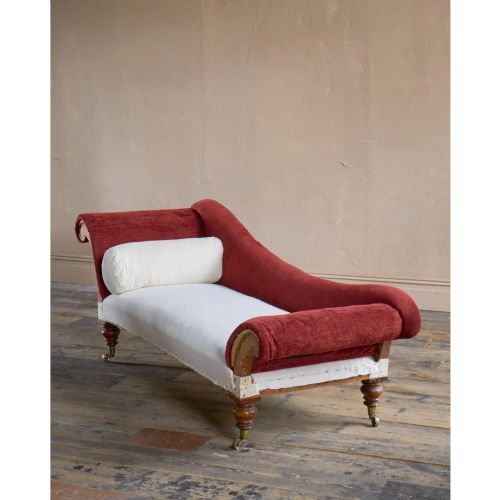
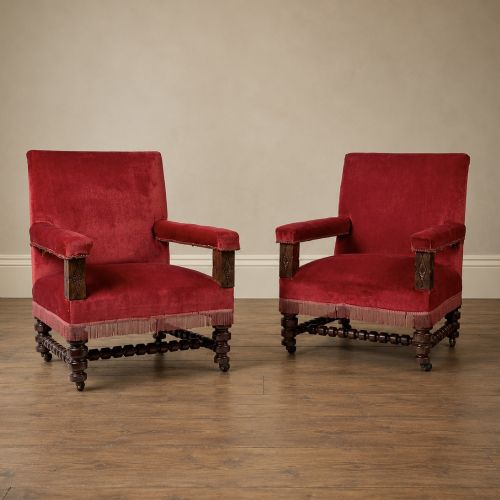
When you search for antique crimson velvet, you encounter a diverse group of textiles and upholstered seating spanning the seventeenth century to the twentieth century. These objects include armchairs, chaise longues, wall hangings, footstools, vanity boxes, and waistcoats.
The nineteenth century and Victorian periods supply many of the armchairs, slipper chairs, and stools upholstered in red fabrics. Alongside seating, seventeenth, eighteenth, and nineteenth century textiles appear as silk velvet hangings and Ottoman coverlets.
The variety ranges from large proportioned open armchairs and button-back chairs to intricate silk velvet pilaster hangings. Buyers often find seating frames paired with rich crimson pile fabrics that show considerable age and character.
How they were made
Makers utilised silk, velvet, and metal-thread alongside structural timbers such as mahogany, walnut, oak, rosewood, and hardwood. Ormolu, brass, and giltwood provide decorative mounts and frames on French and English pieces.
Weaving techniques like ciselé velvet production created patterned pile surfaces on silk grounds, visible in eighteenth century hangings and Ottoman textiles. Woodwork framing relied on traditional joinery, ebonising, and inlaid walnut panels to support heavy upholstery.
Antique Crimson Velvet Retail Price Guide 2026
Typical asking prices for crimson velvet among the pieces listed under this phrase on Sellingantiques today, from the lower quarter to the upper quarter. They describe what is for sale here now, not the wider market.
Object types span practical seating like armchairs and footstools alongside decorative wall hangings, vanity boxes, and waistcoats.
What varies in quality
The distinction between standard examples and exceptional pieces rests in the integrity of the textile pile and the precision of the woodwork. Intricate ciselé velvet patterns and sound structural frames by known makers elevate individual items above ordinary production.
Condition of the fabric and originality of the upholstery materials dictate the standing of textile pieces. Finer items retain their rich pile depth and colour integrity without excessive modern intervention.
Holland and Sons·Gillows·Howard and Sons
The Antique Crimson Velvet Glossary
- Ciséle velvet
- A velvet technique where cut and uncut loops form a pattern against a ground of different weave. This method produces detailed textural designs on eighteenth century hangings.
- Ormolu
- Gilded bronze used for decorative mounts and decorative fittings on furniture and cases. It appears frequently on nineteenth century French pieces.
- Chaise longue
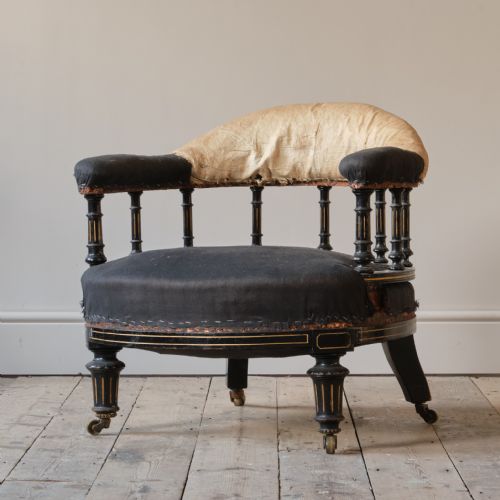
- An elongated upholstered chair designed for reclining. Examples range from ebonised nineteenth century frames with walnut panels to sofa forms.
- Chatelaine case
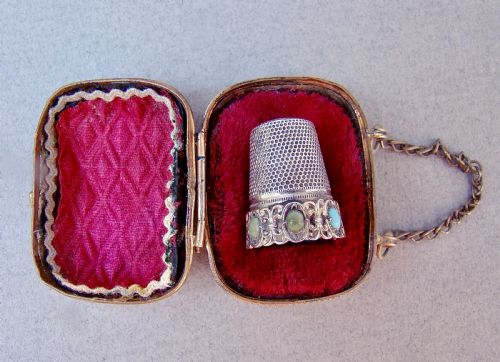
- A decorative belt hook worn with fitted tools or vanity items. Silver and stone set examples housed small objects like thimbles.
- Pilaster hanging
- A narrow textile panel designed to hang against a wall or architectural pilaster. Eighteenth century examples utilise ciselé silk velvet.
Antique Crimson Velvet: Frequently Asked Questions
How do I clean antique velvet?
Historic pile fabrics require specialist textile conservation rather than domestic cleaning methods. Surface dust should be gently removed using soft brushes without disturbing the fibres.
Harsh liquids or modern detergents will damage the silk or cotton pile of older textiles. Professional conservators handle staining and structural repairs safely.
Are these chairs comfortable for daily use?
Victorian and Georgian armchairs offer sturdy seating, though original padding often feels firmer than modern upholstery. Springs and horsehair stuffing reflect the period of manufacture.
Regular seating is possible on robust wooden frames, but fragile antique textiles benefit from careful placement. Balance daily utility with the preservation of historic fabric.
How do I date velvet wall hangings?
Dating relies on weave structure, selvage edges, and the style of the pattern. Eighteenth century ciselé silk velvet exhibits specific motifs distinct from later revivals.
Comparative analysis with documented textiles helps narrow down the century of production. Physical examination of the backing materials also reveals clues to age.