






Antique Counter Furniture
Antique counter furniture comprises sturdy shop counters, display units, and work tables built for daily trade in oak, pine, and mixed woods.
Antique Counter Furniture
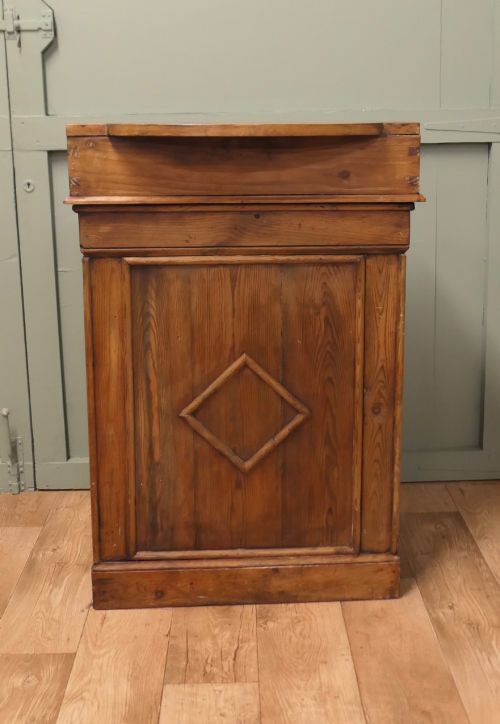
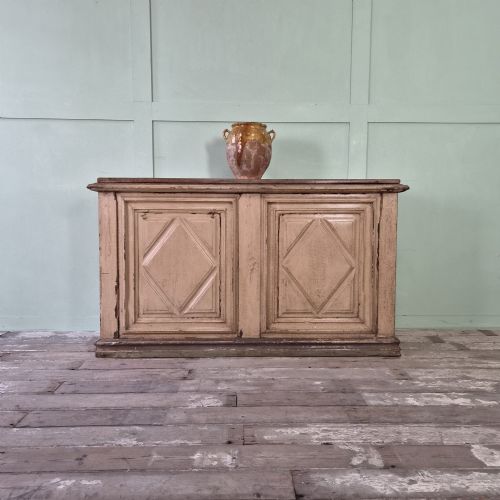
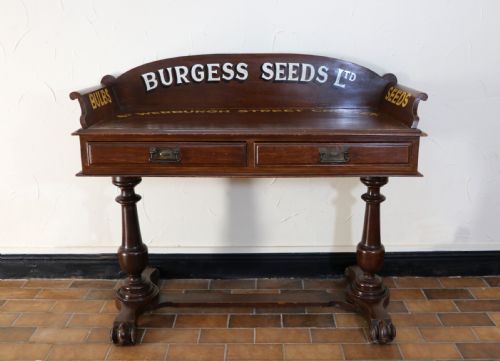
Antique counter furniture encompasses practical commercial fixtures designed for shops, pubs, and postal sorting rooms, with pine and oak serving as the primary structural timbers. Buyers searching for antique counter furniture will encounter French panelled shop counters, painted pine display units, and heavy timber work tables built to endure heavy public use.
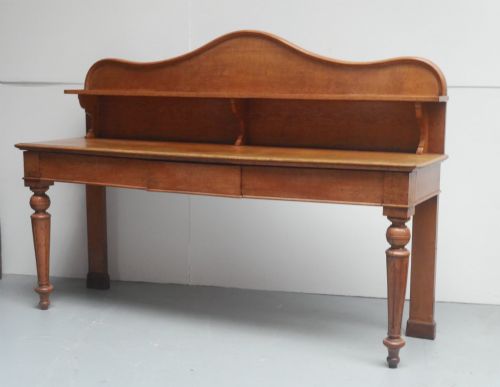
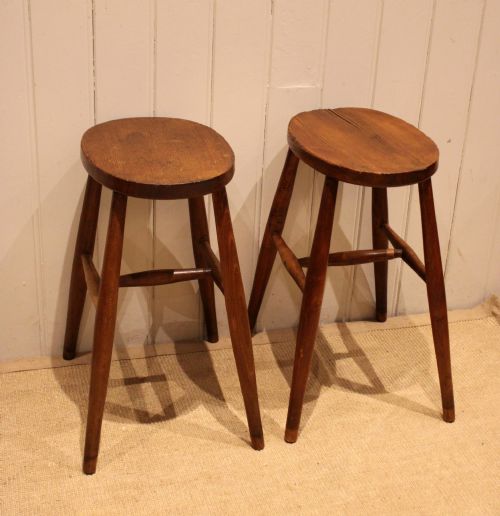
The selection ranges from large oak serving tables and zinc-topped Swedish sideboards to specialised watchmaker cabinets and tall elm tavern stools. Many pieces reflect utilitarian Victorian and Edwardian trades, bringing robust joinery and practical proportions into domestic or commercial interiors.
What varies in quality
The distinction between ordinary utility items and superior examples lies in the integrity of the original timber and the retention of authentic commercial hardware. Pieces retaining their original working surface materials, such as zinc tops, bevelled glass, or brass fixtures, hold greater integrity.
Proportion and scale also dictate quality, as longer shop counters and fitted architectural pieces require balanced timber selection and sound structural joinery. Alterations to height or the replacement of original baseboards affect the overall standard of preservation.
Antique Counter Furniture Retail Price Guide 2026
Typical asking prices for counter furniture among the pieces listed under this phrase on Sellingantiques today, from the lower quarter to the upper quarter. They describe what is for sale here now, not the wider market.
Listings for antique counter furniture feature multiple pieces constructed from pine, oak, and elm, spanning the Victorian period through the early twentieth century.
H and L Epstein·Orme and Sons Manchester·Trussant and Cie
The Antique Counter Furniture Glossary
- Butchers block
- A heavy, end-grain work surface traditionally used for meat preparation in trade shops. These dense blocks display heavy surface scarring from daily use.
- Sorting table
- A large utilitarian table featuring numerous shallow compartments or drawers designed for sorting mail or documents in postal offices. They are constructed in oak or pine with sturdy turned legs.
- Faux oak
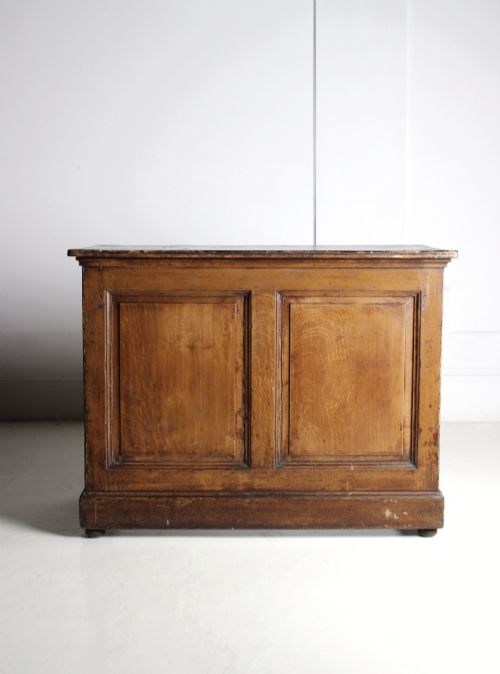
- A decorative painted finish applied to pine or secondary timbers to simulate the appearance of more expensive quarter-sawn oak. Artisans layered pigments to mimic natural medullary rays.
- Display counter
- A shop fixture incorporating glass panels or glazed sections intended to showcase merchandise to customers. These units combine timber framing with protective top glazing.
- Panelled counter
- A commercial shop counter featuring recessed or raised timber panels along the front and sides. This construction method prevents warping in large expanses of wood.
Antique Counter Furniture: Frequently Asked Questions
What is antique counter furniture?
Antique counter furniture refers to heavy timber fixtures originally built for commercial use in shops, pubs, and offices. This category includes shop counters, sorting tables, display cabinets, and tall tavern stools.
These pieces were constructed from durable woods like oak, pine, and elm to withstand demanding daily environments. Today, they are repurposed as kitchen islands, reception desks, and sideboards.
How were shop counters used?
Shop counters served as the primary physical barrier and transaction point between merchants and customers in retail premises. They provided a flat surface for wrapping goods and displaying stock.
Many counters included integrated drawers for cash and shelving beneath the top surface for storing packaging materials and inventory.
How do I care for pine and oak counters?
Maintain timber surfaces by dusting regularly with a dry cloth and avoiding excessive moisture. Protect unfinished or wax-polished wood from direct heat and liquid spills.
Apply a traditional beeswax polish sparingly to nourish the wood grain and maintain a natural protective barrier over the finish.
Are zinc-topped counters original?
Zinc tops on sideboards and counters were common in European trade environments because the metal provided a hygienic, waterproof surface. Many of these metal tops are period-authentic additions used in food preparation or serving areas.
Inspect the edges and fixings to understand how the zinc sheet integrates with the wooden base frame.