
Antique Columns
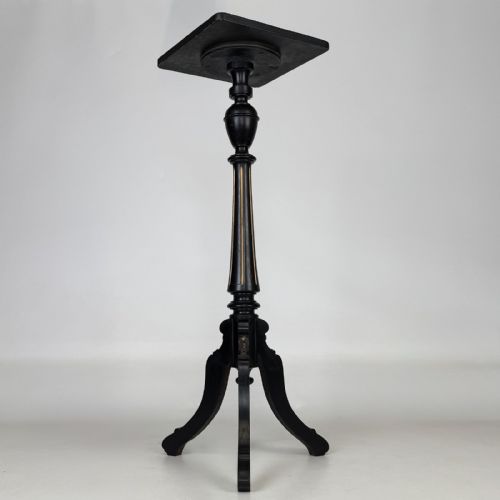
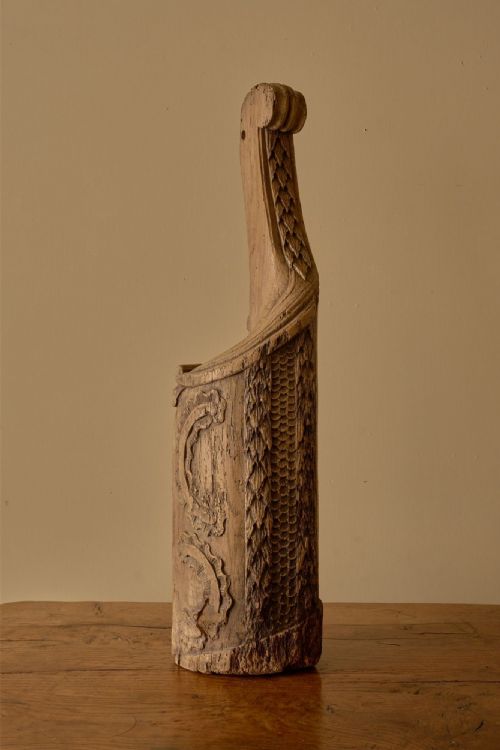
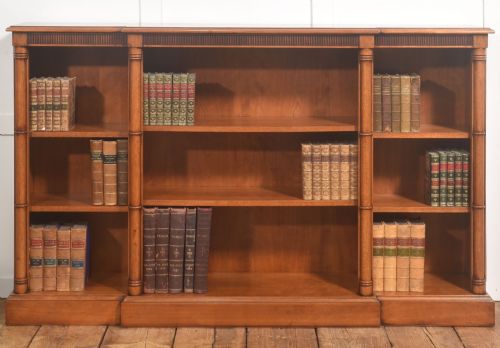
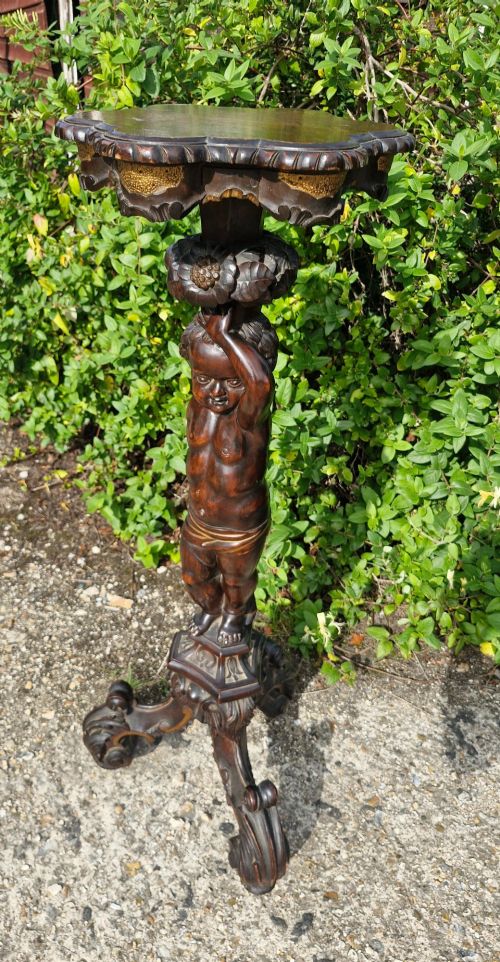
These antique columns and related vertical stands, pedestals, and supports span the Georgian, Regency, and Victorian periods.
Antique Columns
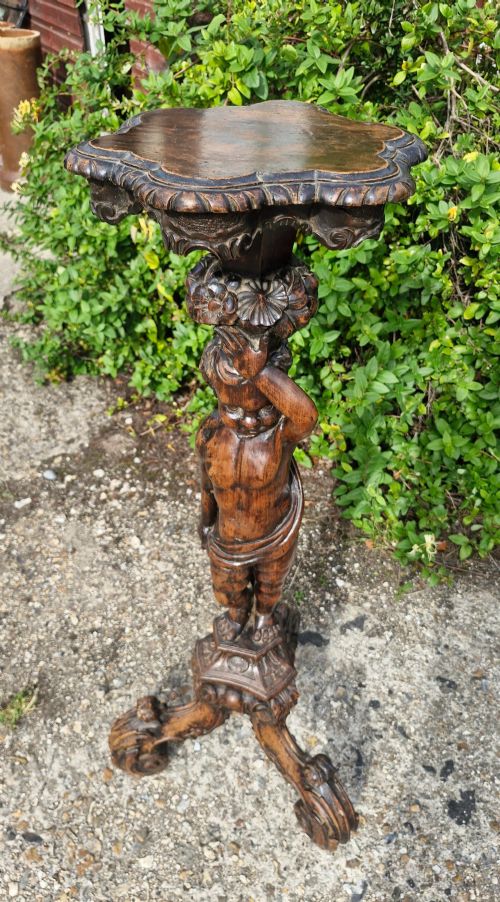
When searching for antique columns, buyers encounter vertical display pieces such as plant stands, torchere stands, pedestals, and carved architectural supports. These items serve to elevate decorative objects, urns, or lamps within a room.
The selection includes pieces from the 18th century through to the Edwardian period and 1920, encompassing styles like Regency, Victorian, William IV, and Neoclassical. Wooden and glazed ceramic forms predominate among the available tall display pieces.
Italian carved stands, French inlaid display pedestals, and English mahogany torchere stands represent the principal regional origins found in this category. Buyers often select these vertical forms to create focal points in interior spaces.
How they were made
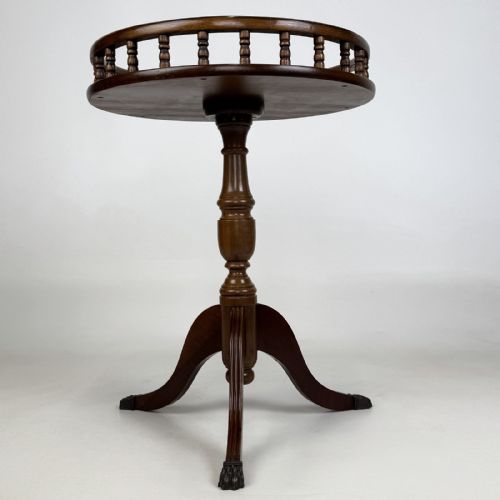
Carpenters and cabinetmakers utilised timbers such as mahogany, oak, walnut, and ebonised wood, often shaping them into tripod bases, barley twist shafts, or tiered structures. Joinery techniques included turning on a lathe and hand-carving decorative details.
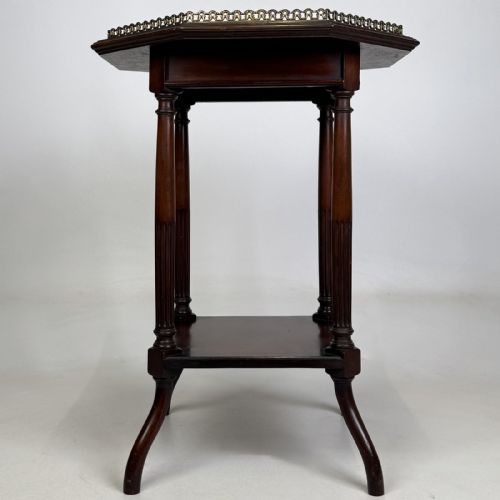
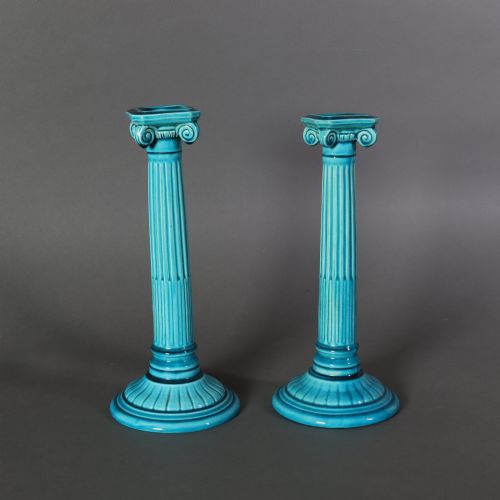
Other examples incorporate materials like brass, giltwood, marble, glass, and faience ceramics. Metal components were cast or plated, while ceramic stands like Burmantofts Faience and Majolika utilised glazed earthenware.
Listings in this category span the Georgian, Regency, Victorian, and Edwardian periods, utilising mahogany, oak, walnut, marble, and brass.
What varies in quality
The standard of carving and the choice of timber define the upper tier of these vertical supports. Fine examples display crisp hand-carved ornamentation, such as acanthus leaves or fluted shafts, executed in dense timbers like mahogany or walnut.
Integration of secondary materials also distinguishes the workmanship. The inclusion of parcel gilding, inset marble tops, or matched ceramic bodies indicates higher atelier standards during manufacturing.
Burmantofts Faience
The Antique Columns Glossary
- Pedestal
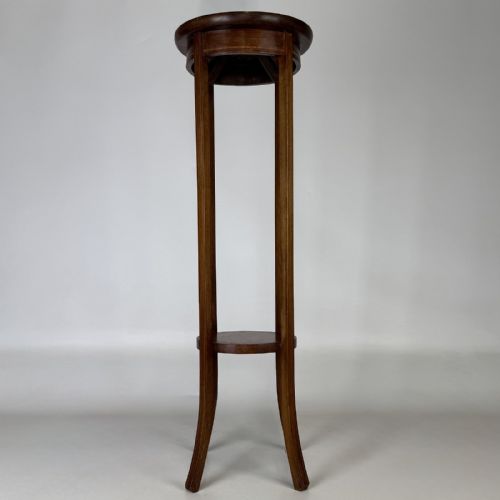
- An architectural support or freestanding column designed to elevate a bust, urn, or lamp. These pieces often feature square or circular tops resting on slender shafts.
- Torchere
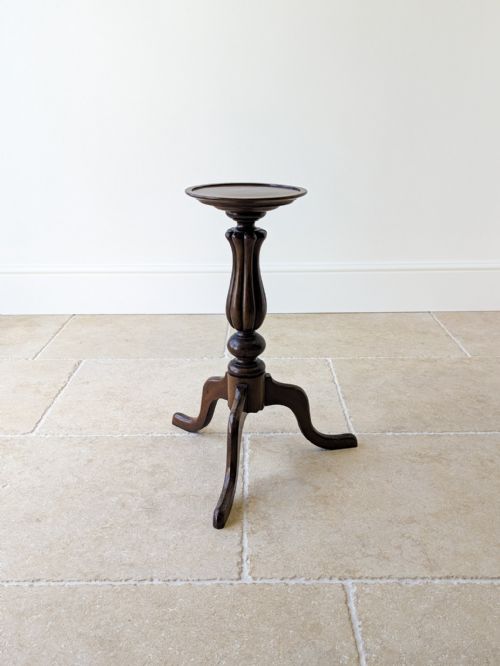
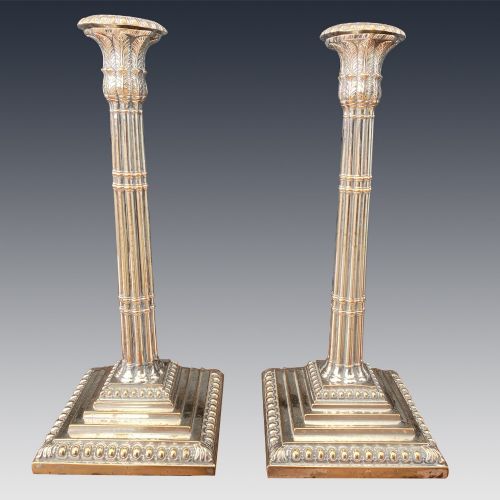
- A tall stand specifically intended to hold a candlestick or oil lamp. They frequently appear in pairs and date from the Victorian and Regency eras.
- Burmantofts Faience
- An English ceramic style known for art pottery production, often utilised for decorative jardiniere stands and pedestals. Items from this maker feature distinctive glazed finishes.
- Parcel Gilt
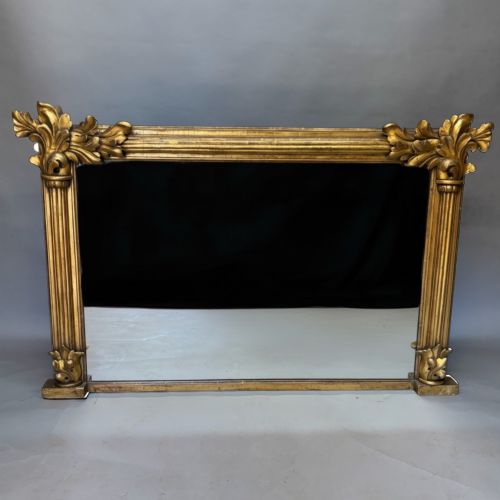
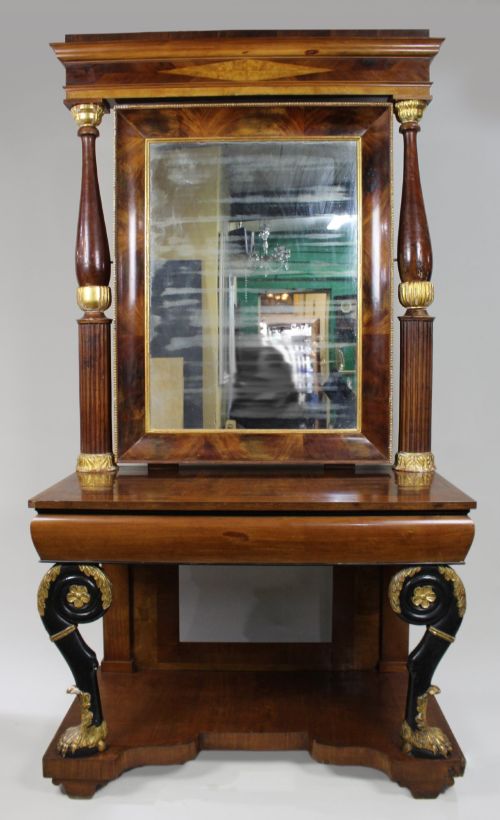
- A decorative technique where specific portions of a wooden or metal surface receive a thin layer of gold leaf. This method highlights carved details on mirrors and console tables.
- Barley Twist
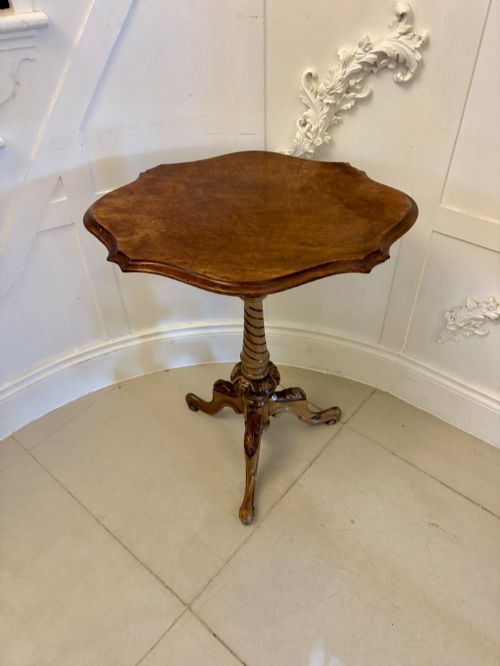
- A turned woodwork pattern resembling a spiral rope or twisting column. This decorative turning style is common on Victorian occasional tables and plant stands.
Antique Columns: Frequently Asked Questions
What is a torchere stand?
A torchere stand is a tall, slender piece of furniture designed originally to hold a candle or oil lamp for illumination. In later periods, they functioned primarily as display columns for decorative vases and plants.
These tall supports often feature tripod bases or weighted circular feet to maintain stability despite their height.
Where should I place a pedestal?
Pedestals and column stands suit corners, entrance halls, or flanking spaces beside fireplaces and windows. They provide vertical interest and elevate sculptures or urns to eye level.
Matching pairs are frequently used symmetrically to frame doorways or larger furniture arrangements.
How do I identify a Victorian plant stand?
Victorian plant stands often utilise dense timbers like mahogany or ebonised wood, frequently incorporating tripod bases or barley twist columns. Many date from the mid to late nineteenth century.
Some examples also combine wood with ceramic inserts or marble tops to resist moisture from potted plants.
What is the difference between a pedestal and a column?
A column strictly refers to an architectural support member with a capital, shaft, and base, while a pedestal serves as a broader base or standalone display pillar. In antique furniture, the terms often overlap.
Many antique examples adapt classical column forms into functional household plant stands and display pieces.