
Antique Column Table
An antique column table brings architectural dignity to a room, offering a sturdy central pedestal that supports surfaces for lamps, plants, and wine.
Antique Column Table
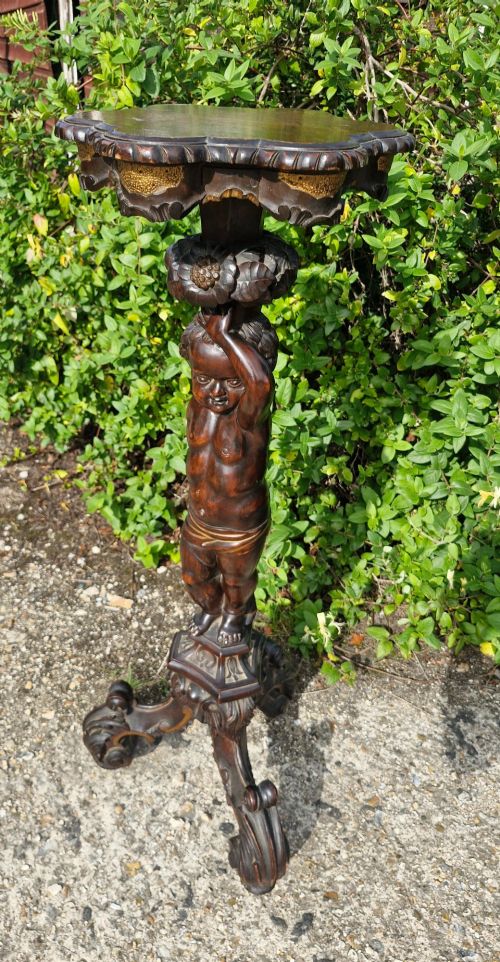
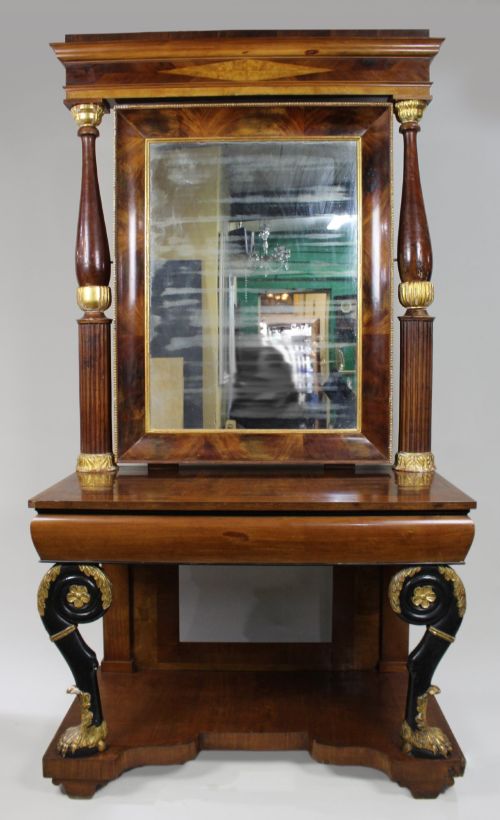
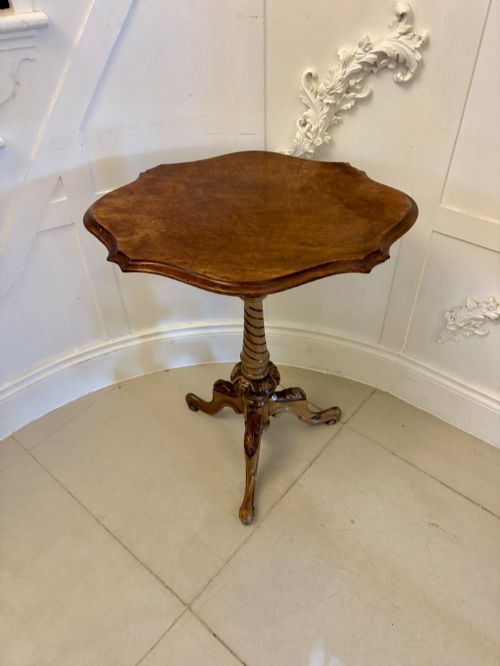
When searching for an antique column table, buyers encounter a variety of elevated supports, pedestals, and pillar-based forms designed to hold lighting, plants, or small items. The selection spans the nineteenth century through the Edwardian era, featuring classical influences such as Regency, Neoclassical, and Victorian designs.
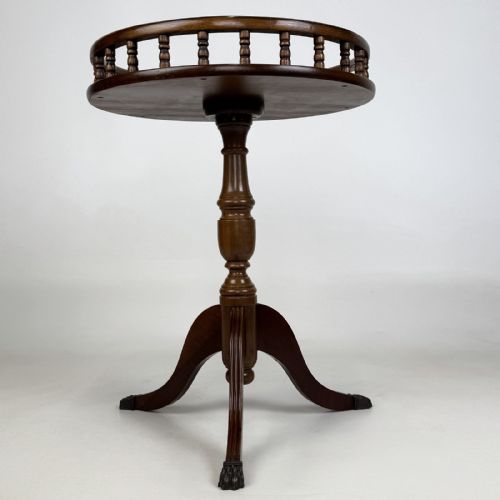
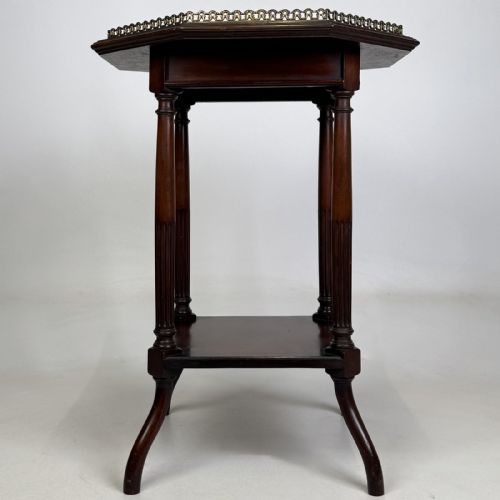
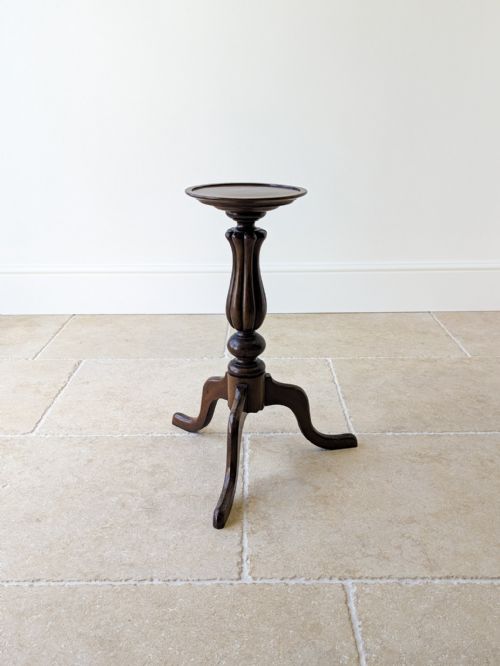
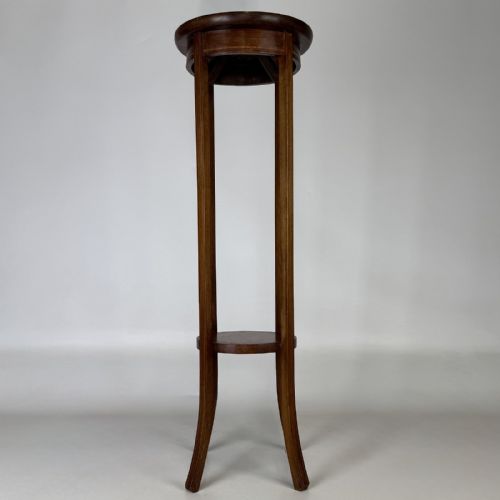
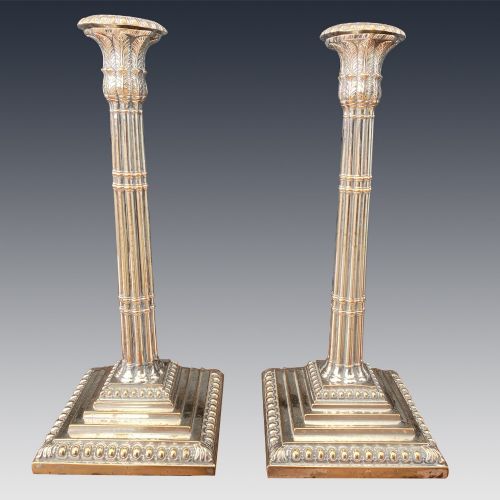
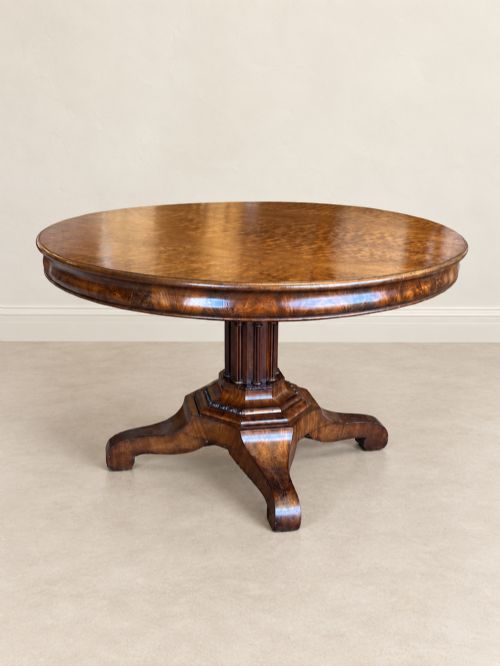
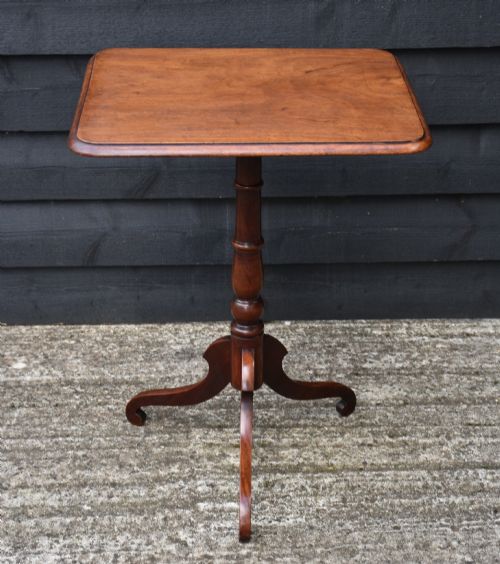
The most common formats on this page include occasional tables, lamp tables, wine tables, and plant stands supported by central columns or tripod bases. Mahogany and burr walnut predominate among the wooden items, alongside brass and silver-plated lighting stands shaped like architectural columns.
Materials and construction
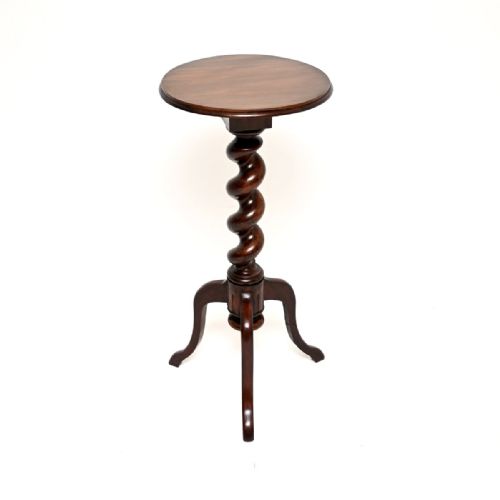
Cabinetmakers utilised dense timbers like mahogany, walnut, and oak for tables and plant stands, frequently selecting burr wood veneers for decorative tops. Turning and carving formed the central pillars, ranging from barley twist supports to smooth fluted columns.
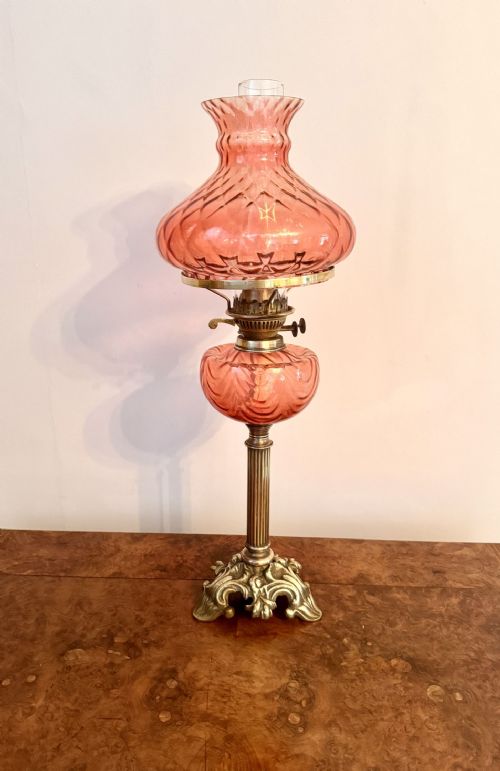
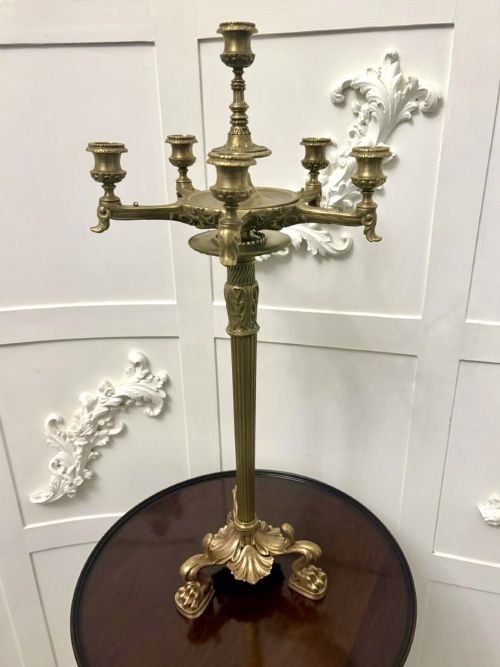
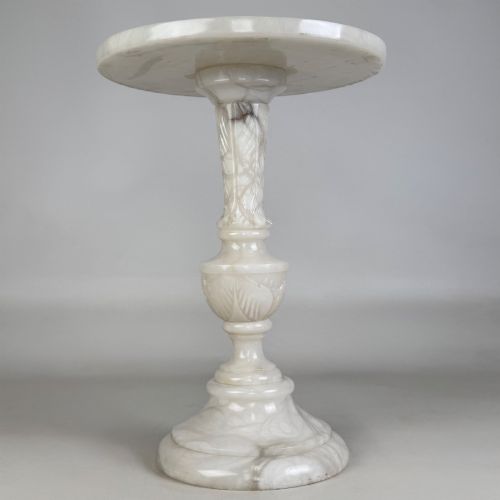
Metalwork played a major role in lighting pieces, using brass, bronze, and silver plate to cast Corinthian columns and candelabra bases. Glass appeared in oil lamp reservoirs and occasional table components, sometimes combined with brass fittings and marble.
Some tilt-top wine tables were designed to flip vertically so they could hide discreetly behind a sofa between sips.
Indicators of quality
Quality rests upon the selection of timber and the precision of the turning on the central column. Superior examples display figured burr walnut or rich mahogany with crisp, deep carving rather than shallow moulding.
In metal pieces, heavy cast brass or solid silver plate with well-defined capital details on column lamps separates finer workshop production from lighter commercial output.
Garrard and Co·Mappin and Webb
The Antique Column Table Glossary
- Tripod base
- A three-legged support system commonly found beneath small tables and torchères to ensure stability on uneven floors. It allows the top to remain balanced on a single central pillar.
- Tilt-top
- A tabletop hinged to the central column so it can pivot vertically when not in use. This mechanism permitted tables to be stored flat against a wall.
- Corinthian column
- An architectural order featuring an ornate capital decorated with acanthus leaves. It was frequently adopted for the stems of nineteenth-century brass table lamps and candlesticks.
- Barley twist
- A spiral turning technique applied to wooden table legs and central columns. It creates a dynamic rope-like silhouette popular during the Victorian period.
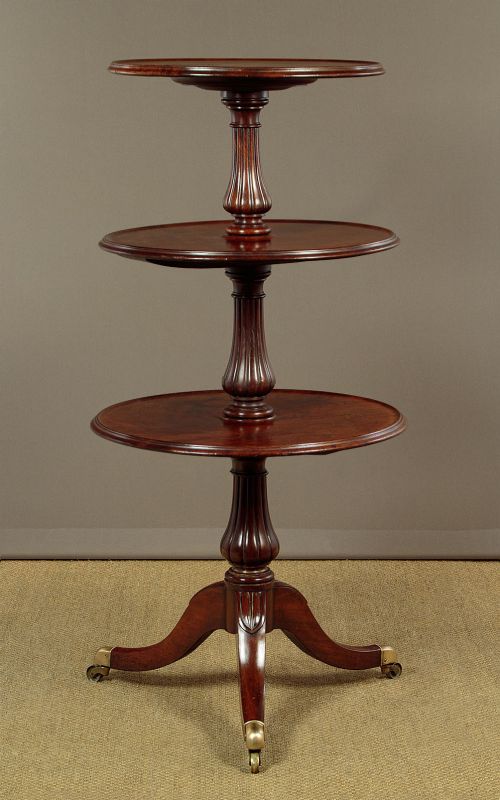
- Dumb waiter
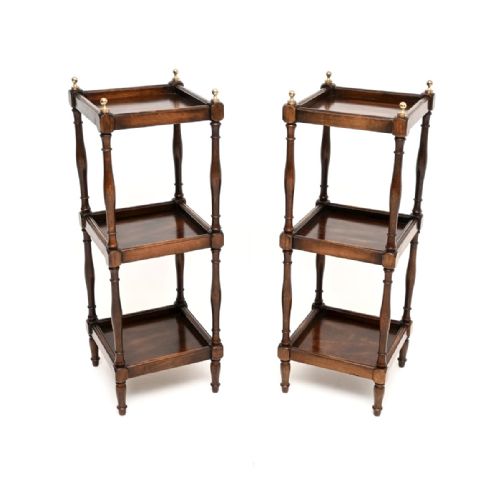
- A tiered set of revolving or stationary round shelves mounted on a central pillar. These served dining rooms for holding dishes and glassware.
Antique Column Table: Frequently Asked Questions
What is a column table used for?
These pieces function as compact surfaces for table lamps, pocket watches, drinks, or decorative plants in reception rooms and hallways.
Their central pillar design takes up minimal floor space while providing a stable platform for daily items.
How do I identify a Victorian column table?
Victorian examples frequently utilise dark mahogany or burr walnut, often featuring turned barley twist stems or heavy tripod bases.
Design motifs from this era lean towards robust proportions and visible wood grain.
Are pillar tables stable?
The weight of the central column combined with spread feet or tripod legs provides solid balance for standard domestic use.
Placing them on flat flooring prevents any wobble inherent in tall, slender furniture.
What is the difference between a lamp table and a wine table?
Lamp tables generally feature broader tops suited for heavy bases and shades, sometimes incorporating lower shelves for storage.
Wine tables are smaller, occasionally equipped with tilt-top mechanisms designed to hold a single glass or bottle.