




Antique Collectible Plate
An antique collectible plate is a piece of display porcelain or ceramic carrying hand-painted fruit, floral or heraldic work from past centuries.
Antique Collectible Plate
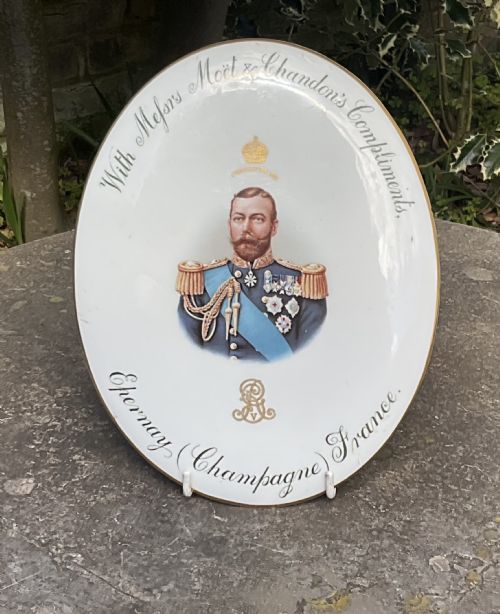
When you search for an antique collectible plate, you encounter decorative and cabinet ceramics intended primarily for display rather than dining. The versions most likely to meet you on this page span Georgian, Victorian, Edwardian, and mid-twentieth-century periods, often originating from prominent English porcelain works.
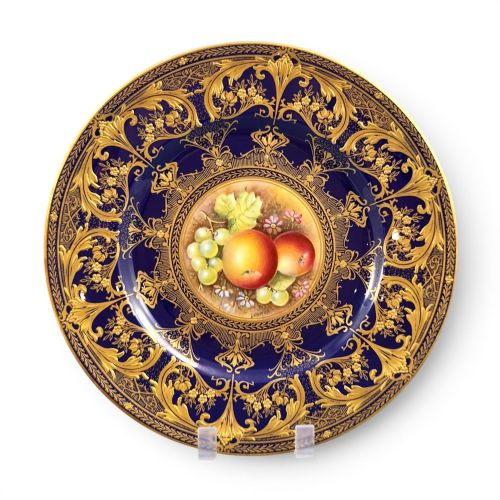
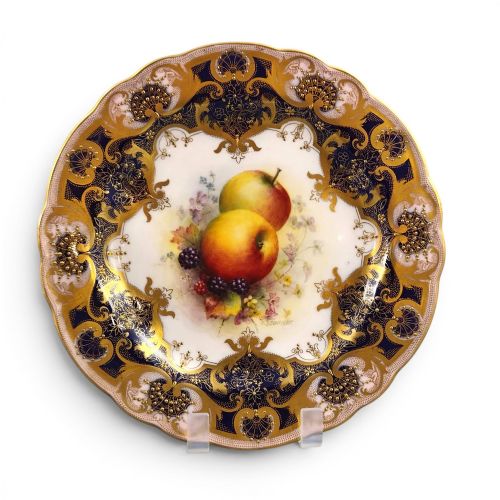
These items frequently take the form of dessert plates, side plates, or larger cabinet plates designed to showcase exceptional hand-painting. Makers such as Royal Worcester, Minton, Coalport, and Derby dominate the forms, frequently featuring botanical or fruit subjects executed by named artists.
Beyond standard ceramic bodies, the selection encompasses specialised decorative plates utilising bone china and porcelain, sometimes accented with gold leaf or gilt. Their primary appeal lies in the artistic skill recorded on the surface and the historical connection to notable European manufactories.
Materials and methods of manufacture
The foundation of these items rests on refined ceramic bodies, predominantly porcelain and bone china, which provided a smooth, stable ground for detailed artistic work. Potters shaped these materials on wheels or pressed them into moulds before initial firing.
Artists applied specialised ceramic pigments by hand, utilising metallic oxides that withstood high kiln temperatures without losing their colour. Gilt and gold leaf accents were frequently added in final low-temperature firings to create contrasting borders and highlights.
Antique Collectible Plate Retail Price Guide 2026
Typical asking prices for collectible plate among the pieces listed under this phrase on Sellingantiques today, from the lower quarter to the upper quarter. They describe what is for sale here now, not the wider market.
Listings feature porcelain and bone china from Georgian, Victorian, and Edwardian periods, alongside mid-twentieth-century examples.
Factors determining quality
Quality in these pieces is dictated primarily by the skill of the painter and the prestige of the manufactory. Items featuring named artists demonstrate superior artistic execution compared to factory-decorated standard patterns.
The complexity of the palette, the precision of the gilt work, and the preservation of the enamel surface separate ordinary productionware from exceptional cabinet specimens.
Royal Worcester·Minton·Coalport·Meissen·Moorcroft·Royal Crown Derby·Cauldon Ltd
The Antique Collectible Plate Glossary
- Cabinet plate
- A high-quality ceramic plate intended for display in a glass-fronted cabinet rather than everyday table use. These typically feature elaborate hand-painted decoration.
- Bone china
- A type of soft-paste porcelain incorporating animal bone ash, which yields a strong, milky-white body capable of holding delicate painted details.
- Gilt
- A thin layer of gold applied to the ceramic surface, often framing the central painted subject or edging the rim.
- Enamel
- Vitreous material fused to a surface through firing, used to create durable, highly coloured artistic designs on ceramics and metal.
Antique Collectible Plate: Frequently Asked Questions
How were cabinet plates displayed?
Cabinet plates were historically kept in specialised display furniture or mounted on walls using fabric-covered hangers to protect the painted surface from damage.
Today, owners utilise weighted stands or specialised wall mountings designed to secure the ceramic rim safely without causing structural stress.
Can antique plates be used for food?
Most antique collectible pieces are unsuited for modern dining due to the delicate nature of historic glaze formulations and potential wear on overglaze enamels.
Additionally, nineteenth-century ceramic decorations sometimes incorporated metallic compounds that are not recommended for direct food contact.
How do I identify the period?
Period identification relies primarily on factory backstamps, impressed marks, and the specific style of the painted decoration or gilding.
Reference books and maker archives help match specific cipher marks to exact decade ranges of production.
What makes a plate signed?
Signed pieces bear the handwritten monogram or full signature of the artist who painted the central motif, typically positioned near the edge of the artwork.
Factory records frequently attribute specific botanical or fruit studies to master painters working within major manufactories.