




Antique Coffee Urn
An antique coffee urn is a grand focal point for formal service, offering solid metal construction and period presence.
Antique Coffee Urn
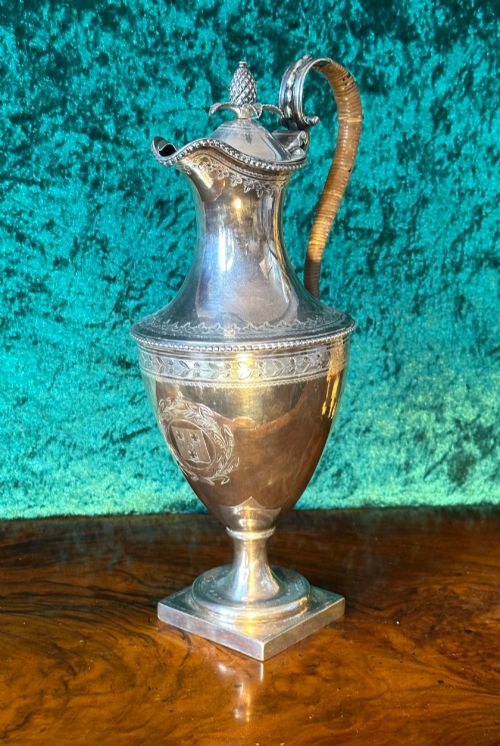
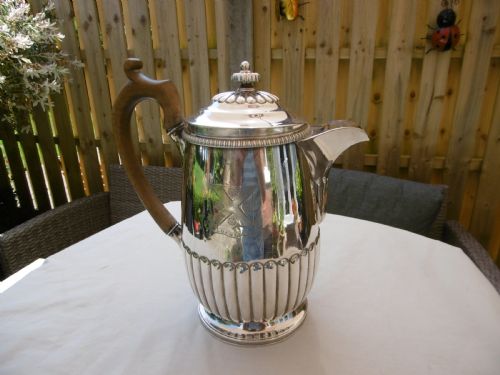
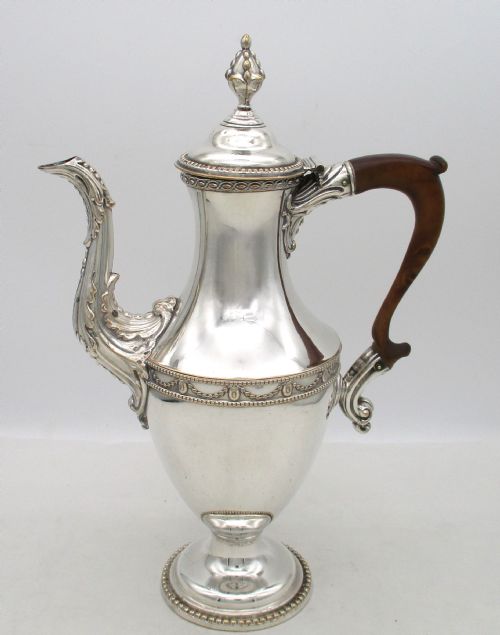
An antique coffee urn brings monumental presence to a room, functioning historically as a self-contained vessel for hot water or brewed coffee. You encounter substantial metal forms ranging from Georgian serving vessels to Dutch regional examples.
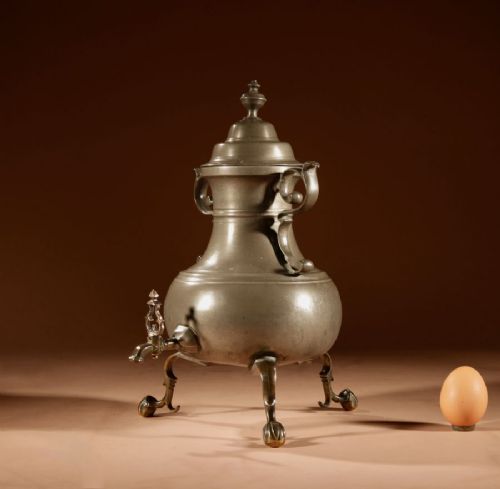
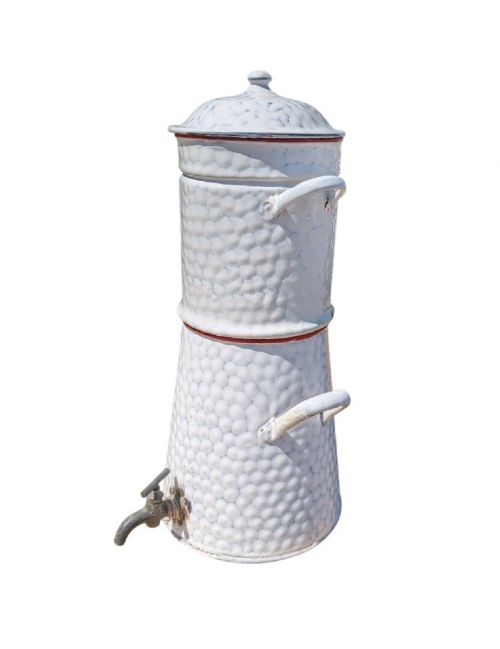
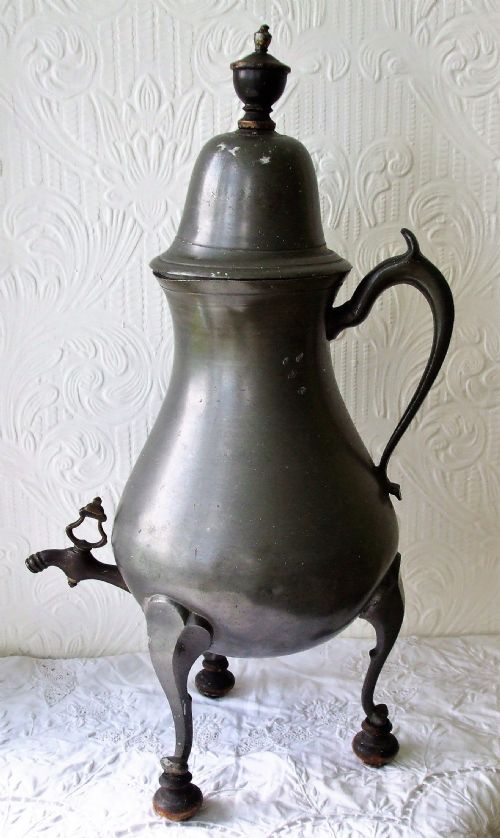
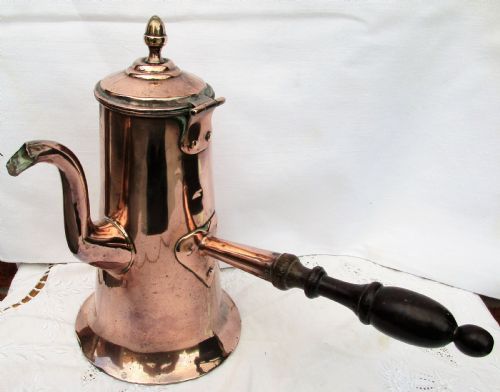
The most common versions on this page are Georgian copper or pewter vessels, alongside later French enamel pieces and Dutch tôleware. These items cross several historic periods, including the eighteenth and nineteenth centuries.
Makers shaped these objects for elite hospitality, utilising durable metal alloys and refined silhouettes. The selection spans distinct regional traditions such as Dutch Regency, French Country, and English Georgian.
How they were made
Artisans constructed these vessels using heavy sheets of copper, brass, pewter, and silver, often hammering the metal to shape the body. Old Sheffield plating techniques combined copper and silver to achieve a bright surface finish.
Foundries integrated bronze taps and handles, casting intricate mounts to accent the main body. Enamel and tôleware pieces introduced painted or coated surfaces over metal bases for added colour and protection.
Listings feature items spanning the eighteenth, nineteenth, and early twentieth centuries, constructed in copper, pewter, silver, and enamel.
What varies in quality
The sophistication of the metalwork and the crispness of chased details separate superior pieces from standard utilitarian examples. Heavier gauge metals and intricate cast handles indicate higher workshop standards.
Provenance and maker attribution elevate certain pieces, particularly those bearing documented maker marks or engraved crests. The integration of high-grade materials like sterling silver or refined Sheffield plate alters the overall calibre of the vessel.
Matthew Boulton·John Hoyland·Paul Storr
The Antique Coffee Urn Glossary
- Kraantjeskan
- A traditional Dutch vessel featuring a central heating cylinder and a spigot, often used for coffee or tea. This form typically dates to the eighteenth century and incorporates pewter and bronze elements.
- Old Sheffield Plated
- A fused composite material made by applying a thin sheet of silver to a thicker copper core. This technique predated modern electroplating and produced durable silver-surfaced wares.
- Tôleware
- Lacquered or painted metalware produced in Europe, particularly during the eighteenth and nineteenth centuries. It provided a colourful finish on items such as coffee urns.
- Biggin
- A tall coffee pot fitted with an internal strainer device for holding coffee grounds. This form gained popularity during the Georgian period.
- Ewer
- A large jug with a flared spout and curved handle, historically used for pouring water or beverages. Examples from the Georgian era display classical proportions.
Antique Coffee Urn: Frequently Asked Questions
How were coffee urns used historically?
Historically, these urns served as the centrepiece of tea and coffee service in wealthy households. Servants heated water inside the vessel using internal cylinders or coals.
Guests gathered around the service to receive freshly brewed coffee dispensed directly from the spigot.
How do I style a coffee urn at home?
These vessels work well displayed on sideboards, buffets, or dedicated serving tables as sculptural decorative elements. Their substantial metal surfaces catch the light and anchor a room's aesthetic.
Perect for period interiors, they pair naturally with other antique metalware and ceramic serving pieces.
How do I identify a Georgian coffee urn?
Georgian examples typically feature neoclassical urn shapes, tripod bases, and delicate handles cast in brass or bronze. Look for hallmarks and crests engraved onto the metal body.
Materials like copper, early silver plate, and pewter are characteristic of this eighteenth and early nineteenth-century aesthetic.