




Antique Cluster Stud Earrings
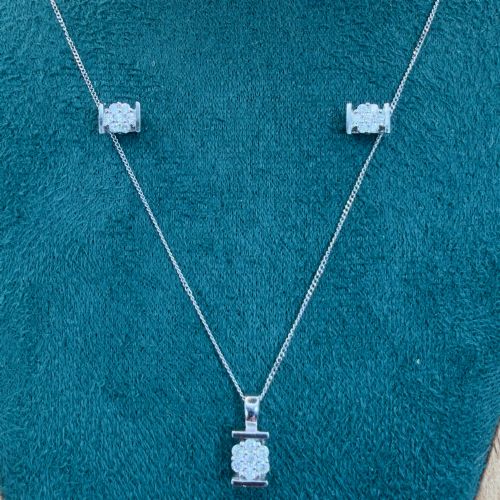
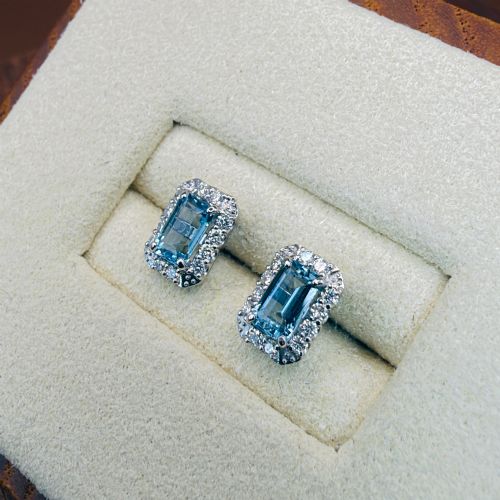
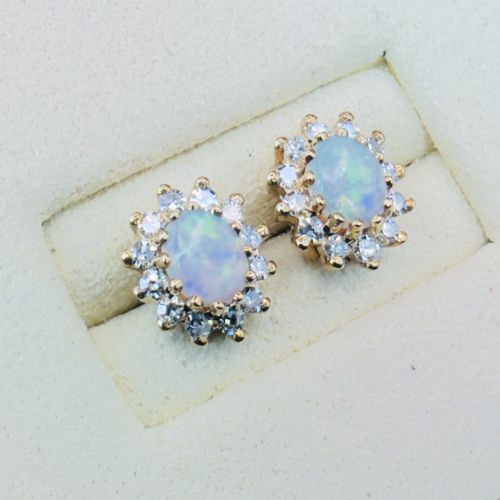
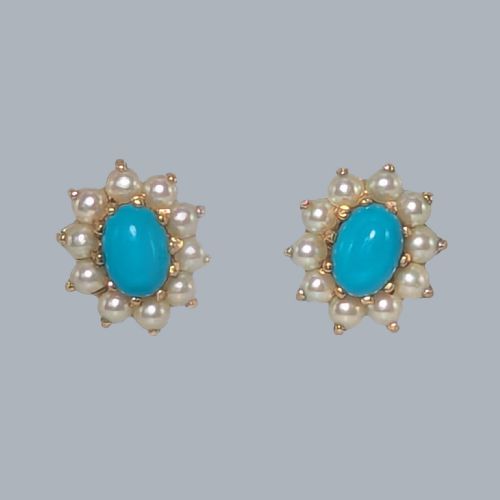
These antique cluster stud earrings group central gemstones with framing stones, spanning Georgian targets to Mid-Century diamonds.
Antique Cluster Stud Earrings
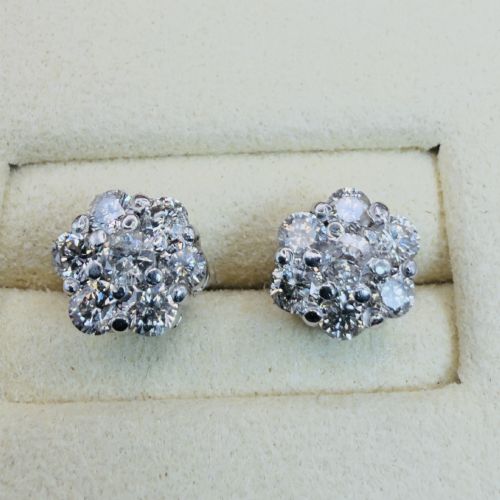
Antique cluster stud earrings present a central gemstone or diamond encircled by a border of smaller stones, designed to sit closely on the earlobe or drop slightly below it. The form dates across multiple eras, incorporating Georgian target designs, Victorian floral arrangements, Edwardian filigree work, and Art Deco geometric motifs. Buyers encounter both secure post-and-nut fastenings and specialised mechanisms like screw-on backs or clip-on fittings tailored to non-pierced ears.
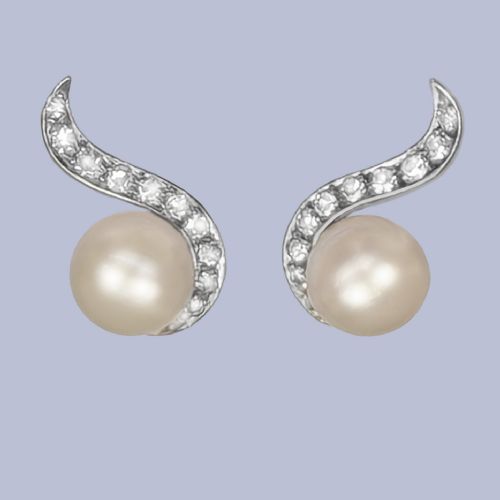
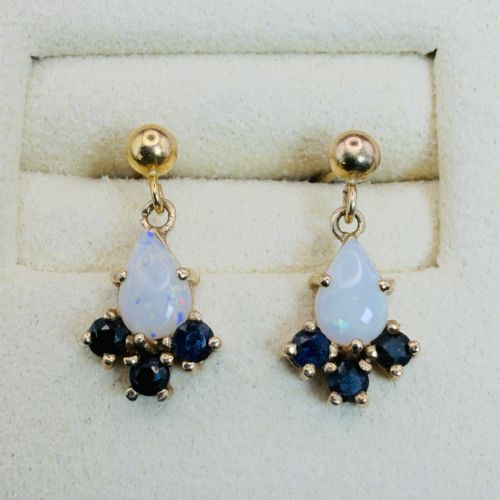
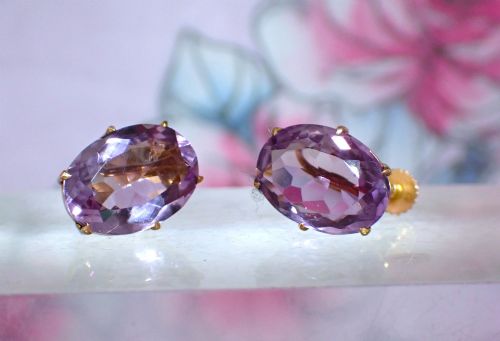
The selection ranges from delicate 9ct gold and amethyst pieces to substantial platinum and diamond creations carrying significant carat weights. Mid-Century and 1960s iterations frequently pair cultured pearls or sapphires with white gold settings, whilst earlier Victorian examples rely on yellow gold and rose-cut diamonds or deep red garnets.
How they were made
Goldsmiths constructed these clusters using precious metals suited to the prevailing technology of each period, moving from hand-beaten gold and silver-gilt in Georgian and Victorian workshops to platinum and 18ct white gold in Art Deco and Mid-Century settings. Stones were hand-set using claw, bezel, or flush techniques, with older pieces often mounting rose-cut or old cut diamonds into closed or silver-topped gold backs to enhance their brilliance under candlelight.
Earring mechanics varied according to the decade of manufacture, employing threaded screw posts for secure everyday wear or hinged clips for heavier drop clusters. Structural integrity depended on precise metalwork, whether casting floral petals in yellow gold or fabricating intricate platinum geometric frames around central sapphires and emeralds.
Listings feature pieces spanning the Georgian, Victorian, Edwardian, Art Deco, and Mid-Century eras, utilising diamond, sapphire, emerald, garnet, and amethyst.
What varies in quality
Quality in antique cluster stud earrings rests upon the calibre of the central gemstone, the matching and clarity of the surrounding halo stones, and the integrity of the metal setting. Pieces featuring certified natural diamonds, high-grade sapphires, or Colombian emeralds command attention through their depth of colour and superior light return.
The finesse of the manufacturing also dictates distinction, separating mass-produced later items from hand-wrought Georgian or Art Deco examples with delicate millegrain edges and well-balanced proportions. Original screw-on mechanisms and intact backs that retain their structural tightness contribute further to a piece's enduring integrity.
The Antique Cluster Stud Earrings Glossary
- Cluster
- A jewellery arrangement featuring a prominent central stone encircled by a border of smaller matching or contrasting gems.
- Millegrain
- A decorative technique applying a fine border of tiny raised metal beads along the edges of a setting, common in Edwardian and Art Deco pieces.
- Rose-cut
- An antique gemstone cut featuring a flat base and a domed crown faceted with triangular shapes, popular before the dominance of modern brilliant cuts.
- Guilloche
- An intricate mechanical engraving technique producing precise repetitive patterns beneath a translucent layer of enamel, seen in Georgian target designs.
- Screw-on
- A fastening mechanism utilising a threaded post and a small nut turned down against the earlobe, designed primarily for non-pierced ears.
Antique Cluster Stud Earrings: Frequently Asked Questions
How do I secure screw-on earrings?
Screw-on earrings utilise a threaded post paired with a matching threaded nut that winds down gently against the back of the lobe. This mechanism allows the wearer to adjust the tension precisely without requiring a pierced ear.
Care must be taken not to over-tighten the backing against the skin. Regular checking ensures the small threaded nut remains secure during daily wear.
Are Victorian cluster earrings heavy?
Victorian cluster earrings vary significantly in weight depending on the materials and the specific style of the drop or stud. Earlier examples utilising dense garnets or large pearls mounted in gold can carry a noticeable presence on the earlobe.
Heavier cluster designs often incorporate secure clip-on or screw-back mechanisms to distribute the weight comfortably. Lighter floral stud versions sit easily on standard posts for everyday use.
How do I date antique clusters?
Dating relies on examining the combination of gemstone cuts, metal choices, and construction methods characteristic of different eras. Georgian pieces often show flat-cut stones in closed-back settings, whilst Victorian designs favour yellow gold with rose-cut diamonds or garnets.
Later Edwardian and Art Deco periods introduce platinum, white gold, and precise millegrain work. Fastening types also provide clues, as screw-on mechanisms and specific clip designs evolved across the decades.