



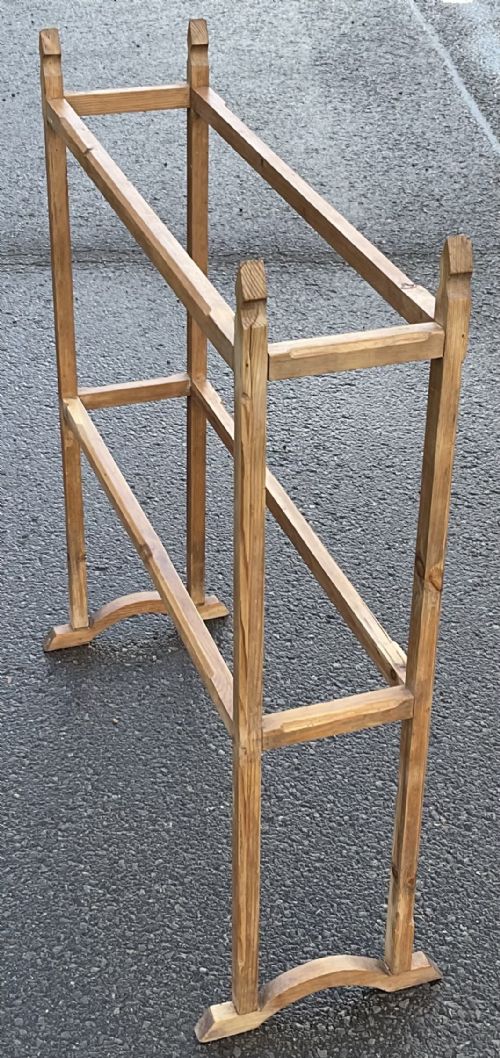

Antique Clothes Rail
An antique clothes rail brings functional timber structure into a room, offering practical hanging space shaped by centuries of domestic utility.
Antique Clothes Rail
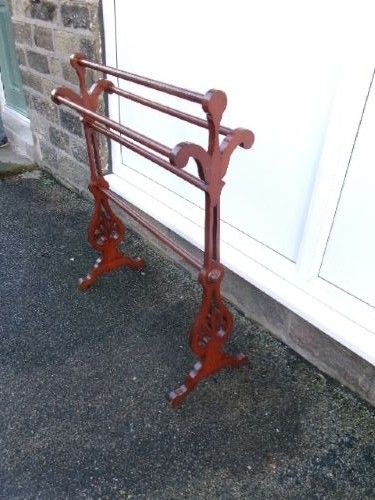
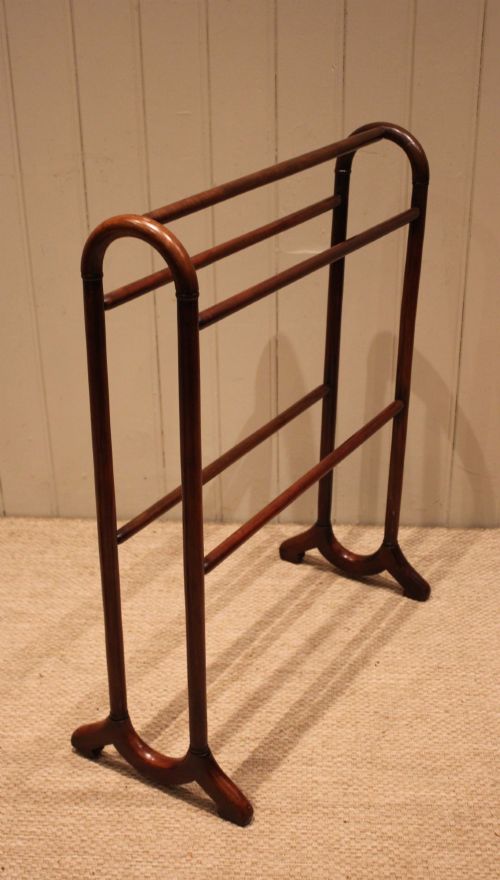
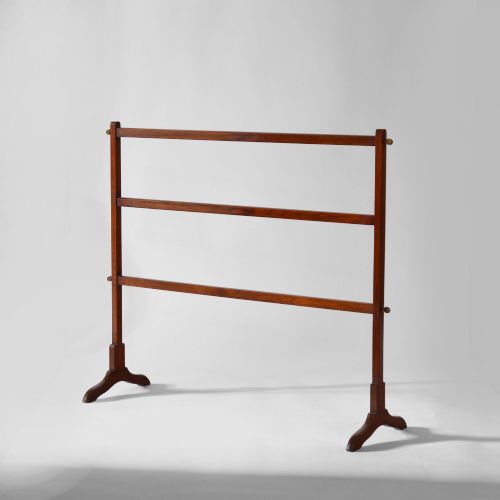
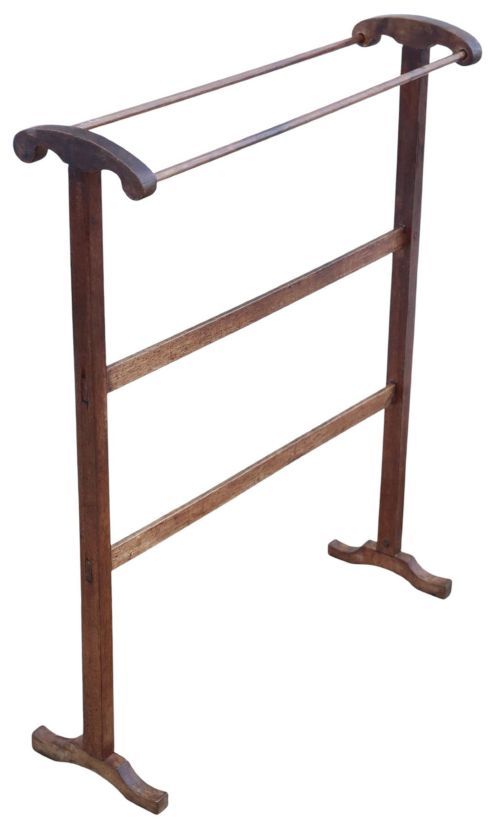
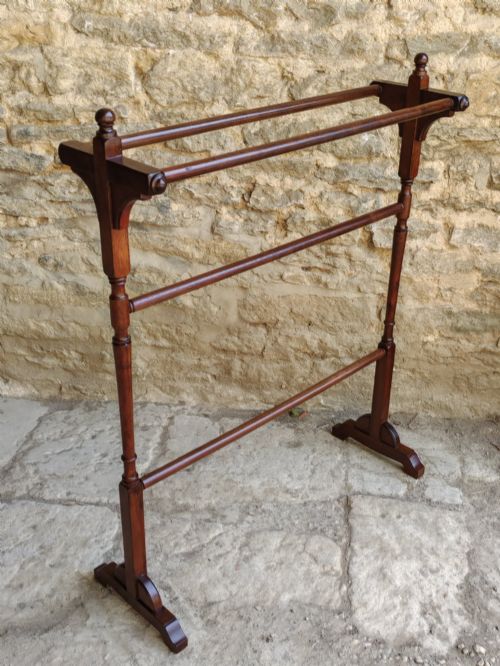
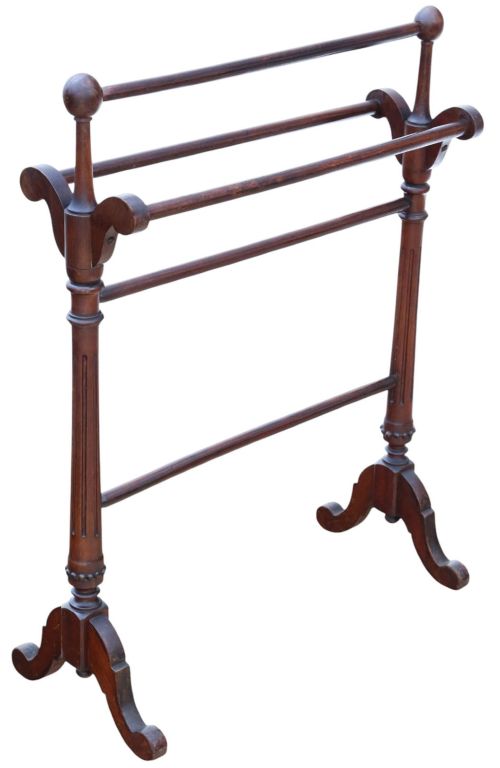
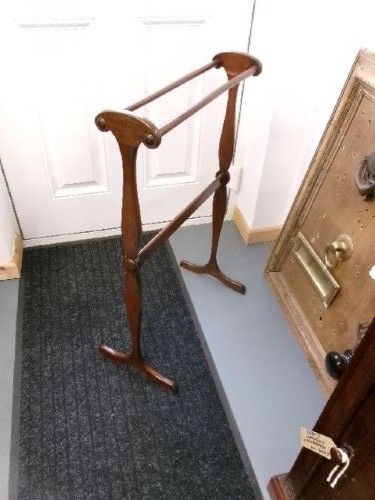
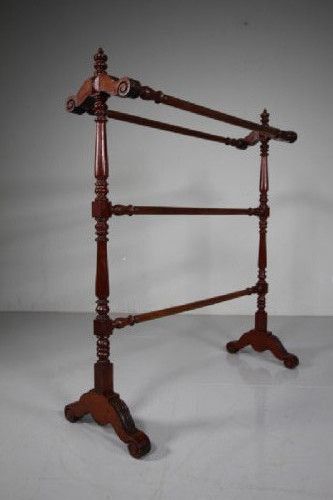
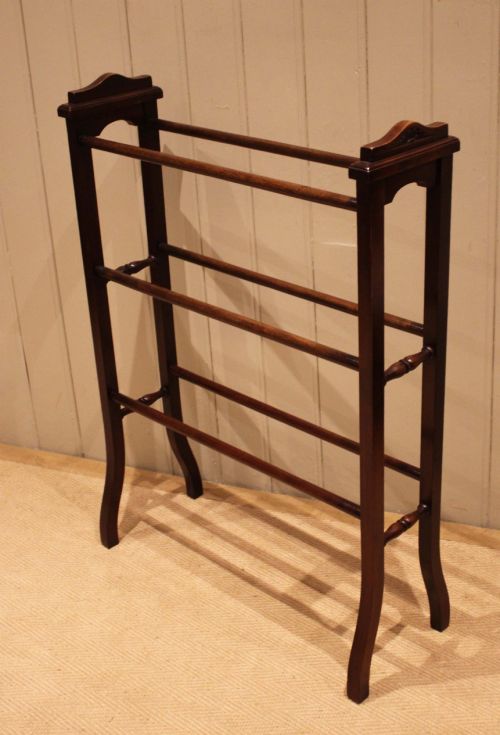
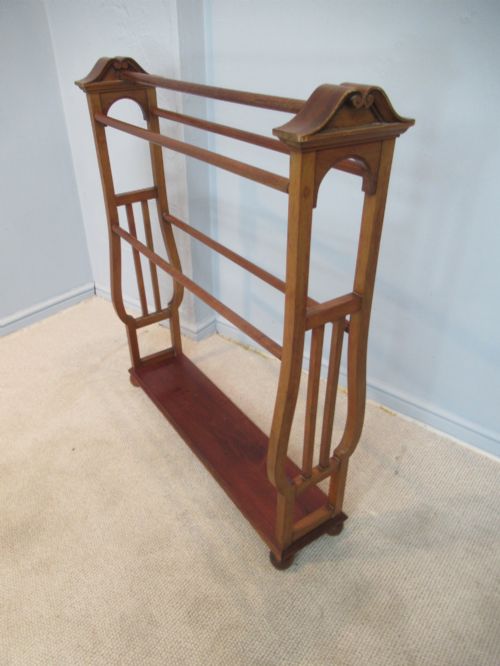
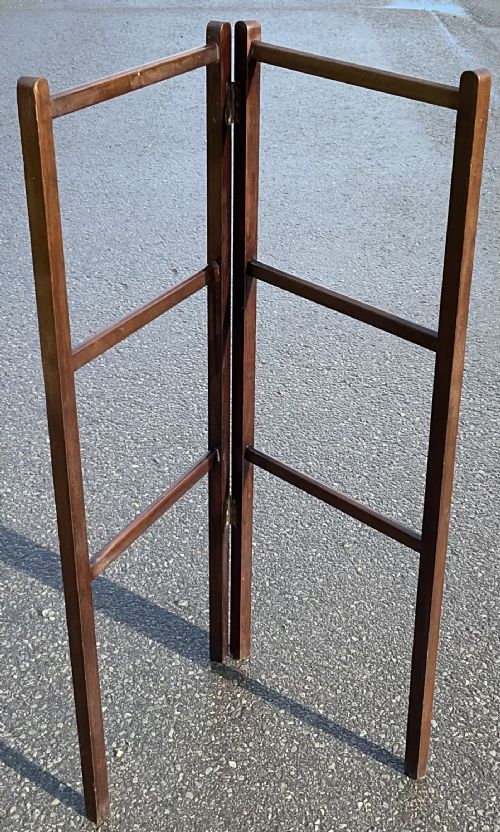
When searching for an antique clothes rail, buyers encounter a diverse selection of domestic framing designed primarily for textiles, towels, and garments. These objects span the nineteenth century through the early twentieth century, taking the form of standing towel rails, folding cheval stands, robe racks, and hall stands.
The dominant material on this page is mahogany, appearing across Victorian, Edwardian, and Regency periods in various configurations from single frames to large three-fold and five-bar designs. Alongside these timber frameworks, pieces emerge in oak, pine, walnut, elm, and iron, occasionally incorporating hanging rails or specialised domestic attachments.
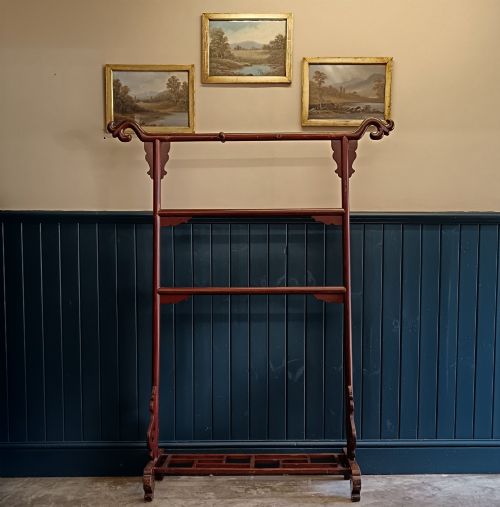
Regional and international variations expand the selection beyond standard British household furniture, introducing Chinese lacquered robe stands and French Arts & Crafts hanging rails. Buyers find both simple country house pine pieces and substantial formal furniture built with generous proportions.
How they were made
Cabinetmakers constructed these rails predominantly from solid hardwoods such as mahogany, oak, and walnut, utilising traditional joinery to withstand daily domestic stress. Pine and elm served for more utilitarian country house and nursery pieces, providing robust framing for standing and folding formats.
Surface treatments varied from polished mahogany and ebonised timber to intricate lacquered finishes seen on Chinese robe stands. Metal components, particularly brass fittings and iron structures, provided additional strength and decorative contrast on specific hanging rails and nursery fenders.
Antique Clothes Rail Retail Price Guide 2026
Typical asking prices for clothes rail among the pieces listed under this phrase on Sellingantiques today, from the lower quarter to the upper quarter. They describe what is for sale here now, not the wider market.
Materials recorded across the inventory include mahogany, brass, pine, oak, lacquered wood, walnut, iron, and elm.
What varies in quality
The distinction between standard utility items and finer pieces lies in the selection of timber and the sophistication of the joinery. Superior examples display carefully chosen mahogany grain, precise turning on uprights, and well-fitted hinges on folding or multi-bar configurations.
Scale and proportion also define the better items in this range, such as oversized William IV frames and large Chinese lacquered stands. The presence of inlay, carved details, or ebonised finishes indicates a higher level of workshop attention during the Victorian and Edwardian eras.
Gillows
The Antique Clothes Rail Glossary
- Cheval rail
- A standing framework designed with a central pivoting or folding mechanism for holding multiple textiles. These items allow easy access to garments from both sides.
- Robe stand
- A freestanding structure intended for hanging garments rather than smaller linens. These pieces often feature taller uprights and wider bases for stability.
- Hall stand
- A multi-functional piece of furniture placed near an entryway, combining hanging facilities with structural timber framework. They frequently incorporate umbrella storage and mirrors alongside clothes hooks.
- Nursery fender
- A protective metal or wooden guard placed around a hearth with an integrated clothes rail. This dual-purpose design allowed infant garments to dry safely near a fire.
- Ebonised
- Timber treated with a finish that darkens the grain to resemble ebony. This technique was popular in the late nineteenth century for creating formal contrast.
Antique Clothes Rail: Frequently Asked Questions
What is an antique clothes rail used for today?
These pieces serve as practical bedroom or hallway storage for hanging garments, scarves, and linens. Their freestanding nature allows them to be moved easily between rooms without permanent wall fixings.
Collectors and interior designers also utilise them as display pieces for vintage textiles or everyday clothing, blending historical craftsmanship with modern domestic utility.
How do I tell a Victorian rail from an Edwardian one?
Victorian rails often feature denser timbers like mahogany and walnut, frequently displaying deeper polished finishes, turned uprights, and heavier proportions. Gothic Revival or William IV examples from this era show particularly robust construction and architectural detailing.
Edwardian pieces tend to be lighter in appearance, with a prevalence of inlaid mahogany, simpler lines, and pine frames intended for domestic bedrooms. The shift reflects changing interior tastes towards brighter, less imposing furniture.
Are folding rails sturdy enough for daily use?
Most folding and multi-bar rails were engineered with robust hinges and secure wooden joints to withstand frequent repositioning in nineteenth-century households. Their stable bases prevent tipping when loaded with standard garments or towels.
Care should be taken not to overload extended multi-fold designs, but standard daily hanging duties remain well within their original structural capacity.
What styles appear in these listings?
The inventory encompasses standard British periods including Regency, Victorian, and Edwardian, alongside specific movements like Arts & Crafts and Victorian Gothic Revival. Regional pieces such as Chinese Qing Dynasty lacquered stands also appear.
These diverse origins mean buyers can choose between formal mahogany furniture, rustic pine pieces, and decorative Asian woodwork.