
Antique Clock with Dial
An antique clock with dial brings together mechanical precision and striking woodwork from the eighteenth, nineteenth, and twentieth centuries.
Antique Clock with Dial
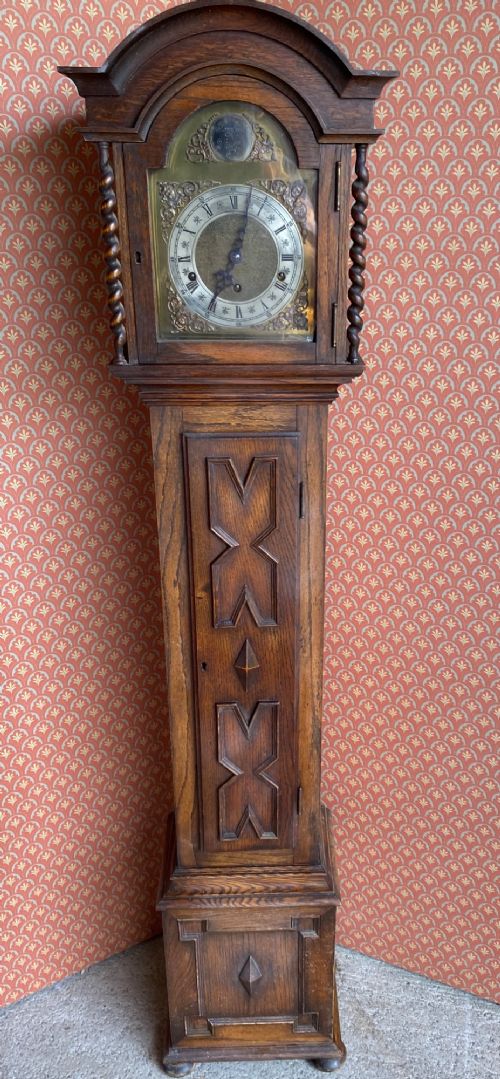
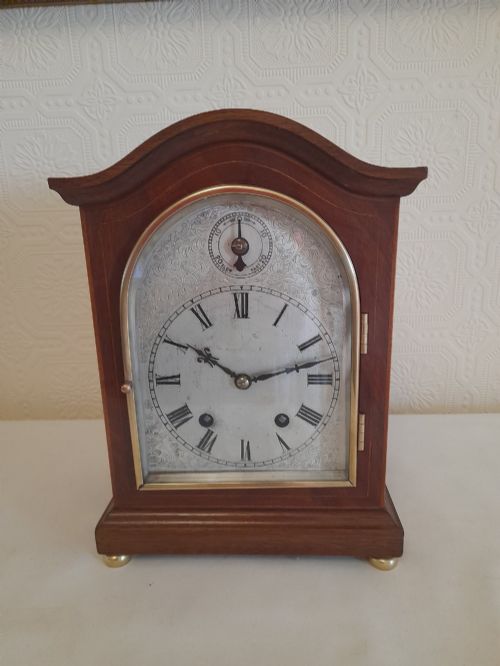
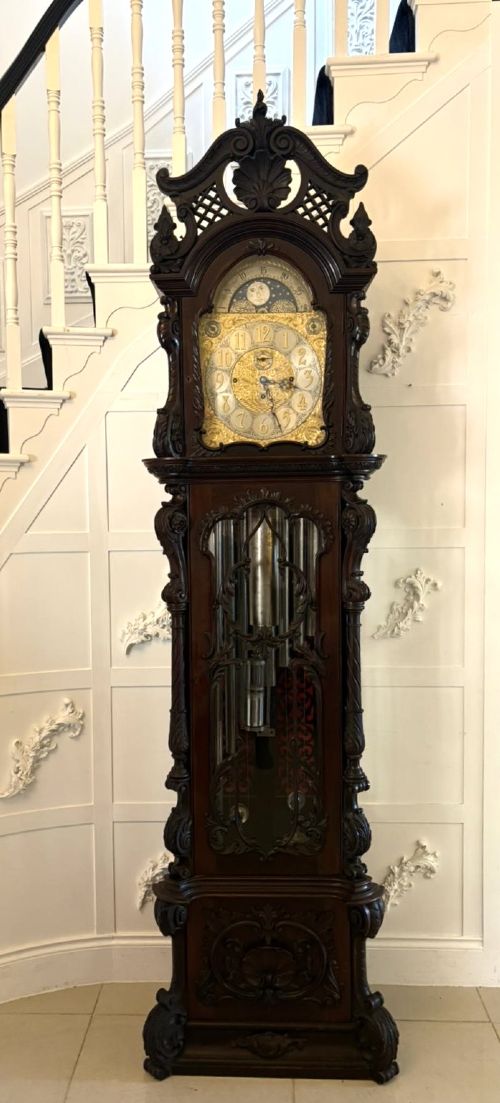
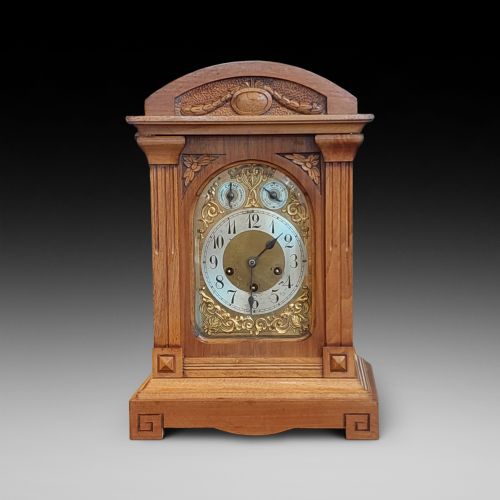
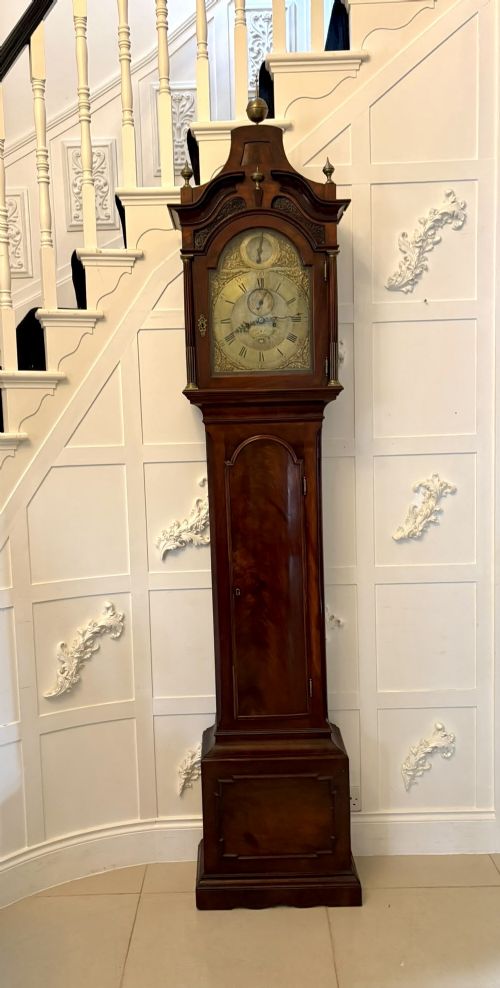
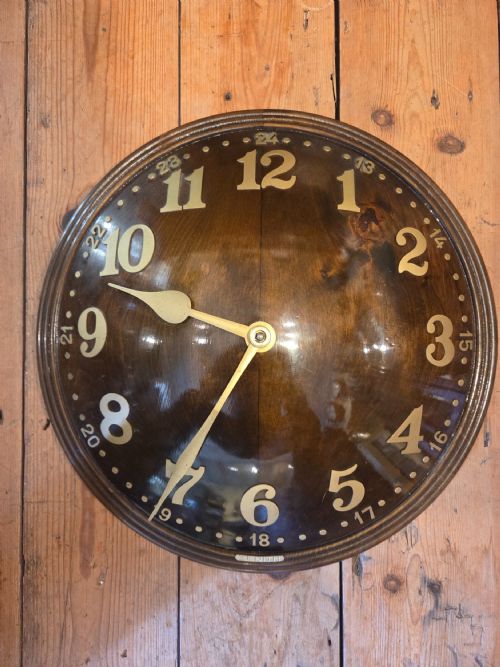
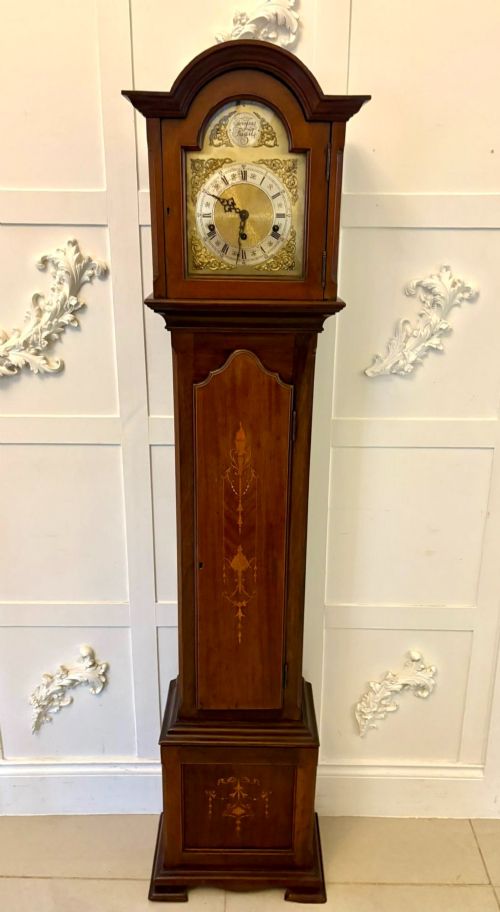
When searching for an antique clock with dial, buyers encounter diverse formats ranging from wall-hanging drop-dial timepieces to grand floor-standing longcase examples and compact carriage clocks. The selection spans Georgian, Victorian, and Edwardian periods alongside twentieth-century Art Deco expressions.
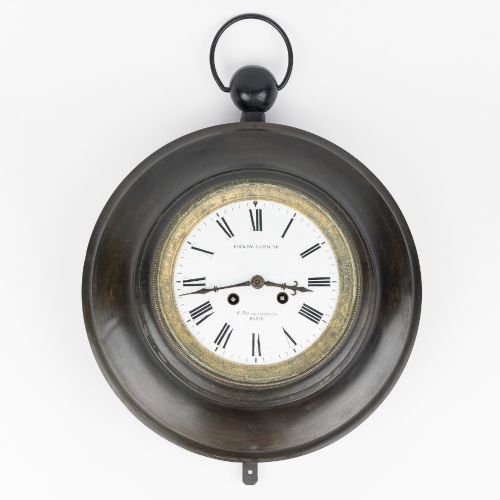
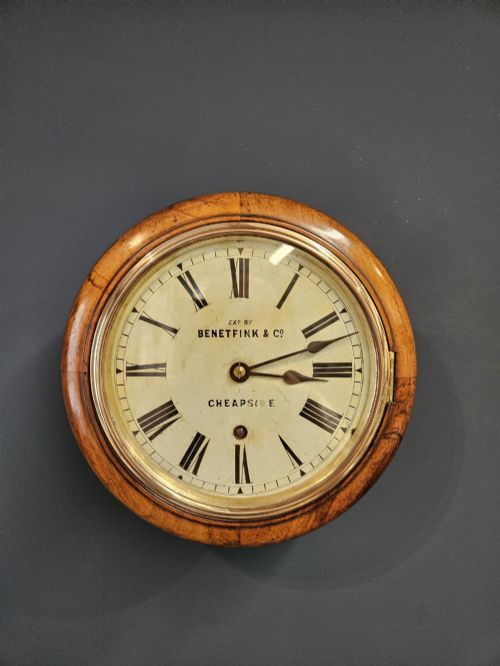
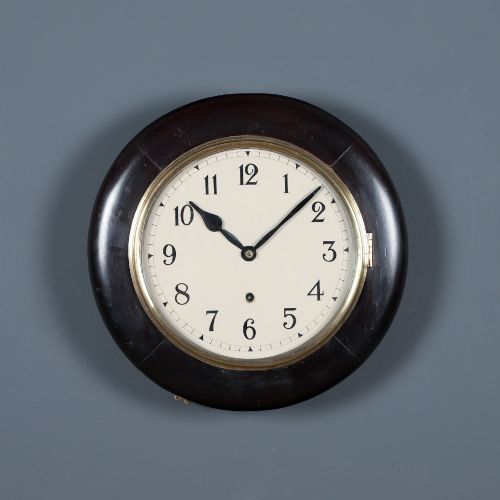
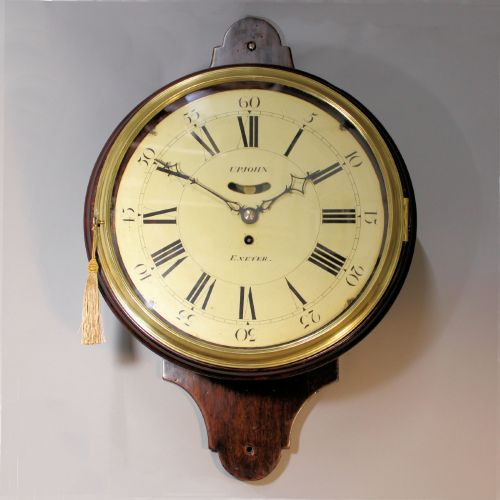
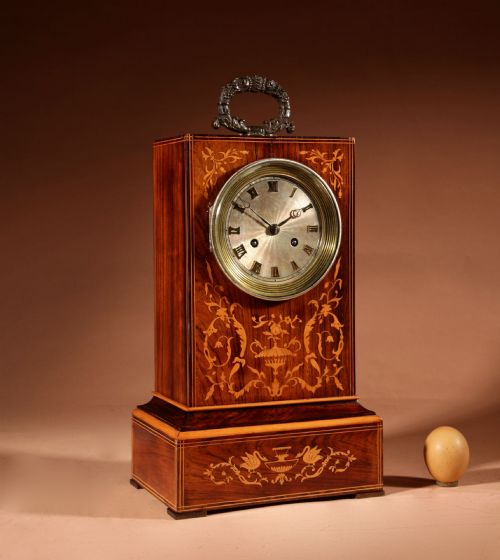
Wall-mounted drop-dial clocks, particularly mahogany and oak fusee versions originating from British railway stations or domestic halls, appear frequently alongside French mantel pieces and heavy brass carriage clocks housed in glass cases.
Materials and construction methods
Cases utilise timber such as mahogany, oak, walnut, ebonised wood, and rosewood, frequently complemented by brassbezels, gilt mounts, and delicate painted or silvered enamel dials.
Internal mechanisms rely on traditional gear trains, including single and twin fusee movements, lever escapements, and pendulum regulation, constructed by skilled makers across Britain, France, Germany, and Austria.
Materials span brass, glass, mahogany, enamel, oak, ebonised wood, walnut, and leather across the various listed timepieces.
Distinguishing quality in dial clocks
The highest standard is visible in the crispness of timber carving, the precise weight and finish of internal brass fusee movements, and the unblemished clarity of enamel or silvered dial faces.
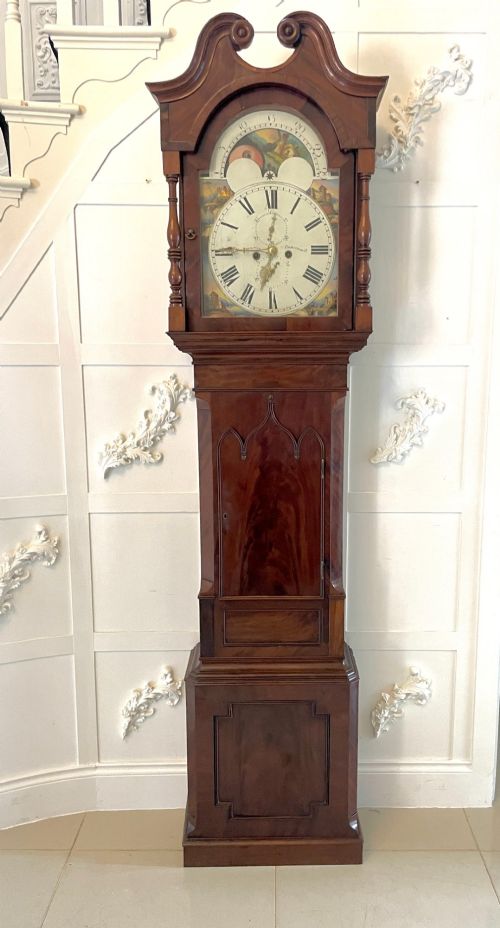
Superior examples often feature signed movements from established makers, original travelling cases, and complex complications like moon-phase displays or quarter-chiming bells.
Edward White Birmingham·Elliott·Lenzkirch·Henri Jacot·Pickford of London·Rene Lalique·Friedrich Adler for Osiris·John Walker·Leon Message·Jollet et Cie
The Antique Clock with Dial Glossary
- Fusee
- A conical pulley used in spring-driven clocks to maintain even power delivery as the mainspring unwinds. This mechanism ensures consistent timekeeping across the running period.
- Escapement
- The mechanical linkage that controls the release of gear train energy to maintain the pendulum or balance wheel motion. Different forms include lever and platform varieties.
- Drop-dial
- A wall clock design featuring an extended lower wooden case that houses the pendulum drop beneath a circular dial. These were widely utilised in offices and railway stations.
- Carriage clock
- A portable spring-driven timekeeper fitted with a carrying handle, originally designed for travel. They often feature glass panels exposing the intricate escapement.
Antique Clock with Dial: Frequently Asked Questions
What is a fusee movement?
A fusee movement uses a conical drum and a cord or chain to equalise the declining power of a mainspring as it unwinds.
This clever engineering ensures the clock maintains uniform tension and accurate timekeeping from a full wind down to the last.
How do I hang a drop-dial wall clock?
Drop-dial wall clocks require secure attachment to a solid wall using appropriate fixings matched to the weight of the timber case.
The clock must hang completely plumb so the pendulum swings freely without catching against the inner sides.
Where were carriage clocks used?
Carriage clocks originated as portable timepieces for wealthy travellers navigating nineteenth-century rail and coach networks.
Their robust platform escapements allowed them to keep accurate time despite the motion of transit.
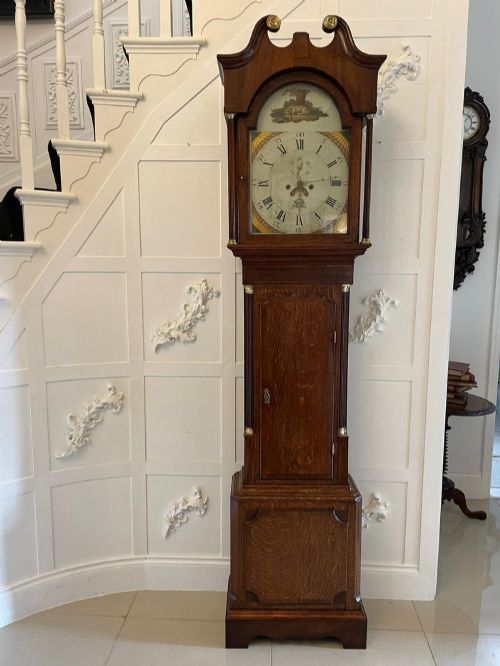
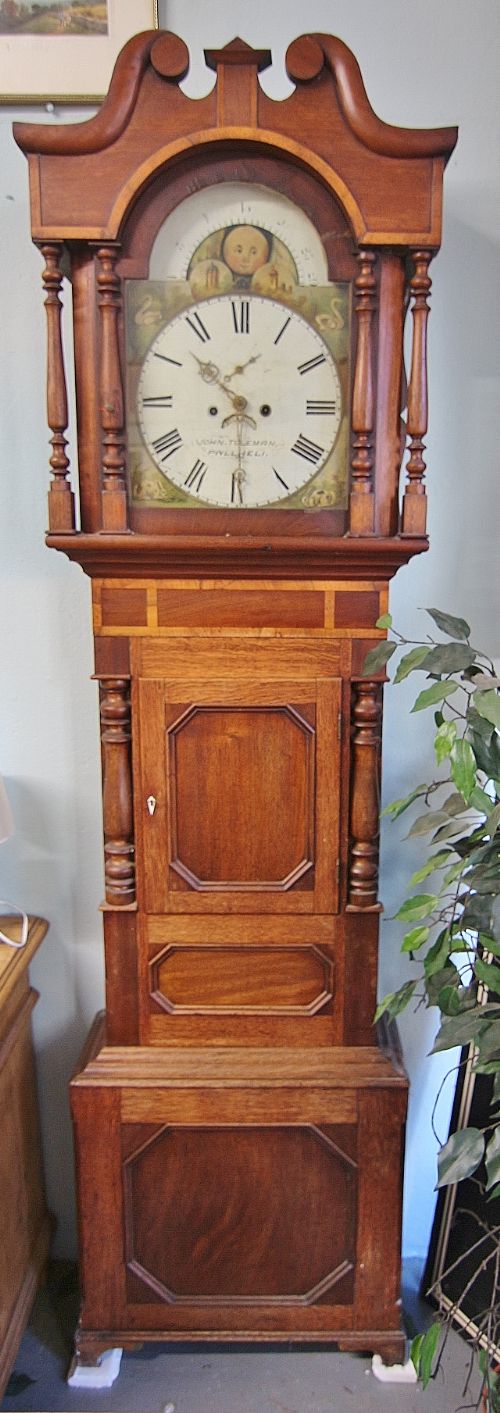
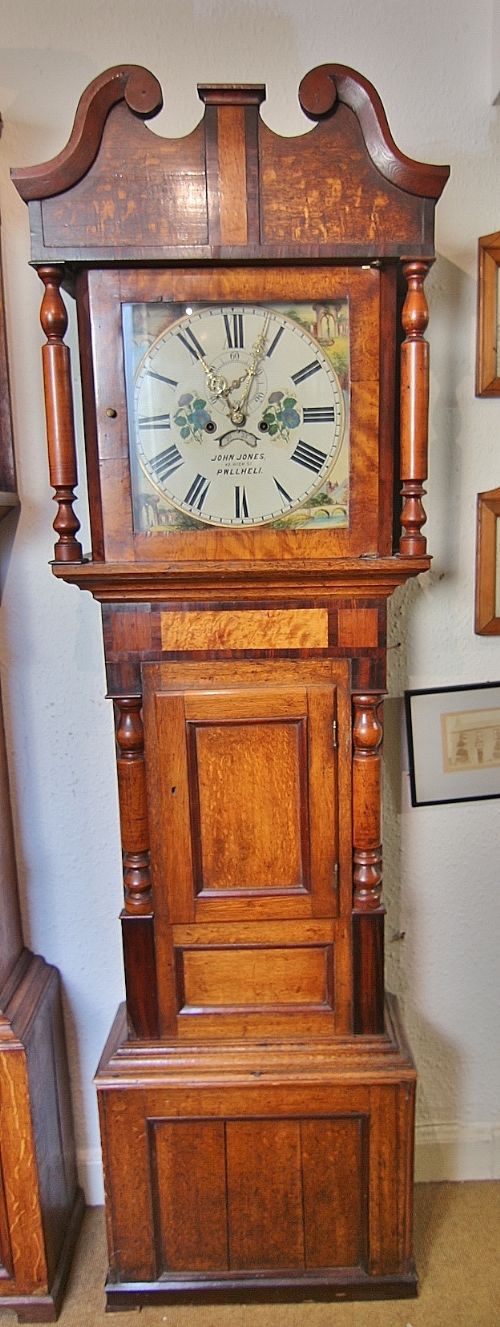
How do I tell an 18th-century longcase clock from a 19th-century one?
Eighteenth-century longcase clocks often display simpler, finely proportioned oak or mahogany cabinetry with brass dial spandrels and hand-engraved chapter rings.
Nineteenth-century variants frequently incorporate richer veneers, painted floral dials, or more complex musical and calendar movements.