

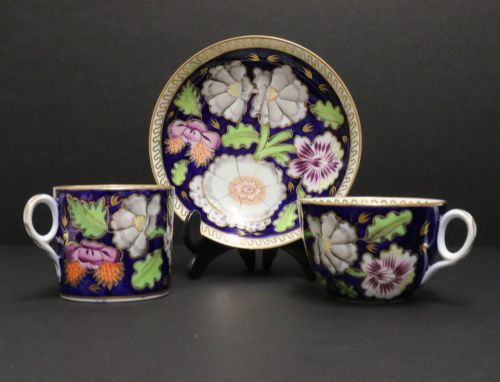


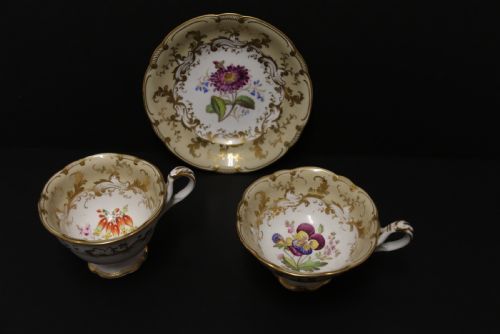

Antique China Trio
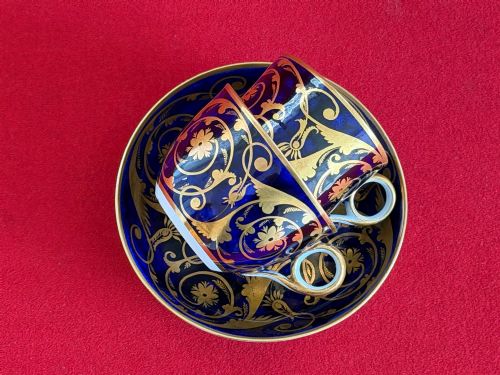
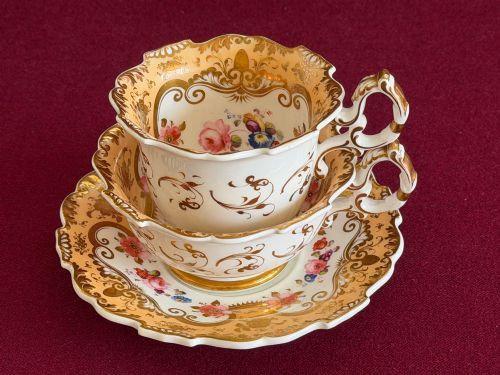
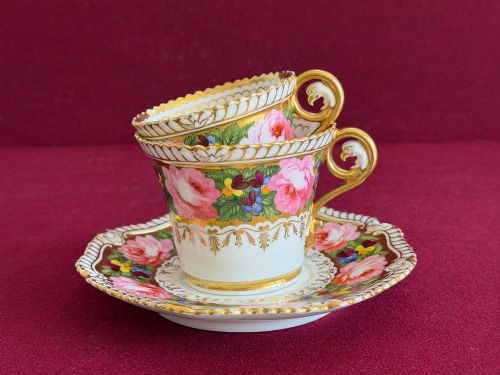
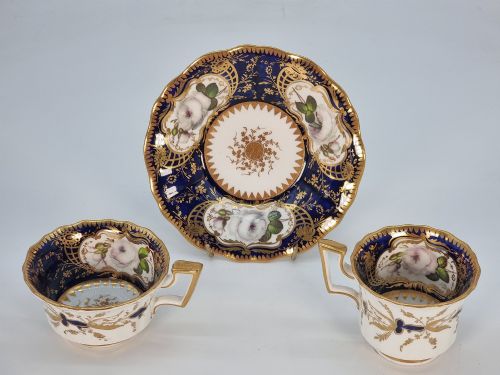
An antique china trio brings together a matching teacup, coffee cup, and saucer, offering a complete set from Georgian and Victorian breakfast tables.
Antique China Trio
An antique china trio typically consists of a matched teacup, coffee cup, and saucer, designed for formal domestic tea service. The listings show these pieces emerging primarily from the Georgian, Regency, and nineteenth-century periods, running through to Edwardian and Art Deco examples.
You are most likely to encounter porcelain and bone china sets featuring handpainted motifs, Imari palettes, or gold gilding. Makers such as Coalport, H & R Daniel, Chamberlain Worcester, and Spode appear frequently across the periods.
While many listings present matching sets for tea and coffee ware, the exact form varies from cabinet display trios to functional serving pieces. The surviving groups reflect the shifting domestic habits of nineteenth and early twentieth-century households.
How they were made
Potters shaped these vessels using fine porcelain and bone china, often applying an opaque or translucent glaze before firing. The material provided a durable yet refined surface suited to intricate handpainted decoration.
Craftsmen enriched the surfaces using enamel pigments and gold leaf or gilding, fixing the metallic highlights through subsequent kiln firings. Many pieces incorporate moulded details, particularly in Regency and Victorian cabinet trios.
Antique China Trio Retail Price Guide 2026
Typical asking prices for china trio among the pieces listed under this phrase on Sellingantiques today, from the lower quarter to the upper quarter. They describe what is for sale here now, not the wider market.
Early nineteenth-century Minton sets occasionally carry whimsical pattern names like 'Crazy Cow' or 'Bengal Tiger'.
What varies in quality
Quality depends upon the precision of the handpainted brushwork and the crispness of the porcelain body. Finer examples display delicate enamel work and secure, even applications of gold leaf rather than heavy, uniform transfer printing.
The sophistication of the ceramic paste and the clarity of the glaze distinguish standard utilitarian wares from cabinet trios produced by prominent factories like Worcester, Coalport, or Davenport.
John Rose Coalport·H & R Daniel Shrewsbury·Chamberlain Worcester·Royal Worcester·Gladstone potteries
The Antique China Trio Glossary
- Trio
- A matched set comprising a teacup, a coffee cup, and a saucer. This grouping became popular in the eighteenth and nineteenth centuries for comprehensive hospitality.
- Bone china
- A type of soft-paste porcelain incorporating bone ash, which increases strength and translucency. It allowed nineteenth-century manufacturers to produce thinner, more refined vessels.
- Gilding
- The application of gold leaf or gold paint to ceramic surfaces for decoration. Higher quality pieces often feature hand-applied burnished gold details.
- Imari
- A style of ceramic decoration employing deep underglaze blue and iron red, accented with gold. The aesthetic originates from Japanese export wares but was widely copied by English factories.
- Cabinet trio
- A decorative set intended primarily for display within a glass-fronted cabinet rather than daily table use. These pieces often exhibit superior painting and more elaborate moulding.
Antique China Trio: Frequently Asked Questions
What is an antique china trio?
An antique china trio is a matching set composed of a teacup, a coffee cup, and a saucer. These pieces were manufactured together to serve both tea and coffee during formal social gatherings.
Surviving examples date from the eighteenth century through the early twentieth century, reflecting changing domestic fashions and ceramic manufacturing techniques.
How do I date an antique trio?
Dating relies on examining the paste, glaze, form, and factory marks if present. Georgian and Regency pieces often feature specific handle shapes and handpainted floral or Imari patterns.
Later Victorian and Edwardian sets display different aesthetic movements, such as Art Nouveau styling or dense gilding, which help narrow down the decade of production.
Were cups and saucers always sold in threes?
Not all teaware was sold as a trio, as many sets consisted simply of a cup and saucer. The inclusion of both a teacup and a coffee cup alongside the saucer reflects the specific dining customs of the period.
Tea and coffee service required distinct vessel shapes for different beverages, making the trio a versatile option for hostesses.