
Antique China Display
These pieces for antique china display bring together glazed timber cabinets and fine porcelain plates designed to hold and show precious items.
Antique China Display
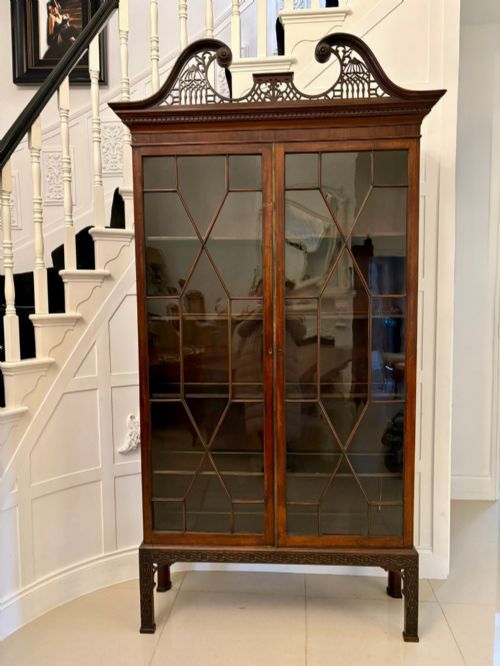
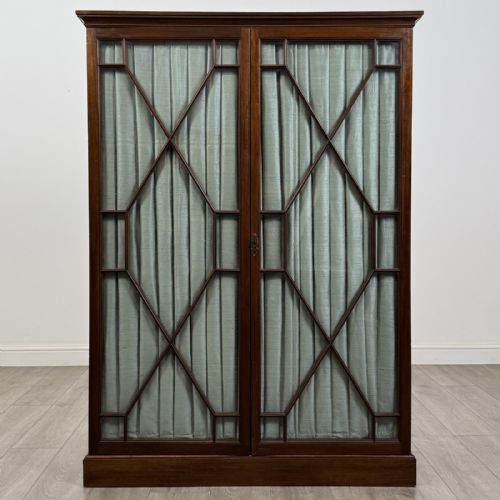
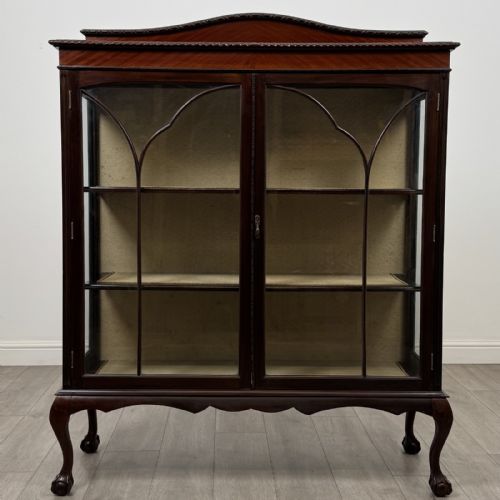
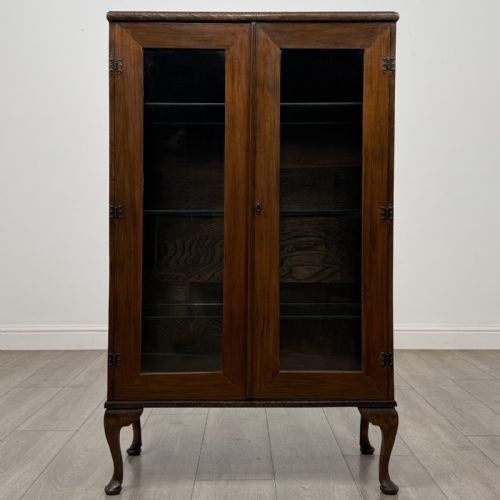
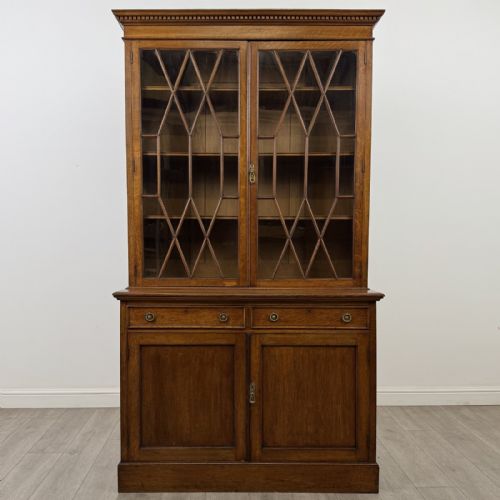
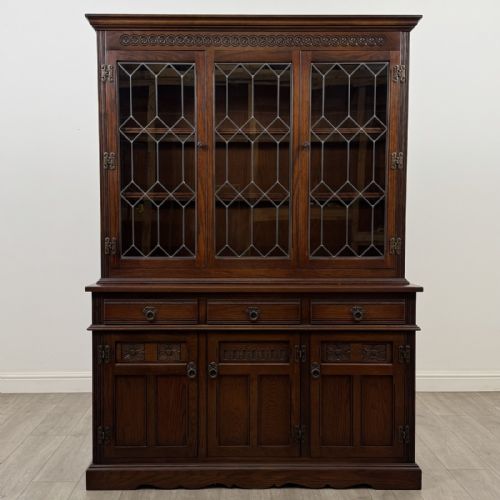
An antique china display encompasses substantial timber cabinets and dedicated wall plates created to organise and exhibit fine tableware. Buyers seeking this category encounter numerous glazed mahogany and oak cabinets alongside decorative porcelain plates from the eighteenth, nineteenth, and twentieth centuries.
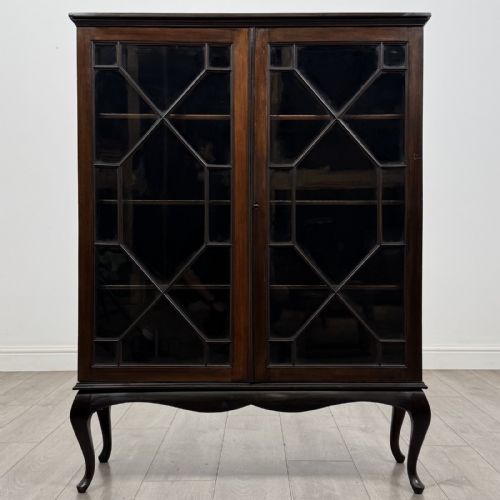
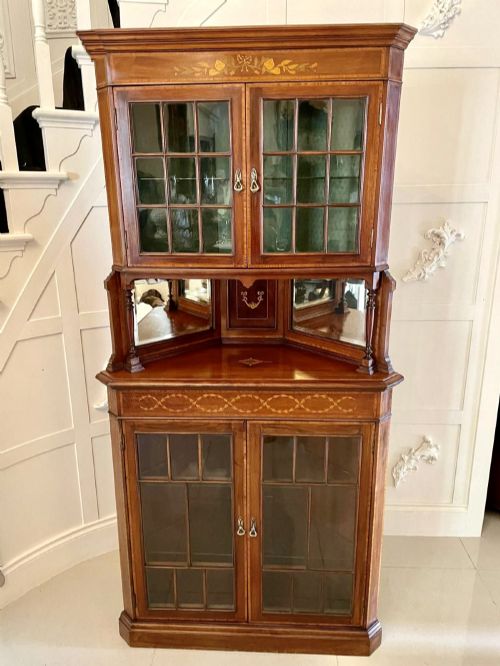
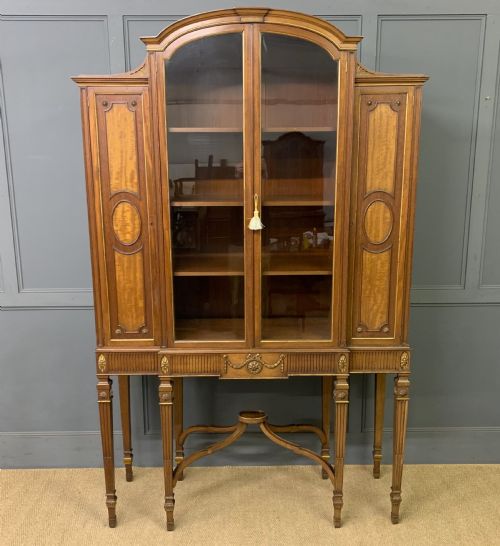
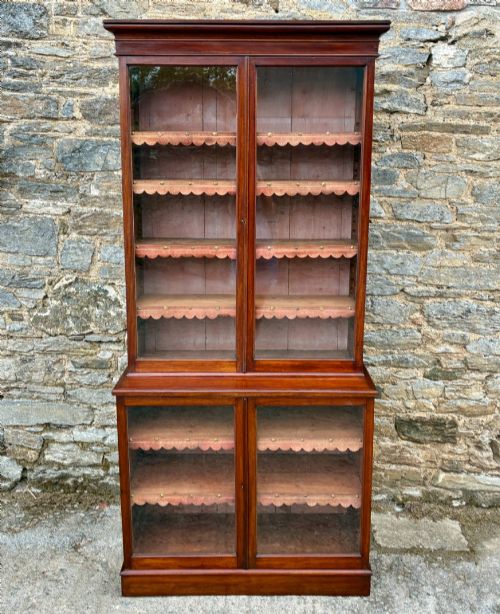
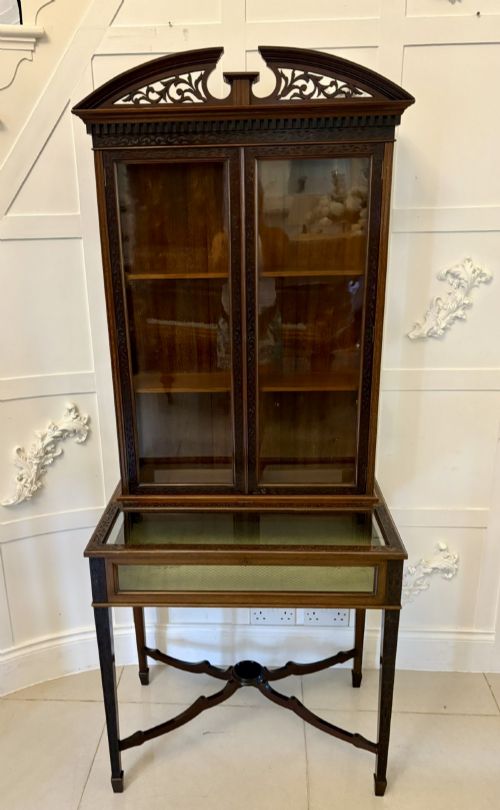
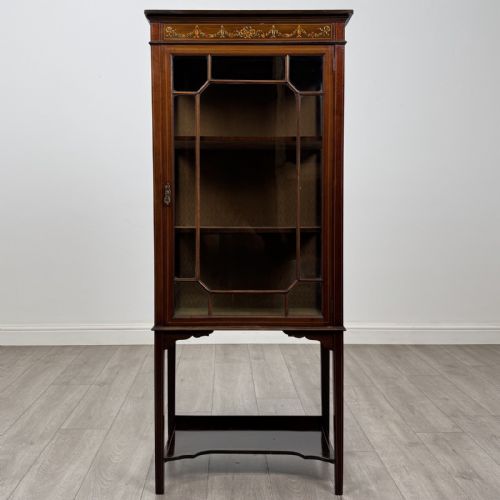
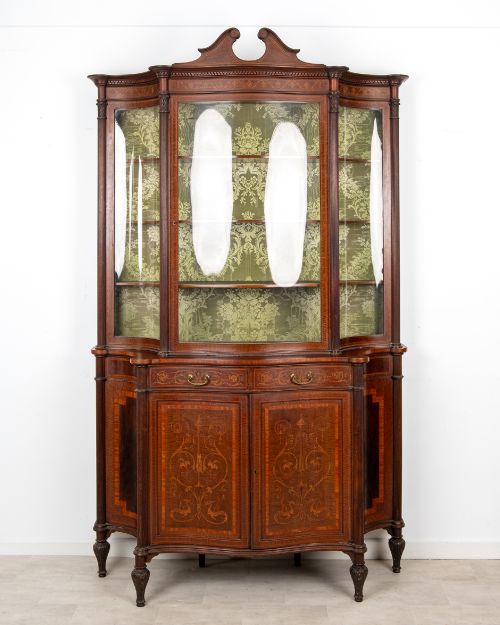
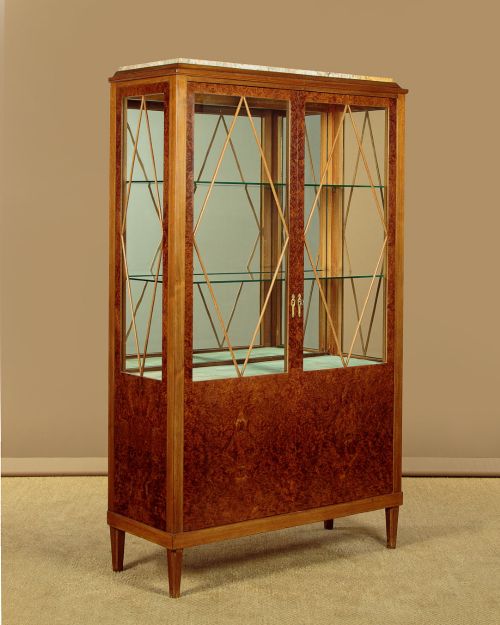
The dominant forms on this page include Edwardian and Victorian glazed cabinets, Sheraton Revival satinwood furniture, and art deco walnut vessels. Alongside fitted display furniture, the selection includes cabinet plates and transferware dishes originating from various European factories.
How They Were Made
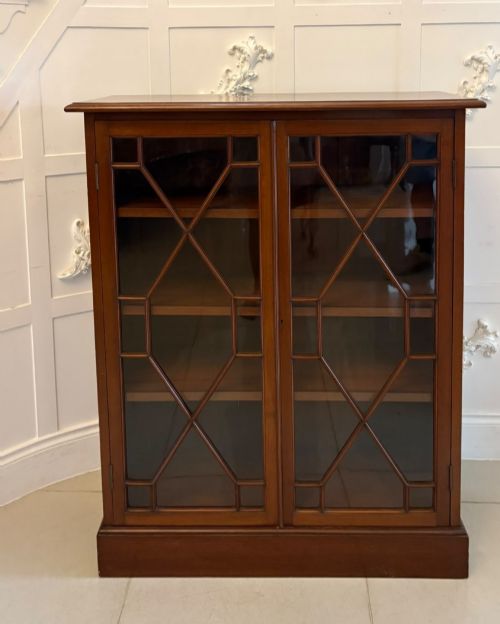
Cabinet makers utilised dense hardwoods such as mahogany, oak, walnut, and satinwood, frequently applying elaborate marquetry inlays, brass mounts, and carved details. Glazed doors incorporate individual glass panes held within slender timber framing to protect the contents while maintaining visibility.
Ceramic plates and dishes demonstrate traditional potting methods, employing porcelain and earthenware decorated with hand-painted enamels, transfer printing, and gilding. Surface finishes on timber structures rely on French polish or natural wax to seal the grain and accentuate figuring.
Listings feature Edwardian, Victorian, and Georgian periods alongside materials like glass, mahogany, oak, and porcelain.
What Varies in Quality
Superior items display meticulous hand-carved ornament, precise marquetry alignment, and choice timber veneers such as burr walnut or figured satinwood. Lesser examples utilise simpler construction methods, plain timber grains, and minimal decorative enrichment.
Ceramic pieces differ according to the crispness of the transfer print, the delicacy of the porcelain body, and the precision of hand-applied enamel colours. Cabinet quality also depends on the retention of original glass panes, functional locking mechanisms, and intact internal shelving.
Maple and Co·Barr Flight and Barr·Nantgarw·Imperial Porcelain Factory·William Smith and Co
The Antique China Display Glossary
- Glazed cabinet
- A timber piece featuring glass doors designed to protect display items from dust while permitting clear visibility. These vessels often incorporate adjustable wooden or glass shelves.
- Marquetry
- Decorative veneer work forming intricate patterns or pictorial scenes using varied wood types and natural tints. Craftsmen cut thin timber sections precisely to fit flush within the primary surface.
- Breakfront
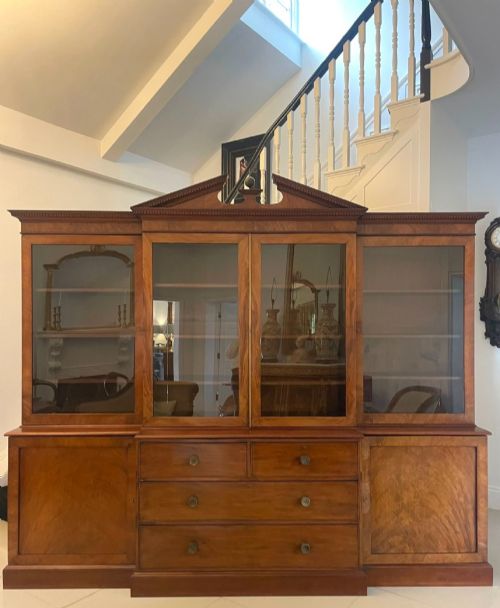
- A large cabinet design where the central section projects forward from the flanking wings. This architectural arrangement creates depth and shadow across the frontal elevation.
- Transferware
- Earthenware or porcelain decorated by applying a printed design from a copper plate onto paper and then onto the ceramic body. This technique allowed intricate pictorial scenes to be produced consistently.
- Bijouterie
- A specialised shallow glass-topped display table or cabinet created for small collectables and jewellery. These pieces allow items to be viewed from above as well as through vertical panes.
Antique China Display: Frequently Asked Questions
Where were antique display cabinets placed?
These cabinets stood primarily in formal reception rooms, dining parlours, and drawing rooms to exhibit household status and collectable ceramics. Their placement depended on natural light sources that illuminated the interior contents through glass panels.
Larger breakfront bookcases and breakfront cabinets anchored the walls of libraries and formal studies. Smaller wall-mounted or freestanding vitrines occupied corners or narrower wall spaces where depth was limited.
How do I clean timber display cabinets?
Maintain timber surfaces by dusting gently with a dry, soft cloth along the grain to remove particulate matter. Avoid modern silicone sprays that build up and attract dust over time.
Nourish the polished wood periodically using a traditional beeswax preparation applied sparingly and buffed thoroughly. Keep cabinets away from direct sunlight and heat sources to prevent timber splitting and veneer lifting.
What is the difference between a bookcase and a china cabinet?
Bookcases generally feature open shelves or simpler wooden framing designed for holding bound volumes. Their proportions often emphasise depth and structural weight to support heavy book collections.
China cabinets incorporate extensive glass panels on the doors and sometimes the sides to maximise visibility for porcelain plates and glassware. Their interior setups frequently include mirrored backs or plate grooves to hold display items upright.
How are antique cabinet plates displayed safely?
Display plates utilise dedicated wall hangers with rubber-coated prongs that grip the rim without scratching the glaze. Ensure the hanging wire and wall fixings match the weight of the ceramic piece.
Alternatively, plates rest securely in wooden plate stands upon the shelves of glazed cabinets or dresser racks. Position them away from foot traffic to prevent accidental knocks against the rim.