


Antique Children Toy
These antique children toy examples bridge social history and miniature craftsmanship, offering collectors tactile fragments of past childhoods.
Antique Children Toy
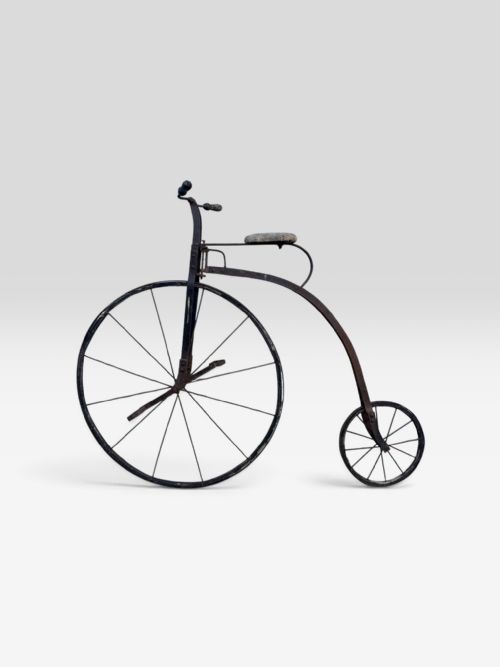
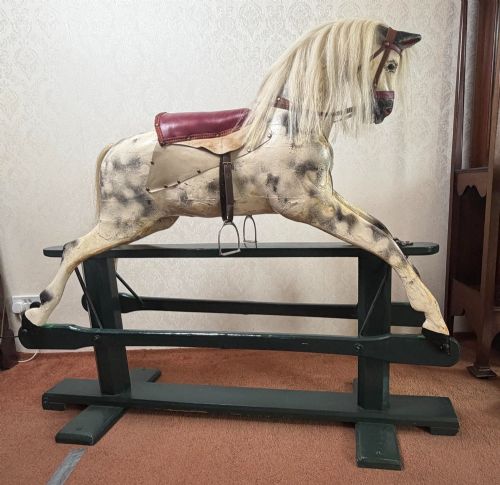
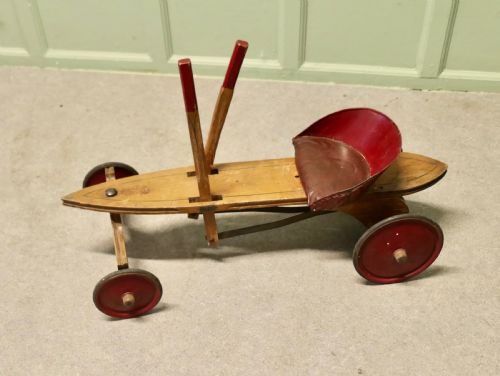
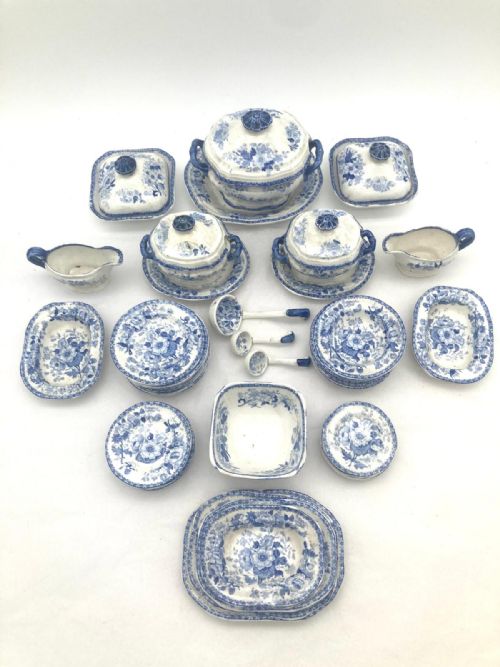
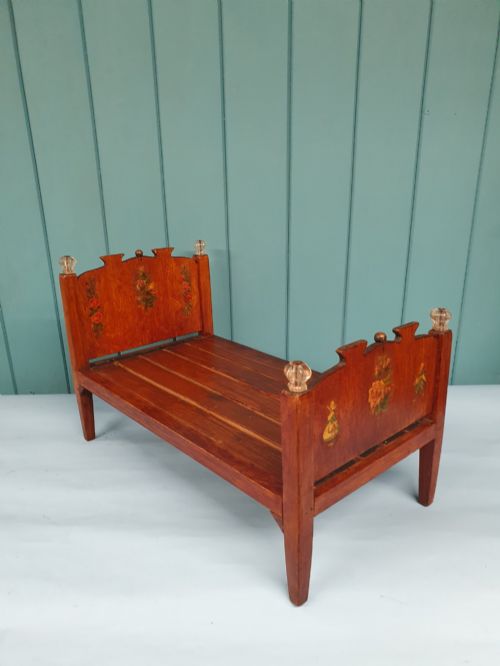
When searching for an antique children toy, collectors encounter a diverse range of surviving playthings and domestic miniatures spanning the nineteenth and early twentieth centuries. The selection on this page leans heavily toward carved wooden rocking horses, ceramic tea services, and hand-operated wheeled vehicles from the Victorian and Edwardian eras.
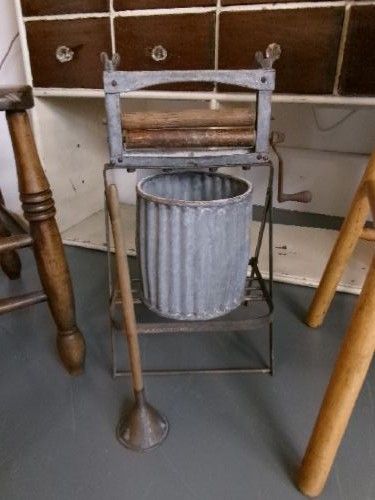
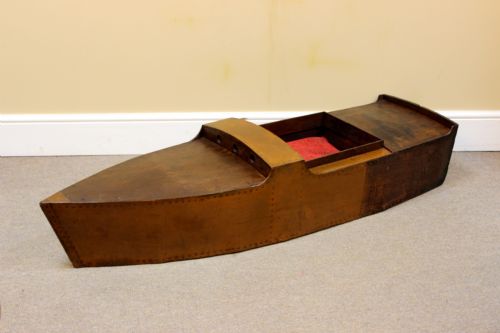
Beyond traditional toys, the category encompasses folk art animals, pull-along horses, model boats, and travellers' sample laundry equipment. These objects reflect both the everyday domestic life of past households and the commercial miniature manufacturing methods of the period.
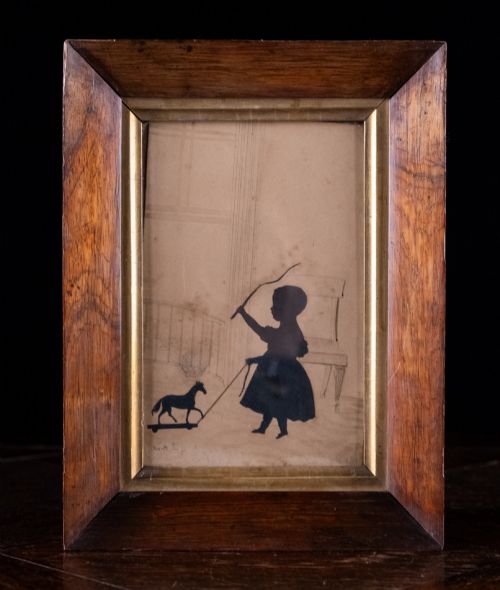
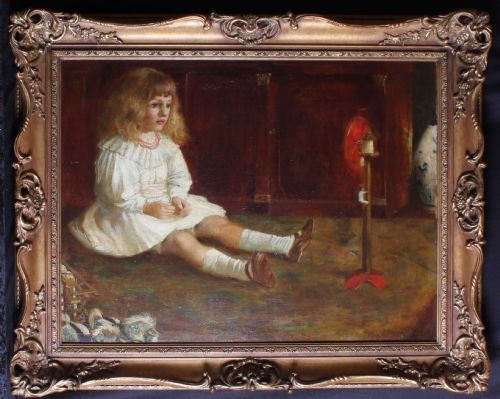
The material evidence bridges simple rural craftsmanship, such as carved wood and leather, with refined urban production like flow blue earthenware and framed artwork depicting children at play. Such variety ensures that collectors find pieces ranging from simple folk carvings to elaborate institutional playthings.
Materials and construction methods
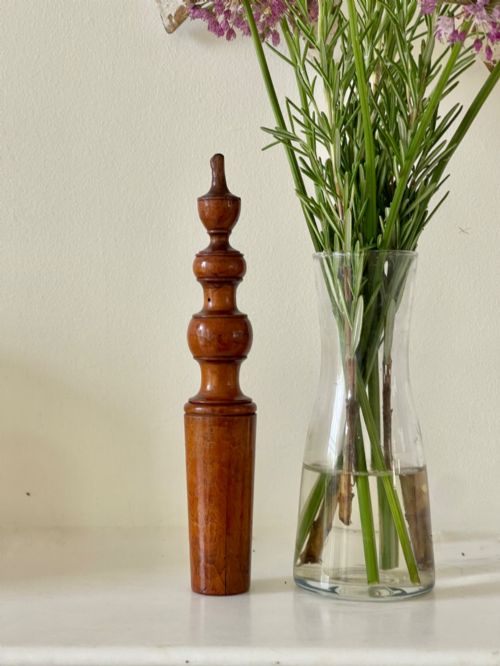
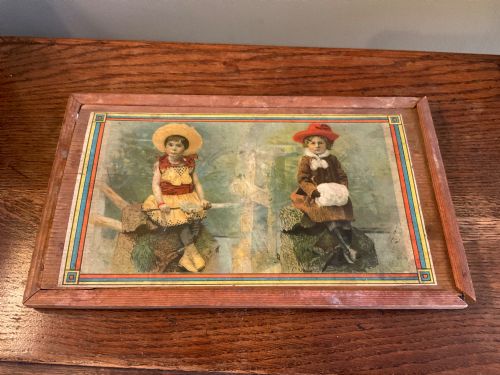
Wood serves as the primary structural medium, shaped through carving and joined with iron hardware to form rocking horses, pull-along animals, and tricycles. Natural additions like horsehair give texture to larger ride-on toys, while applied paint and paper finishes provide surface detail.
Ceramic pieces utilise earthenware finished with blue and white transfer printing, particularly seen in miniature dinner and tea services. Metal elements appear in iron stands for laundry equipment and structural components on wheeled toys, combining durability with functional miniature design.
Listings feature items spanning the 18th, 19th, and 20th centuries, utilising wood, metal, earthenware, leather, and paper.
Distinctions in quality
Quality in these items rests upon the integrity of original surfaces and the complexity of manufacture. Hand-carved wooden forms display superior sculptural depth compared to later mass-produced alternatives, while ceramics retain crispness in their transfer-printed patterns.
The survival of original elements, such as rockers on horses, leather tack, and matching components in miniature services, elevates a piece. Makers with established reputations or specific historical attribution command distinct attention from serious collectors.
Collinsons·Periclès·Robert Gemmell Hutchison·Byam Shaw·Augustin Edouart·Charles Edward Wilson·Minton
The Antique Children Toy Glossary
- Flow blue
- A cobalt blue earthenware glazing style where the pigment intentionally bleeds into the surrounding white background during firing. This technique creates a soft, hazy outline popular in nineteenth-century ceramic dinner services.
- Treen
- Small wooden household objects and utilitarian items fashioned by turning or carving. The term derives from the old English word for tree.
- Prattware
- A type of earthenware produced in England, typically featuring moulded relief decoration painted in low-fire ceramic colours under a clear glaze. It frequently appears in historical toy tablewares.
- Travellers sample
- A scaled-down version of household equipment, such as a laundry mangle, manufactured for commercial agents to demonstrate wares to prospective buyers. These miniatures mirror full-sized industrial machinery with exact proportions.
Antique Children Toy: Frequently Asked Questions
How do I date an antique rocking horse?
Dating relies heavily on construction methods, timber types, and the shape of the body and legs. Earlier nineteenth-century examples often display pegged joints and distinct folk carvings.
Later Victorian and Edwardian pieces show more standardised production techniques, sometimes retaining maker stamps or original painted surfaces that provide clearer chronological markers.
What is a travellers sample toy?
Travellers samples were working miniature versions of large household or industrial equipment, such as laundry mangles. Sales agents carried them to demonstrate mechanisms to shopkeepers without hauling full-sized stock.
These pieces were constructed with the same materials and working parts as their larger counterparts.
How should I display wooden pull-along toys?
Wooden pull-along animals and wheeled toys require stable interior environments away from direct sunlight and excessive humidity. Maintaining steady temperatures prevents the wood and applied paint from drying out or cracking.
Displaying them on flat surfaces without securing wheels can lead to accidental rolls, so gentle positioning is recommended.