



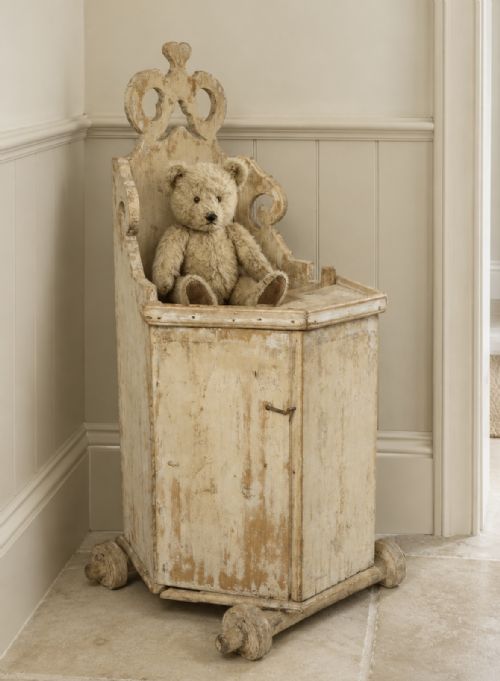


Antique Child Highchair
These antique child highchair pieces are domestic seating survivors from past centuries, offering a charming way to bring authentic early craftsmanship into a modern interior.
Antique Child Highchair
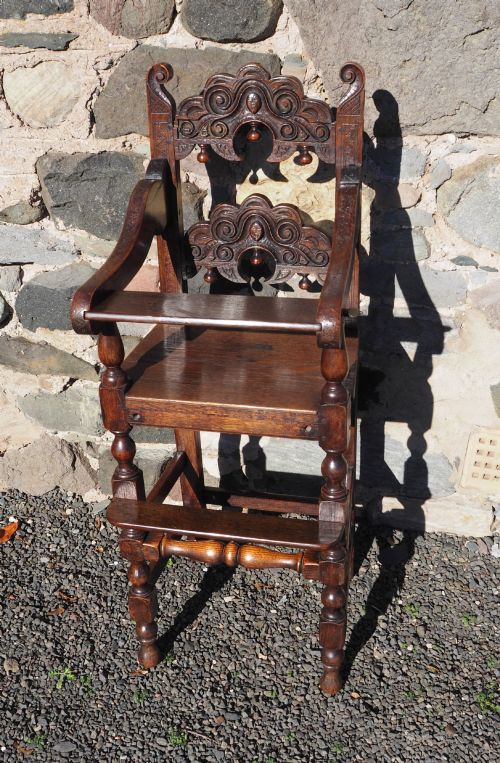
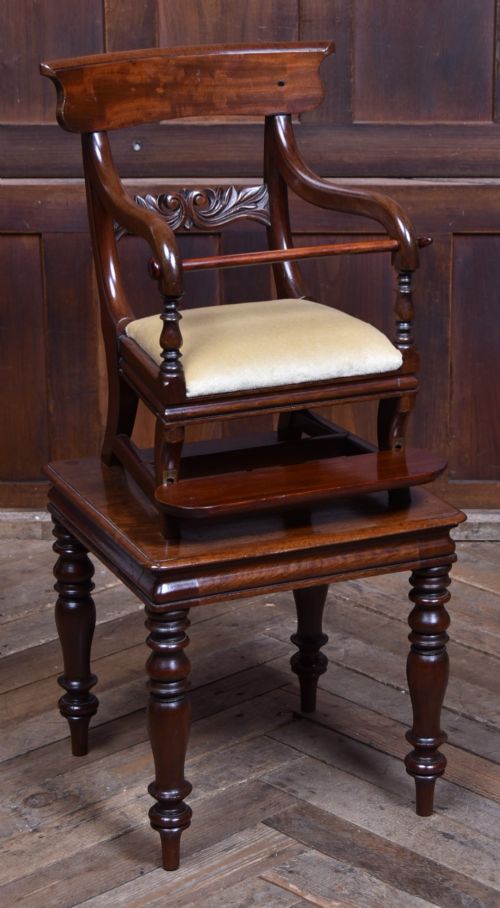
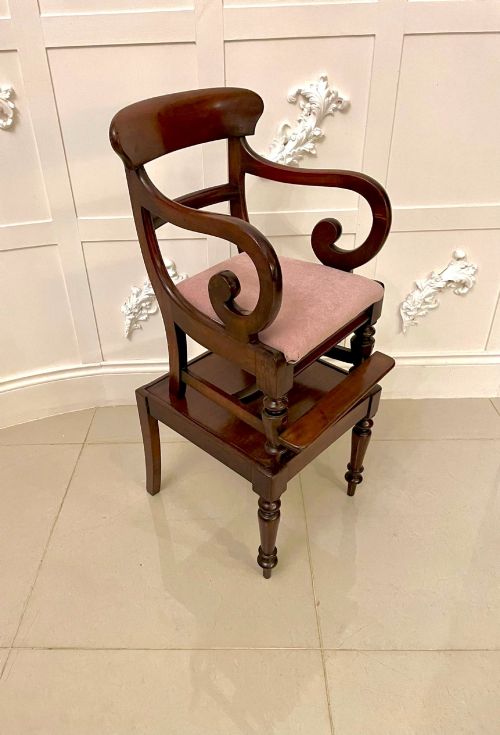
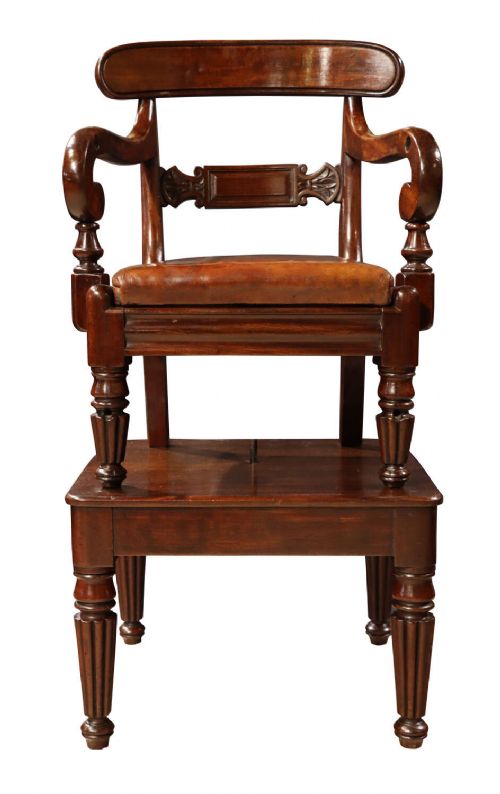
When you search for an antique child highchair, you encounter historic seating designed for young family members across the Georgian, Victorian, and Edwardian eras. These domestic pieces take various forms, including freestanding chairs, designs mounted on separate wooden stands, and clever metamorphic versions that convert into low play tables.
The materials span sturdy native hardwoods alongside imported timbers, reflecting the practical needs of nurseries through distinct centuries. You frequently meet simple country windsors alongside formal mahogany armchairs with elaborate turnings and fitted footrests.
Materials and construction methods
Cabinetmakers and rural joiners utilised solid timbers such as mahogany, elm, oak, ash, and beech to build sturdy frames capable of withstanding daily nursery use. Traditional joinery methods like mortise and tenon joints, pegging, and steam-bent components provide the structural integrity found in these surviving examples.
Surface treatments range from clear wax polishes that highlight natural wood grain to painted finishes, ebonised surfaces, and cane or leather inserts. Brass hardware and turned spindles occasionally add decorative detail to both formal mahogany models and rustic vernacular seating.
Antique Child Highchair Retail Price Guide 2026
Typical asking prices for child highchair among the pieces listed under this phrase on Sellingantiques today, from the lower quarter to the upper quarter. They describe what is for sale here now, not the wider market.
Listings feature woods spanning mahogany, elm, oak, ash, and beech alongside cane, leather, and brass across multiple centuries.
Distinguishing quality in early seating
The distinction between standard domestic items and superior examples lies in the selection of timber and the sophistication of the joinery. Finer pieces display carefully figured mahogany, intricate hand-carving, or sophisticated metamorphic mechanisms that operate smoothly.
Proportion and structural survival also dictate standing within the range, as unaltered surfaces and original stands command greater interest. Pieces that retain their early finish without heavy structural replacement represent the pinnacle of surviving domestic child seating.
The Antique Child Highchair Glossary
- Metamorphic
- Describing a dual-purpose piece of furniture designed to transform from a highchair into a low chair and table combination. This ingenious mechanism allowed families to maximise utility in historic nurseries.
- Windsor
- A chair built with a solid wooden seat into which the legs and back spindles are directly wedged. This traditional construction method yields robust vernacular seating found in various regional timbers.
- Tub highchair
- A rounded seating form where the back and arms merge into a single curved enclosure. This enveloping shape kept young occupants secure during feeding times.
- Stand
- A separate wooden base frame elevating the primary chair to table height. Many Georgian and Victorian examples utilise these detachable supports for stability.
- Bobbin turned
- Furniture legs or stretchers shaped on a lathe to resemble a series of rounded wooden beads or bobbins. This decorative turning style appears frequently on seventeenth and nineteenth century frames.
Antique Child Highchair: Frequently Asked Questions
How were antique child highchairs used?
These elevated seats allowed young children to join the family dining table during meals. Many designs incorporated footrests and high sides to keep infants secure.
Some sophisticated examples converted into low play tables by detaching the upper section from its base. This versatility suited the domestic routines of Georgian and Victorian households.
Are these highchairs safe for modern children?
Historic seating does not meet contemporary safety standards and lacks modern restraint harnesses. They function primarily as decorative items or display stands today.
Collectors utilise them to exhibit vintage toys, dolls, or potted plants within domestic interiors rather than for seating infants.
How do I identify a Georgian highchair?
Georgian examples often feature solid mahogany or native hardwoods like elm and ash with restrained, classical proportions. Look for vernacular windsor styling or formal Chippendale influences scaled down for nursery use.
Many period pieces sit upon separate wooden stands or incorporate simple spindle backs typical of eighteenth and early nineteenth century joinery.
What woods were used in these chairs?
Cabinetmakers utilised dense imported timber like mahogany for formal urban commissions. Elm, ash, beech, and oak appeared frequently in regional country workshops.
Secondary materials such as cane, leather, and fabric often formed the seats, while brass hardware secured structural joints and footrests.