

Antique Chest with Bracket Feet
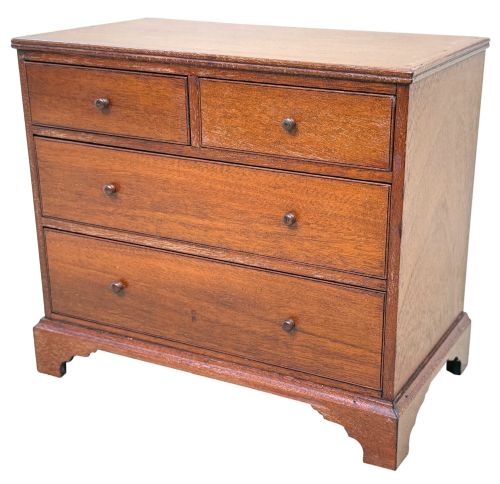
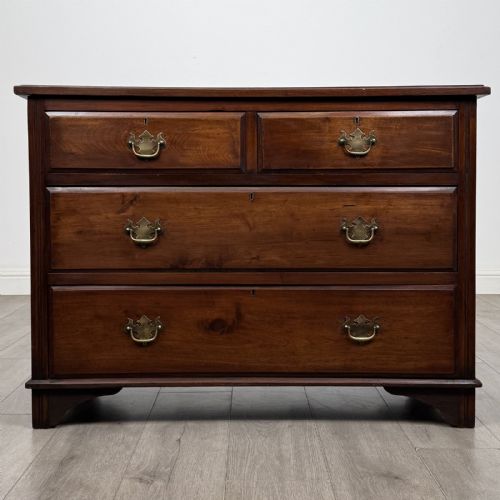
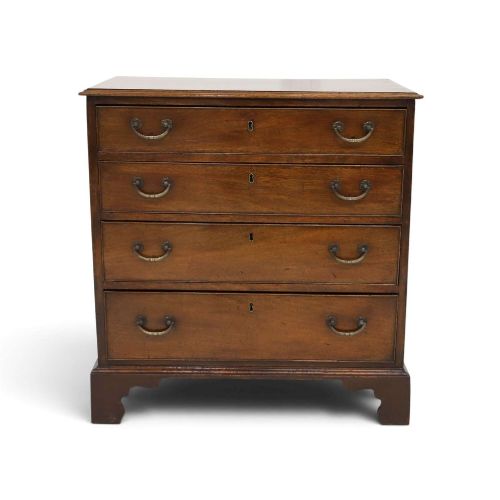
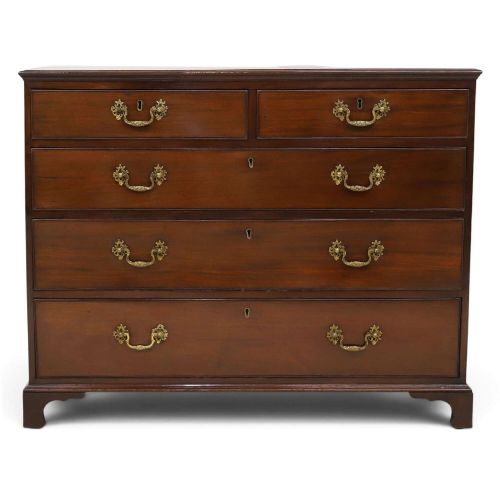
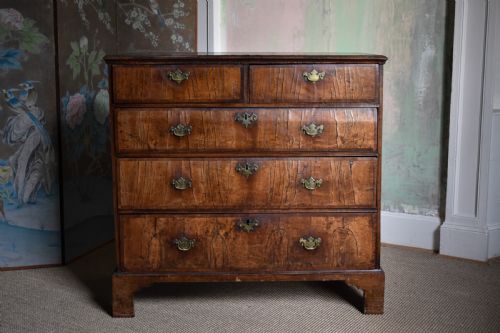
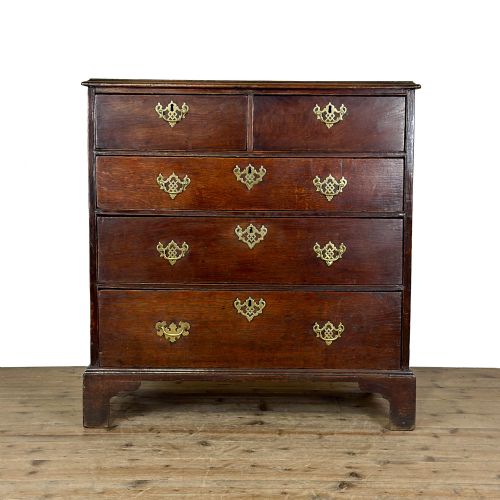
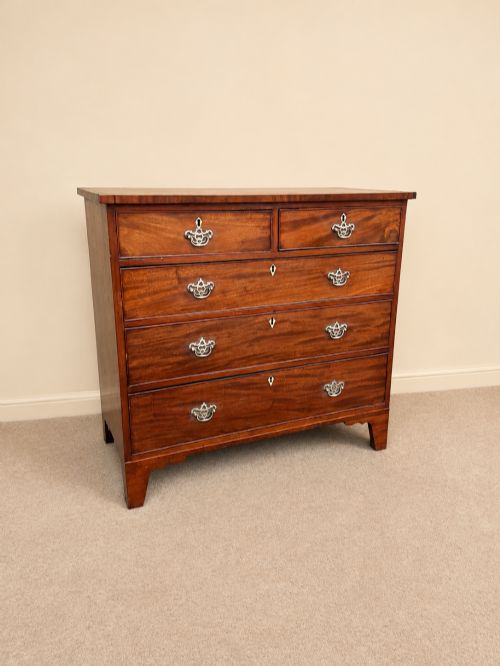
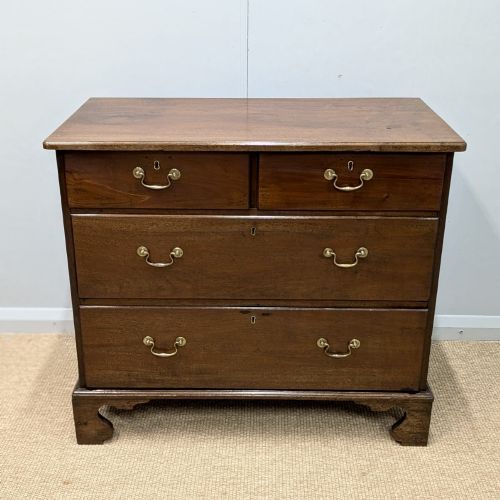
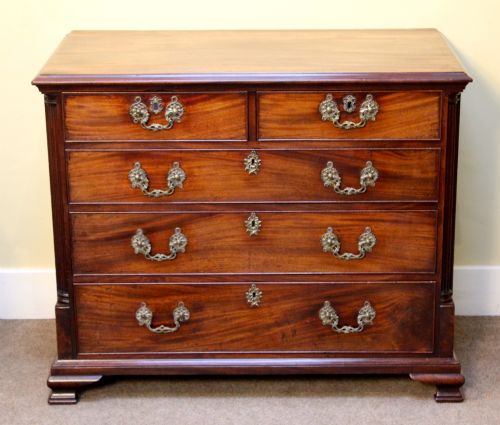
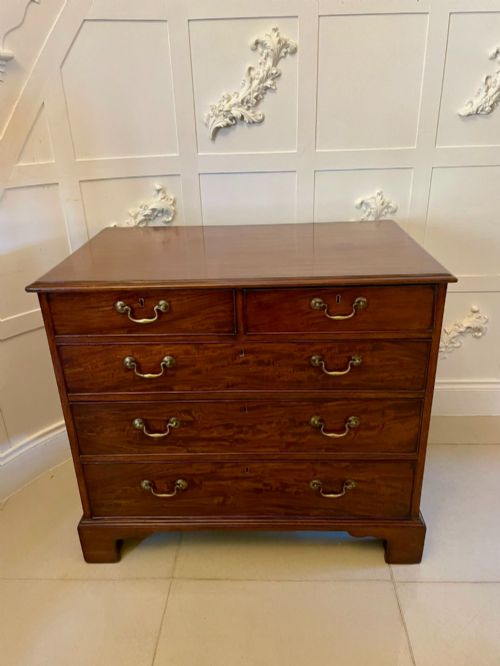
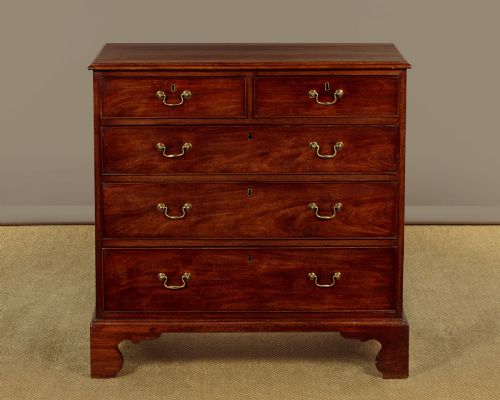
An antique chest with bracket feet brings together solid proportions and timber surfaces that show the marks of age.
Antique Chest with Bracket Feet
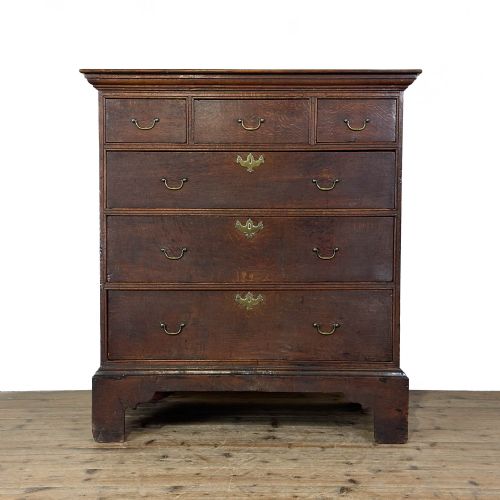
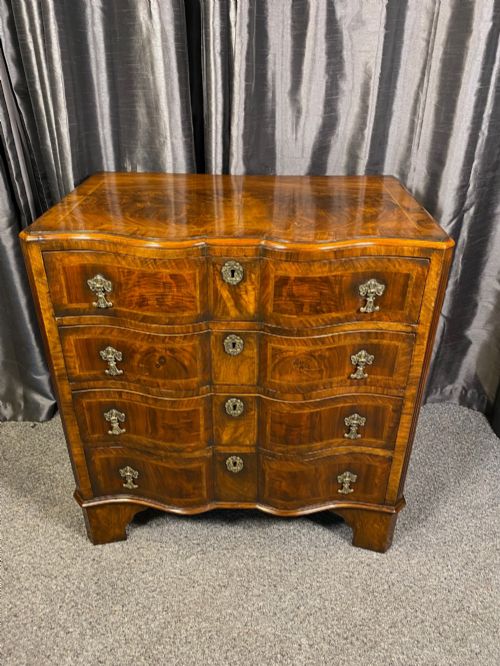
An antique chest with bracket feet takes several distinct forms across the periods represented on this page. The listings are dominated by Georgian and 18th century examples, alongside Victorian and later pieces.
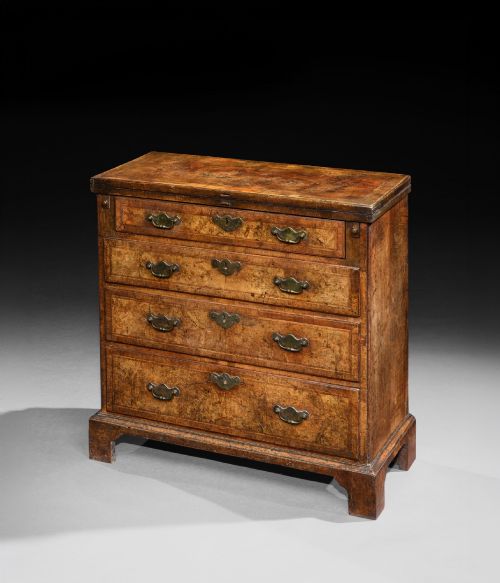
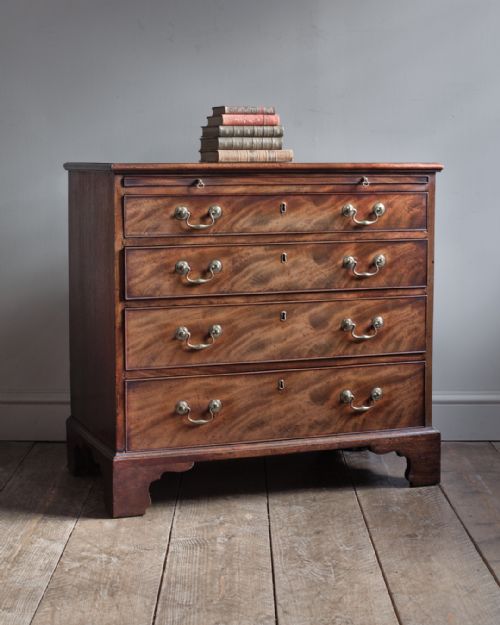
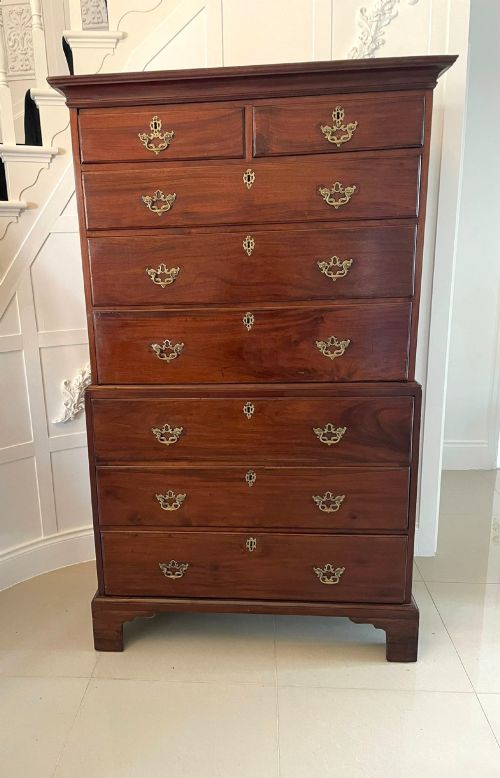
Buyers will encounter standard chests of drawers, taller chests on chests, and specialised bachelors chests equipped with sliding writing surfaces. Mahogany forms the core of what is available, supported by walnut, oak, and pine.
The bracket foot itself supports the corners of these case pieces, raising the timber slightly off the floor with shaped profiles. These chests served primarily for storage in bedrooms and dressing rooms, whilst bachelors models doubled as compact writing desks.
How They Were Made
Cabinet makers constructed these pieces using solid hardwoods like mahogany, oak, and walnut, frequently applying veneers such as flame mahogany or burr walnut to the primary surfaces. Crossbanding in contrasting timber often frames the drawer fronts.
Brass handles and escutcheons are fitted to the drawer faces, secured through the timber with original pins or posts. The bracket feet are joined to the base frame at the corners, transferring the weight of the chest down to the floor.
Antique Chest with Bracket Feet Retail Price Guide 2026
Typical asking prices for chest with bracket feet among the pieces listed under this phrase on Sellingantiques today, from the lower quarter to the upper quarter. They describe what is for sale here now, not the wider market.
Several chests arrive with their original keys still turning the brass locks after two centuries.
What Varies in Quality
The visual depth of the timber surface separates standard examples from the finest pieces. Original patination developed through decades of handling creates a warm quality across the mahogany and walnut surfaces that later finishing cannot replicate.
Proportion and scale also dictate quality, as smaller bachelors chests and diminutive chests on chests demand greater precision from the maker. The crispness of the bracket foot profile and the retention of original brass hardware contribute to the standing of an individual piece.
The Antique Chest with Bracket Feet Glossary
- Bracket foot
- A corner foot shaped like a bracket, supporting case furniture from the Georgian period onwards. It typically forms an L-shape mitred at the corner.
- Brushing slide
- A pull-out shelf integrated into the upper section of a chest or bachelors desk. It provided a surface for writing or brushing clothes.
- Chest on chest
- A tall case furniture form comprising a smaller chest stacked atop a larger lower section, sometimes called a tallboy. This configuration maximised storage capacity.
- Crossbanding
- A narrow strip of veneer laid round the border of a drawer front or tabletop with the grain running at right angles to the central panel. It created a defined visual border on Georgian furniture.
- Patina
- The surface sheen and colour acquired by wood over long periods through light, handling, and wax polishing. It marks the gradual ageing of the material.
Antique Chest with Bracket Feet: Frequently Asked Questions
What is a bachelors chest?
A bachelors chest is a compact form of drawer unit that incorporates a pull-out sliding shelf for writing.
These pieces date predominantly from the 18th century and served multifunctional roles in personal chambers.
How do I identify a Georgian chest?
Georgian chests display specific stylistic traits associated with the 18th and early 19th centuries, including bracket feet and hand-cut dovetail joints.
Timbers are typically solid mahogany, oak, or walnut, often featuring brass swan-neck handles.
What is a brushing slide used for?
The brushing slide is a pull-out wooden board positioned just beneath the top surface of a chest.
Historically, owners used it for writing letters or as a temporary surface when brushing garments.
Where should I place an antique chest?
These chests function well in hallways, living rooms, and bedrooms as storage units with flat top surfaces for display.
Their substantial timber construction requires stable indoor humidity away from direct heat sources.