




Antique Charm Bracelet Pendant
An antique charm bracelet pendant is a tiny wearable story, and you are looking at small gold and silver trinkets meant to dangle from a wrist or chain.
Antique Charm Bracelet Pendant
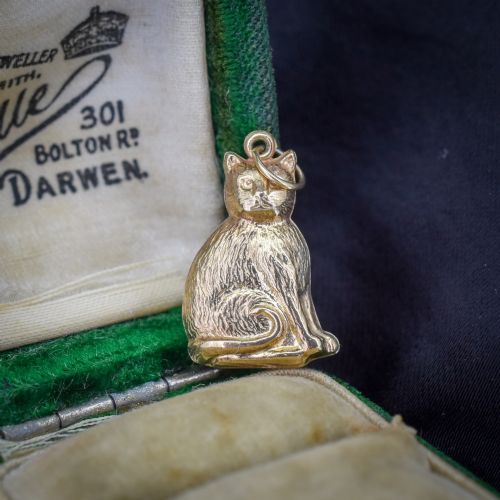
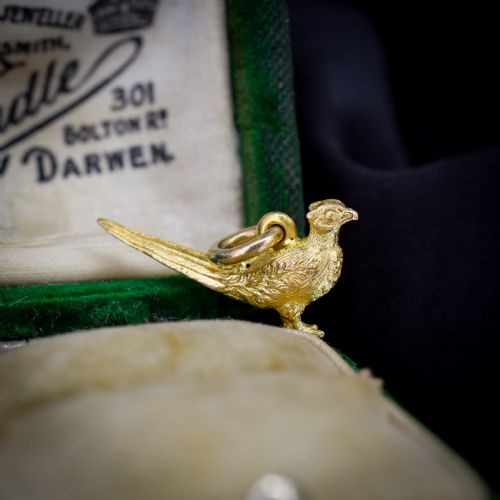
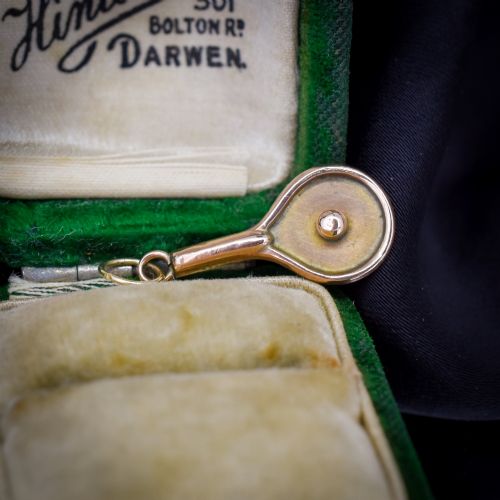
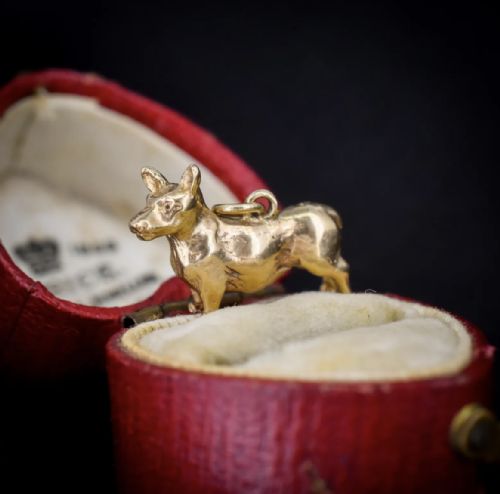
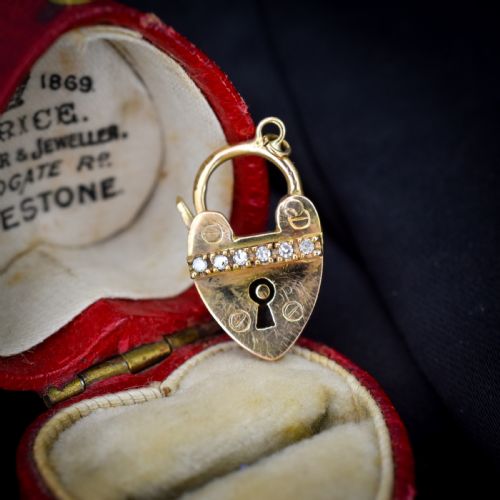
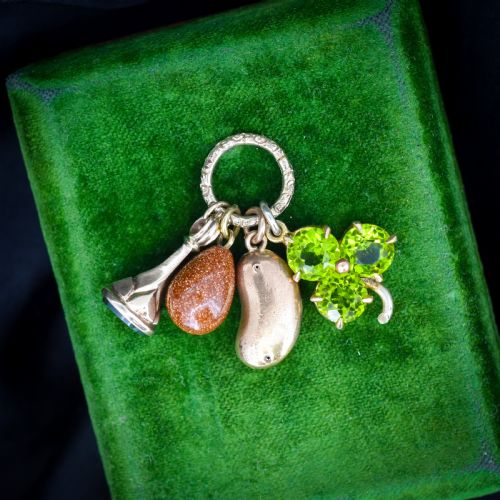
An antique charm bracelet pendant takes many miniature forms, ranging from opening purses and tennis rackets to padlocks and lucky animals. These small objects were designed to be suspended from a bracelet or worn as a pendant around the neck.
You will most frequently meet 9ct yellow, rose, and white gold versions on this page, alongside occasional silver pieces and higher-carat 18K gold French imports. The designs stretch across the Victorian, Edwardian, and mid-century periods, capturing decades of small-scale decorative tastes.
How they were made
Goldsmiths worked primarily in 9ct and 18ct gold, shaping hollow or solid forms using traditional casting and stamping methods. Many pieces incorporate fine details such as hand engraving, miniature enamel work, and tiny set diamonds or pearls.
Makers often attached sturdy jump rings or split rings to allow the pieces to hang securely from a bracelet or chain. These suspension loops were integral to the design, engineered to withstand the daily movement of wear.
Antique Charm Bracelet Pendant Retail Price Guide 2026
Typical asking prices for charm bracelet pendant among the pieces listed under this phrase on Sellingantiques today, from the lower quarter to the upper quarter. They describe what is for sale here now, not the wider market.
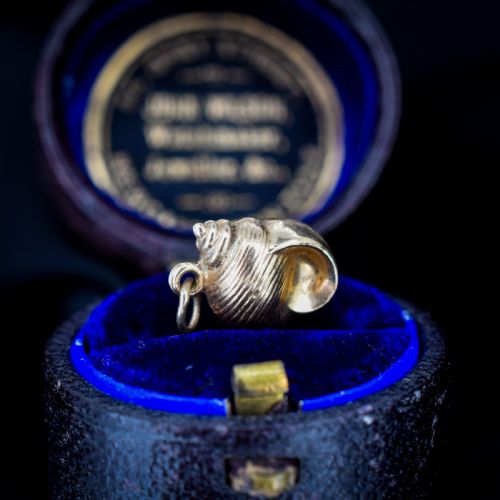
Common motifs include padlocks, animals, seashells, and sports equipment like tennis rackets.
What varies in quality
Hinged and opening designs, such as padlocks and purses, rely on the precision of their tiny mechanical parts for their enduring appeal. Quality shows in how snugly a clasp shuts or how securely a stone or pearl sits in its mounting.
The Antique Charm Bracelet Pendant Glossary
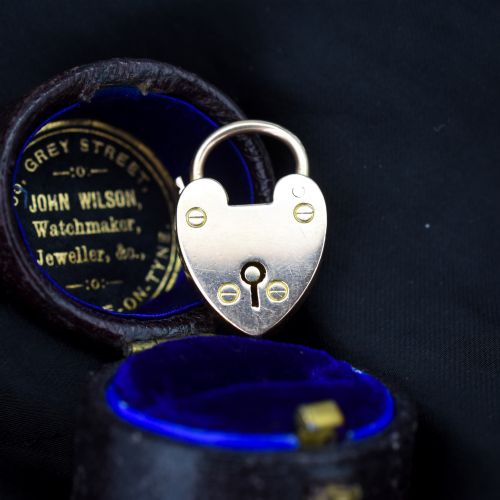
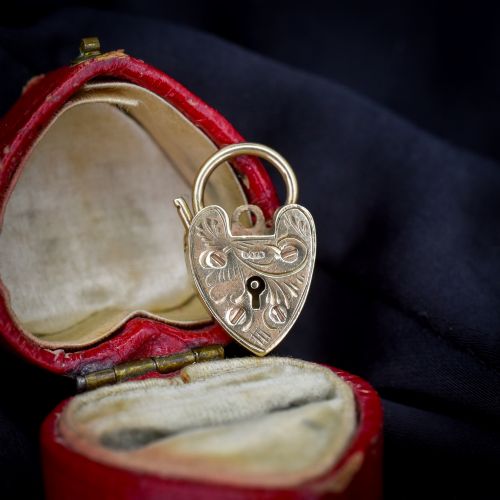
- Padlock charm
- A small padlock, often heart-shaped, that served as both a clasp and a decorative charm on Victorian and later bracelets. They frequently feature detailed engraving or small diamond and pearl settings.
- Split ring
- A small circular metal ring made of overlapping wire coils, similar to a modern key ring, used to secure charms to a bracelet. These rings ensured the trinkets stayed attached during everyday wear.
- Enamel
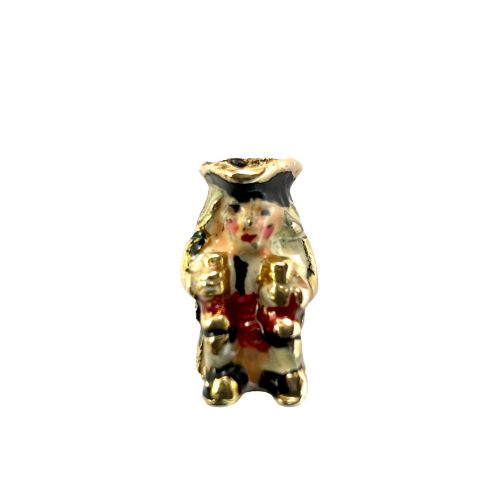
- A durable coloured glass paste fused to metal through high-temperature firing, used to add vivid detail to miniature subjects like cottages or medical medals. It provides permanent colour that does not fade over time.
- Witches heart
- An asymmetrical heart shape with a twisted tail at the base, traditionally given as a token of romantic love. In antique jewellery, these are often set with gemstones like rock crystal or diamond.
Antique Charm Bracelet Pendant: Frequently Asked Questions
Can I wear these on a bracelet?
Most of these pieces were originally designed to hang from chains or charm bracelets, featuring the necessary suspension loops or jump rings for attachment.
Because they experience constant movement when worn on the wrist, it is sensible to check that any split rings or loops are securely closed by a jeweller.
How do I date an antique padlock?
Many padlocks and charms carry tiny hallmarks stamped into the metal, which indicate the assay office, metal purity, and the specific year of manufacture.
Engraved dates on the surface sometimes record a birthday, anniversary, or other personal milestone rather than the exact year the item was made.
What is 9ct gold?
Gold of 9ct purity contains thirty-seven point five percent pure gold by mass, alloyed with other metals like silver and copper to increase durability.
This alloy was widely used for British jewellery because it resisted the dents and wear of daily use better than softer, higher-carat gold.
Are opening charms functional?
Several pieces on this page, such as miniature purses and padlocks, feature tiny working hinges, catches, or lids that actually open and close.
These mechanical elements require delicate handling to preserve the original hinges and ensure the small closures continue to function properly.