

Antique Ceiling Lighting Shade
An antique ceiling lighting shade turns overhead illumination into a distinct architectural feature, bringing period glass and metalwork directly into a room.
Antique Ceiling Lighting Shade
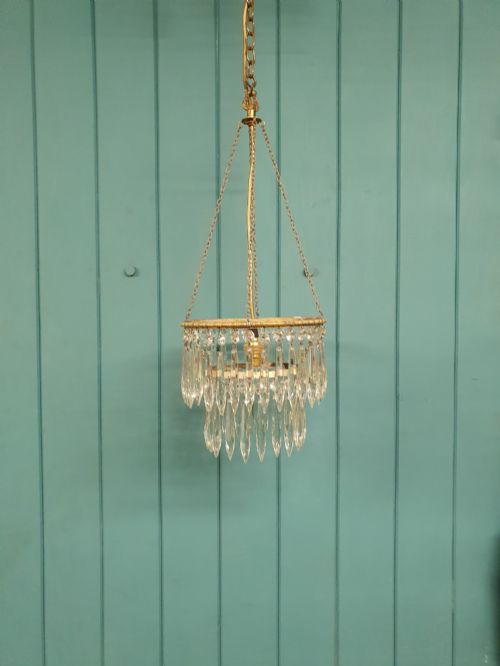
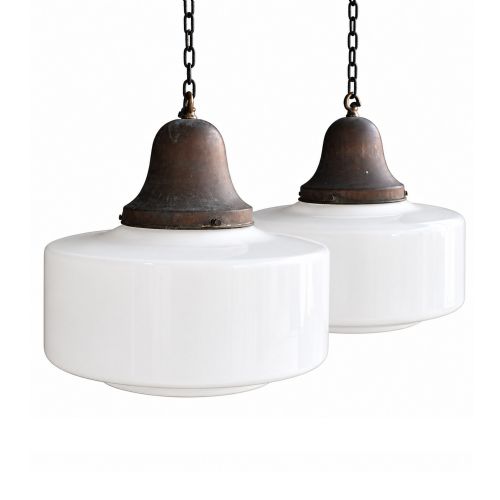
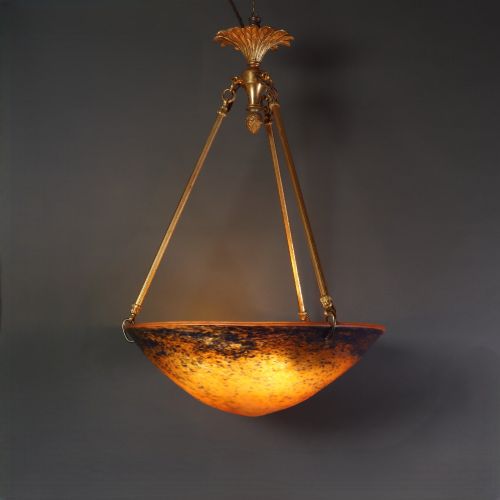
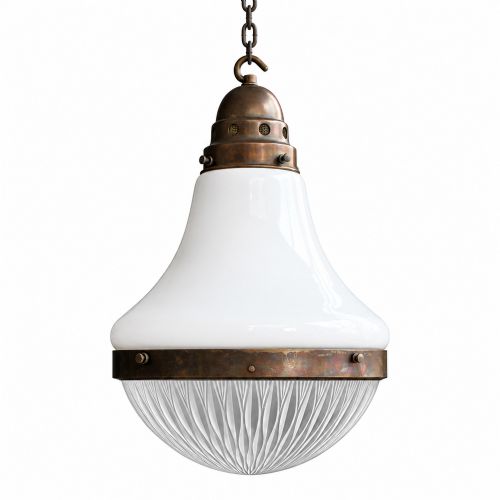
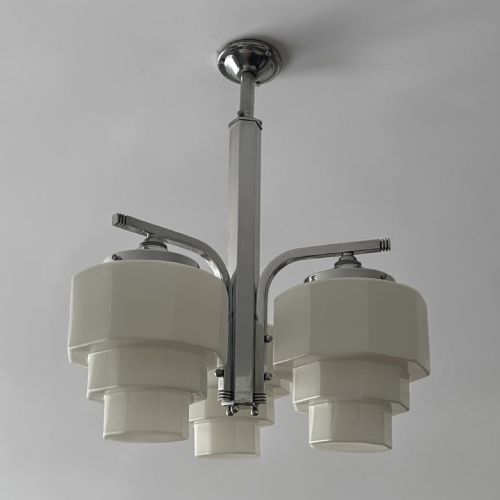
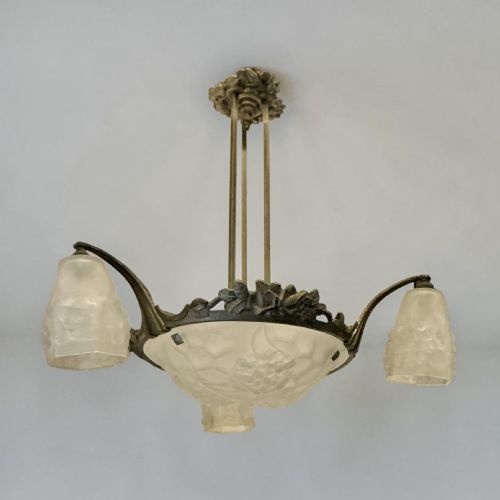
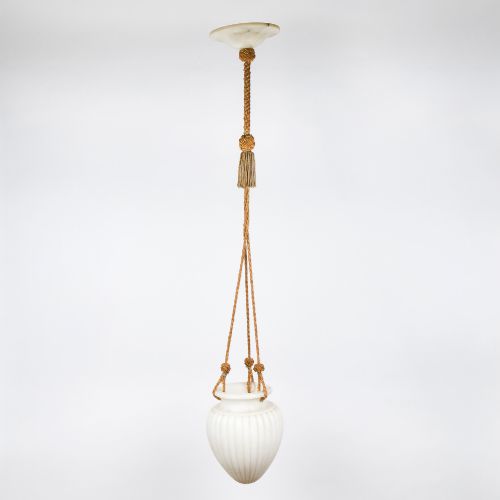
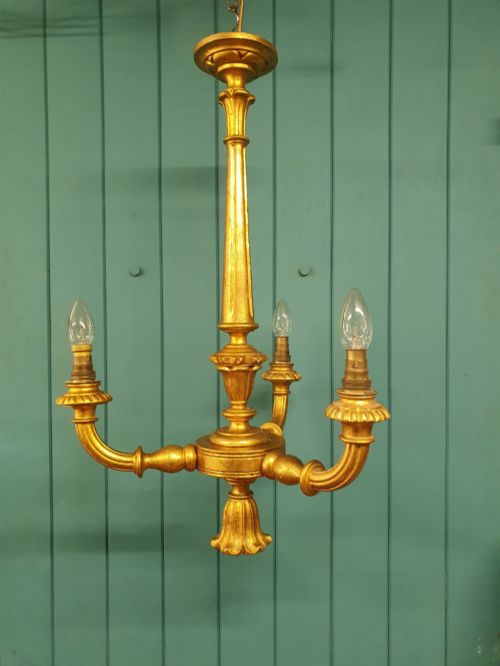
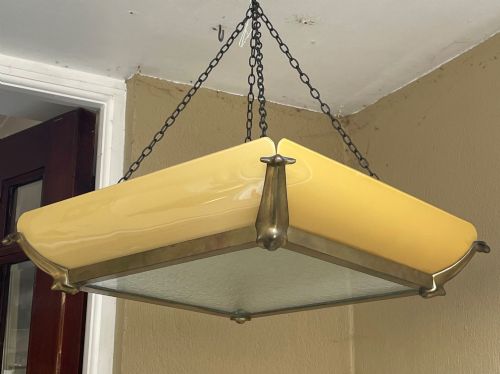
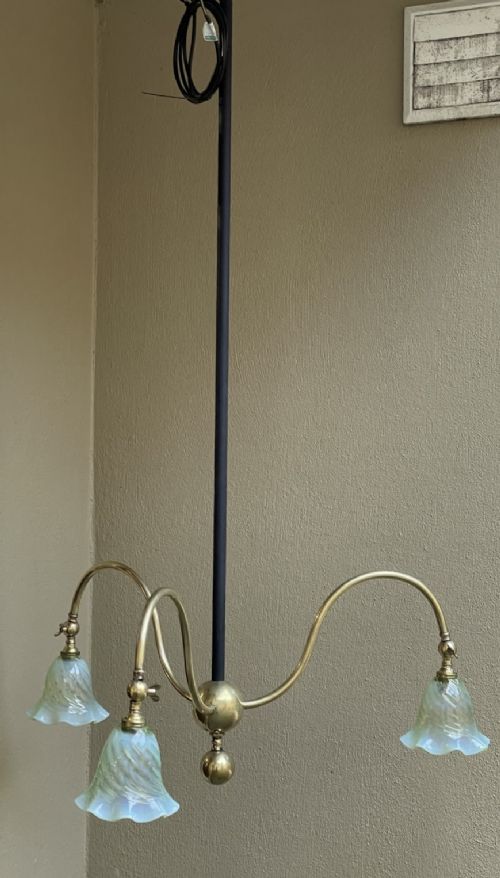
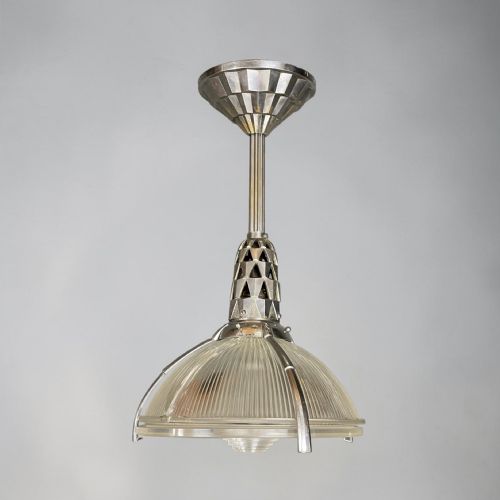
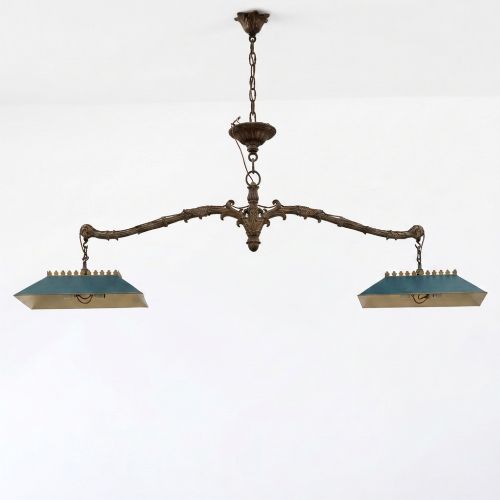
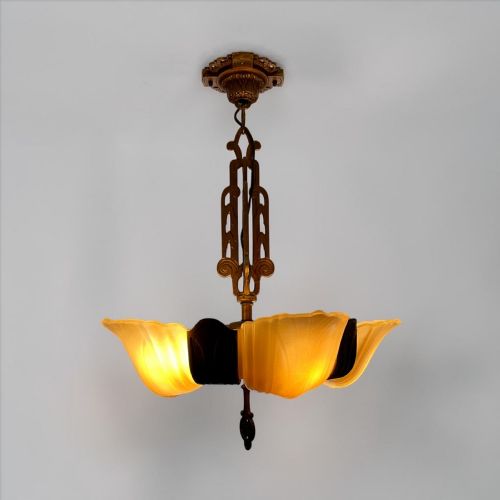
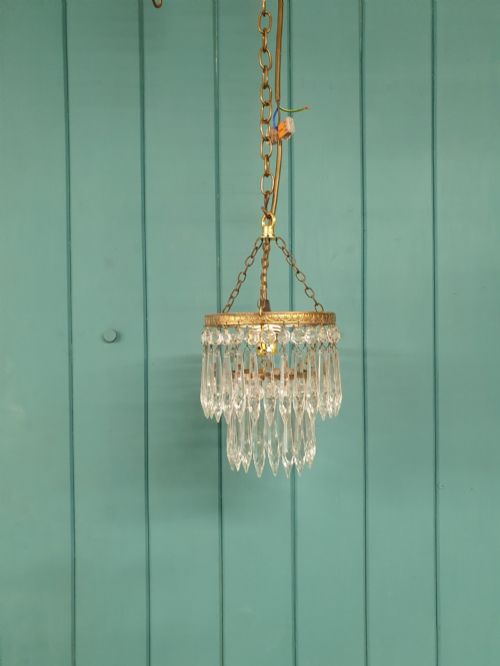
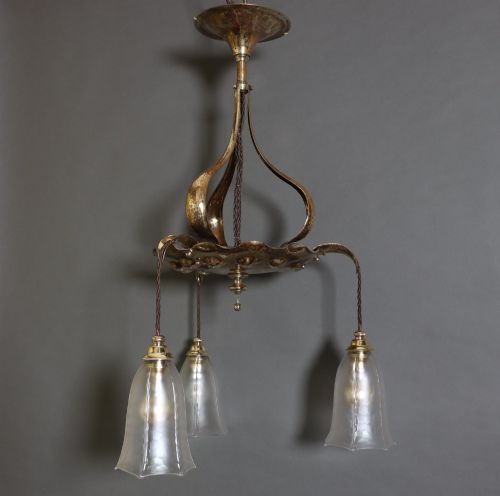
An antique ceiling lighting shade encompasses hanging pendants, chandeliers, lanterns, and individual glass shades spanning the Victorian, Edwardian, and Art Deco eras. Buyers searching for an antique ceiling lighting shade encounter diverse forms ranging from industrial metal pendants to delicate cut glass crystals and moulded opaline globes.
Most specimens rely on period mounting hardware, including brass frames and rise and fall mechanisms, paired with specialised glass components. Each format reflects the lighting requirements and aesthetic preferences of its specific decade.
Distinctions in Quality
Quality rests upon the depth of the metalwork, the clarity and weight of the glass, and the integrity of any decorative surface treatment such as gilding or hand-painting. Heavier cast brass mounts and crisp, deep-cut crystal indicate superior production standards.
Superior examples retain their original matching components, such as specific galleries, matching shades, and functional rise and fall weight systems. The refinement of the moulding and the absence of crude repairs distinguish finer pieces from utilitarian counterparts.
Listings span the nineteenth and twentieth centuries, incorporating brass, copper, and multiple varieties of glass.
Émile-Jacques Ruhlmann·Holophane·Jefferson
The Antique Ceiling Lighting Shade Glossary
- Plafonnier
- A ceiling-mounted bowl light or shallow dome shade that sits close to the ceiling surface rather than hanging on a long suspension cord. This form became popular for rooms with lower ceiling heights.
- Gasolier
- A multi-armed ceiling light originally designed to burn coal gas before being converted for electricity. These fixtures often feature heavy brass construction and ornate gas keys.
- Opaline glass
- An opaque, milky-white glass developed to diffuse light softly without glaring. It was widely utilised across Victorian and Art Deco lighting designs.
- Rise and fall
- A mechanical counterweight system allowing the pendant light to be pulled down or pushed up easily. This mechanism was particularly common in Edwardian and Art Nouveau interiors.
- Slip shade
- A moulded piece of glass that slides or slips directly into a metal frame or basket. These shades define American and European Art Deco ceiling fixtures.
Antique Ceiling Lighting Shade: Frequently Asked Questions
How do I choose the right size?
Consider both the ceiling height and the floor area of the room before selecting a shade. Larger spaces and higher ceilings accommodate multi-arm chandeliers or heavy lanterns, whereas smaller rooms suit compact plafonniers or single glass pendants.
Proportion matters more than sheer output, as a shade should anchor the visual space of a room without dominating the ceiling.
Can these lights be wired safely?
Most antique fixtures require rewiring to meet contemporary electrical standards before installation. Professional electricians can easily update internal wiring while preserving the original brass or copper exterior components.
It is standard practice to check the lampholders and cord grips during installation to ensure compliance with current regulations.
How do I clean antique glass?
Remove delicate glass shades carefully from their metal galleries before cleaning. Wash them gently in lukewarm water with mild soap, avoiding harsh abrasives that might damage frosted or hand-painted surfaces.
Allow each piece to dry thoroughly before reattaching it to the hanging frame.
How do I date a shade?
Dating relies on identifying the combination of materials, manufacturing techniques, and stylistic markers such as Victorian ornamentation or Art Deco geometry. Hardware details like screw threads and brass composition also offer reliable clues to the period.
Comparing the form against documented catalogues helps narrow down the decade of production.