
Antique Carved Wood
Antique carved wood brings history directly into a room through the hands of makers who shaped oak, mahogany, and walnut into mirrors, chairs, and tables.
Antique Carved Wood
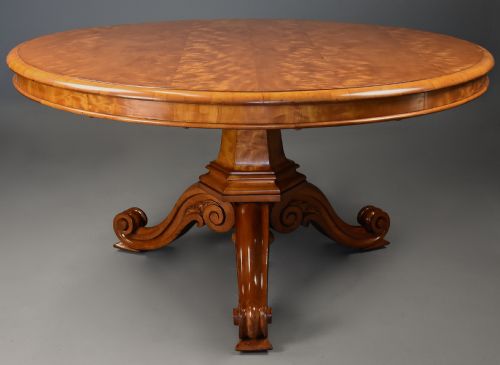
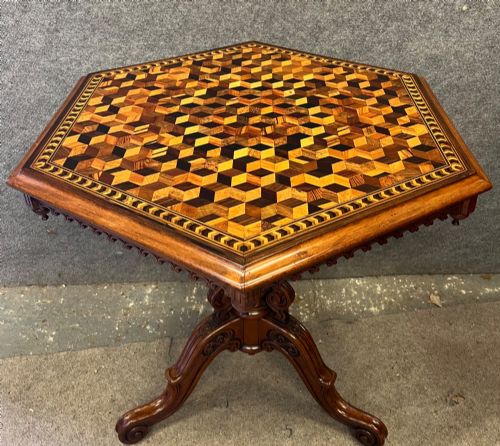
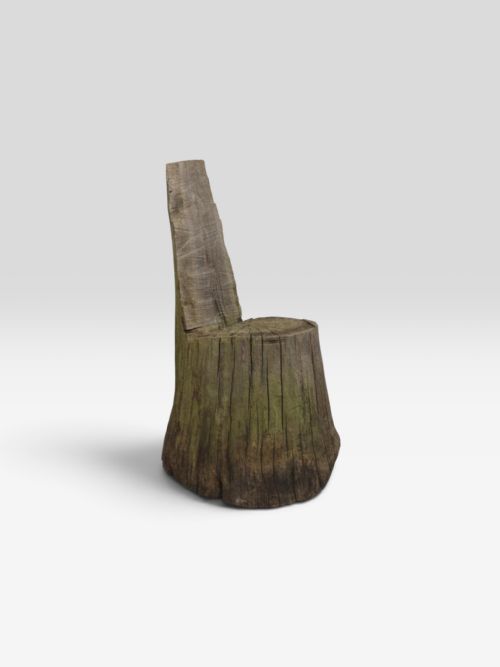
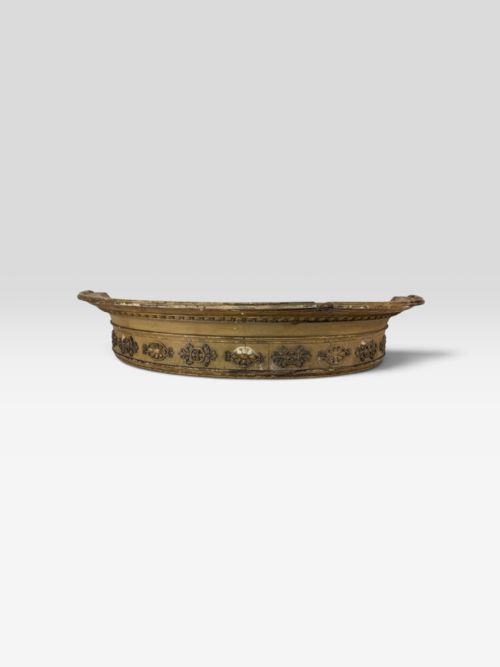
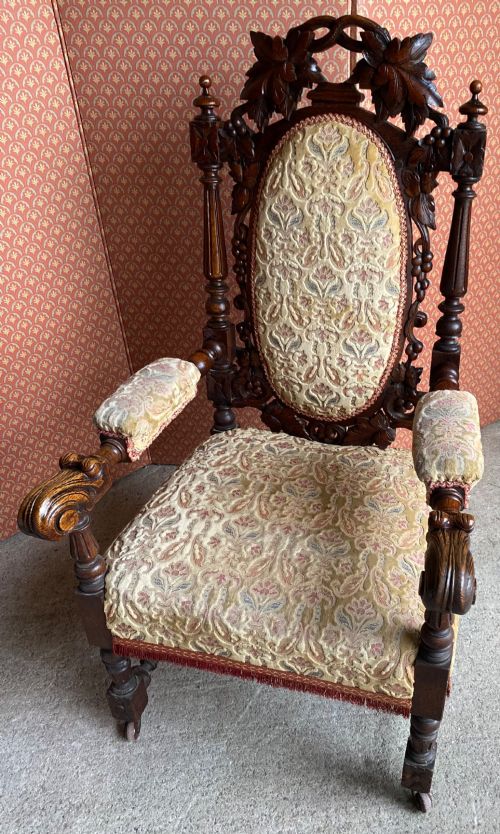
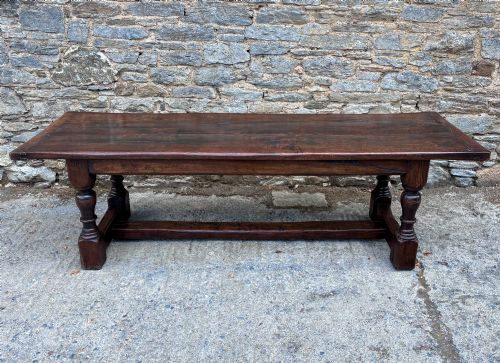
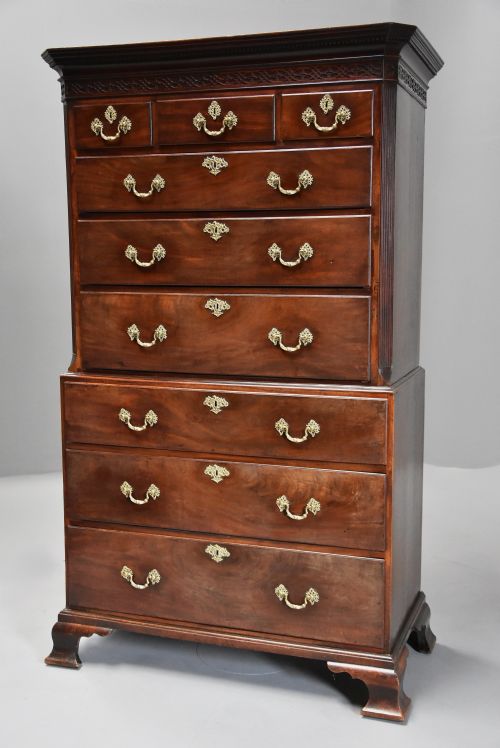
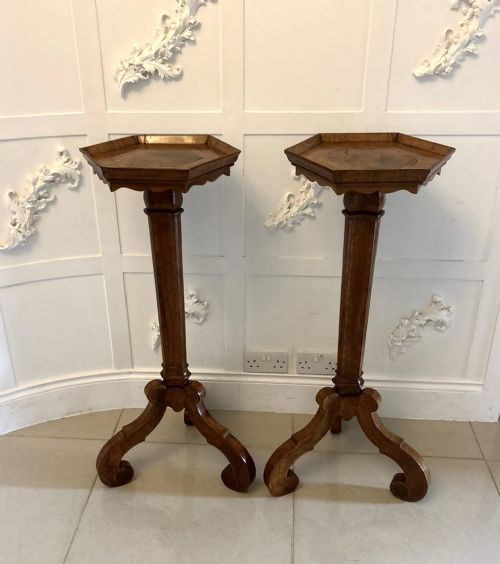
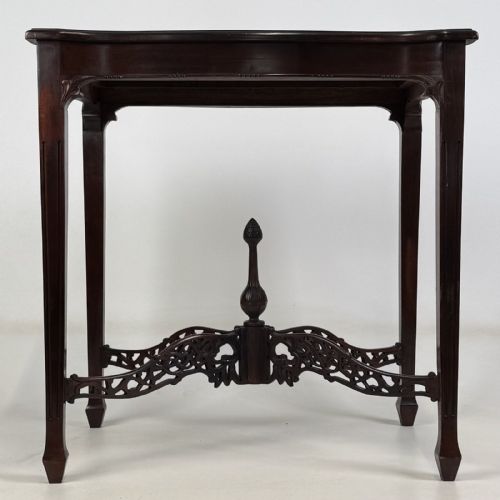
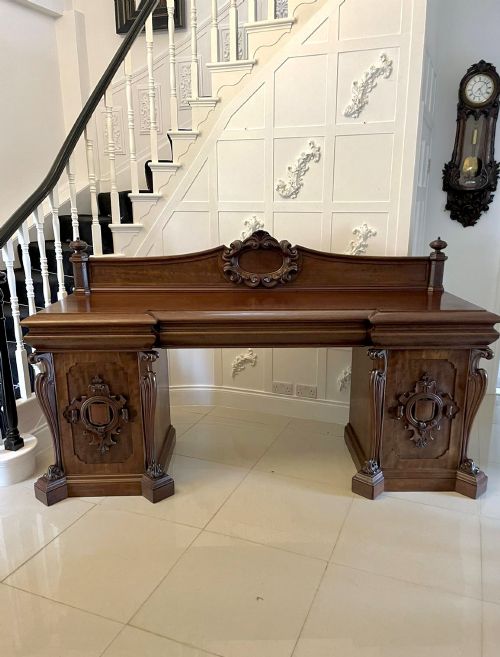
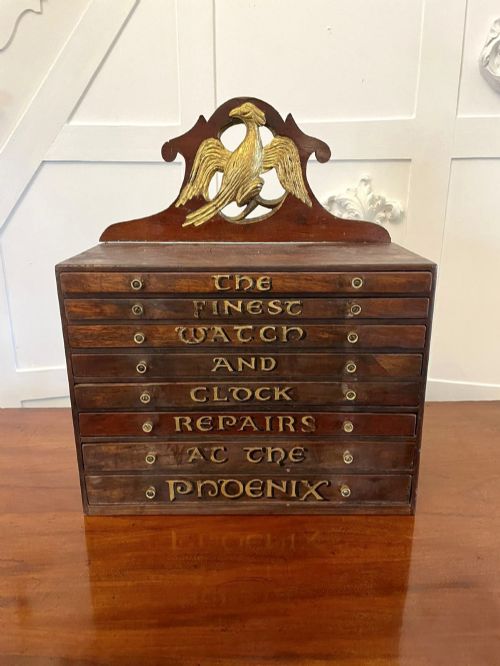
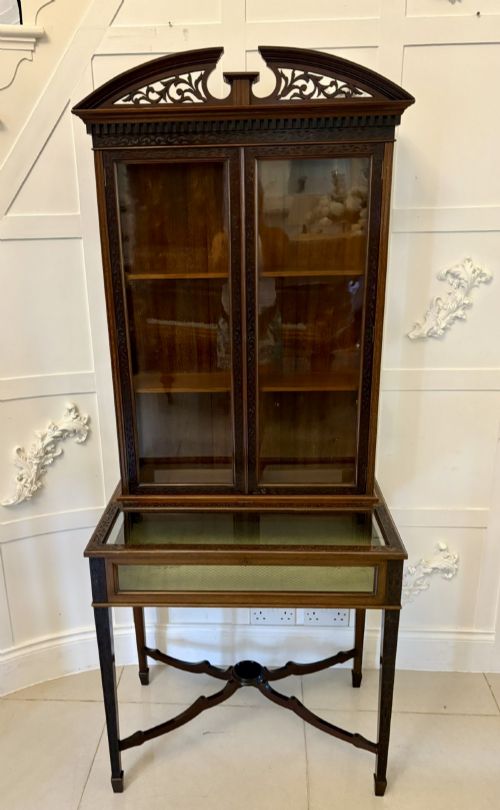
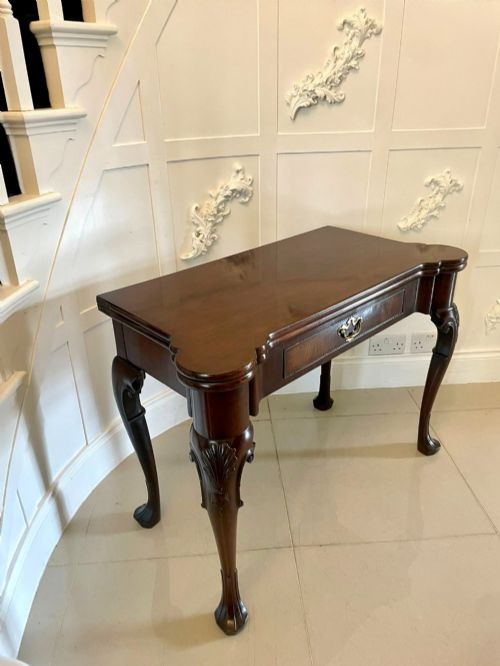
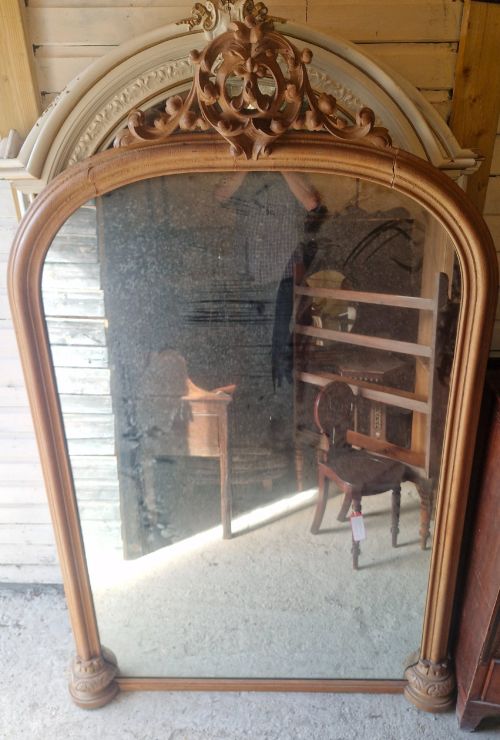
When you search for antique carved wood, you look at items that range from practical furniture like side tables and sideboards to decorative objects such as wall brackets, decoy ducks, and giltwood mirrors. The pieces appearing here span several centuries, moving from Georgian and Victorian items to Edwardian and early twentieth-century examples.
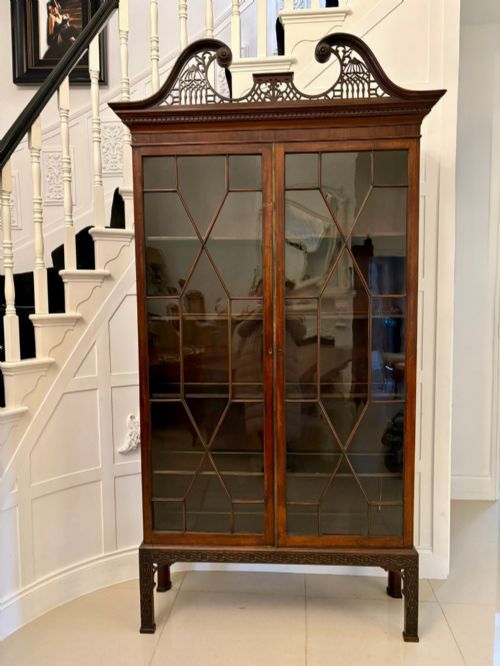
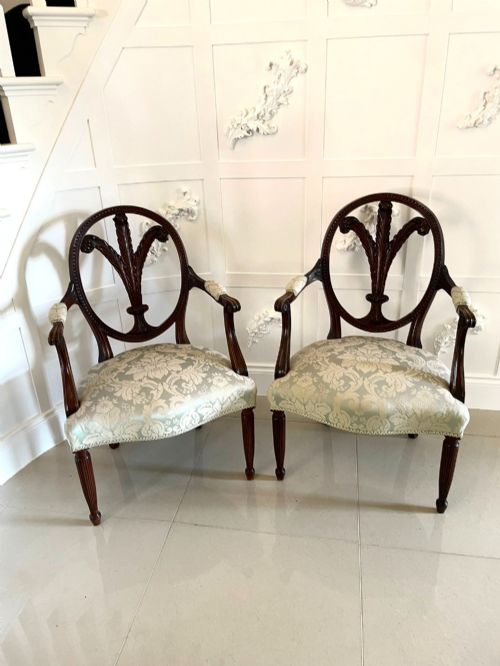
Oak and mahogany dominate the furniture listings, appearing across armchairs, bookcases, and chests of drawers where structural strength matters. Walnut and cherry also surface in writing tables and bombe chests, adding varied grain patterns and rich tones to domestic spaces.
Materials and methods
Makers relied heavily on solid hardwoods like oak, mahogany, and walnut, selecting each timber for its grain and durability. Carpenters and carvers worked these woods with hand tools, cutting joints and chiselling details directly into the material.
Giltwood and gesso pieces involved applying layers of plaster and size over a wooden base before adding gold leaf to create reflective surfaces on mirrors and frames. This technique required precise timing and steady hands to ensure the thin metal adhered smoothly to the moulded contours.
Early twentieth-century decoy ducks sit quietly among the heavy oak sideboards and gilt mirrors, waiting to swap the pond for a mantelpiece.
Distinctions in quality
The depth and crispness of the carving separate ordinary items from exceptional ones, as skilled artisans produced sharper undercut details and more naturalistic forms. Handling reveals whether the maker spent time refining the surface or left tool marks rushed and unresolved.
Proportion and timber selection dictate the standing of a piece, with well-figured veneers and cohesive dimensions marking out superior examples. Lesser items often rely on simpler construction and repetitive stamped motifs rather than thoughtful individual design.
Leonard Wyburd for Liberty & Co.·Arsène Rochette of Versailles
The Antique Carved Wood Glossary
- Gesso
- A plaster mixture applied to wood surfaces as a base for paint or gold leaf. It creates a smooth ground for intricate moulding.
- Giltwood
- Wood that has been coated with gold leaf or gold paint. This finish protected the timber while adding visual splendour.
- Gadrooned edge
- A decorative carved moulding featuring convex curves, often seen along table borders. It adds texture and weight to the profile.
- Newel post
- The principal post at the foot or landing of a staircase. These often feature substantial carving to anchor the banister.
- Bombe
- A swelling or convex shape found on the front and sides of certain chests of drawers. It requires expert cabinetmaking to achieve the curved silhouette.
Antique Carved Wood: Frequently Asked Questions
How do I clean antique carved wood?
Dust surfaces regularly with a soft, dry cloth to prevent dirt from settling into the carved recesses. Avoid modern chemical sprays that can strip historic finishes over time.
Apply a microcrystalline wax sparingly once or twice a year if the timber appears dry. Buff gently with a clean cloth to maintain a natural, protective sheen.
Where should I place these pieces?
Position wooden furniture away from direct sunlight and heat sources to prevent the timber from warping or splitting. Stable indoor temperatures keep both the wood and any gesso decoration secure.
Mirrors and wall brackets need sturdy fixings to support their weight safely. Ensure wall anchors match the specific construction of your plaster or brick walls.
How do I date carved wooden items?
Examine the tool marks, joint construction, and timber species for clues about the manufacturing period. Hand-cut dovetails and pit-sawn boards typically indicate earlier Georgian or Victorian origins.
Compare the decorative style, such as Arts and Crafts simplicity or French Louis XVI curves, with known historical eras. Secondary woods used in drawer linings also help confirm the era of production.
Can I use an antique table daily?
Sturdy oak and mahogany tables tolerate regular daily use provided you protect surfaces from moisture and heat. Use coasters and placemats to prevent rings and stains on polished timber.
Delicate writing tables with intricate veneers require more care and benefit from a protective desk blotter. Treat them with consideration to preserve their finish for future generations.