
Antique Carved Wood Glass
These antique carved wood glass pieces span centuries of craftsmanship, offering practical utility and decorative presence for the home.
Antique Carved Wood Glass
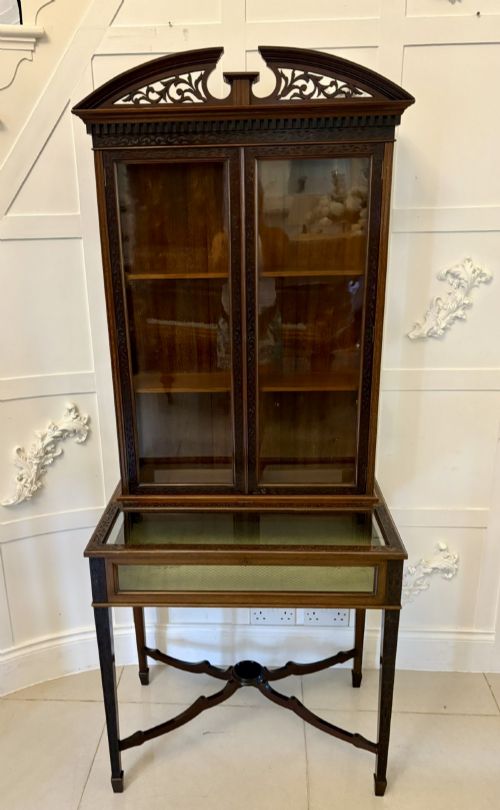
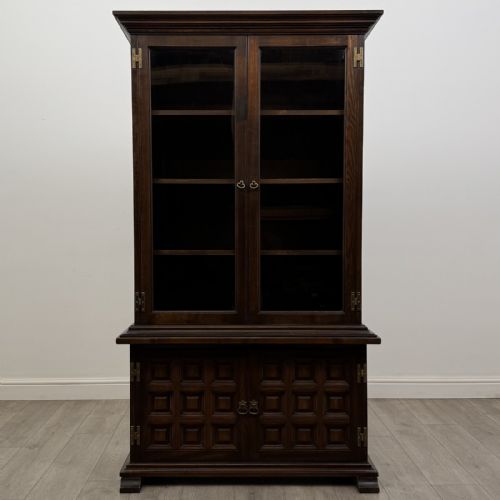
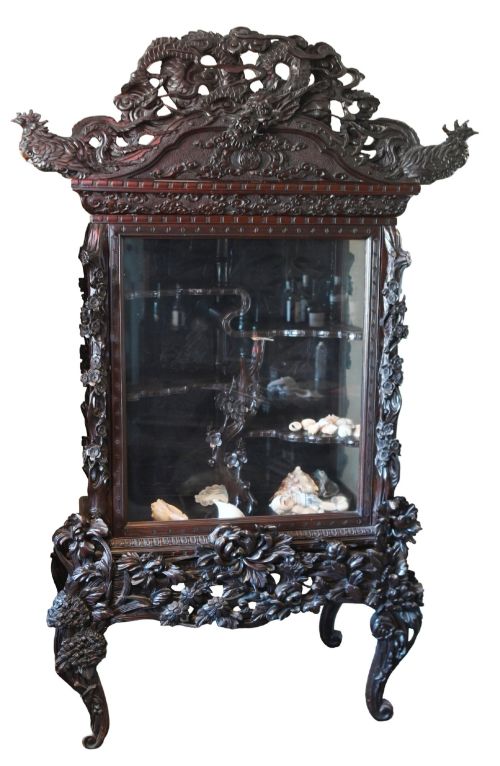
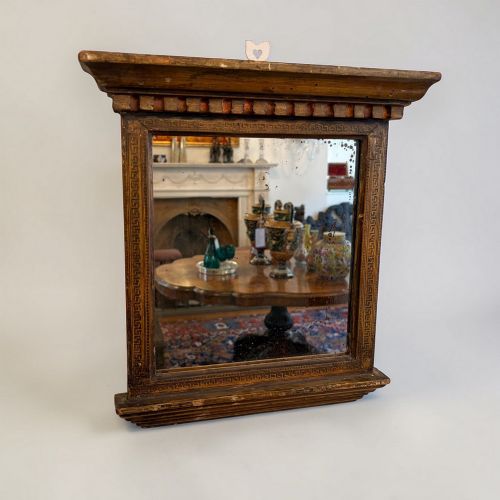
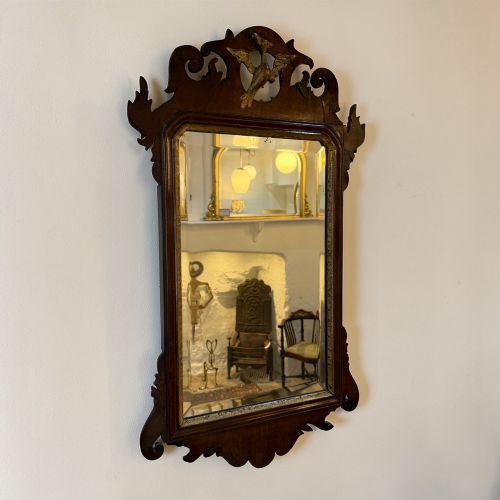
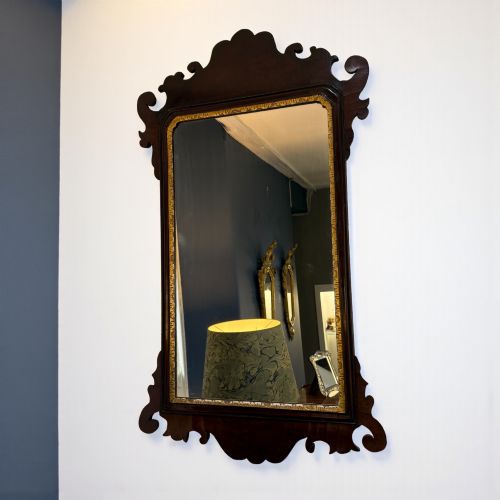
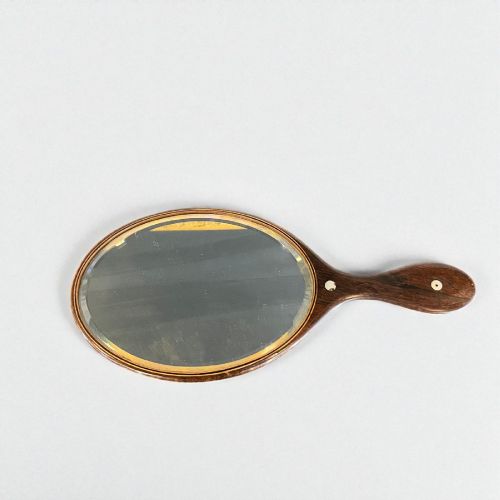
When you search for antique carved wood glass, you are primarily looking at mirrors, display cabinets, bookcases, and occasional smaller decorative objects spanning the eighteenth to early twentieth centuries. These forms bring together timber structures, carved ornamentation, and glass elements.
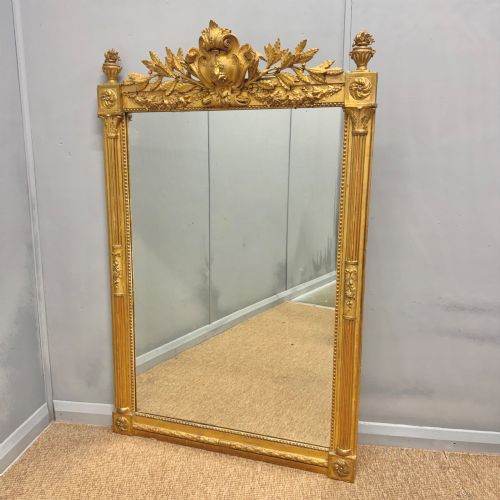
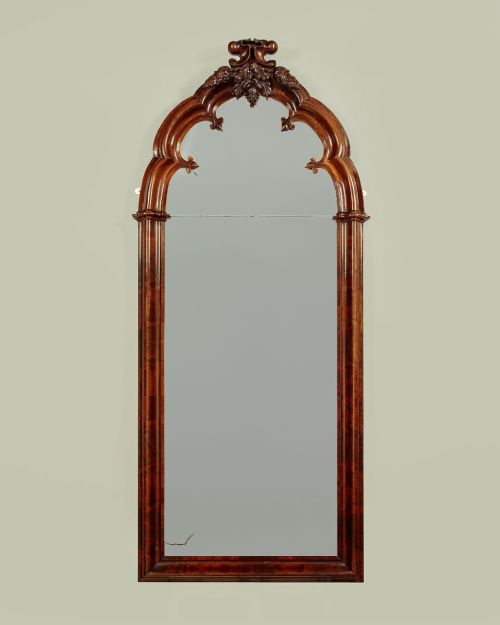
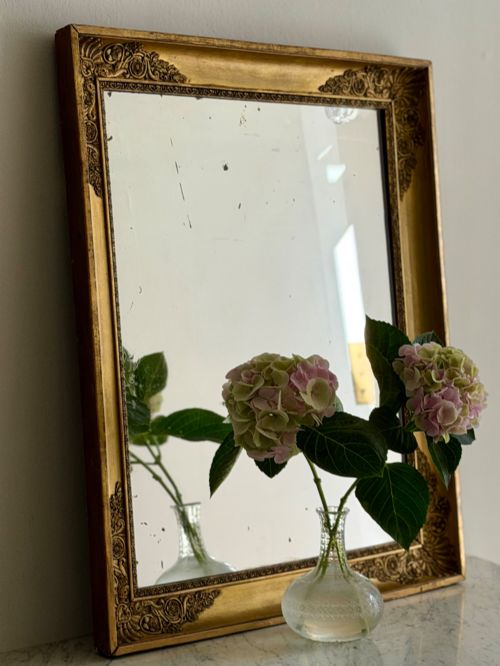
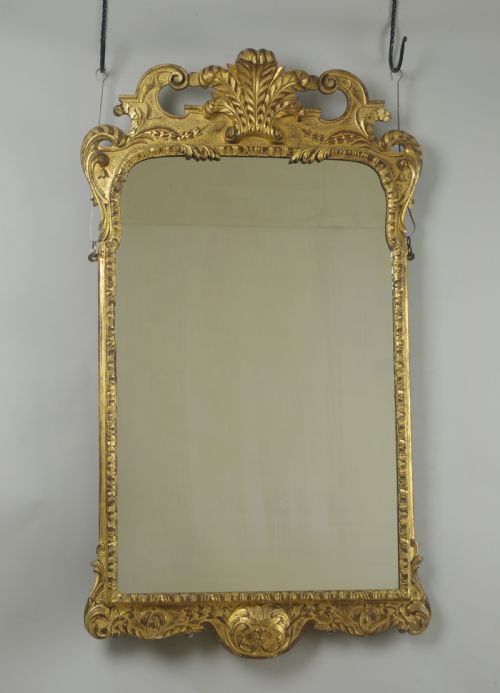
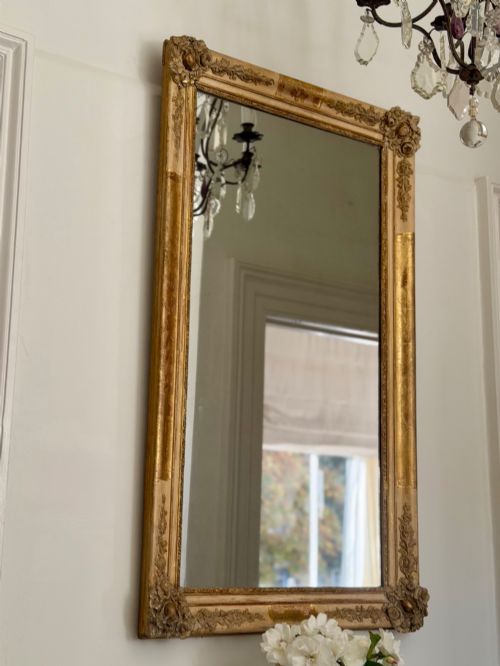
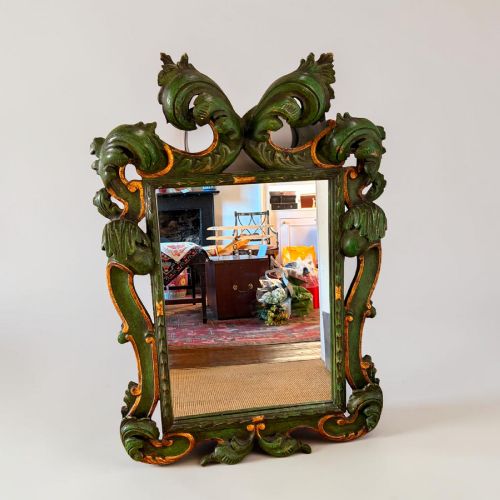
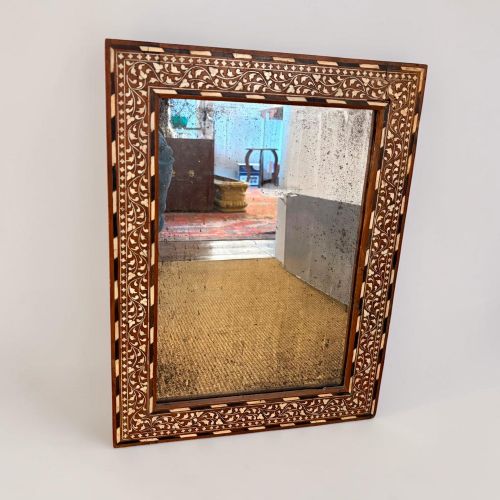
The most common items on this page are wall mirrors and overmantle mirrors framed in carved wood, often finished with gesso and gilt. Alongside these, you will find mahogany or oak display cabinets, bookcases, and cheval mirrors.
The selection ranges from Georgian and Regency examples to Victorian and Edwardian pieces, drawing on styles such as French Empire, Italian Rococo, and Jacobean Revival. Each period contributes distinct proportions and carving details to the surviving objects.
Materials and construction techniques
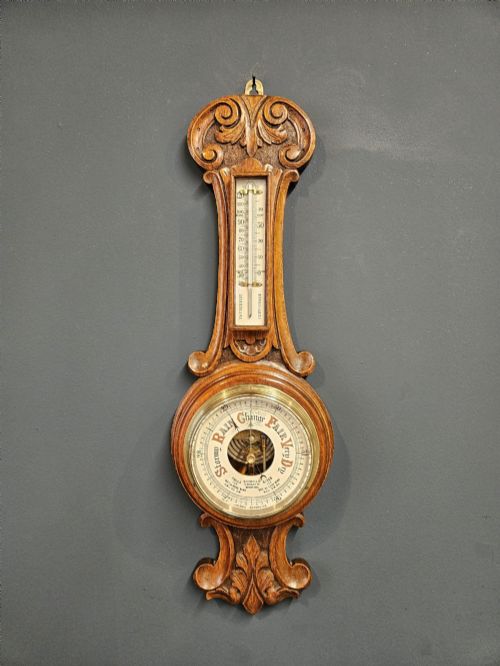
Makers utilised solid timbers such as mahogany, oak, walnut, and fruitwood to construct the primary frames and cabinetry. Carved details were either worked directly into the timber or built up using gesso over a wooden base to allow for sharper relief.
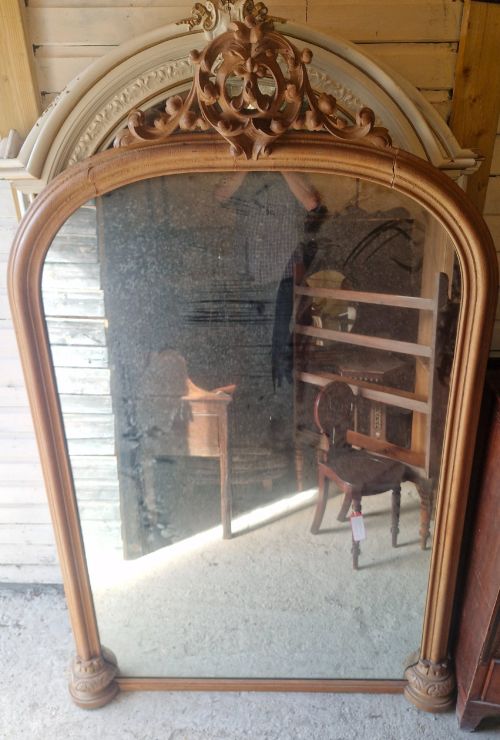
Gilding was frequently applied using gold leaf or gold paint over the gesso ground, creating the reflective surfaces seen on wall and overmantle mirrors. Glass panels, including early mercury glass plates with foxing, were fitted into rebates and secured with wooden backs.
Several items on record feature carved wooden monkeys and dogs fitted with glass eyes, watching over tobacco jars and table bells.
Assessing quality in carved wood and glass
Quality rests on the crispness and depth of the wood carving, where hand-tooled execution displays individuality and fluid lines compared to mechanical replication. The handling of gesso and the application of gold leaf dictate the richness of the gilded surfaces.
The integration of the glass plate matters greatly, with original mercury glass and bevelled edges holding higher regard than later replacements. Structural integrity of the timber joints and the preservation of original backboards complete the assessment of a piece.
Gabriel Viardot
The Antique Carved Wood Glass Glossary
- Gesso
- A plaster-based mixture applied to wood frames to provide a smooth surface for gilding or painting. It accepts deep relief carving very well.
- Mercury glass
- A type of double-walled silvered glass produced in the nineteenth century, known for its mottled, reflective appearance.
- Overmantle mirror
- A large mirror designed specifically to hang above a fireplace mantelpiece. They often feature landscape proportions to fit the wall space.
- Cheval mirror
- A freestanding full-length mirror suspended in a frame on pivots, allowing it to tilt. They became popular in the late eighteenth and nineteenth centuries.
- Parcel gilt
- A decorative treatment where only specific portions of a wooden object are gilded, leaving the underlying grain visible elsewhere.
- Foxing
- Age-related spots and discolouration within the silvering of antique mirror glass. Many collectors value this as an authentic sign of age.
Antique Carved Wood Glass: Frequently Asked Questions
What is an overmantle mirror?
An overmantle mirror is a large decorative glass panel framed in carved wood, traditionally hung above a fireplace opening. Its proportions were designed to complement the hearth below and reflect light around the room.
These pieces often incorporate gesso ornament and gilt finishes. They served both a functional purpose in darker historic interiors and a purely decorative role within period reception rooms.
How do I identify mercury glass?
Mercury glass is characterised by a distinctive reflective layer sealed between two walls of blown glass, or applied as a silvering solution to the back of single plates. It does not actually contain mercury.
Over time, chemical changes cause characteristic dark spots and mottling known as foxing. This ageing process creates a softer, less clinical reflection than modern float glass.
Where should I place a cheval mirror?
A cheval mirror requires adequate floor space to allow the freestanding frame and pivot mechanism to operate safely. Bedrooms and dressing rooms remain the traditional locations for these pivoting floor-standing pieces.
Because they offer a full-length reflection, placement near natural light sources helps brighten corners. Ensuring the floor is level prevents undue strain on the pivot pins.
How do I care for antique giltwood?
Antique giltwood requires gentle dusting with a soft, dry brush to prevent damage to the delicate gesso and gold leaf surface. Moisture and chemical cleaners must be avoided entirely.
Positioning pieces away from direct sunlight and damp environments protects the wooden substrate from warping. Stable room temperatures preserve both the timber and the historic finish.