

Antique Carved Walnut
These pieces of antique carved walnut bring rich timber grain and deep relief carving straight into everyday rooms.
Antique Carved Walnut
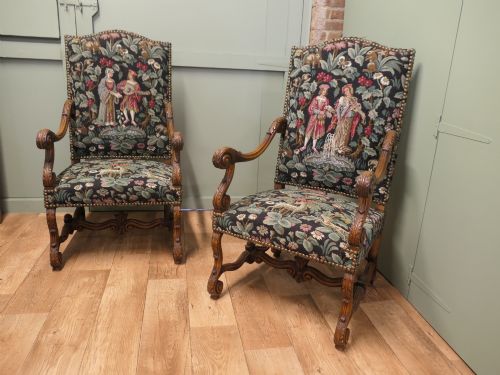
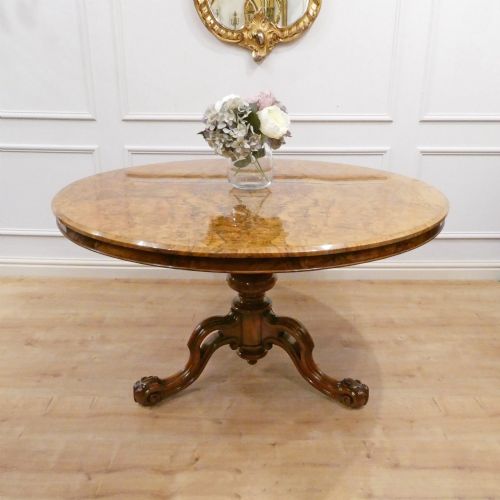
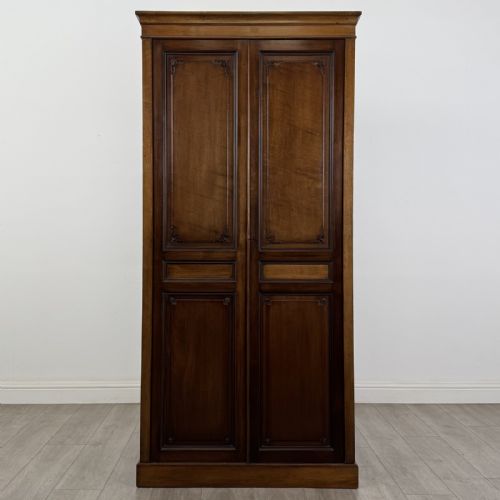
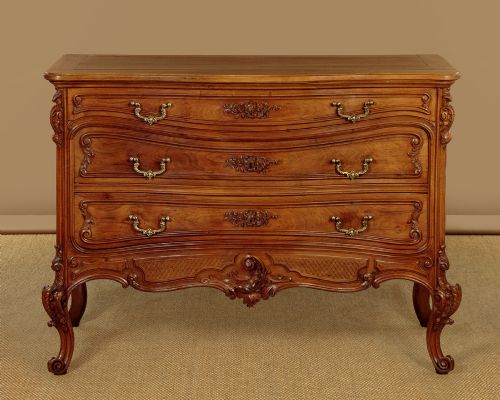
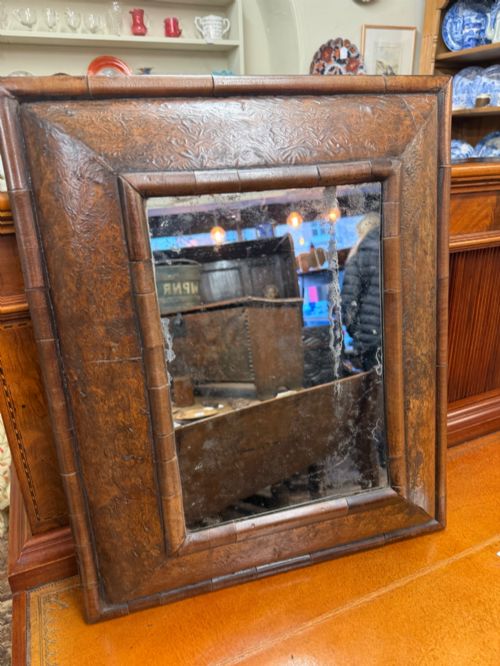
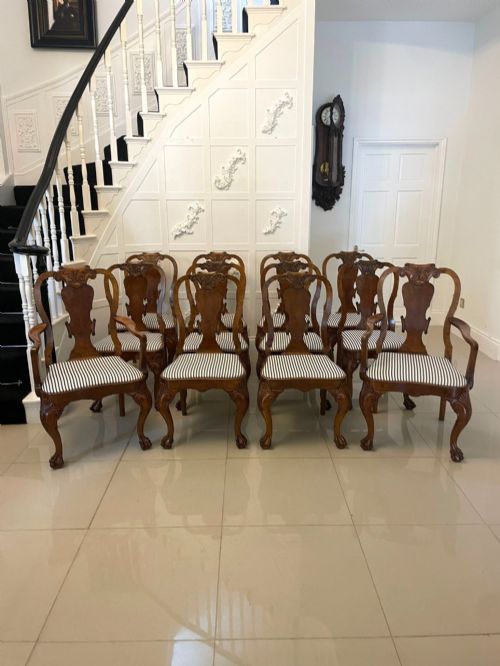
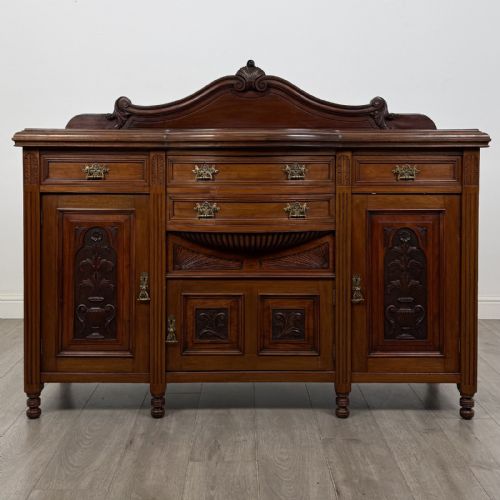
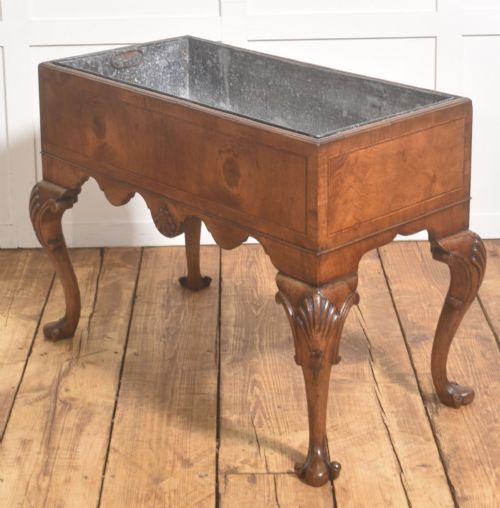
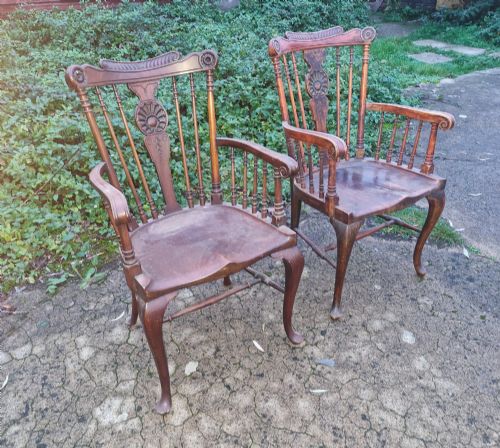
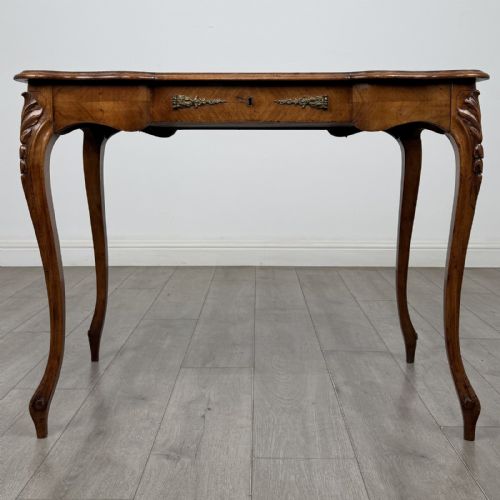
When you search for antique carved walnut, you encounter everything from sturdy Victorian dining chairs and tilt-top centre tables to elegant Edwardian writing desks and burr walnut wardrobes. The selection spans centuries of cabinetmaking, with particular strength in Victorian production where dark timber and figurative carving dominated parlours and dining rooms.
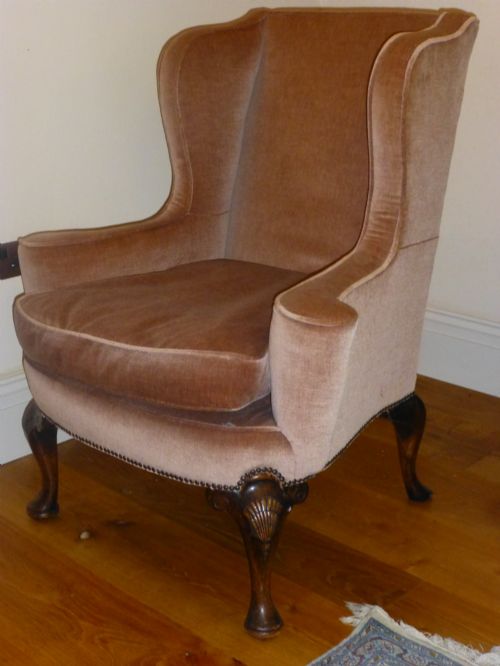
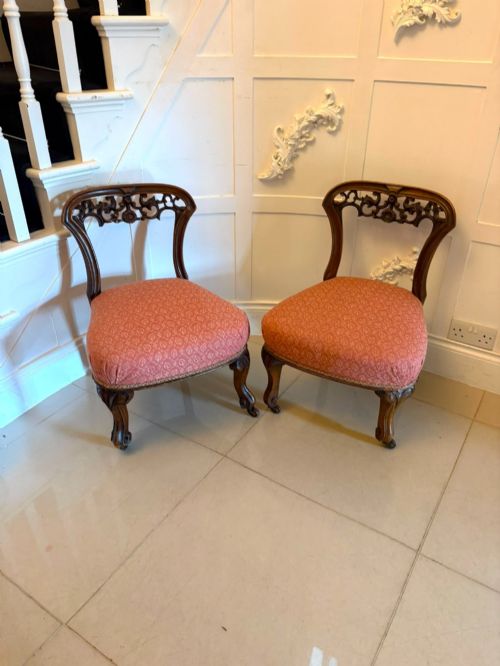
You will frequently meet occasional tables, side chairs, and whatnots shaped from both plain and burr walnut, alongside pieces showing revival styles such as Queen Anne or Renaissance influences. These forms demonstrate how cabinetmakers utilised the dense timber for domestic utility as well as decorative display.
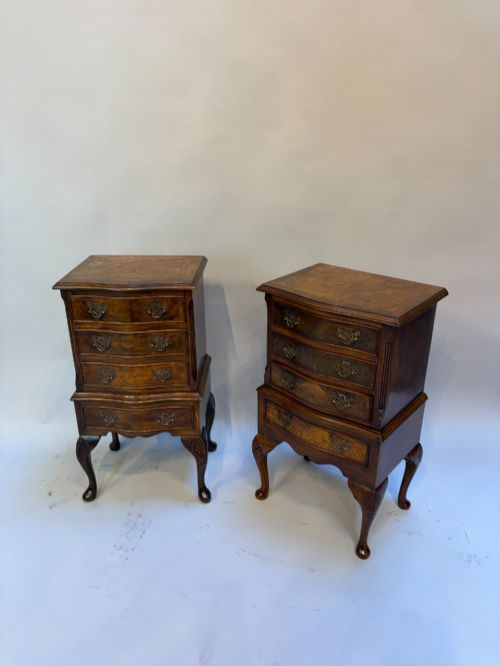
Earlier examples stretch back to the eighteenth century through occasional wall brackets, while later Edwardian and 1920s pieces offer smaller desks, dressing tables, and chests of drawers. The overarching constant remains the warm, dark grain of the walnut foundation paired with confident hand carving.
Materials and Construction
Makers built these pieces using solid walnut and applied burr walnut veneers, which were selected for their intricate knot patterns and rich figuring. Artisans combined this primary timber with secondary woods for internal drawer linings and structural framing.
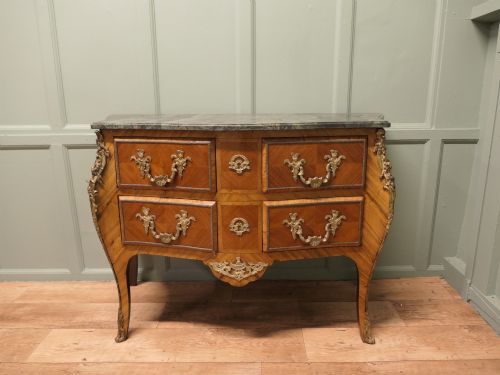
Surface decoration frequently incorporated hand carving, marquetry inlay using contrasting timbers, and occasional brass mounts or mother of pearl details. Joinery techniques relied on traditional methods such as dovetailing for drawers and tenon joints for seating frames, ensuring structural longevity.
Antique Carved Walnut Retail Price Guide 2026
Typical asking prices for carved walnut among the pieces listed under this phrase on Sellingantiques today, from the lower quarter to the upper quarter. They describe what is for sale here now, not the wider market.
Listings span the eighteenth, nineteenth, and early twentieth centuries, featuring walnut, burr walnut, brass mounts, and mother of pearl inlay.
Assessing Quality in Walnut
Quality rests in the selection of the timber and the crispness of the carving rather than mere ornamentation. Superior examples display tightly figured burr walnut veneers matched symmetrically across panels and table tops, whereas lesser pieces rely on plain, uninspired grain.
The depth and definition of the carved elements separate standard production from exceptional work. Sharp undercut foliage, figures, or scrollwork indicate a master carver's hand, while softened edges and shallow detailing point to hasty workshop execution.
James Shoolbred
The Antique Carved Walnut Glossary
- Burr Walnut
- A veneer taken from the excrescence on a walnut tree where the grain grew in a deformed manner, creating highly decorative swirling patterns. It was prized for tabletops, drawer fronts, and cabinet doors.
- Marquetry
- The art of applying pieces of veneer to a structure to form decorative patterns and pictures. Makers used various tinted woods and mother of pearl to build up floral or geometric designs.
- Tilt-Top Table
- A table with a mechanism allowing the top to pivot vertically when not in use. This clever design saved valuable floor space in nineteenth-century drawing rooms.
- Whatnot
- A piece of freestanding furniture consisting of several open shelves for displaying ornaments. These tiered stands were popular during the Victorian period.
- TorchERE
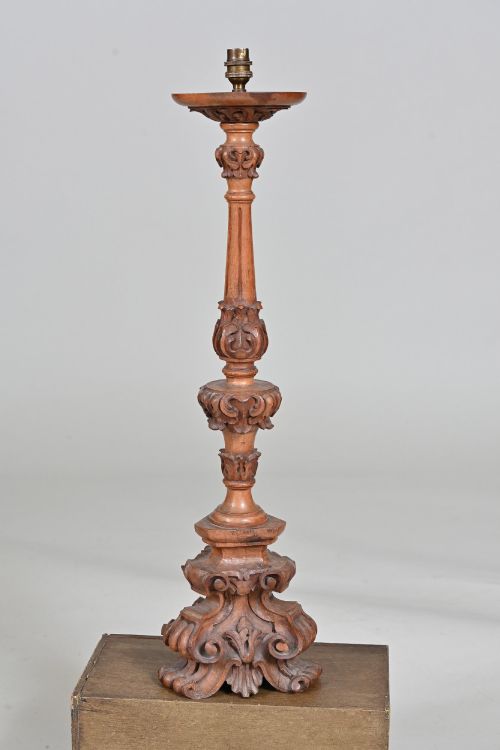
- A tall, slender stand designed to hold a candle or lamp. They frequently feature carved pillars and tripod bases.
Antique Carved Walnut: Frequently Asked Questions
How do I care for antique walnut?
Keep wooden surfaces away from direct heat sources and strong sunlight to prevent the walnut veneer from drying and splitting.
Apply a traditional beeswax polish occasionally and buff gently with a soft cloth to maintain a natural, healthy sheen without building up heavy chemical layers.
Are these desks suitable for daily work?
Many Edwardian and later writing tables offer sturdy flat surfaces and convenient drawer storage that adapt easily to modern laptops and paperwork.
Ensure you check the kneehole height and overall depth of older tables to confirm they match your office chair and seating posture.
What is a tilt-top table used for?
These tables functioned primarily as occasional centre tables for tea or display before the top was unlatched and tilted flat against a wall.
This clever folding mechanism allowed larger rooms to be cleared quickly for dancing or social gatherings.