
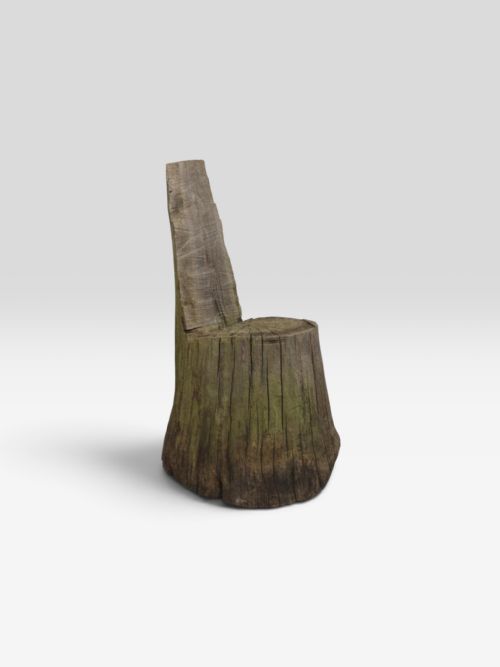
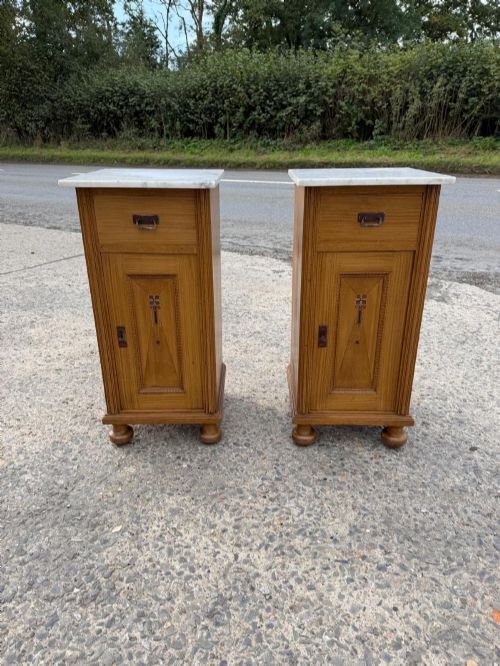
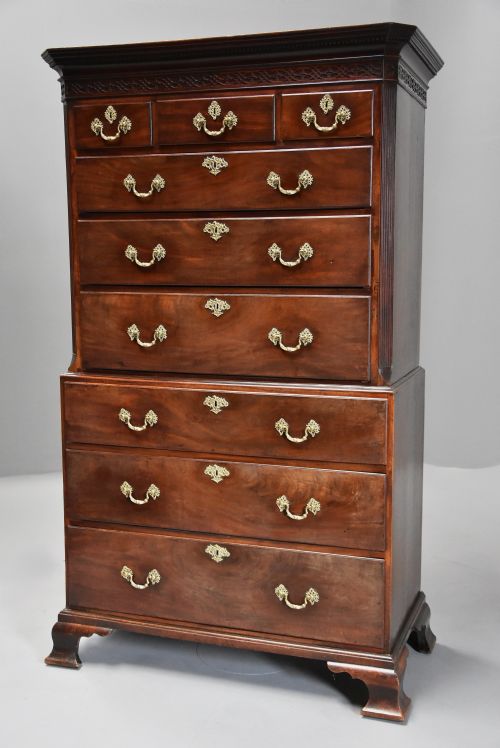
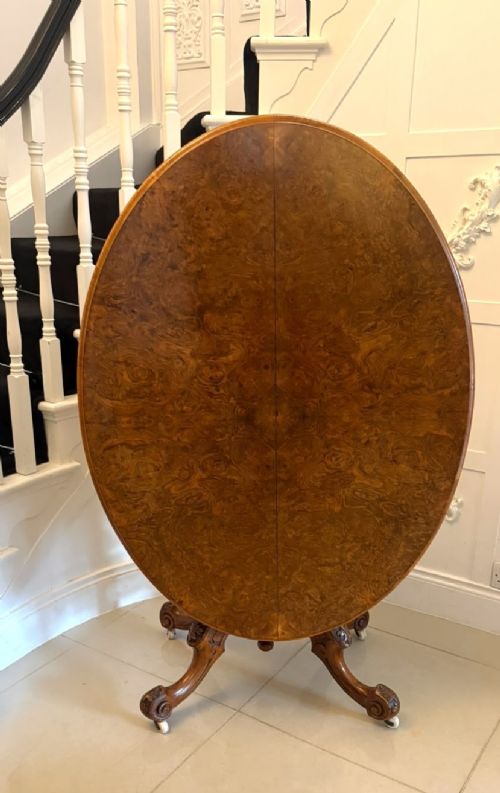
Antique Carved Furniture
Antique carved furniture brings solid timber and centuries of hand chiselling into domestic rooms, offering practical storage and seating with deep historical grain.
Antique Carved Furniture
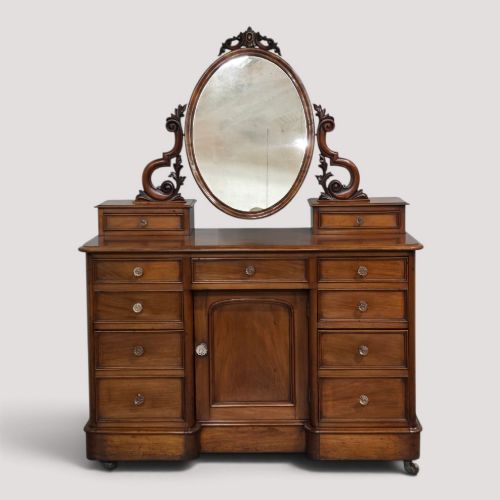
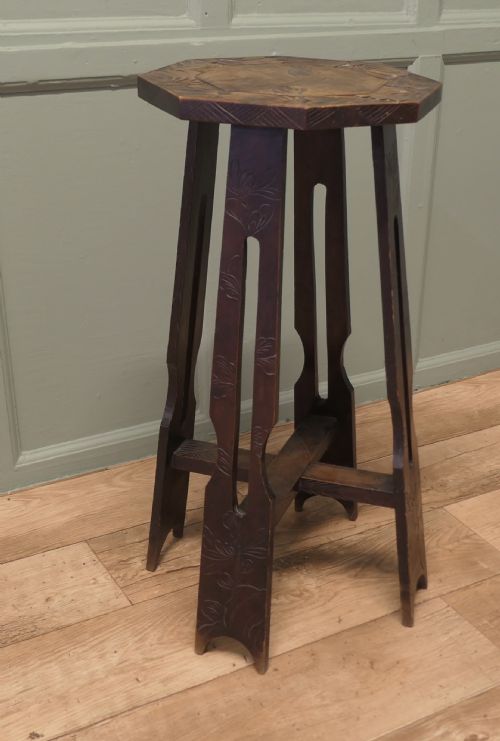
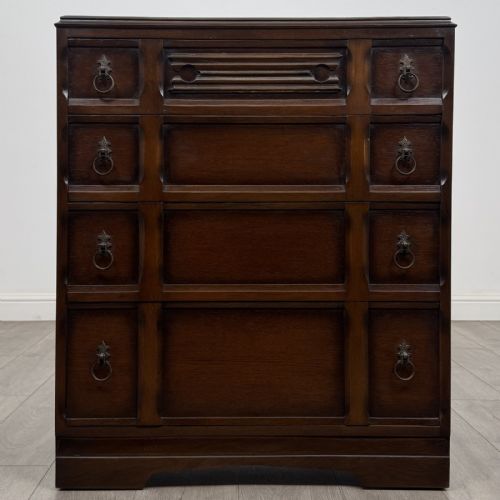
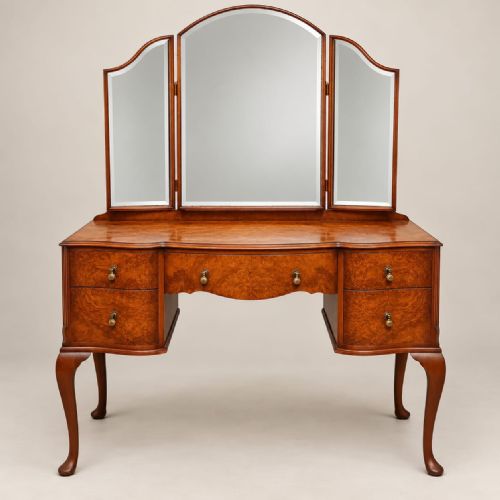
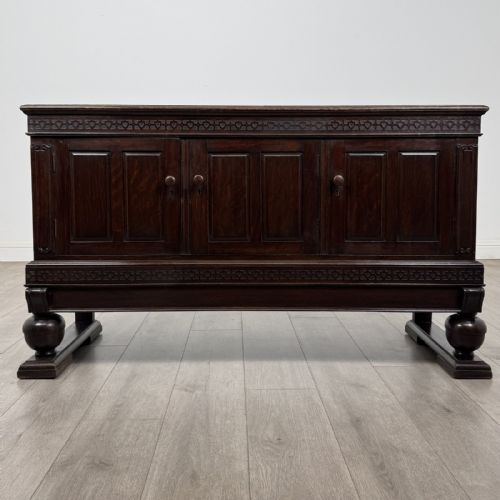
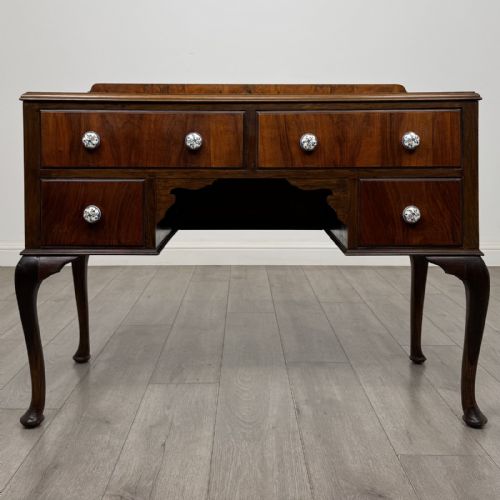
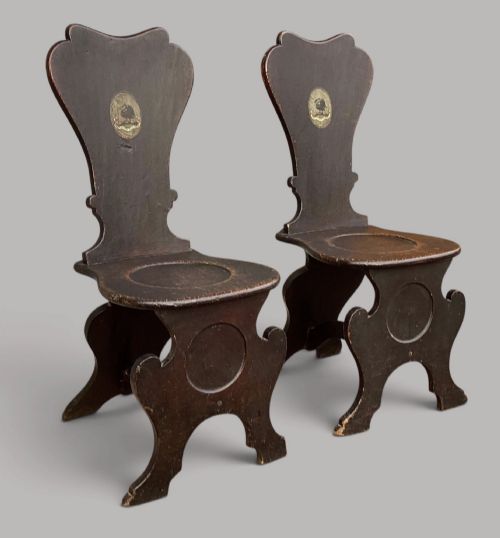
Buyers seeking antique carved furniture encounter an array of domestic forms spanning from the seventeenth century through to the Edwardian period and the early twentieth century. The selection ranges from robust oak dressers, lowboys, and chests of drawers to occasional tables, sideboards, and hall benches.
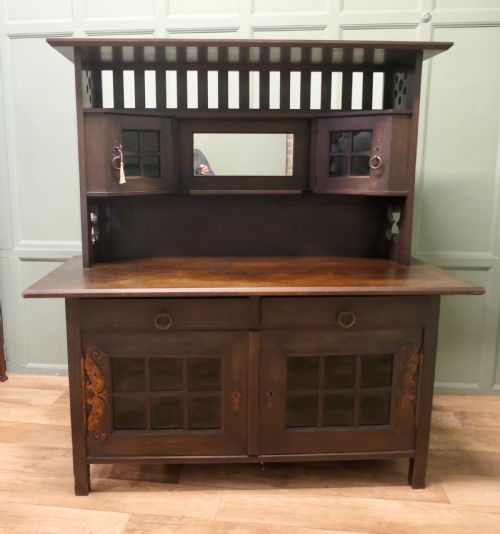
Earlier examples display heavy structural timberwork from the seventeenth and eighteenth centuries, whilst later pieces bring lighter Victorian, Edwardian, and Arts and Crafts interpretations into the home. Oak and mahogany dominate the core utilitarian forms, supported by walnut, burr walnut, and exotic woods on specialist tables and cabinets.
Materials and construction methods
Makers utilised solid timbers such as oak, walnut, and mahogany, shaping panels and legs through hand woodworking techniques rather than industrial mass production. Joinery relies on traditional methods including pegged mortise and tenon joints, dovetails, and hand turned supports.
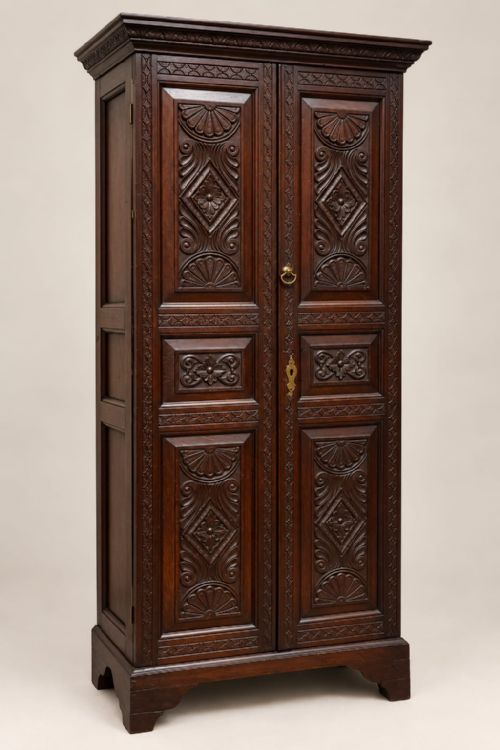
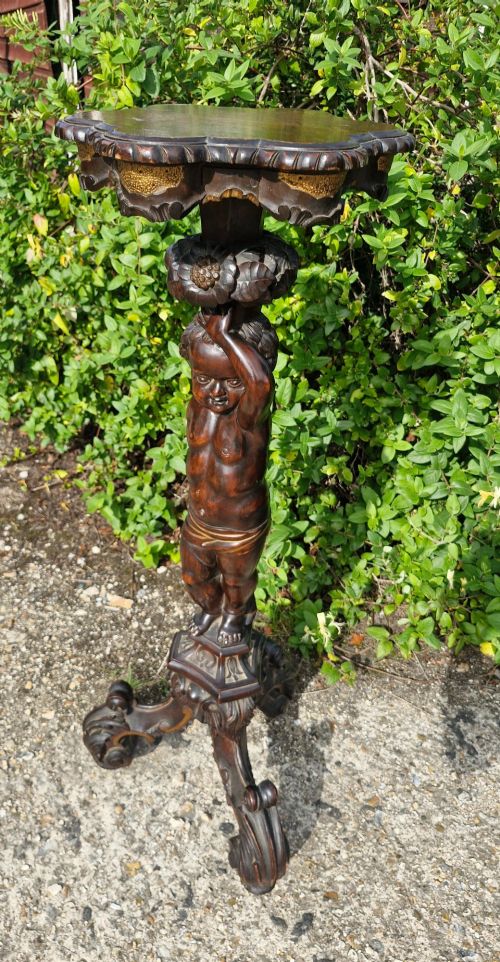
Surface ornamentation is achieved through direct chisel carving into the wood, supplemented occasionally by marquetry inlay, mother of pearl, and parcel gilding. Secondary materials such as brass handles, glass, and ceramic details complete the functional hardware of these pieces.
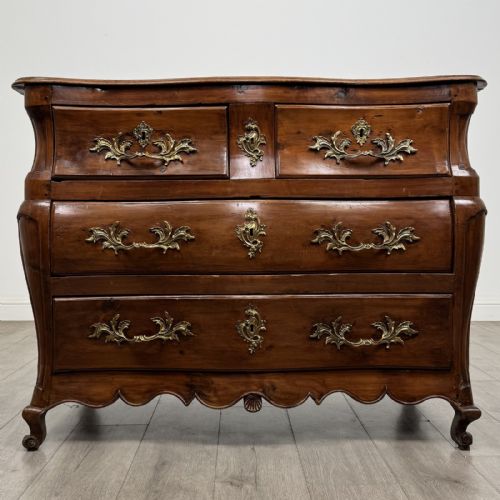
Regional furniture variations include Ceylonese ebony tables, French cherry wood bombe chests, and Italian stands.
Evaluating craftsmanship and design
Quality rests upon the depth, sharpness, and execution of the hand carving, where crisp linework and considered proportions elevate a standard utility item into a piece of fine decorative art. Pieces retaining their original timber surfaces, patination, and structural integrity command greater respect among collectors.
Design complexity also marks the division between basic workshop output and high status commissions, such as pieces featuring intricate figural carving, specialised regional woods like padouk or ebony, and documented cabinetmaker attribution.
Leonard Wyburd for Liberty & Co.·John Moyr Smith·James Shoolbred
The Antique Carved Furniture Glossary
- Lowboy
- A small side table with drawers, typically raised on four tall legs and produced in oak or walnut during the seventeenth and eighteenth centuries.
- Purdonium
- A specialised coal box or cabinet designed to house household fuel near a fireplace, frequently constructed in oak during the Arts and Crafts period.
- Marquetry
- Decorative inlay work using various tinted woods fitted together to form pictorial or geometric patterns across flat furniture surfaces.
- Cabriole leg
- A furniture leg featuring a double curve, typically bowing outward at the knee and curving inward toward the foot, popular in eighteenth and nineteenth-century design.
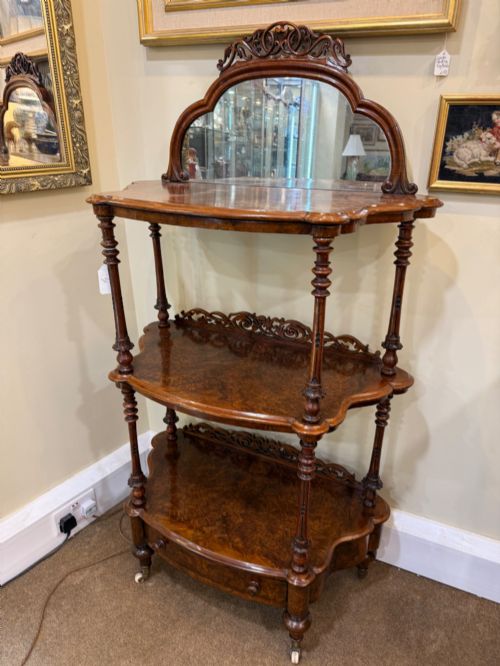
- Whatnot
- A set of open shelves supported by slender pillars, utilised for displaying ornaments and small household objects across multiple tiers.
Antique Carved Furniture: Frequently Asked Questions
How do I identify seventeenth-century oak pieces?
Seventeenth-century pieces display heavy solid oak construction with pegged joints, hand-carved panels, and deep, dark patination built up over centuries of use.
Look for vernacular joinery methods and robust proportions that reflect the period's distinct lack of industrial machinery.
Where should I place an antique carved hall bench?
A carved hall bench suits entrance hallways or large landings where its decorative backrest and sturdy wooden seat remain visible and accessible.
Ensure the placement protects the dry timber from direct heat sources and excessive moisture fluctuations.
What is the difference between Georgian and Victorian tables?
Georgian tables prioritize restrained classical proportions, architectural mouldings, and structural elegance, utilising solid mahogany or oak.
Victorian equivalents often embrace heavier revival styles, darker walnut timbers, and more exuberant ornamental carving or inlay work.
How do I care for antique burr walnut surfaces?
Maintain burr walnut finishes by dusting gently with a dry, soft cloth and avoiding silicone-based polishes that degrade historic timber.
Keep pieces away from direct sunlight to prevent the decorative burr veneer from drying out or fading over time.