
Antique Candlestick Holders
Antique candlestick holders bring domestic lighting history into a room, offering brass, silver, and bronze forms shaped across Georgian, Victorian, and later periods.
Antique Candlestick Holders
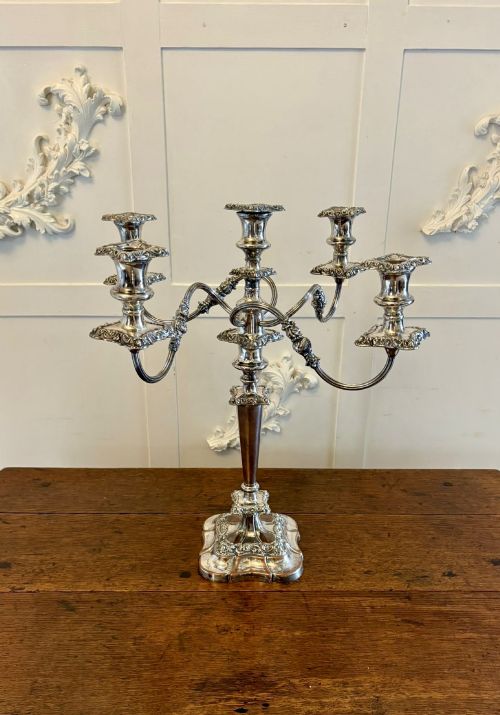
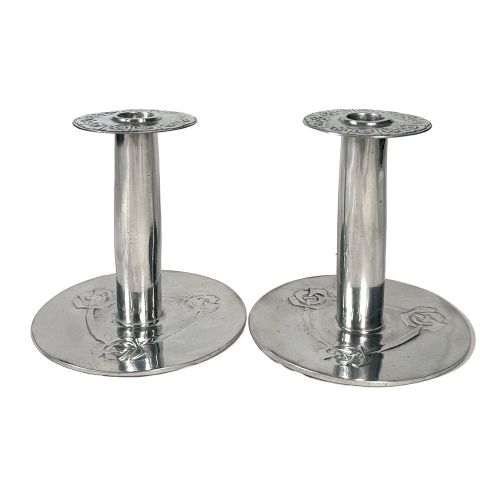
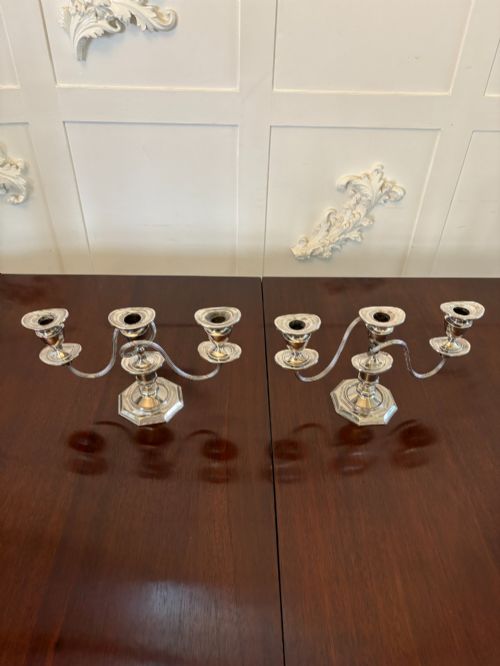
Antique candlestick holders encompass standard table candlesticks, multi-branched candelabra, wall sconces, chambersticks, and hurricane lamps. These lighting items span the Georgian, Regency, Victorian, Edwardian, and later twentieth-century periods.
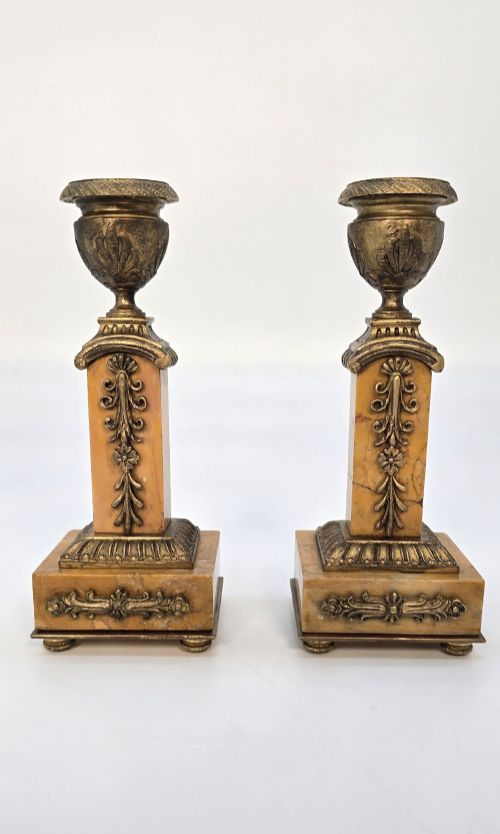
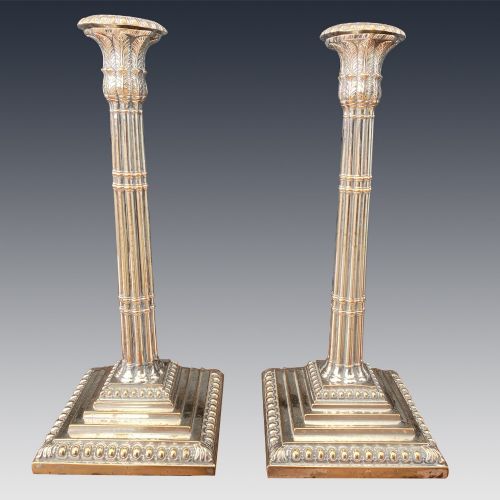
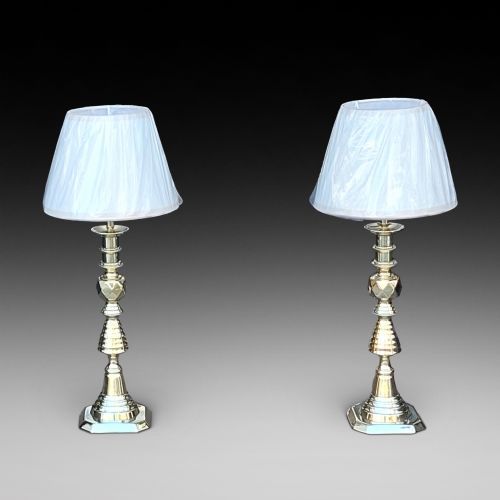
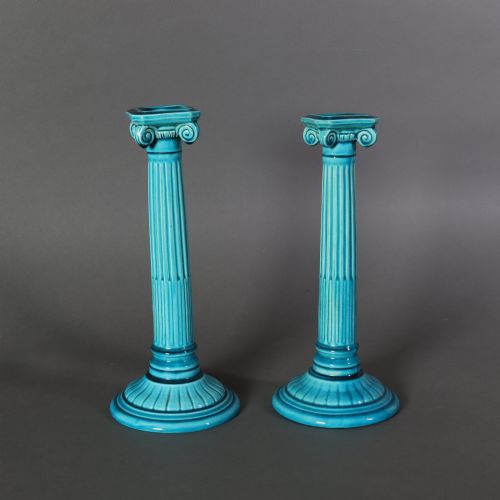
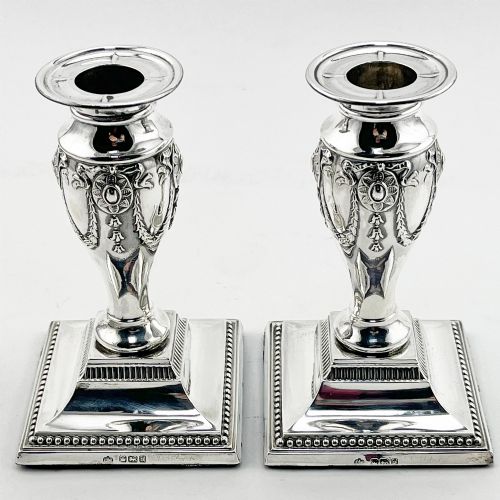
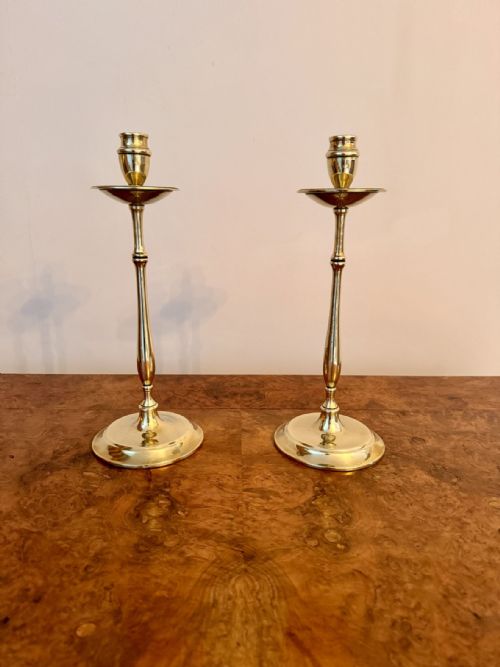
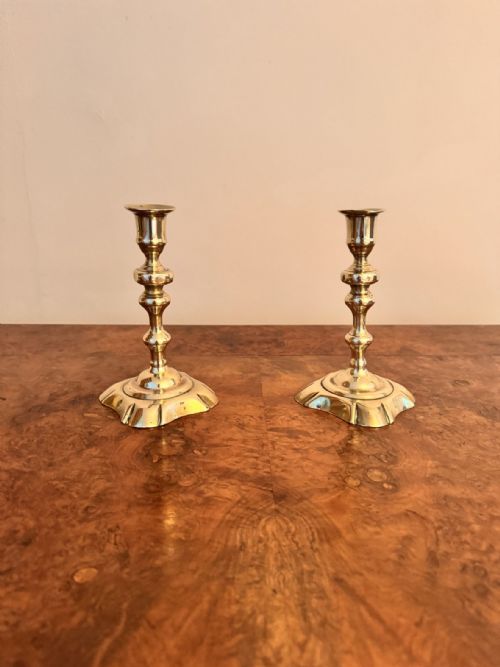
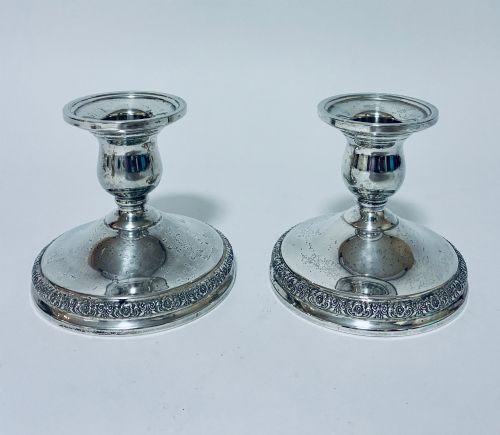
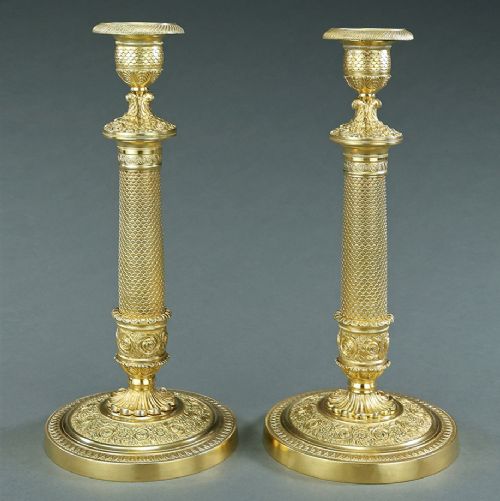
Brass examples, often formed in pairs during the eighteenth and nineteenth centuries, sit alongside sterling silver, silver plate, bronze, gilt bronze, and ormolu pieces. Materials frequently pair with marble, pottery, glass, and wood.
Makers and designers range from large firms to specialised foundries, while styles extend through Neoclassical, Gothic revival, Louis XVI, and seventeenth-century revival designs.
Materials and Techniques
Metalworking dominates production, utilising cast brass, spun or soldered silver plate, and sterling silver. Bronze and ormolu pieces involve intricate casting, chasing, and patination techniques.
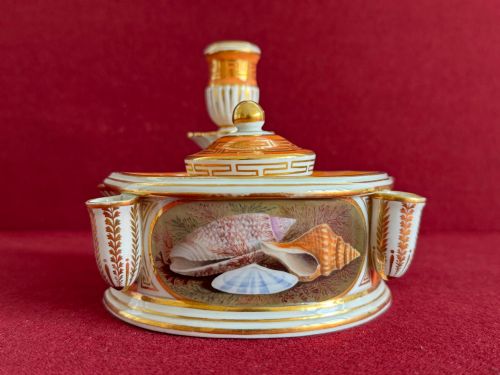
Combination pieces integrate metal components with carved marble bases, cut glass hurricanes, or ceramic figures. Wood-turned mahogany candlesticks represent alternative material choices within Georgian groupings.
Listings feature brass, silver plate, sterling silver, bronze, gilt bronze, ormolu, marble, and metal across the Georgian, Victorian, and Edwardian eras.
Craftsmanship and Proportion
Quality rests in the crispness of the casting and the weight of the metal, where sharper chased details on bronze, ormolu, and brass distinguish superior examples. Substantial gauge silver and heavy-gauge brass plates provide structural integrity.
Proportion and symmetry define pairs, ensuring balanced heights, matching bases, and uniform sconces. The integration of secondary materials, such as fluorspar or finely turned marble, elevates the piece.
Archibald Knox·Mappin & Webb·Birks·Barbedienne·Francois Redmond
The Antique Candlestick Holders Glossary
- Candlestick
- A portable device designed to hold a single candle in a vertical position by means of a socket or spike.
- Candelabra
- A branched lighting fixture holding multiple candles on a single base.
- Pricket
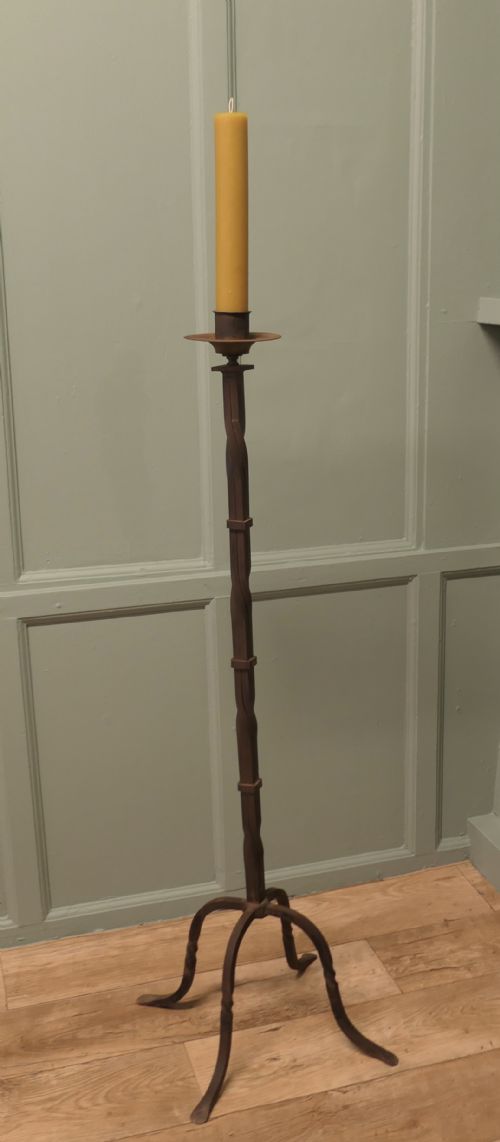
- A sharp metal spike upon which a candle is impaled, common in church and revival candlesticks.
- Ormolu
- Gilded bronze applied to decorative arts, providing a bright golden finish through mercury amalgamation or electroplating.
- Chamberstick
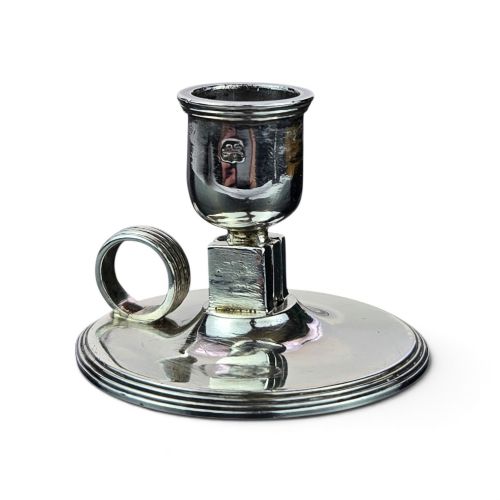
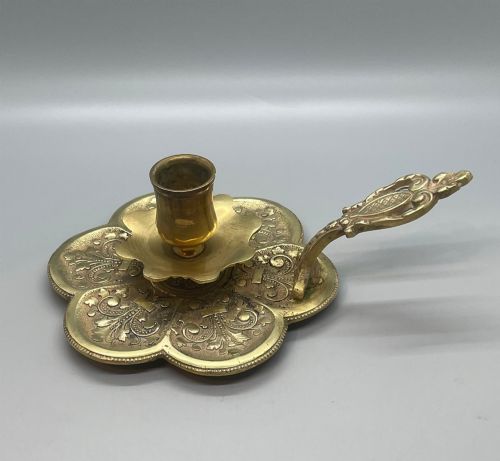
- A short candlestick fitted with a pan and a handle, originally intended for carrying through a house at night.
Antique Candlestick Holders: Frequently Asked Questions
How do I date antique brass candlesticks?
Dating relies on construction methods, base shapes, and stylistic markers recorded in period examples. Early pieces often feature distinct casting seams and simpler profiles.
Later Victorian and Edwardian items introduce heavier ornamentation, revival motifs, and factory marks. Comparing physical weight and component assembly helps confirm the era of manufacture.
What is the difference between candlesticks and candelabra?
Candlesticks hold a single candle upright in a fixed socket or on a pricket. They function well on mantelpieces, dining tables, and smaller surfaces.
Candelabra feature multiple arms branching from a central stem to support several candles simultaneously. They provide greater illumination and a more imposing decorative presence.
How were chambersticks used historically?
Chambersticks served as portable bedroom lighting before the widespread availability of electricity. The attached saucer caught dripping wax while people walked through dark hallways.
Their side handles made them secure to carry by hand. Many included a small conical snuffer resting in the pan.
Can I use real candles in antique holders?
Real candles function effectively provided the base sits level and the candle diameter matches the socket. Drip management prevents wax buildup on delicate silver or bronze surfaces.
For fragile or historic pieces, battery-operated alternatives offer safe illumination without thermal risk.