

Antique Cabinet with Ormolu
An antique cabinet with ormolu brings gilt bronze mountings and figured woods together for display and storage.
Antique Cabinet with Ormolu
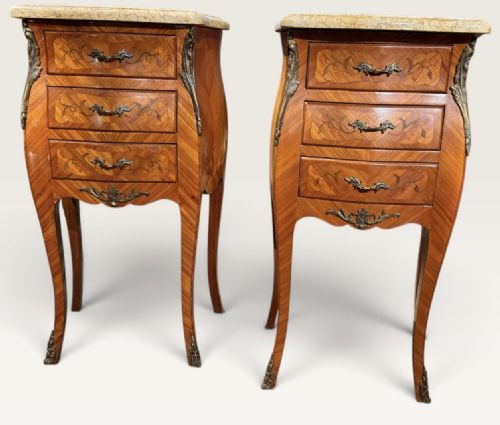
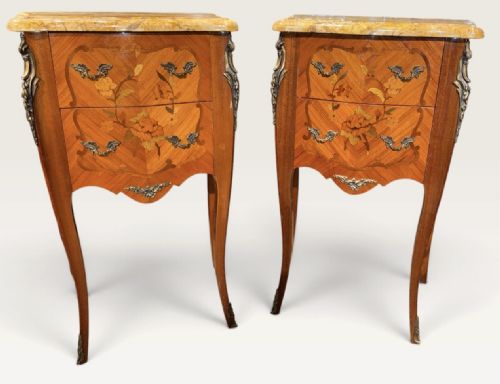
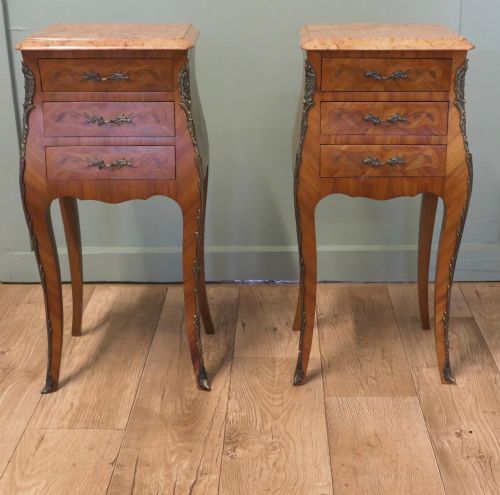
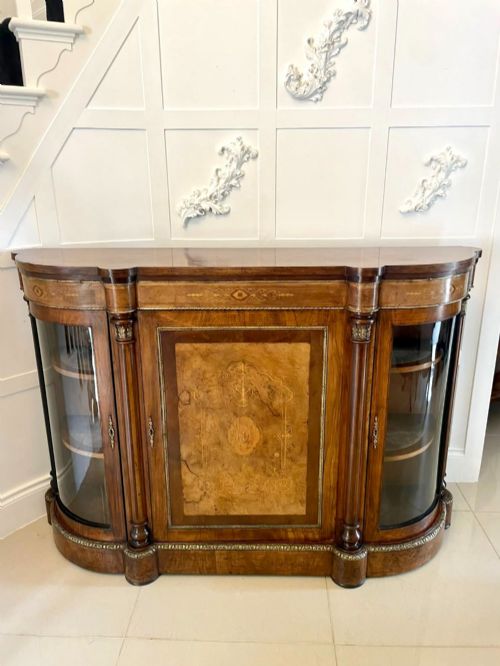
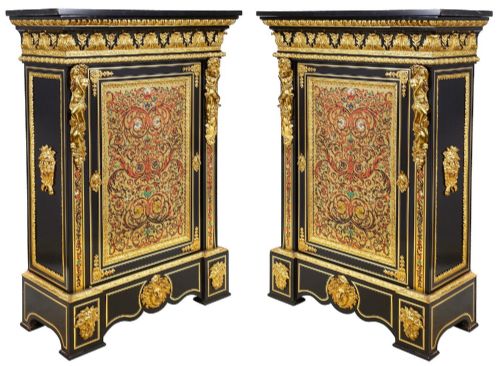
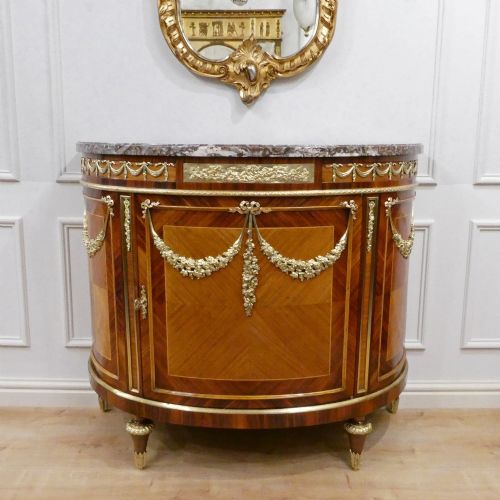
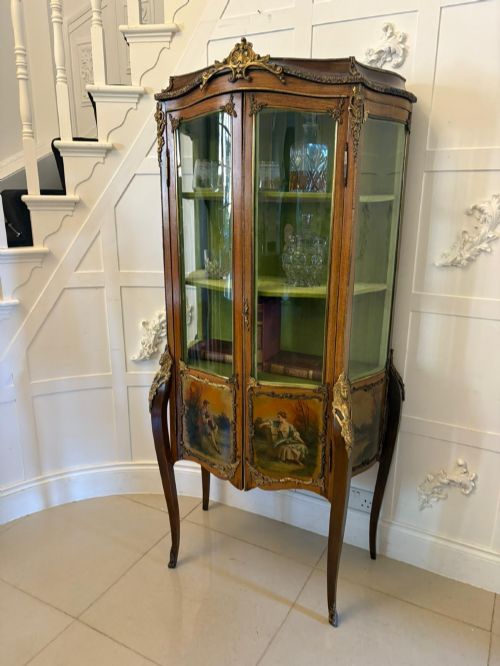
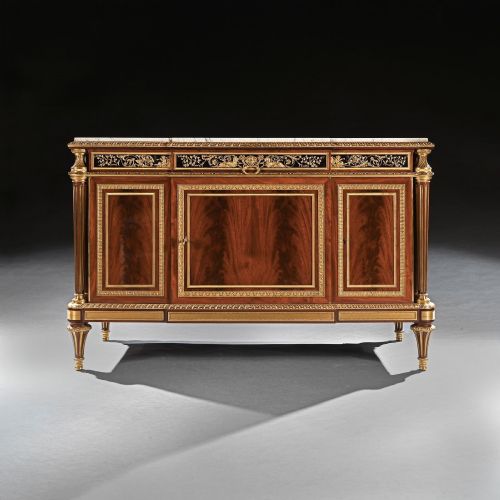
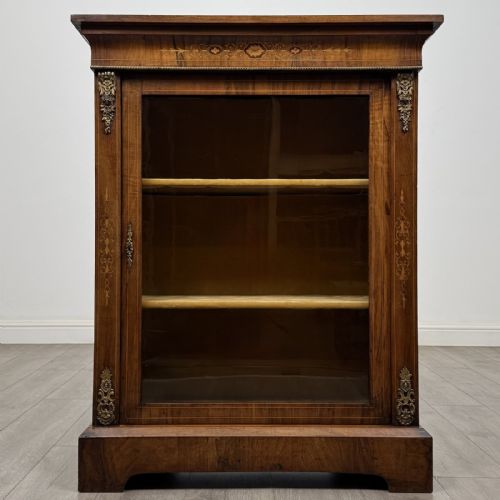
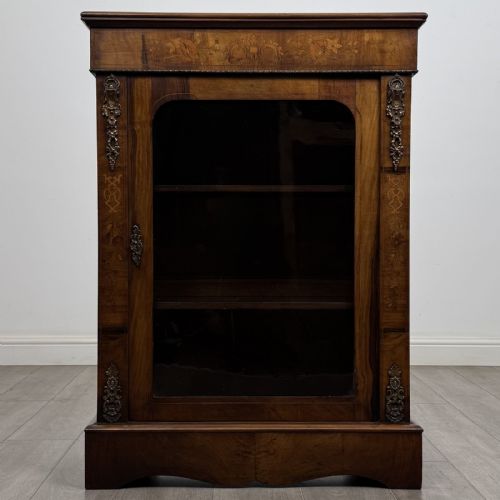
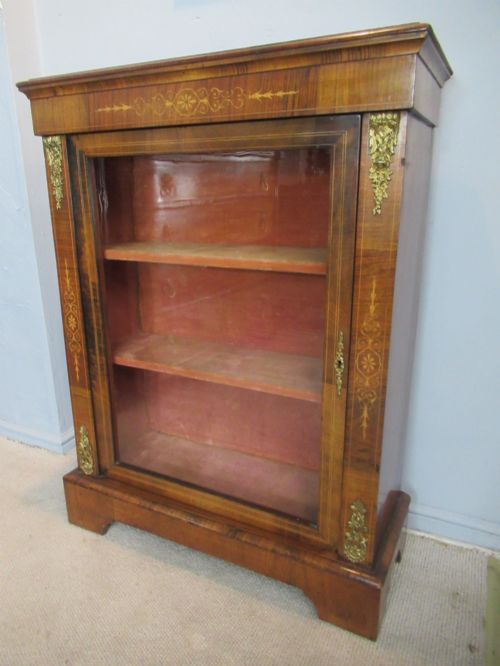
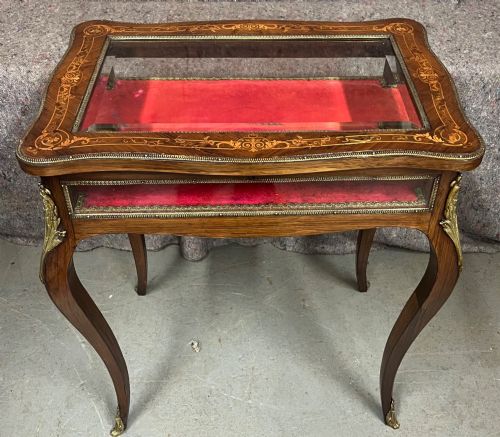
An antique cabinet with ormolu combines functional storage or display with decorative metal mounts, spanning periods from the nineteenth century to the early twentieth century. The selection includes French revival pieces alongside Victorian examples produced in walnut and kingwood.
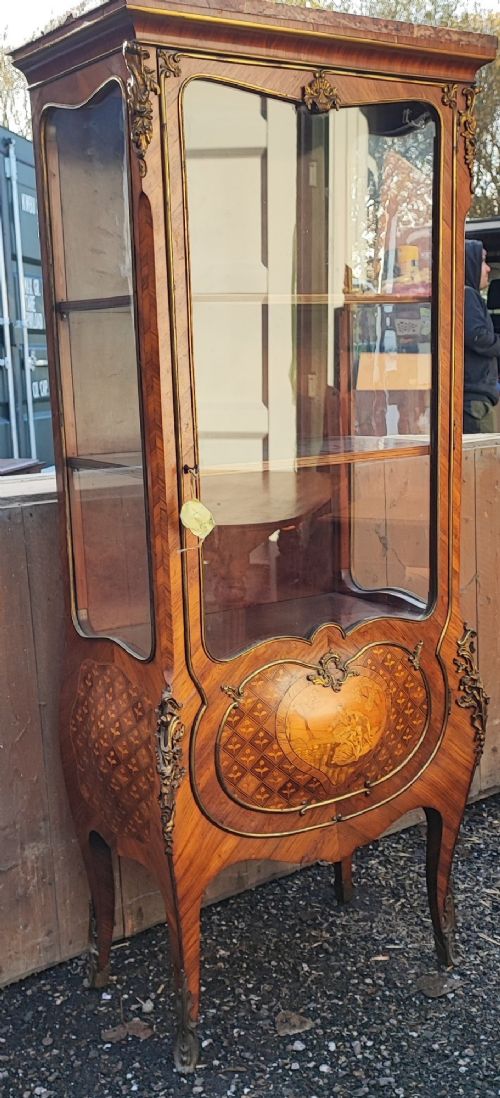
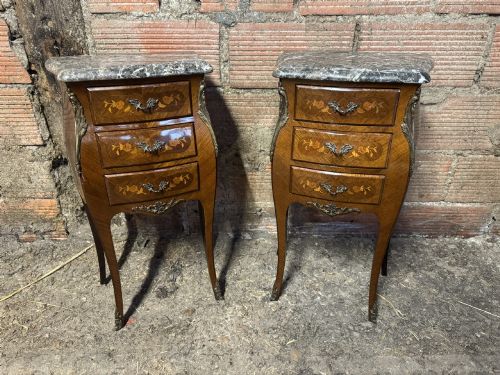
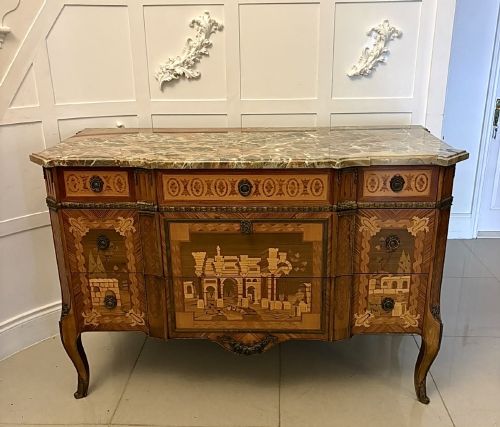
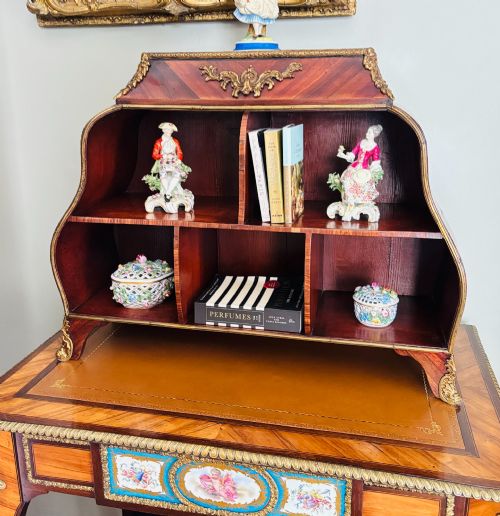
Forms range from compact pier cabinets and corner display cases to large credenzas, vitrines, and writing desks fitted with marble tops. Many items incorporate glazed doors, porcelain plaques, or marquetry inlay alongside the characteristic metal ornamentation.
Materials and construction
Cabinet makers utilised dense hardwoods such as walnut, burr walnut, and kingwood as foundations for intricate marquetry, parquetry, and Vernis Martin painted panels. Carcases frequently incorporate heavy marble slabs in white, rouge, or dark tones fitted directly to the upper surface.
Decorative detailing relies heavily on cast ormolu and gilt bronze mounts secured to corners, borders, and feet. Glass panels are integrated into doors for vitrines and display cabinets, complemented by mirrored backs and velvet linings in select interiors.
Antique Cabinet with Ormolu Retail Price Guide 2026
Typical asking prices for cabinet with ormolu among the pieces listed under this phrase on Sellingantiques today, from the lower quarter to the upper quarter. They describe what is for sale here now, not the wider market.
Some display cabinets hide velvet linings behind heavily gilded bronze doors.
Variations in quality
Distinctions in quality rest upon the precision of the cabinet work and the sharpness of the ormolu casting. Finer pieces display crisp hand-chasing on the bronze mounts and exact alignment in parquetry and floral marquetry patterns.
The choice of primary timber and secondary woods dictates durability, with figured burr walnut and quarter-sawn kingwood denoting higher workshops. Original components, including marble tops and integrated porcelain plaques, sustain the integrity of the piece.
Gillows·Edward Holmes Baldock·Maison Gagneau·François Linke
The Antique Cabinet with Ormolu Glossary
- Ormolu
- Gilded bronze used for decorative mounts on furniture, produced through an amalgamation of mercury and gold leaf or electroplating. It accentuates the architectural lines of the cabinet.
- Vernis Martin
- A simulated Japanese lacquer technique developed in eighteenth-century France and revived in later furniture. It produces translucent painted panels depicting pastoral or floral scenes.
- Marquetry
- Inlaid wood veneers arranged in pictorial or geometric patterns across the surface of a cabinet. Craftsmen employ contrasting timbers to achieve tonal depth.
- Credenza
- A sideboard or low storage cabinet, often fitted with glass doors and central shelving. Victorian examples frequently incorporate mirrored backs and flanking cupboards.
- Vitrine
- A glass-fronted display cabinet designed for porcelain and small objects. These pieces rely on ormolu framing to highlight the glazed panels.
Antique Cabinet with Ormolu: Frequently Asked Questions
How do I clean ormolu mounts?
Use a soft, dry brush to remove dust from the crevices of the metalwork without applying liquid cleaners.
Moisture and abrasive agents can strip the historic gilding from bronze surfaces permanently.
Are marble tops removable?
Marble slabs on these cabinets typically rest loose upon the wooden carcase or are secured with simple fixings.
Lifting the stone requires care during relocation to protect both the marble and the underlying veneer.
Where were pier cabinets placed?
Pier cabinets stood against the narrow wall space between windows in nineteenth-century drawing rooms.
Their compact proportions allowed them to provide display space without obstructing light or passage.
How do I identify French revival styles?
French revival pieces incorporate curved serpentine lines, floral marquetry, and substantial ormolu mounts referencing Louis XV and Louis XVI designs.
English interpretations often blend these continental motifs with domestic timber choices like burr walnut.