

Antique Cabinet Unit
An antique cabinet unit brings purposeful storage and display to a room, drawing on periods from the Georgian era through to the early twentieth century.
Antique Cabinet Unit
When searching for an antique cabinet unit, buyers encounter a diverse selection of storage forms spanning multiple centuries. These pieces originate primarily from the Victorian, Edwardian, and George III periods, reflecting the shifting domestic needs of past households.
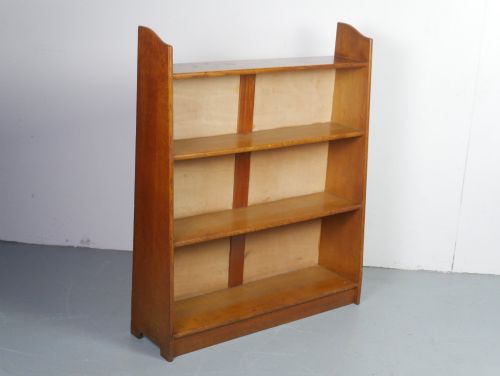
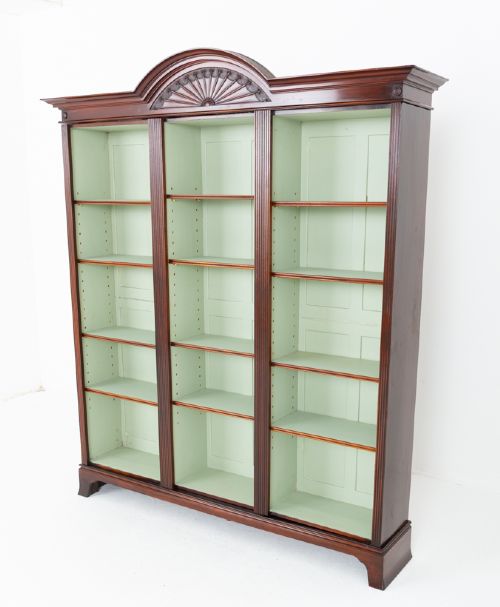
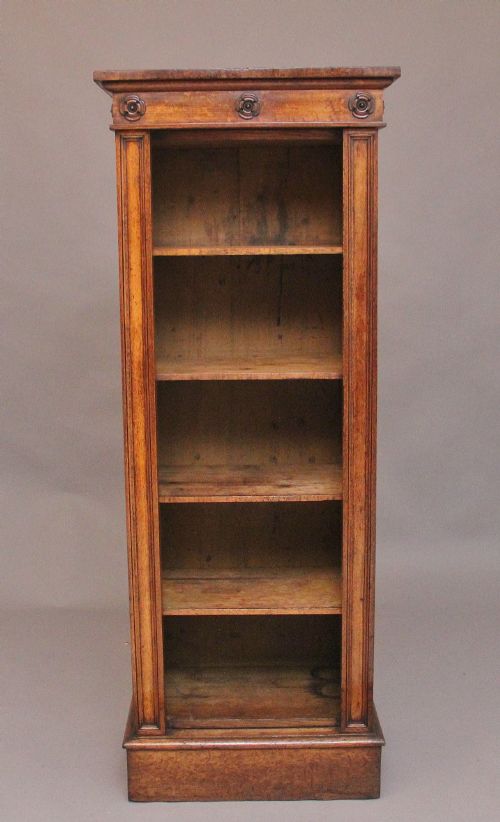
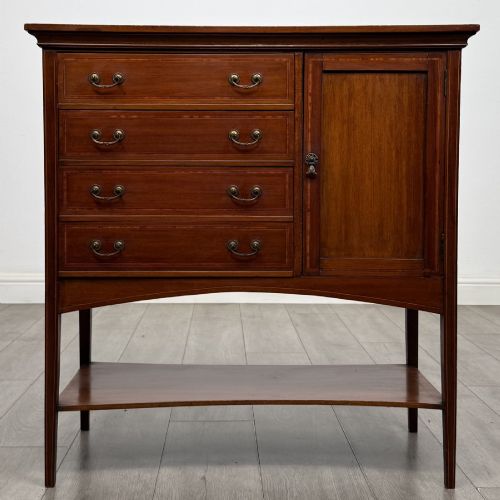
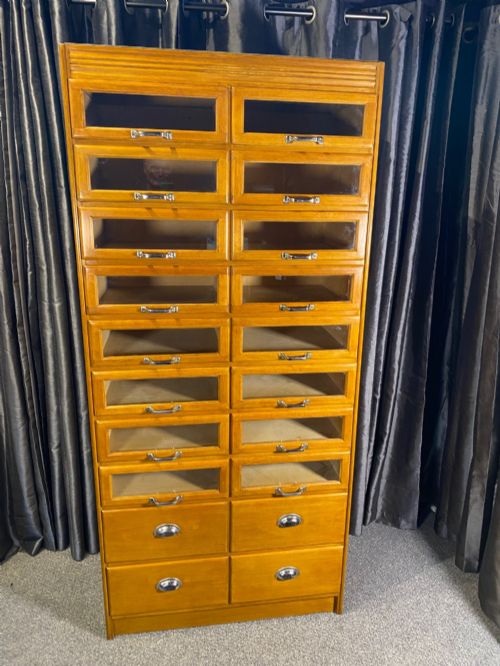
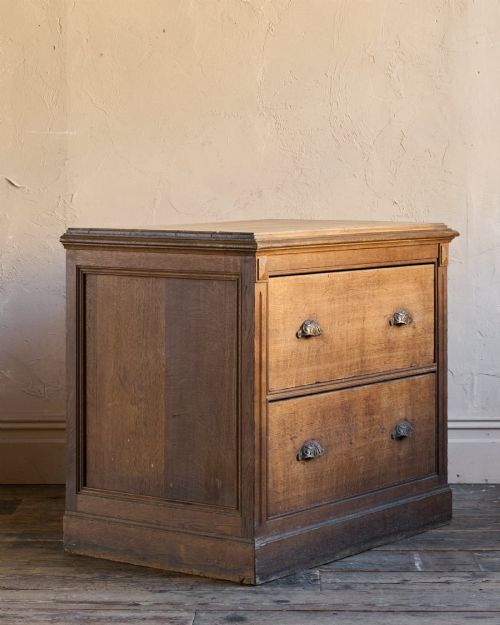
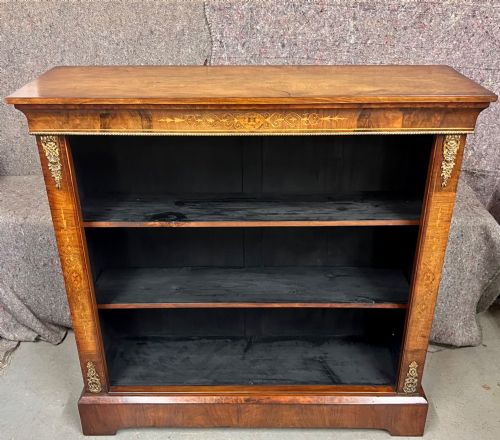
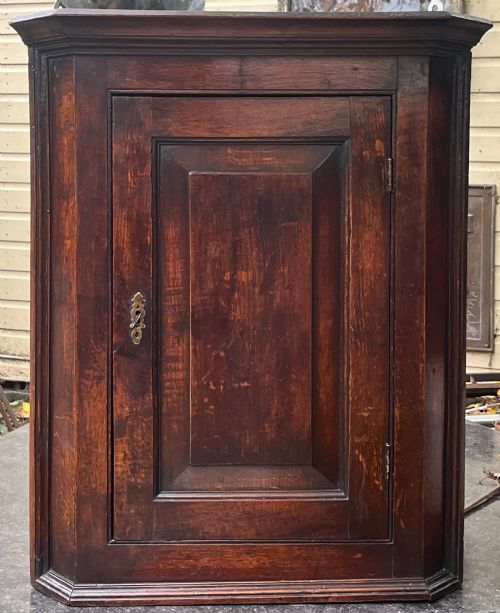
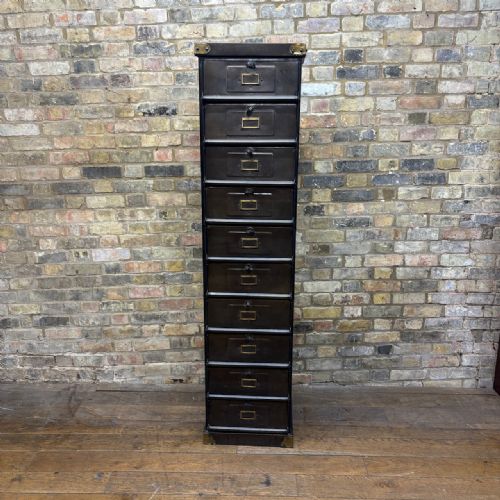
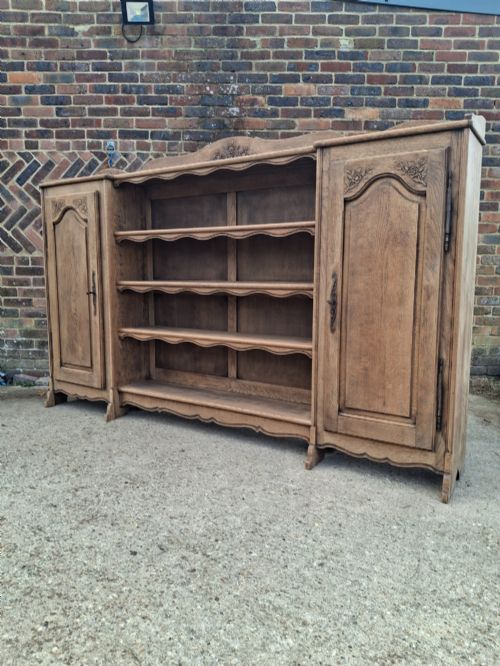
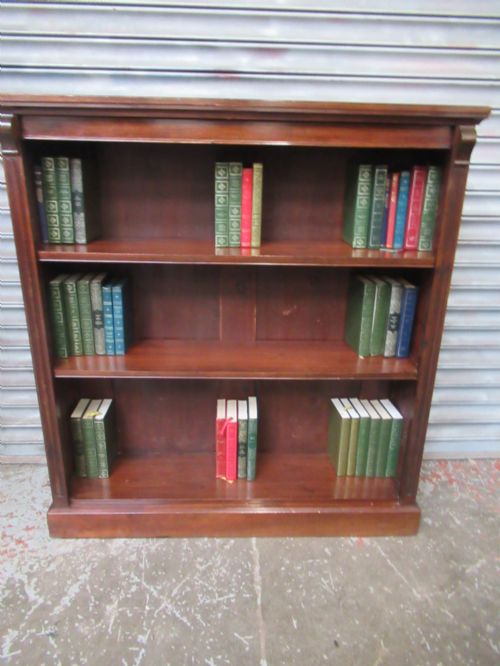
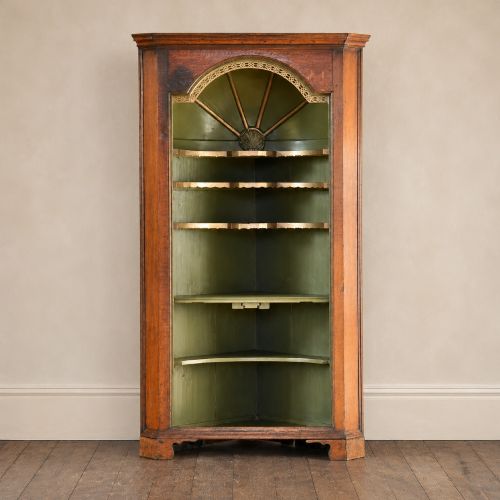
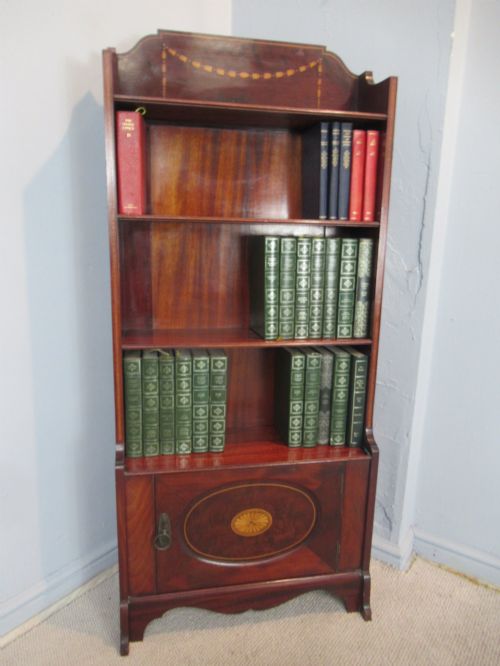
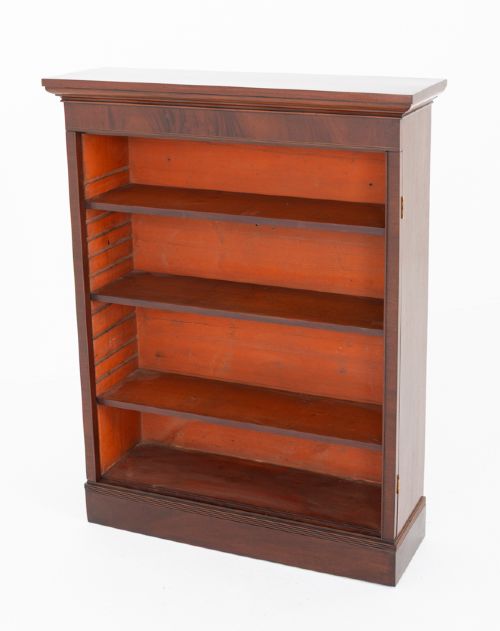
Bookcases, display cabinets, and chests of drawers dominate the selection on this page. Formats range from large breakfront open bookcases to compact corner cupboards and fitted storage units with multiple drawers.
Materials such as mahogany, oak, and pine underpin these functional items. Makers utilised brass hardware, glass panels, and satinwood inlay to finish forms that served libraries, kitchens, and parlours.
How they were made
Cabinet makers relied heavily on hardwoods like mahogany and oak, often selecting burr walnut or plum pudding mahogany for decorative surfaces. These timbers were shaped into bookcases, sideboards, and chests using traditional joinery techniques.
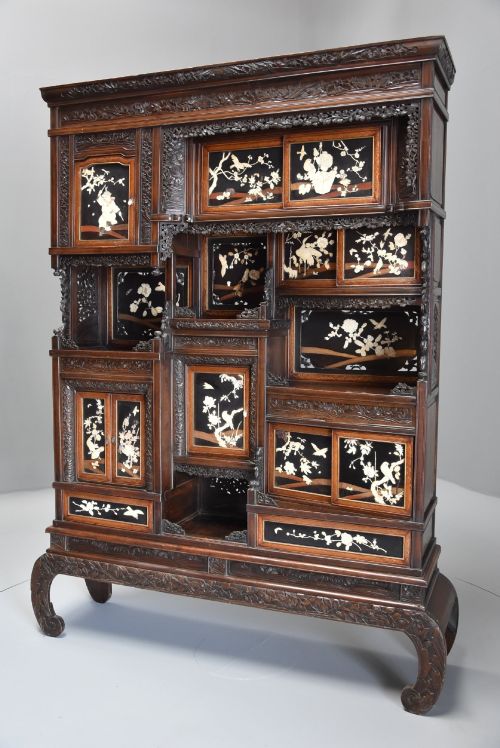
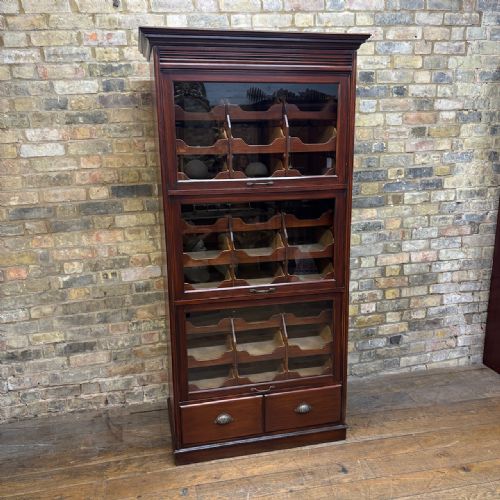
Inlay work in satinwood and detailed carvings, including lion mask motifs and dentil cornices, added textural depth to casework. Glass doors, brass galleries, and mother of pearl accents completed pieces designed for both display and storage.
Antique Cabinet Unit Retail Price Guide 2026
Typical asking prices for cabinet unit among the pieces listed under this phrase on Sellingantiques today, from the lower quarter to the upper quarter. They describe what is for sale here now, not the wider market.
Listings feature extensive nineteenth-century oak and mahogany bookcase forms alongside Edwardian golden oak chests of drawers.
What varies in quality
Quality in these units rests upon the selection of timber and the precision of the construction. Superior examples utilise dense, well-figured mahogany or quarter-sawn oak with harmonious grain patterns across the primary surfaces.
Refinement shows in secondary details such as adjustable shelving mechanisms, crisp carving work, and intact brass galleries. Pieces that retain original hardware and balanced proportions demonstrate higher levels of initial craftsmanship.
John Moyr Smith·Liberty
The Antique Cabinet Unit Glossary
- Breakfront
- A cabinet form where the central section projects forward from the flanking wings. This architectural layout creates visual depth in large bookcases and sideboards.
- Dentil cornice
- A moulding decorated with a repeating pattern of small rectangular blocks resembling teeth. It typically crowns the upper edge of bookcases and display cabinets.
- Bijouterie display cabinet
- A glazed case specifically designed for exhibiting small valuable objects or curiosities. These pieces often feature velvet-lined interiors and raised legs.
- Raised gallery
- A low decorative rail running along the top edge of a chest of drawers or bookcase. It prevents items placed on top from sliding off.
Antique Cabinet Unit: Frequently Asked Questions
What defines an antique cabinet unit?
An antique cabinet unit is a piece of wooden furniture designed for storage or display, originating from periods such as the Georgian, Victorian, and Edwardian eras. These pieces encompass bookcases, chests of drawers, and dressers constructed from materials like mahogany and oak.
Such items served specific domestic functions in period homes, ranging from storing library books to organising kitchenware or displaying treasured objects.
How do I identify a Victorian bookcase?
Victorian bookcases often feature dense mahogany or oak construction, sometimes with ebonised finishes or carved decorative details like lion masks. They frequently include adjustable shelving and glazed doors.
Earlier nineteenth-century examples tend to display heavier proportions, while later Victorian pieces may incorporate Aesthetic Movement styling with golden oak.
Were these cabinets used in kitchens?
Certain forms, particularly pine dressers and fitted storage cabinets, were essential kitchen or pantry furniture in past centuries. They provided practical space for dishware, dry goods, and utensils.
These utilitarian pieces prioritise robust construction in pine or oak over decorative veneers, reflecting their daily domestic use.
What is an apprentice chest?
An apprentice chest is a small-scale chest of drawers built by woodworkers learning their trade. These diminutive pieces display the same dovetail joints and timber selection as standard furniture.
Cabinet makers created them as test pieces to prove their proficiency before joining a guild or workshop.